Best hotels in Xi'an | A Curated Visual Guide to Top Stays
Welcome to PressBeyond, the ultimate curated visual guide for design-driven hotels! My name is Will Miller and these are my recommendations for the best boutique and luxury hotels in Xi'an.
I am the founder of PressBeyond and I am an ultra-meticulous hotel curator who loves clean visuals. I have individually analyzed and tiered each hotel included in this guide based on a variety of criteria (architecture & design, location, brand & brand affiliation, existing reviews, and my own personal experiences), and importantly, I have hand-selected the leading imagery for each hotel to provide you with easily-digestible, yet detailed and complete, like-for-like, high-level visual profiles. I felt this summarization step was a critical missing piece across existing guides, blogs, and booking platforms. My aim is to make it easier for people to identify hotel environments that resonate with them, along with enabling them to visualize the types of social experiences that those environments help foster. My brain doesn't work when exposed to cluttered content, so my goal was to create the opposite.
Underneath this, we are also a full booking engine offering 5% Venmo cash back along with other exclusive perks. For all of you design-obsessed hotel enthusiasts out there, I hope this guide helps get you to where you see yourself!
An Overview of the Boutique & Luxury Hotel Landscape in Xi'an
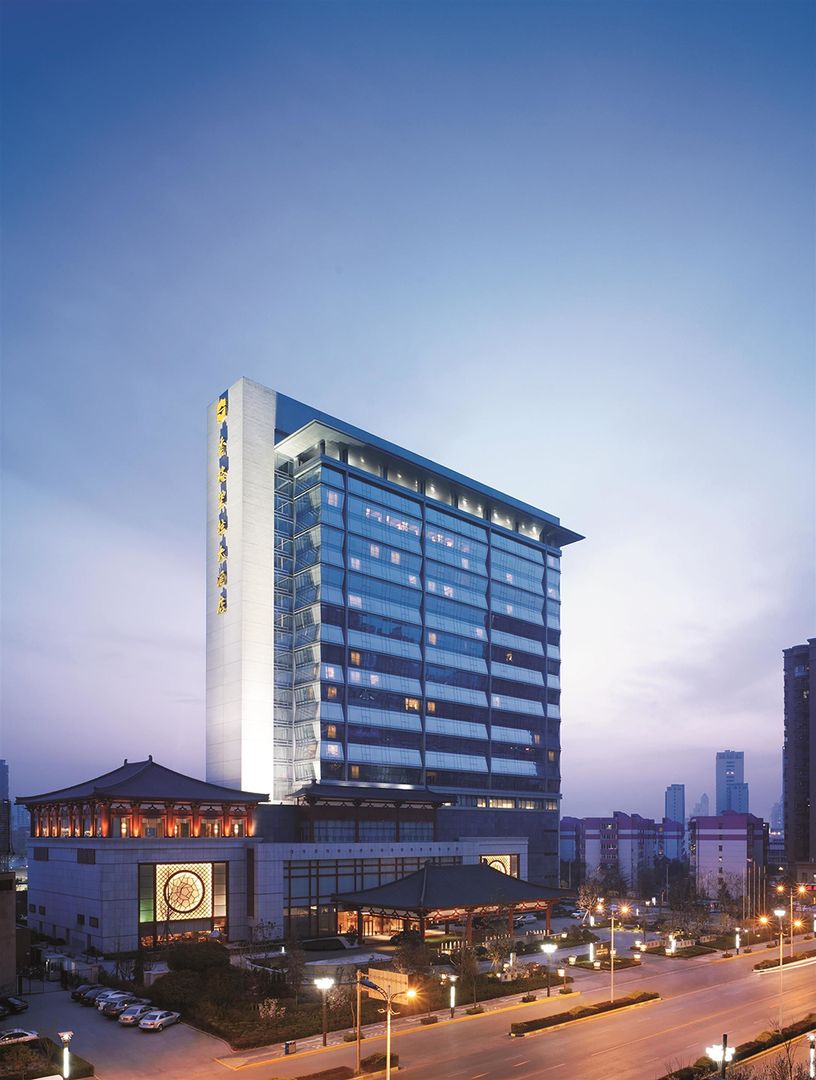
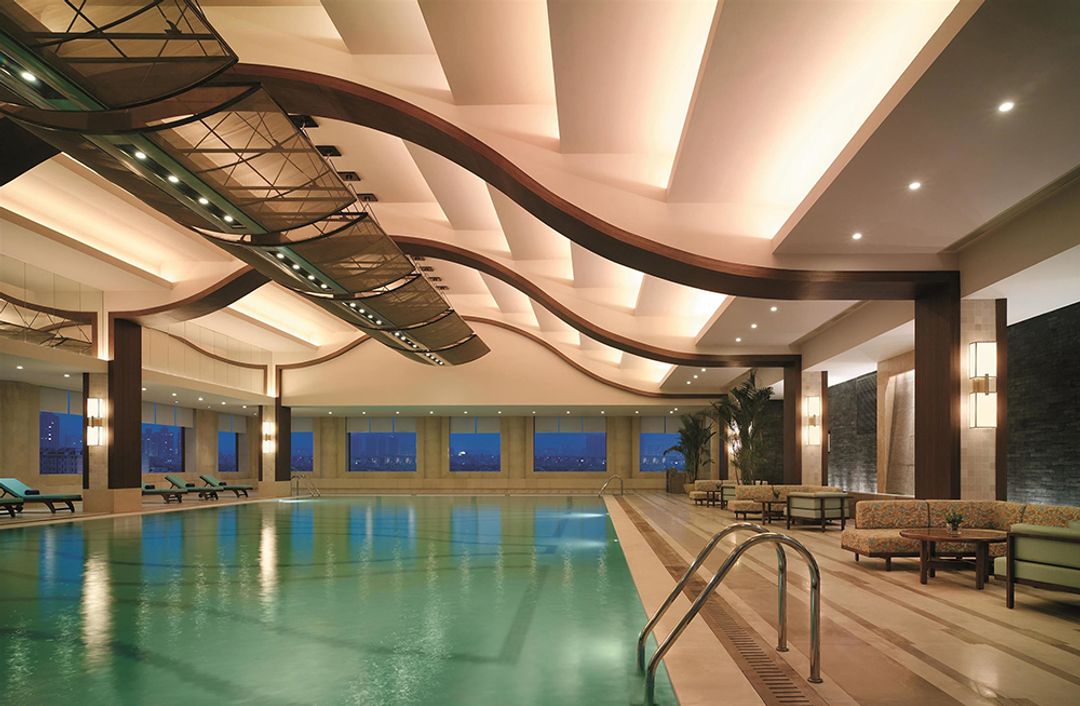
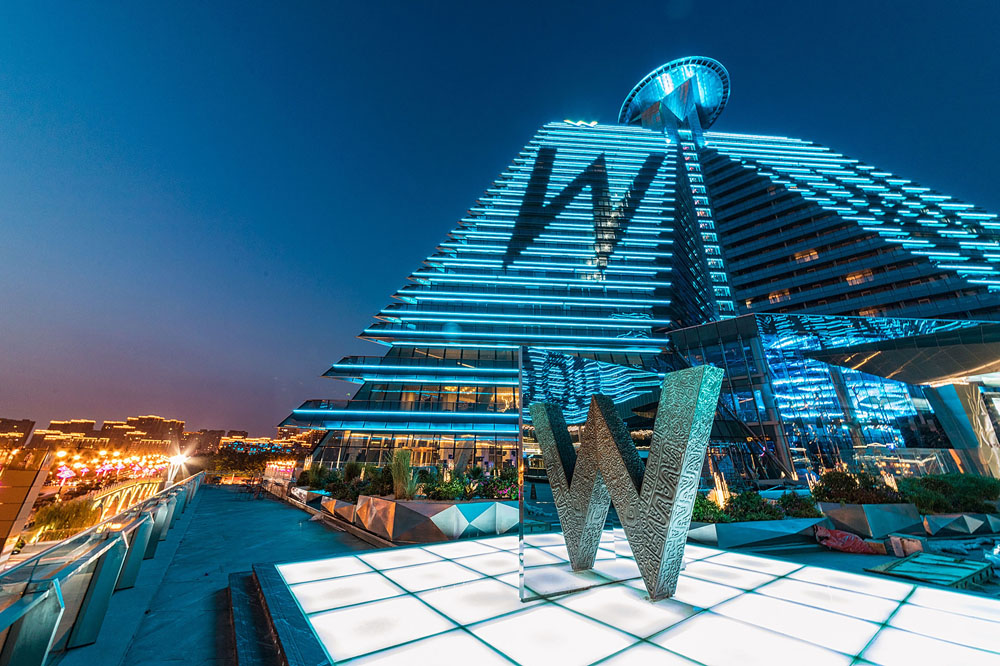
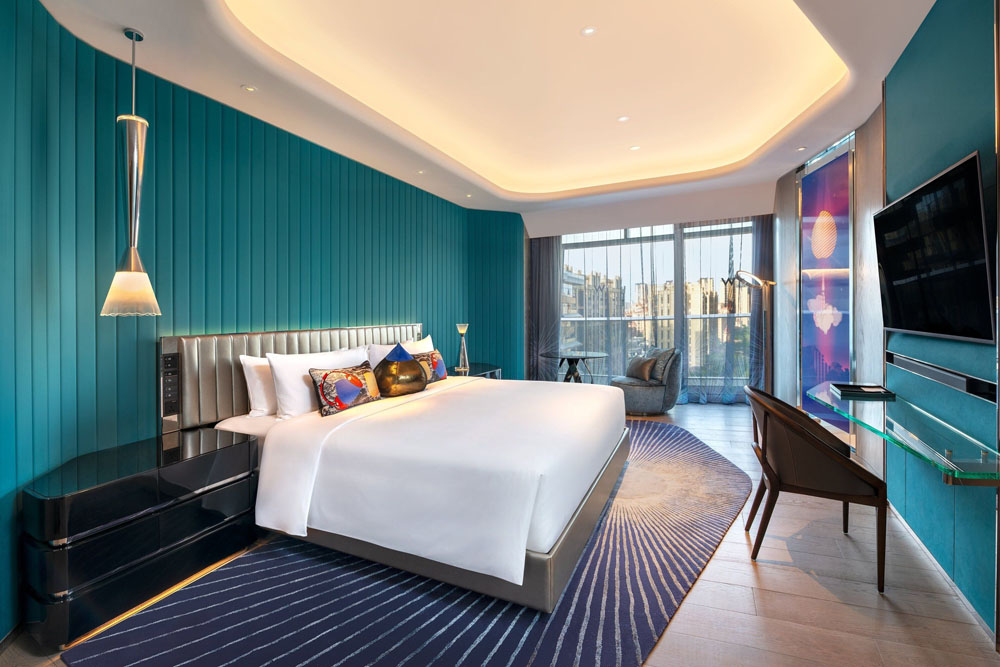
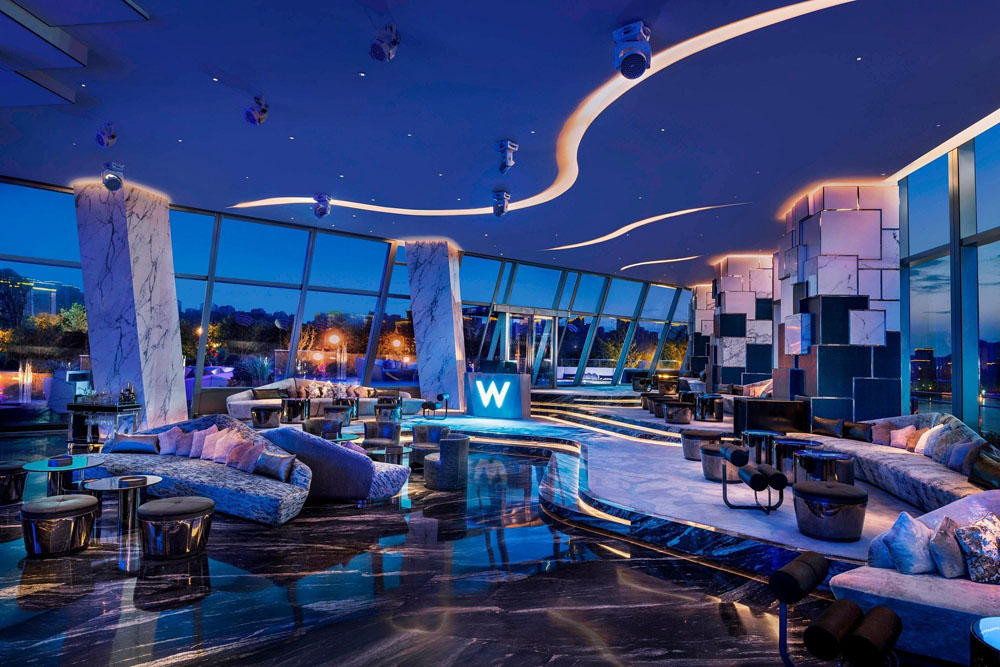
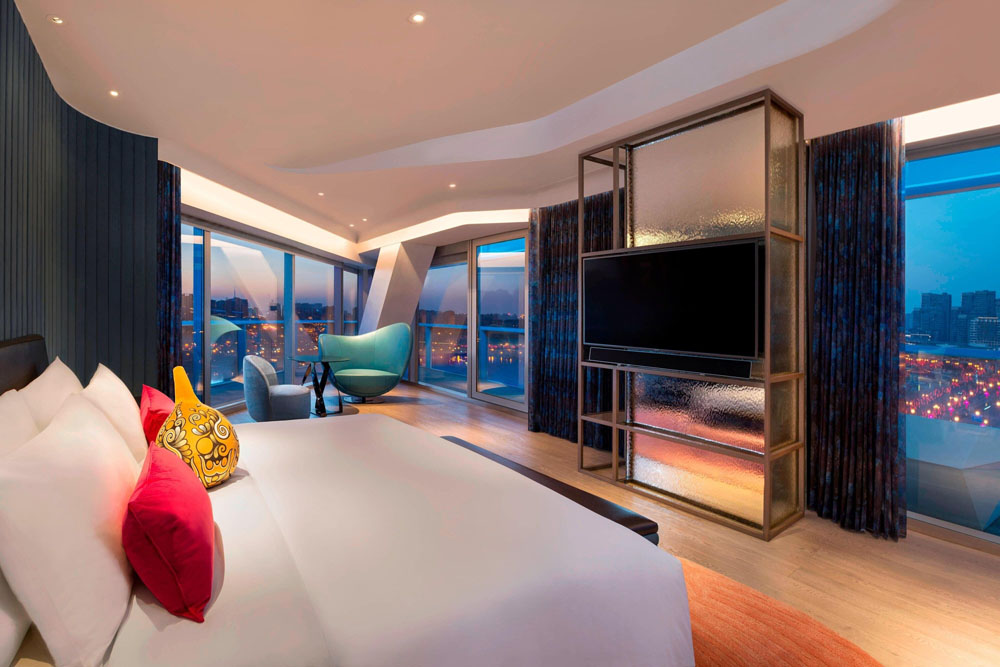
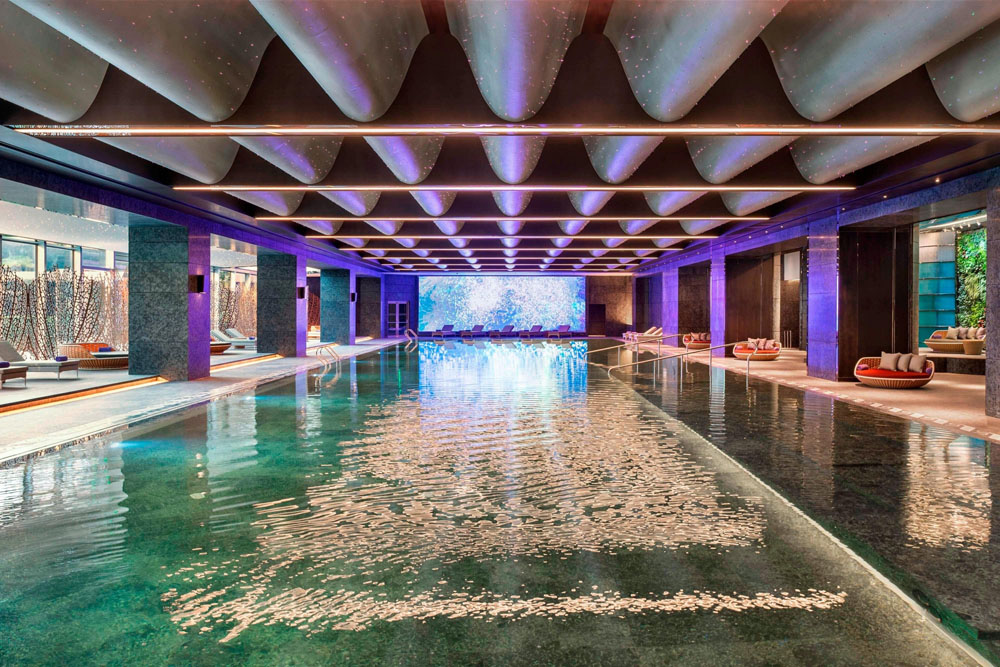
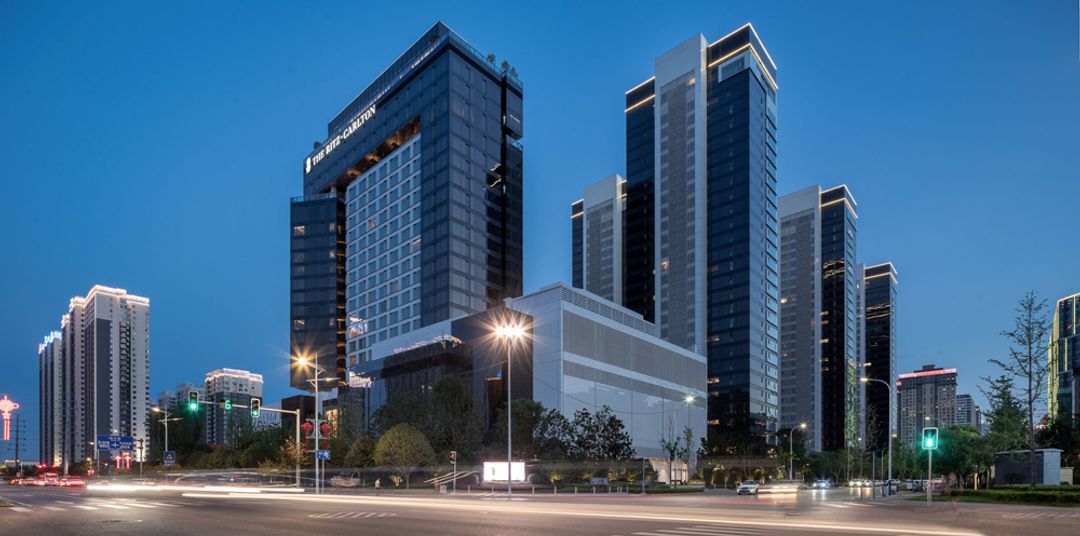
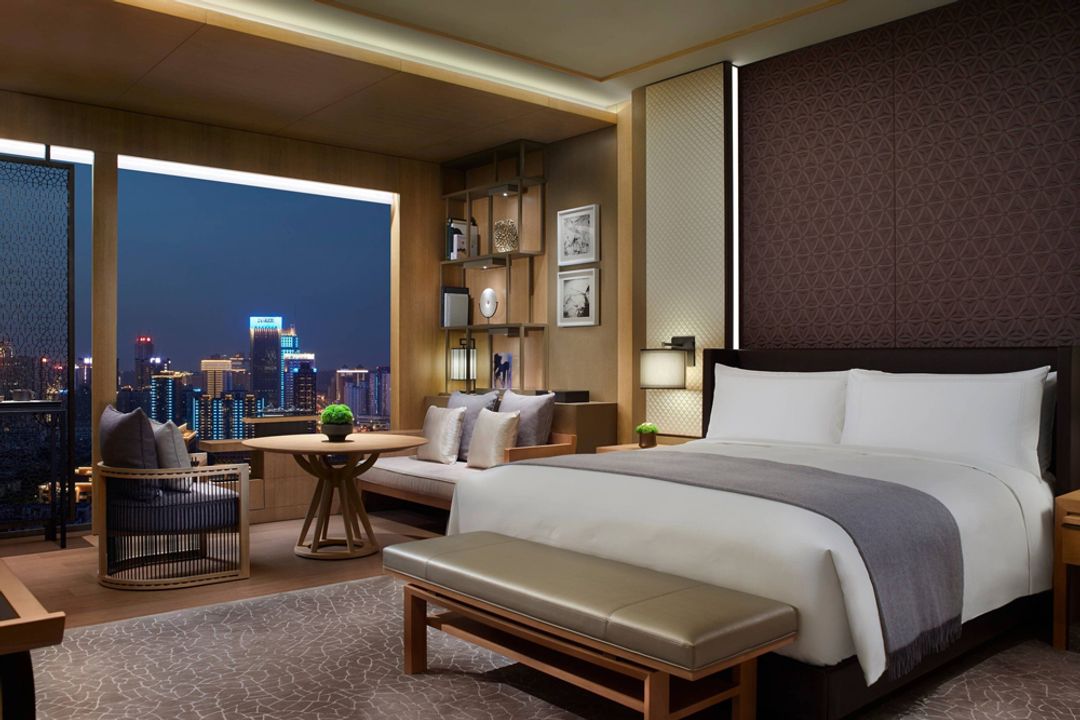
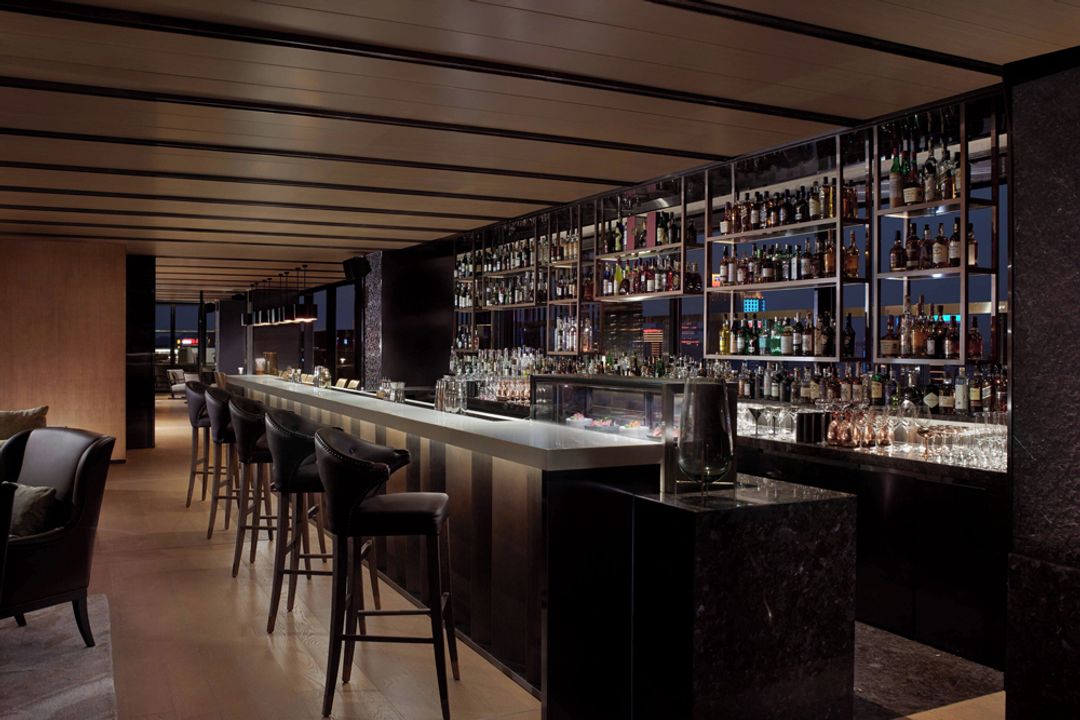
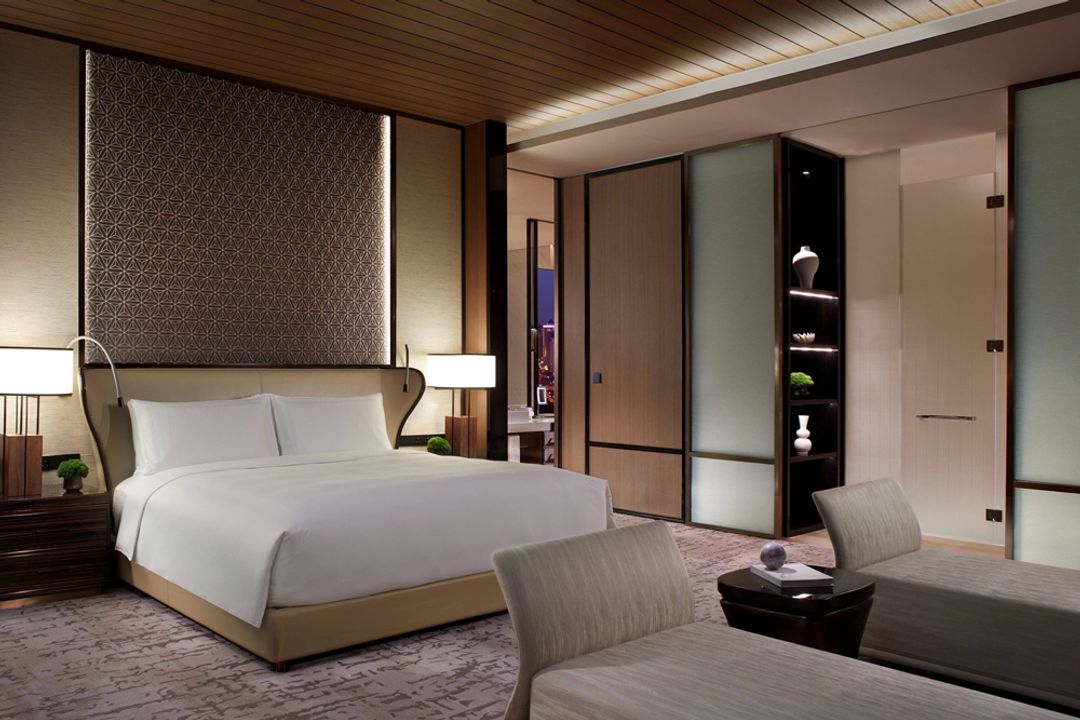
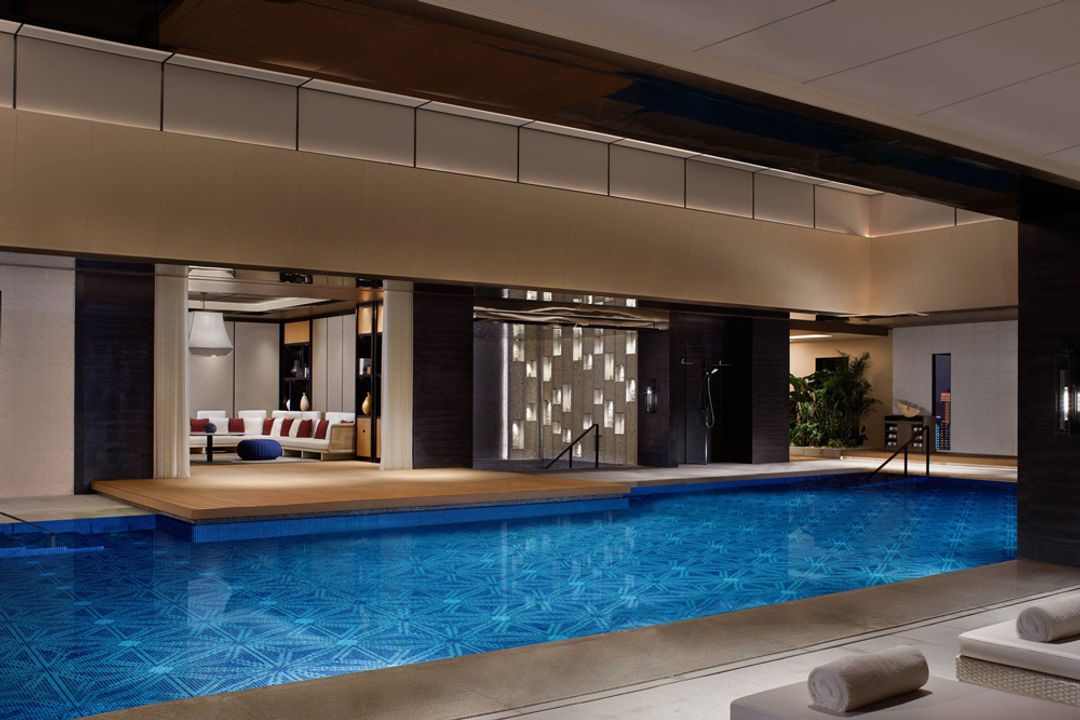
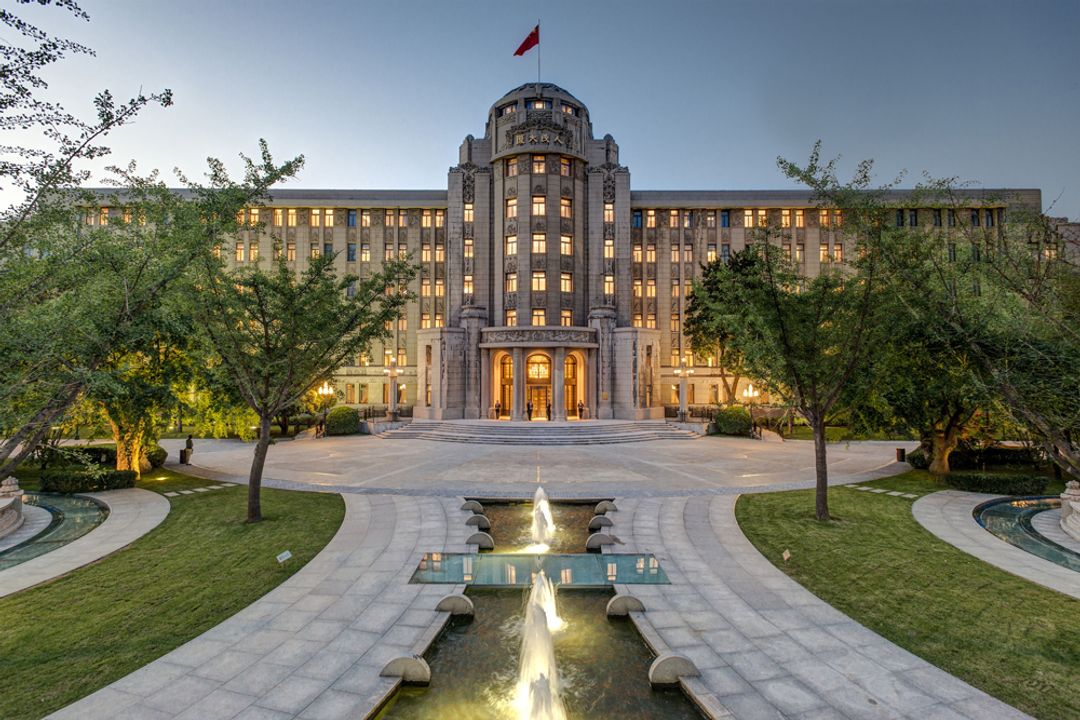
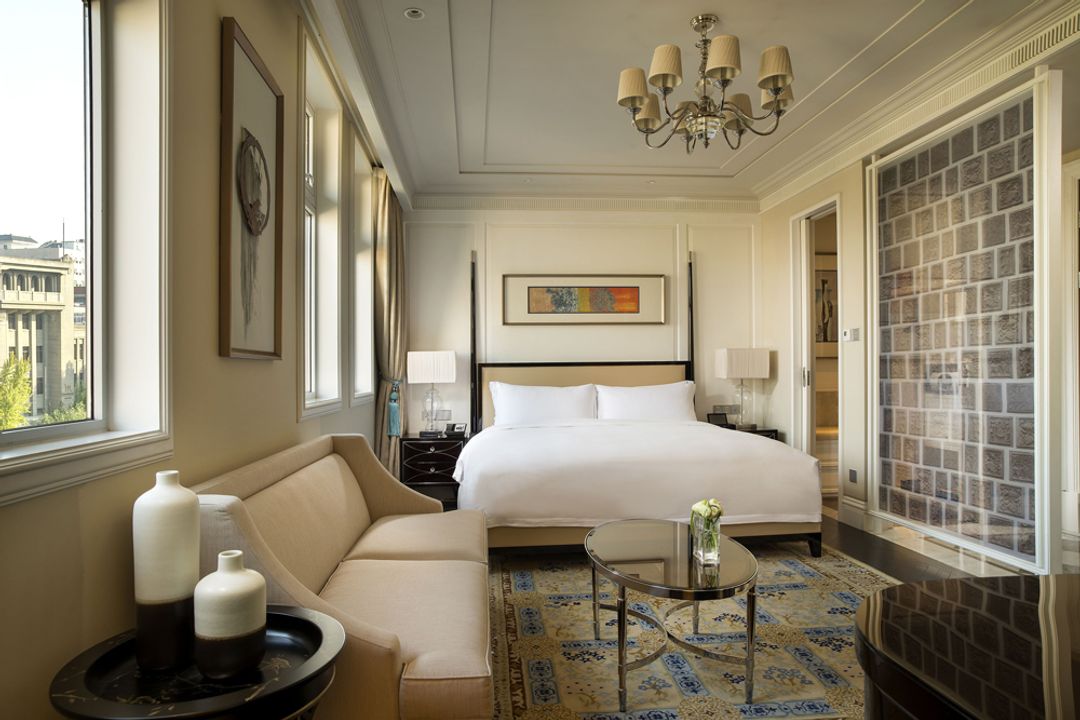
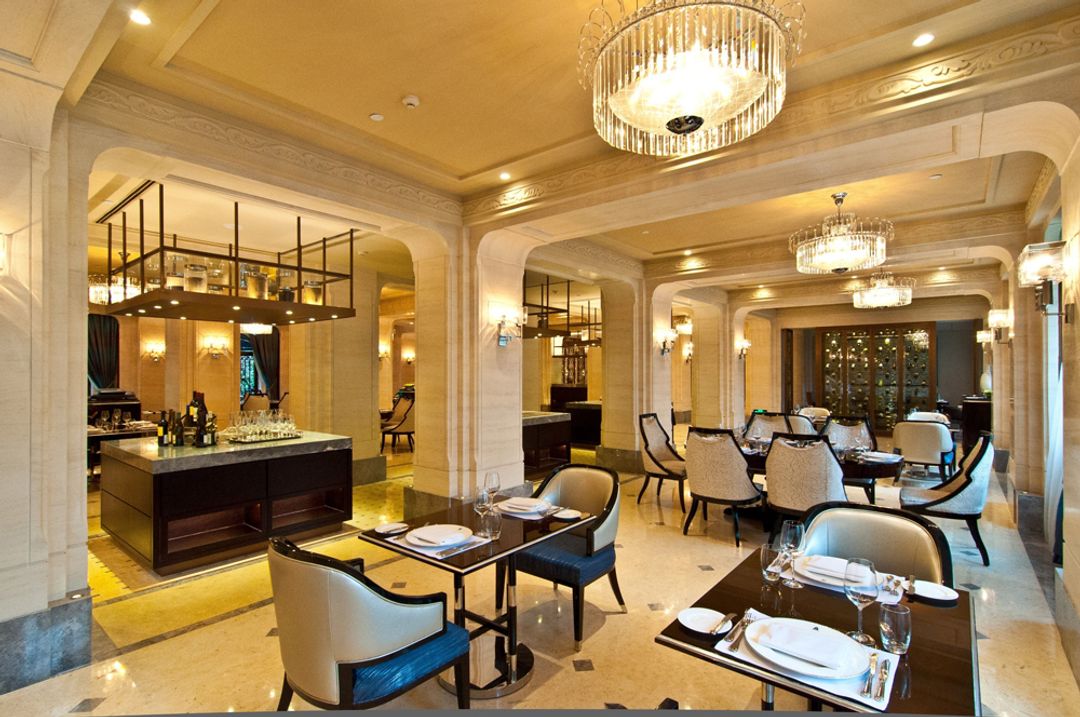
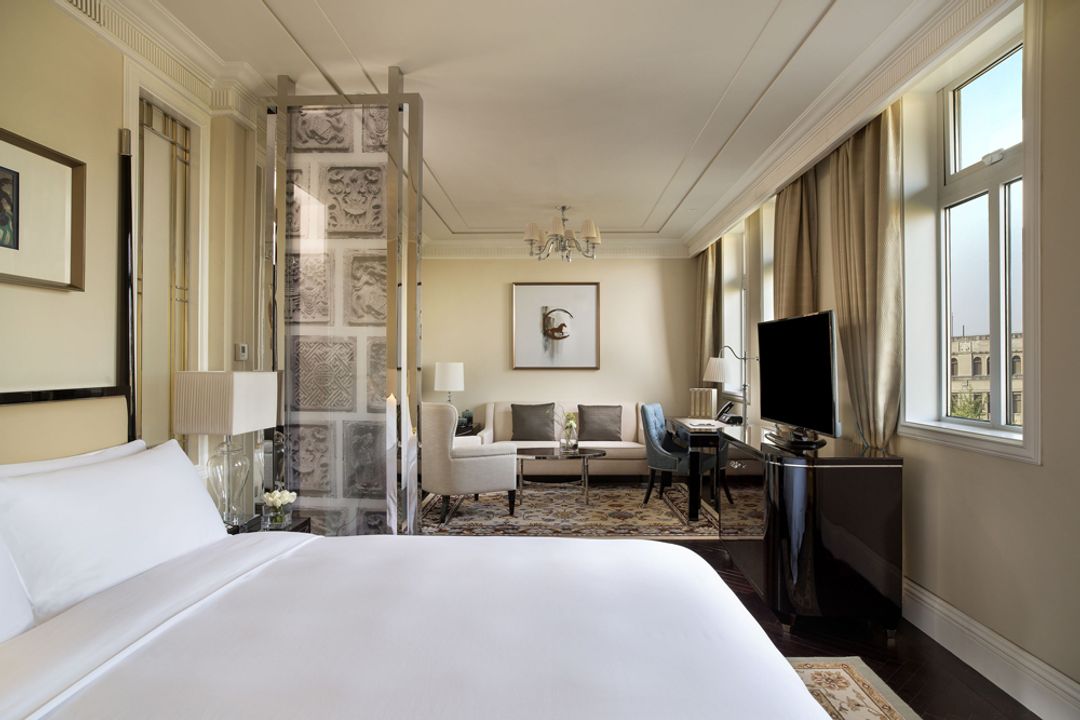
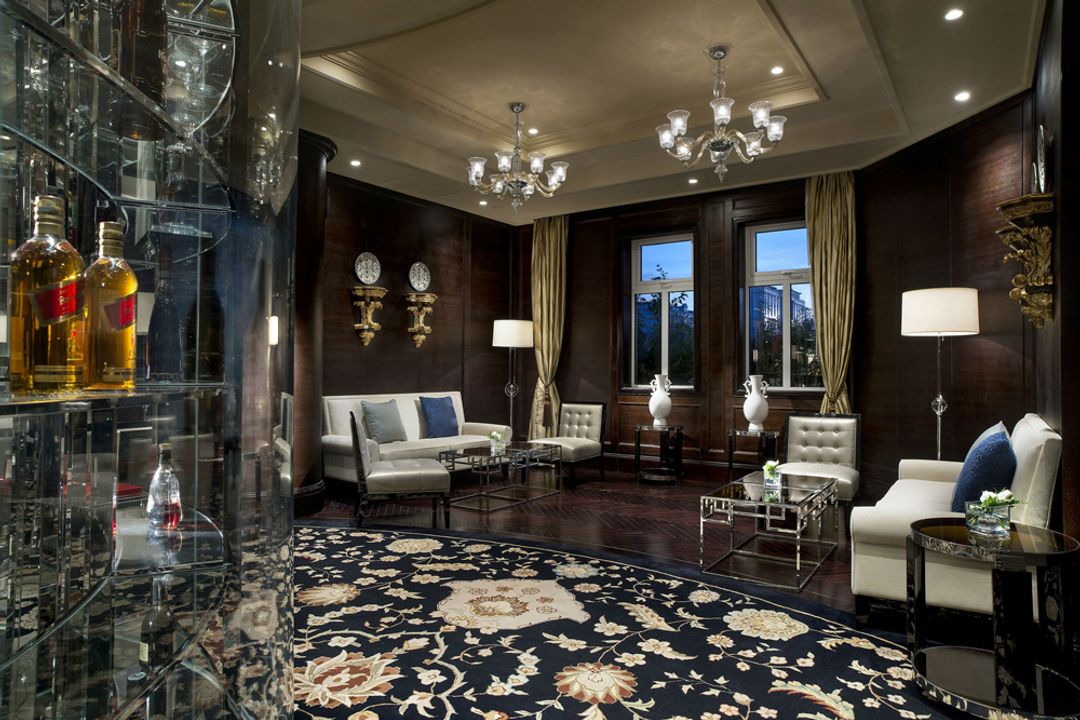
The Tang Dynasty capitals left Xi'an with something most Chinese cities would envy and struggle to use: an actual city wall, intact and walkable, enclosing a dense urban core where the medieval street grid still roughly holds. The Sofitel Legend Peoples Grand Hotel sits within those walls on Fenghao East Road, and its position is not incidental to its identity. The property occupies a mid-century building with Soviet-inflected monumentalism that the Sofitel Legend brand has treated as an asset rather than a liability, layering French-accented ceremony over a structure that itself references an earlier moment of Chinese state ambition. Staying here is to be inside history of a complicated and specific kind — Tang imperial legacy, Maoist civic architecture, and international hospitality standards occupying the same address. South of the walls, the Yanta District pulls the city's contemporary hospitality weight. The Ritz-Carlton Xi'an and Shangri-La Xi'an both anchor this corridor, the former occupying a sleek tower near the Big Wild Goose Pagoda with interiors that nod to Tang court aesthetics through material choices — lacquer tones, carved stone references — without sliding into pastiche. The Shangri-La operates at a slightly more transactional register, calibrated toward the business travelers and conference groups that move through this part of the city, but its lobby spaces gesture toward the same dynastic visual vocabulary that Yanta's proximity to the Tang heritage zone seems to demand. Together they form a cluster that tells you something about how Xi'an presents itself to the world: ancient authority dressed for a contemporary economy. The W Xi'an in Qu Jiang offers the sharpest tonal contrast in the portfolio. Qu Jiang is a planned cultural district built around Tang-era lake gardens that were restored and dramatically expanded in the 2000s, a kind of curated heritage landscape that functions partly as park, partly as urban real estate development. The W's signature maximalism — layered graphics, saturated materiality, the brand's characteristic refusal of restraint — sits in productive friction with its surroundings. It is the right hotel for travelers who want Xi'an's historical gravity as backdrop rather than atmosphere, who prefer the city's contemporary ambitions to its archaeological ones. The design-conscious traveler, depending on what they're actually after, will find in Xi'an a city where that question — old or new, inside the walls or beyond them — is never merely aesthetic.