Best hotels in Medellín, Colombia | Visually Compare Top Stays Side-by-Side
Welcome to PressBeyond - a curated visual guide to design-driven hotels and the fastest way to compare them.
An Overview of the Boutique & Luxury Hotel Landscape in Medellín, Colombia
Medellín rewards the traveler who arrives with a willingness to revise their assumptions. For decades the city's international image lagged badly behind its physical reality, and that gap has produced something unusual: a place genuinely transformed by architecture and urban infrastructure, where the civic investments of the past twenty years have become the most compelling sights in the city. The cable cars climbing into the comunas, the escalators threading through Commune 13, the Parque Biblioteca España (before its closure for structural repairs) designed by Giancarlo Mazzanti, the Jardín Botánico pavilion by the same architect — these are not decorations on a recovering city but evidence of a serious civic design culture that used public buildings and transit as instruments of equity. That ambition filters down into how the city looks and feels at street level, particularly in the districts where private development has followed public investment.
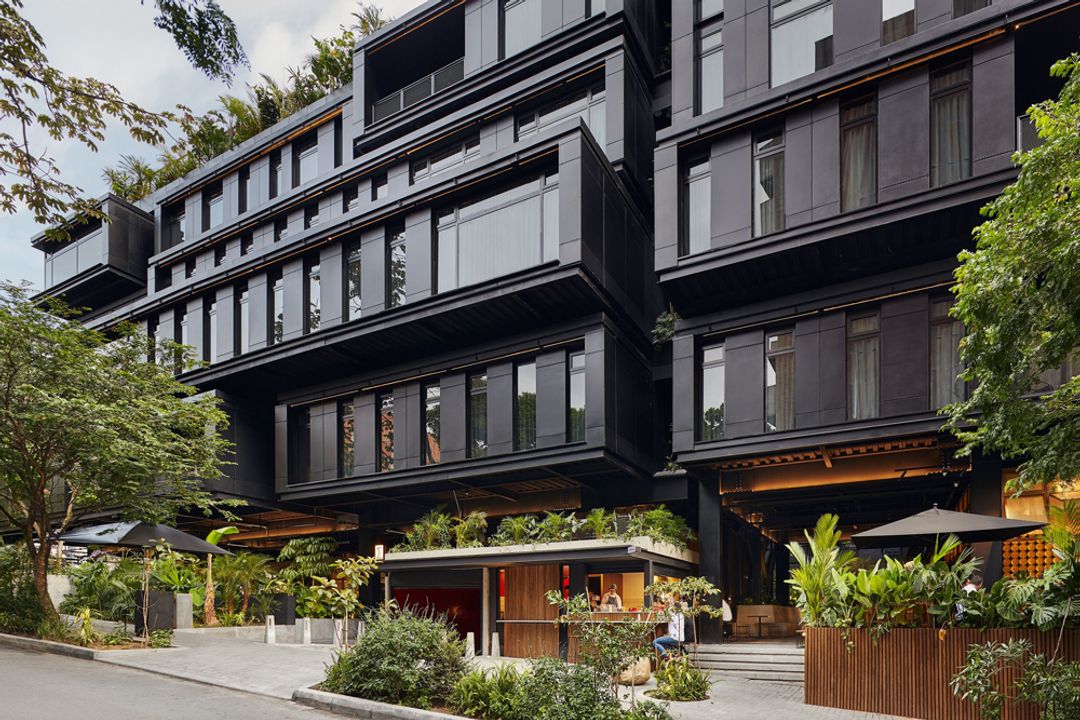
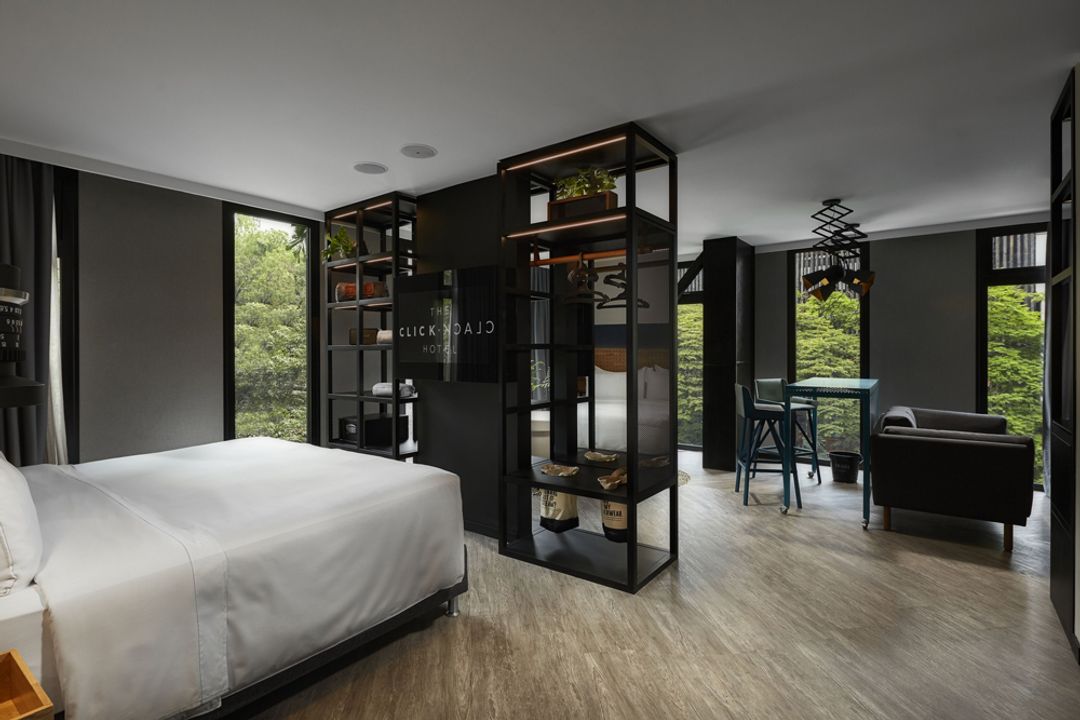
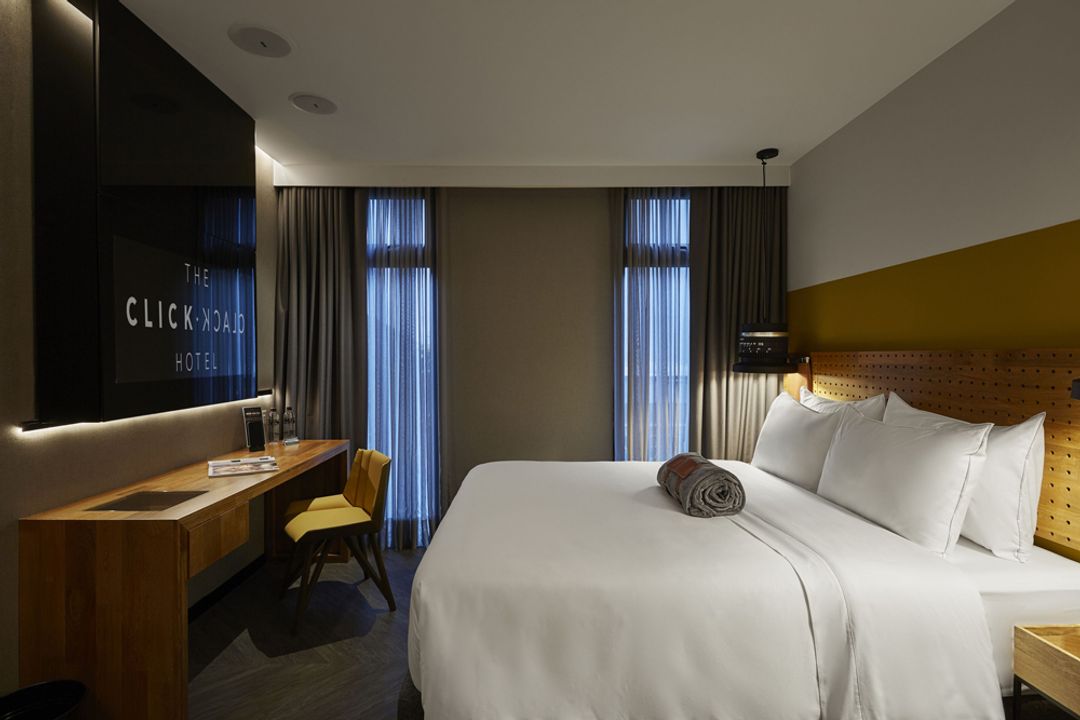
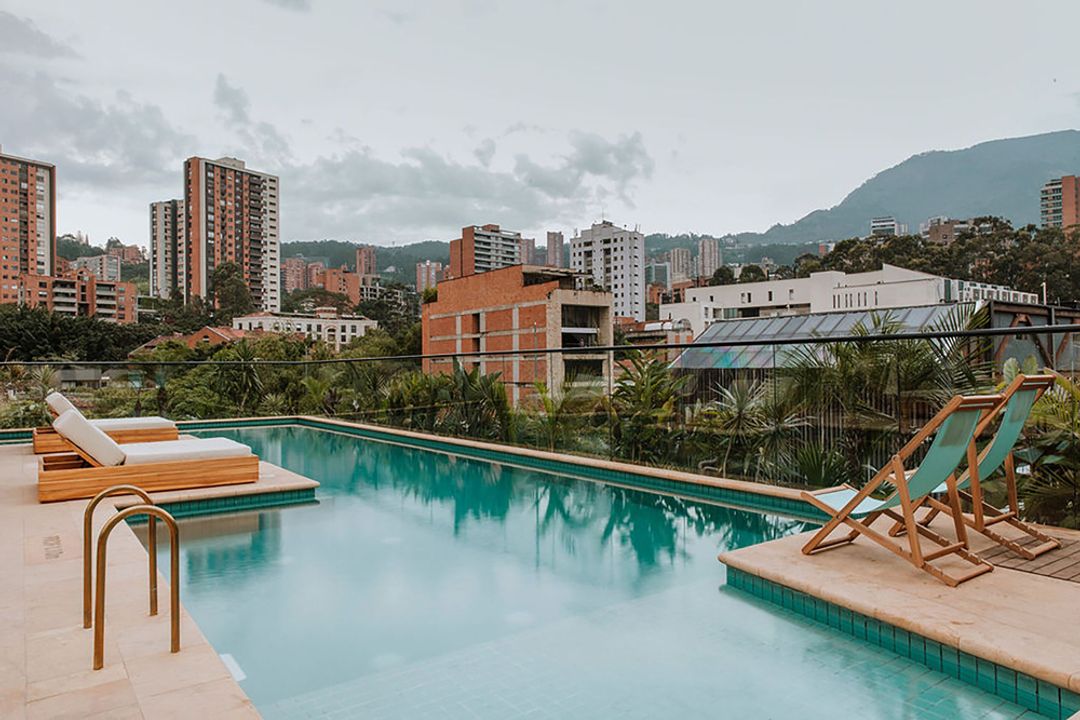
El Poblado sits at the commercial and social center of contemporary Medellín, a hillside neighborhood of dense tree cover, steep streets, and the concentrated majority of the city's better hotels and restaurants. It is not the most historically rooted part of the city, but it is where the energy runs highest, and for a visitor spending a short time here it remains the practical base. The Click Clack Hotel Medellín, which has a sibling property in Bogotá, plants itself firmly in this neighborhood with a sensibility that suits El Poblado's tempo: graphic, current, Colombian without being folkloric. The interiors work with bold color and local craft without tipping into pastiche, and the rooftop pool terrace holds one of the better views down into the valley. At around $210 a night it sits in a category that reflects El Poblado's positioning as the polished face of the new Medellín.
Anyone staying here who limits themselves to El Poblado will leave with only a partial picture of what makes the city worth the flight. The Metro cable system, still one of the more remarkable feats of social urbanism in Latin America, should be treated as a destination rather than transport, and the urban acupuncture projects scattered across the north and center of the city — libraries, parks, pedestrian infrastructure — constitute a body of work worth reading carefully. The Click Clack provides a well-considered base, but Medellín's most interesting architecture is, characteristically, outside the wealthiest neighborhood.