Best hotels in Dugi Otok | A Curated Visual Guide to Top Stays
Welcome to PressBeyond, the ultimate curated visual guide for design-driven hotels! My name is Will Miller and this is my recommendation for the best boutique and luxury hotel in Dugi Otok.
I am the founder of PressBeyond and I am an ultra-meticulous hotel curator who loves clean visuals. I have individually analyzed and tiered the hotel included in this guide based on a variety of criteria (architecture & design, location, brand & brand affiliation, existing reviews, and my own personal experiences), and importantly, I have hand-selected the leading imagery for this hotel to provide you with easily-digestible, yet detailed and complete, like-for-like, high-level visual profiles. I felt this summarization step was a critical missing piece across existing guides, blogs, and booking platforms. My aim is to make it easier for people to identify hotel environments that resonate with them, along with enabling them to visualize the types of social experiences that those environments help foster. My brain doesn't work when exposed to cluttered content, so my goal was to create the opposite.
Underneath this, we are also a full booking engine offering 5% Venmo cash back along with other exclusive perks. For all of you design-obsessed hotel enthusiasts out there, I hope this guide helps get you to where you see yourself!
An Overview of the Boutique & Luxury Hotel Landscape in Dugi Otok
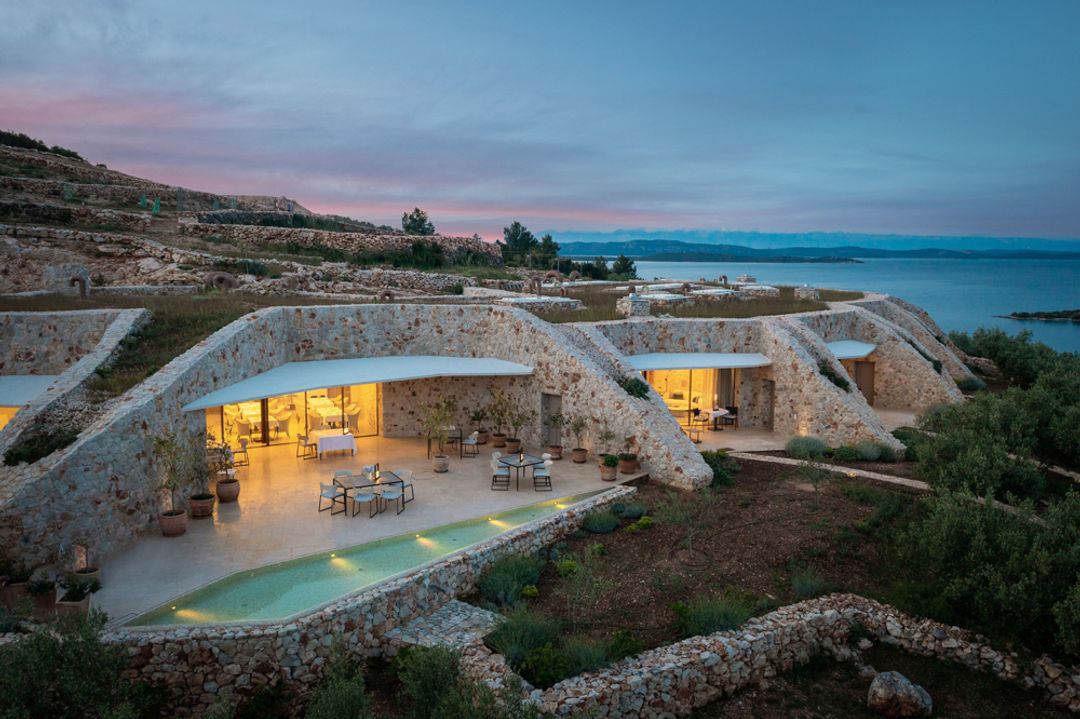
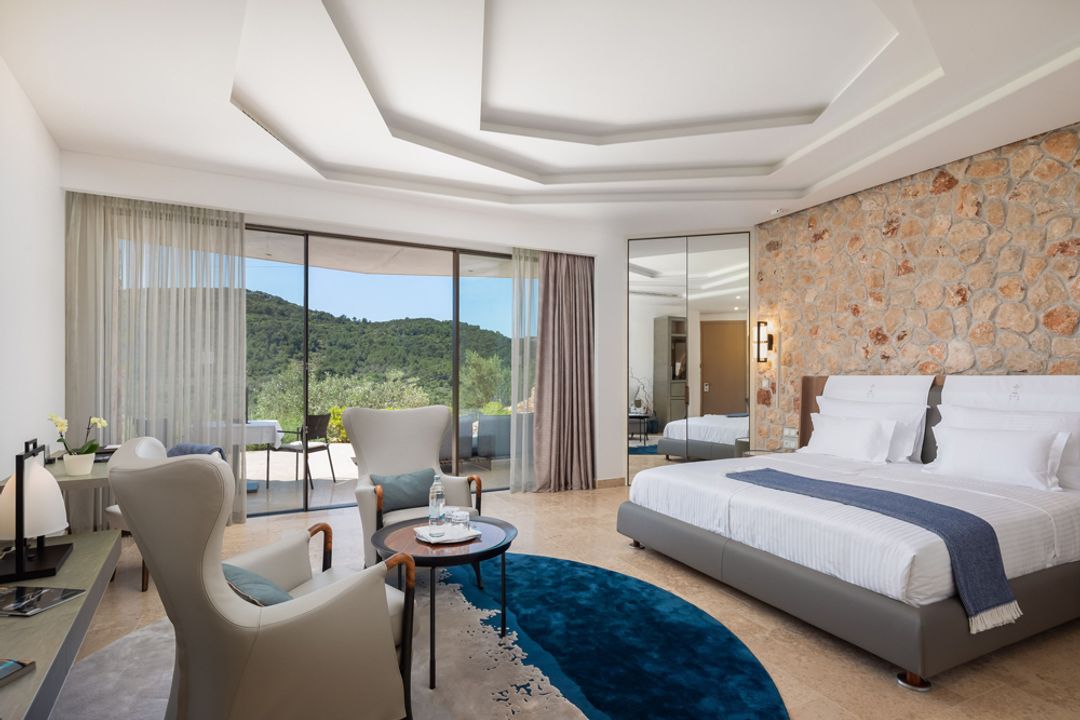
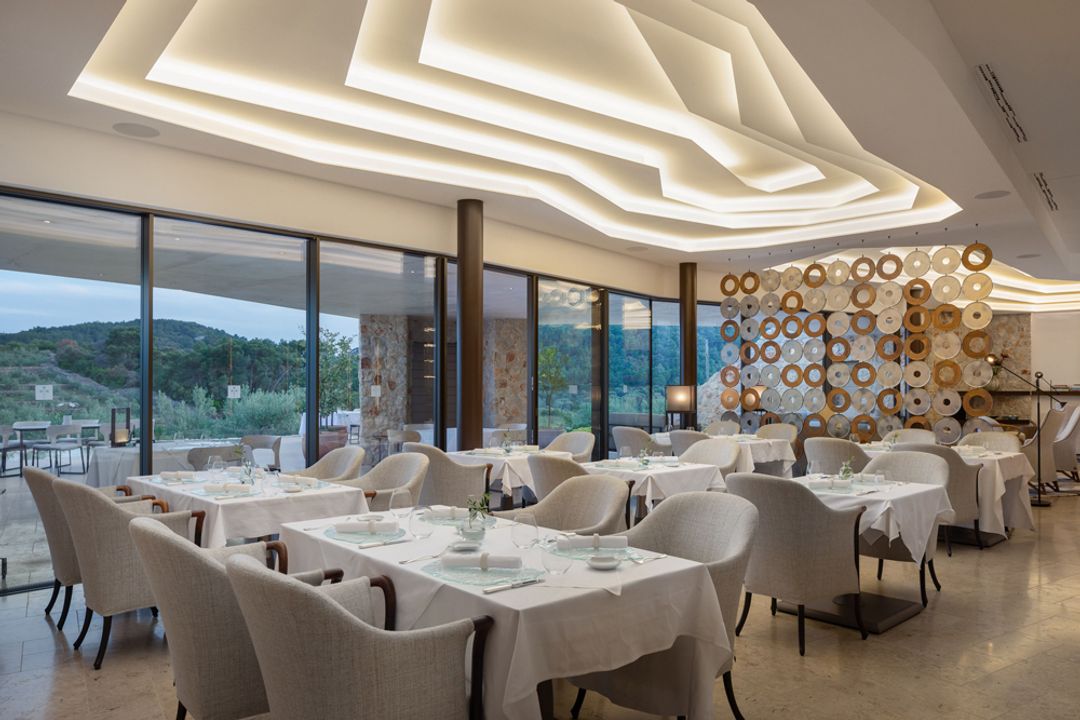
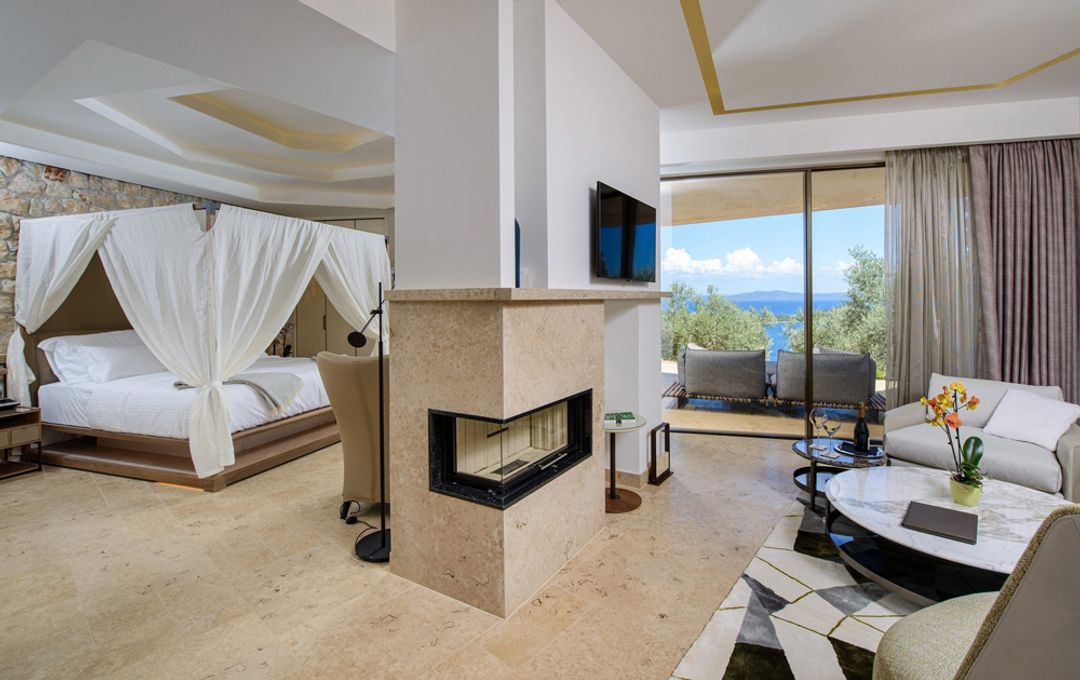
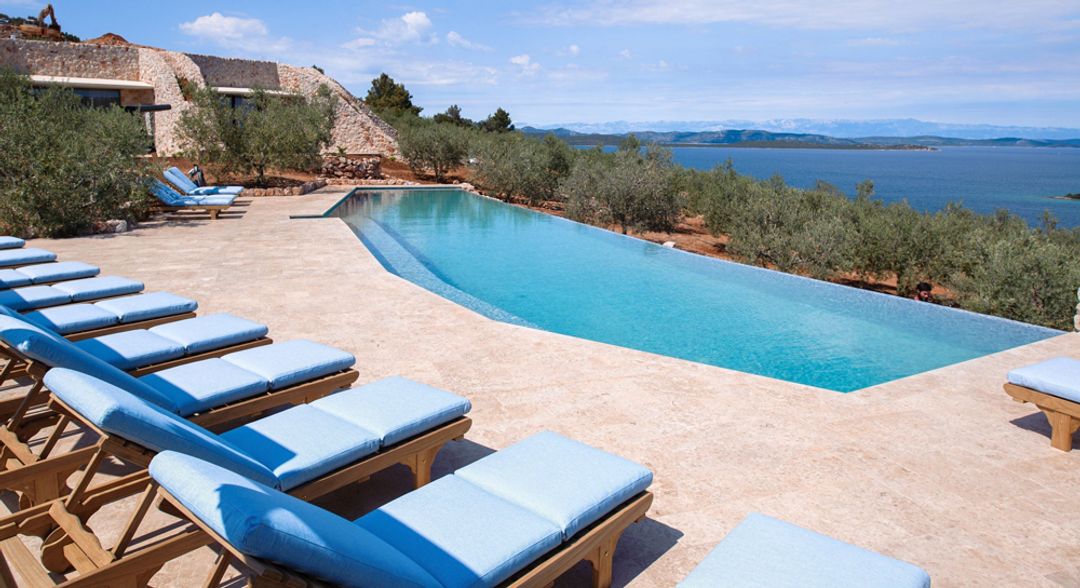
Dugi Otok is the kind of place that makes most design thinking feel beside the point. The longest island in the Zadar archipelago — its name translates simply as Long Island — it runs for nearly fifty kilometers along the Dalmatian coast with a population that rarely exceeds 1,800 people across its scattered settlements. There are no grand historic hotels here, no Belle Époque promenades, no layered architectural inheritance from competing empires, though the Venetians and then the Austro-Hungarians certainly passed through. What the island has instead is a particular quality of light, a karst interior that shifts from pine and scrub to dramatic cliffs, and a western coastline that drops into some of the clearest water in the Adriatic. The natural park at Telašćica, with its saltwater lake and sheer sea-facing cliffs, sits at the southern end of the island and does more for the argument that one should come here than any building could. Which makes the design proposition of Villa Nai 3.3, set above the small settlement of Žman in the island's interior, genuinely interesting rather than merely convenient. The property was conceived not as a resort seeking to extract maximum yield from its position but as something closer to a considered inhabitation of the landscape. The architecture works with the island's vernacular stone construction while pushing toward a contemporary restraint — terraced into the hillside, oriented toward the sea, disciplined in its material palette. There are only a handful of suites, an outdoor pool that reads more as water element than amenity, and an approach to hospitality that privileges quiet and privacy over programmed experience. At $880 a night it sits firmly in the over-the-top category, but the rate reflects scarcity and specificity rather than spectacle. Žman itself is not a destination — it is a quiet agricultural village, its stone houses reflecting the same building logic that has organized Dalmatian settlements for centuries. That ordinariness is part of what makes Villa Nai 3.3 work. The island resists the conventions of Croatian coastal tourism, which in high season along the Makarska Riviera or the islands closer to Split can feel thoroughly consumed. Dugi Otok remains genuinely remote by comparison, and Villa Nai 3.3 is the precise reason a design-conscious traveler would choose it over the more legible alternatives.