Best hotels in Zadar | A Curated Visual Guide to Top Stays
Welcome to PressBeyond, the ultimate curated visual guide for design-driven hotels! My name is Will Miller and this is my recommendation for the best boutique and luxury hotel in Zadar.
I am the founder of PressBeyond and I am an ultra-meticulous hotel curator who loves clean visuals. I have individually analyzed and tiered the hotel included in this guide based on a variety of criteria (architecture & design, location, brand & brand affiliation, existing reviews, and my own personal experiences), and importantly, I have hand-selected the leading imagery for this hotel to provide you with easily-digestible, yet detailed and complete, like-for-like, high-level visual profiles. I felt this summarization step was a critical missing piece across existing guides, blogs, and booking platforms. My aim is to make it easier for people to identify hotel environments that resonate with them, along with enabling them to visualize the types of social experiences that those environments help foster. My brain doesn't work when exposed to cluttered content, so my goal was to create the opposite.
Underneath this, we are also a full booking engine offering 5% Venmo cash back along with other exclusive perks. For all of you design-obsessed hotel enthusiasts out there, I hope this guide helps get you to where you see yourself!
An Overview of the Boutique & Luxury Hotel Landscape in Zadar
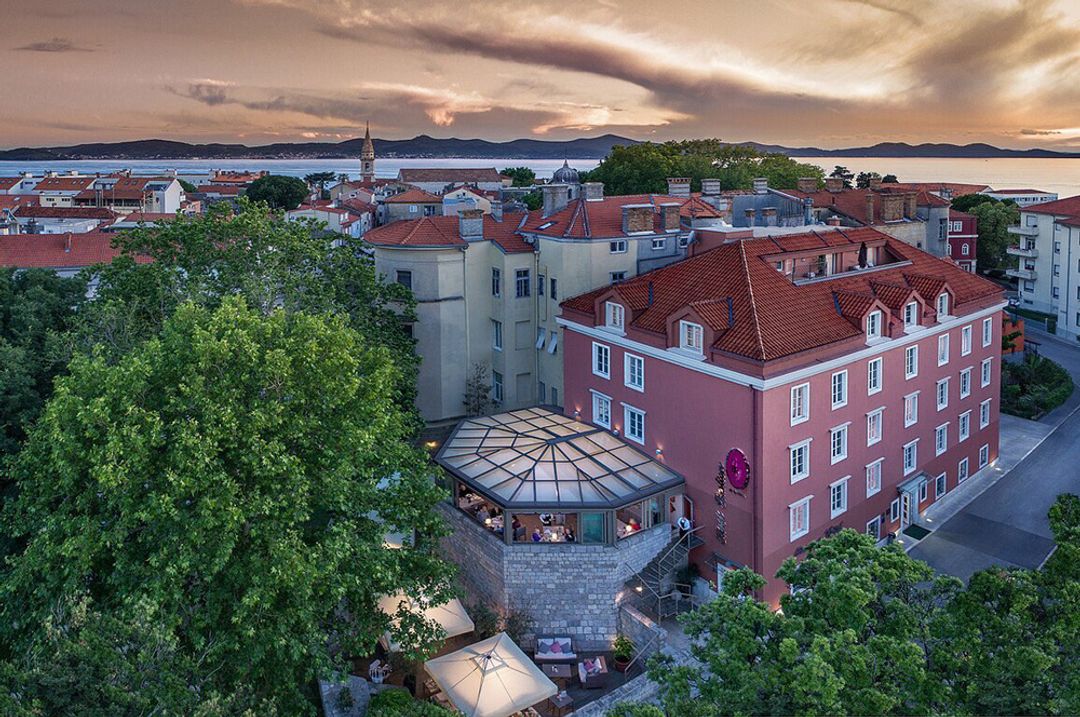
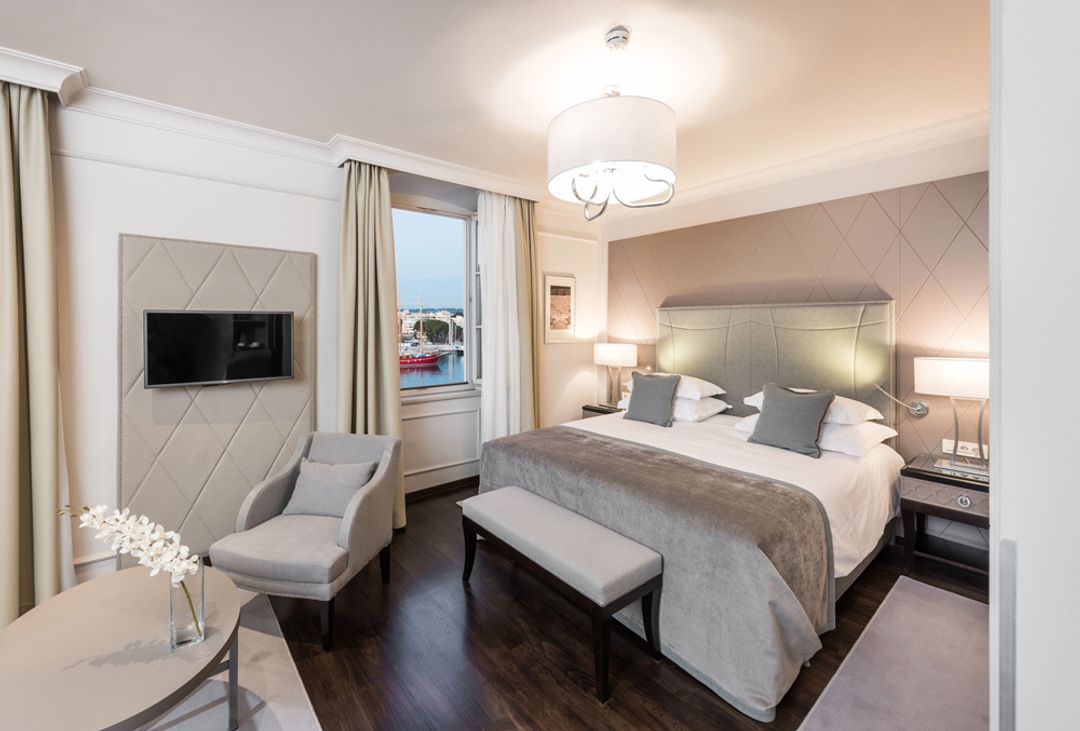
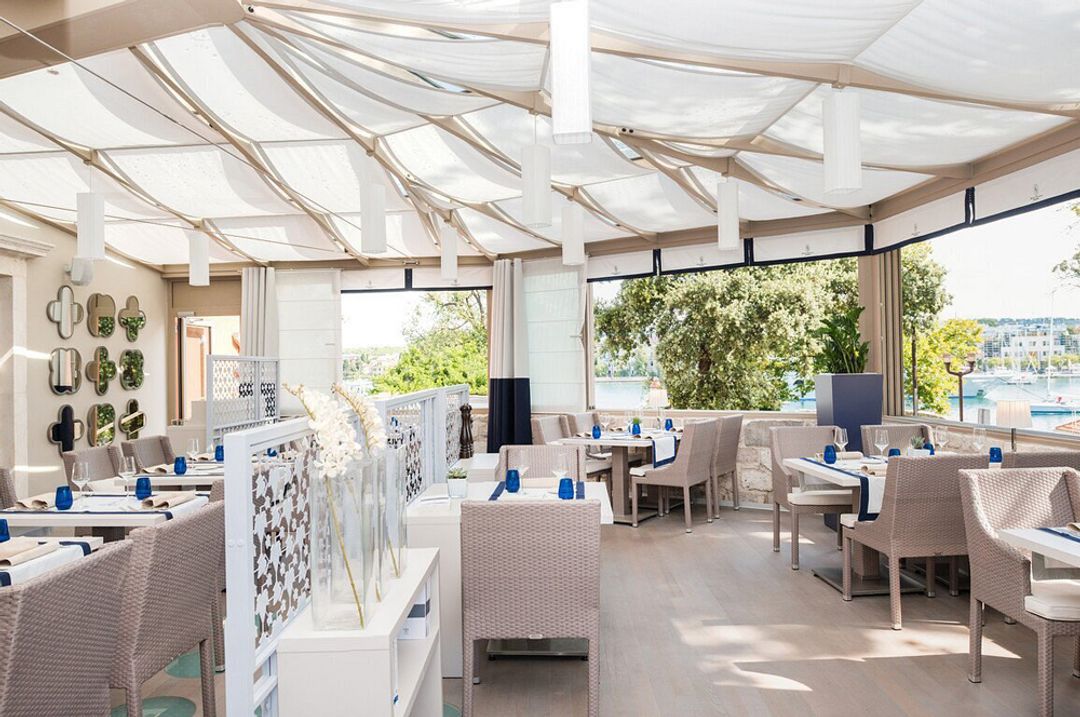
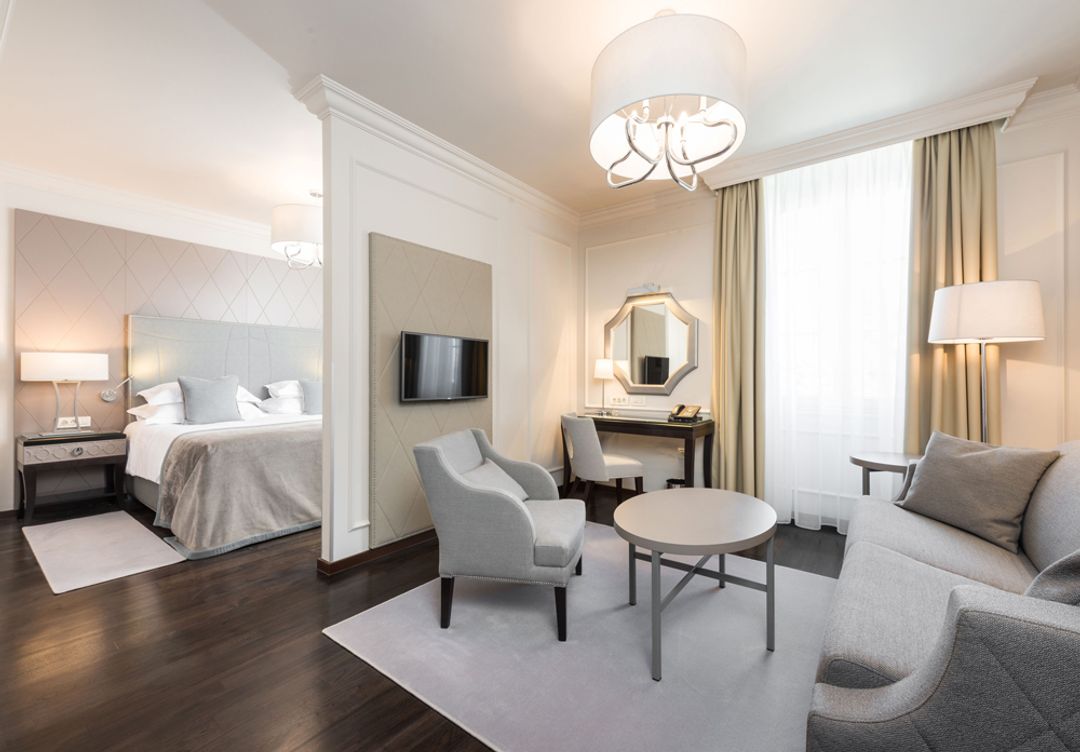
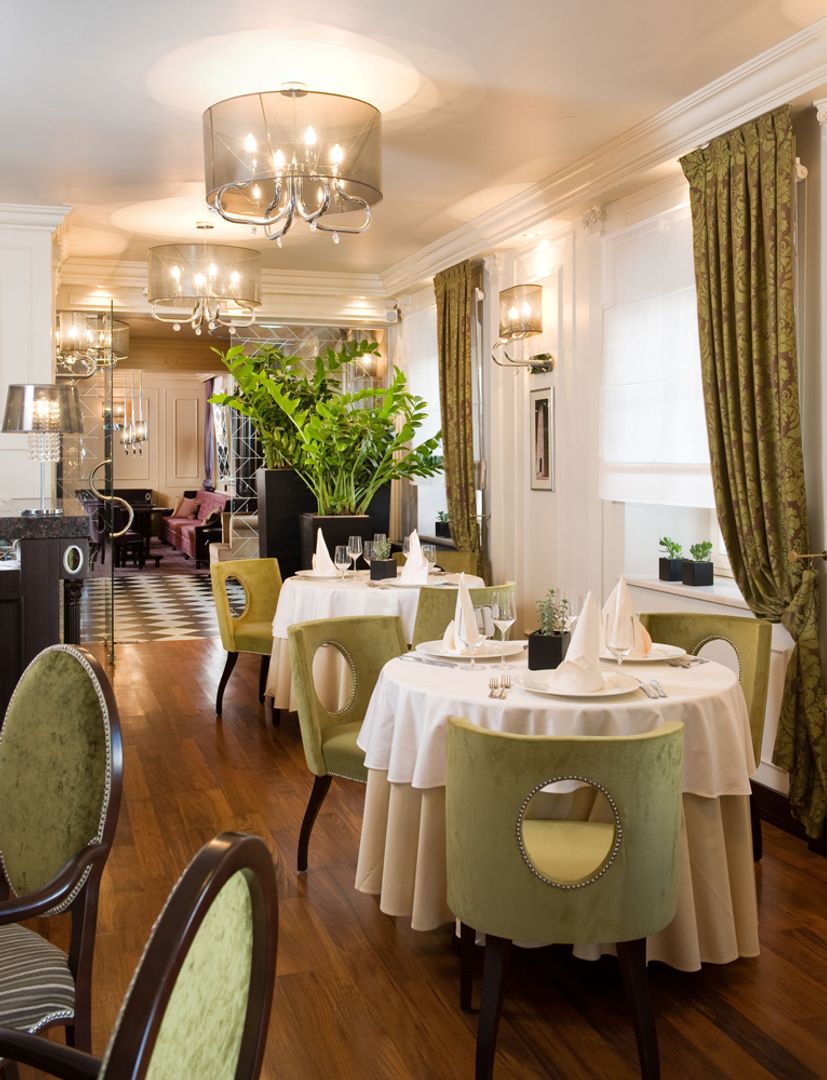
Zadar operates on a scale that rewards the traveler willing to slow down. The old town sits on a narrow Roman peninsula jutting into the Adriatic, its street grid still following the cardo and decumanus laid down two millennia ago, its piazzas interrupted by Venetian campaniles and the peculiar ninth-century rotunda of the Church of St. Donatus — a building so geometrically strange and so completely itself that it tends to stop first-time visitors mid-stride. The stone here is the same pale limestone that lines the Forum ruins immediately adjacent, and on overcast afternoons the whole historic core takes on a silvery, almost monochromatic quality that makes the occasional blast of bougainvillea feel like a deliberate compositional choice. It is worth noting that Zadar is not Dubrovnik, which sounds like faint praise but is not meant to be. The city is less curated, less besieged by summer crowds, and still capable of genuine surprise — Alfred Hitchcock famously called its sunsets the most beautiful in the world, a claim best tested from the waterfront promenade near Nikola Bašić's 2005 Sea Organ, an architectural installation that translates wave motion into low harmonic sound through pipes built into the stone quay. This is a city comfortable with the idea that its best experiences are structural, durational, experienced on foot. Hotel Bastion Zadar sits within the historic core, occupying a restored fifteenth-century Venetian fortification — part of the city's old defensive walls — and it is the most coherent way to stay inside the fabric of old Zadar rather than adjacent to it. The integration of contemporary interiors into the existing masonry is handled with restraint; there is no aggressive contrast between old stone and new furnishings, which in lesser hands tends to read as a brief for a design magazine rather than a livable space. At around $131 per night, it positions itself as a high-quality stay without the pricing pressure of Croatia's more trafficked destinations. For a design-conscious traveler, the argument for Hotel Bastion is straightforward: the building itself is the experience, the neighborhood is walkable to everything of architectural consequence, and Zadar remains a city where that kind of attentiveness still feels like discovery rather than routine tourism.