Best hotels in Oxfordshire | A Curated Visual Guide to Top Stays
Welcome to PressBeyond, the ultimate curated visual guide for design-driven hotels! My name is Will Miller and this is my recommendation for the best boutique and luxury hotel in Oxfordshire.
I am the founder of PressBeyond and I am an ultra-meticulous hotel curator who loves clean visuals. I have individually analyzed and tiered the hotel included in this guide based on a variety of criteria (architecture & design, location, brand & brand affiliation, existing reviews, and my own personal experiences), and importantly, I have hand-selected the leading imagery for this hotel to provide you with easily-digestible, yet detailed and complete, like-for-like, high-level visual profiles. I felt this summarization step was a critical missing piece across existing guides, blogs, and booking platforms. My aim is to make it easier for people to identify hotel environments that resonate with them, along with enabling them to visualize the types of social experiences that those environments help foster. My brain doesn't work when exposed to cluttered content, so my goal was to create the opposite.
Underneath this, we are also a full booking engine offering 5% Venmo cash back along with other exclusive perks. For all of you design-obsessed hotel enthusiasts out there, I hope this guide helps get you to where you see yourself!
An Overview of the Boutique & Luxury Hotel Landscape in Oxfordshire
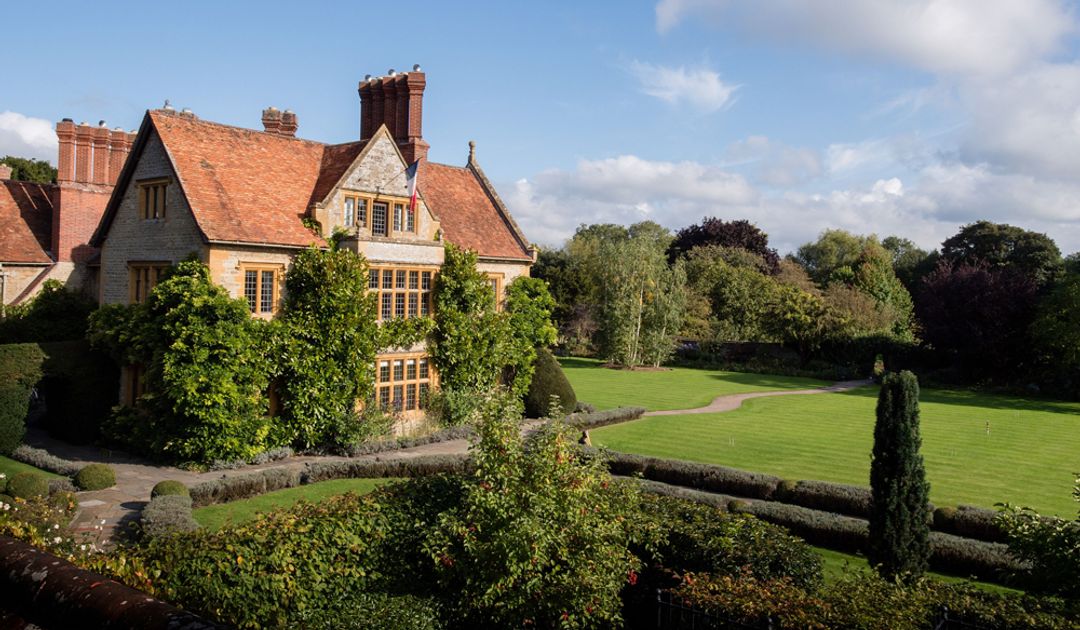
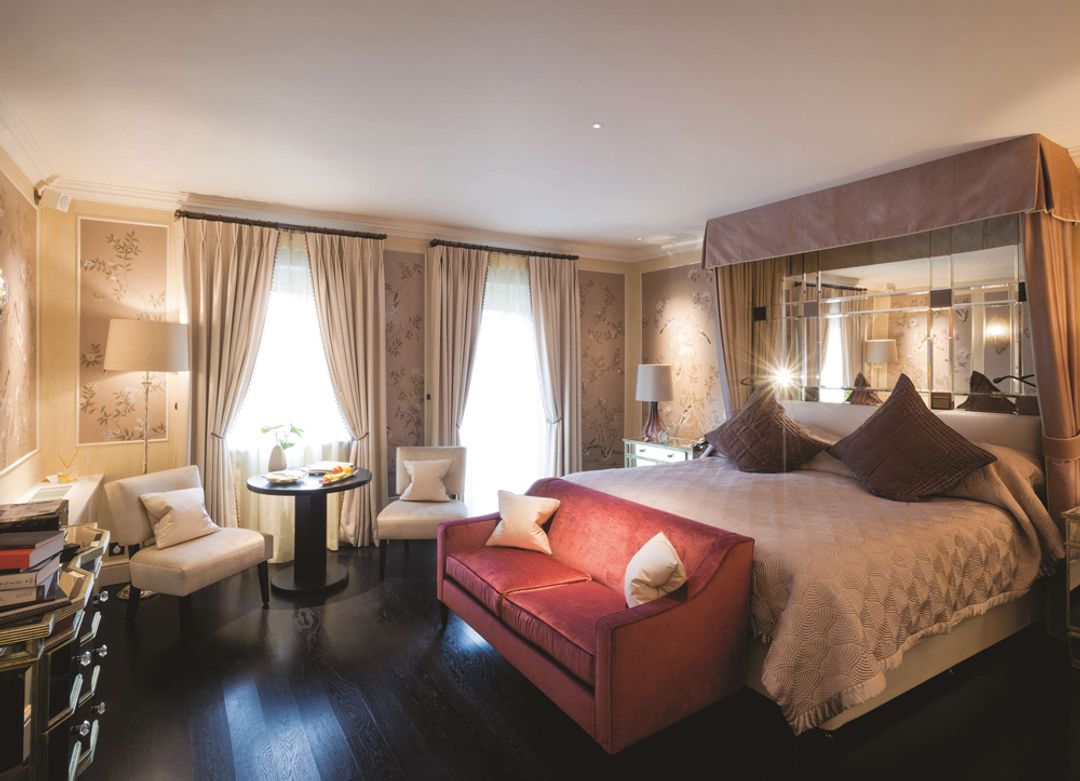
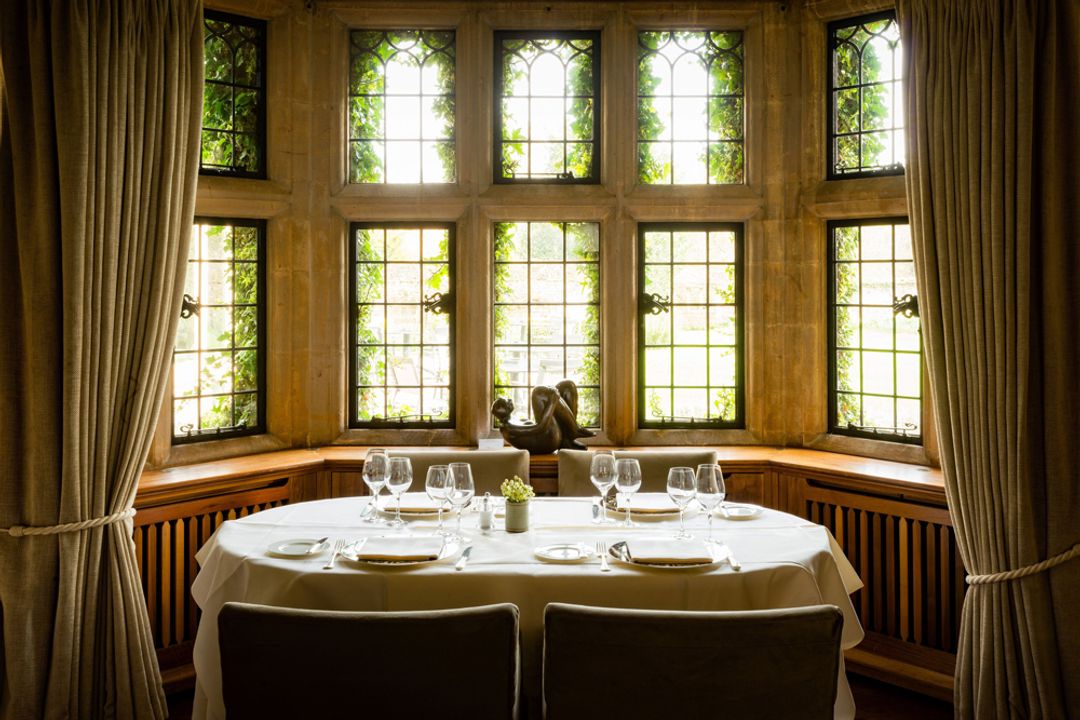
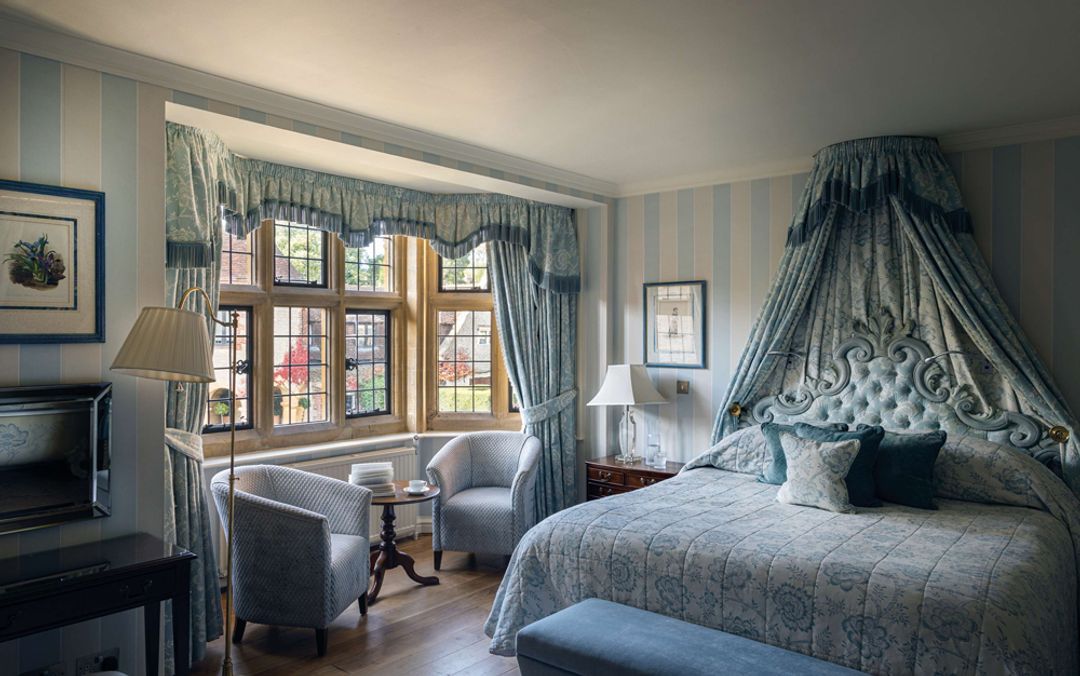
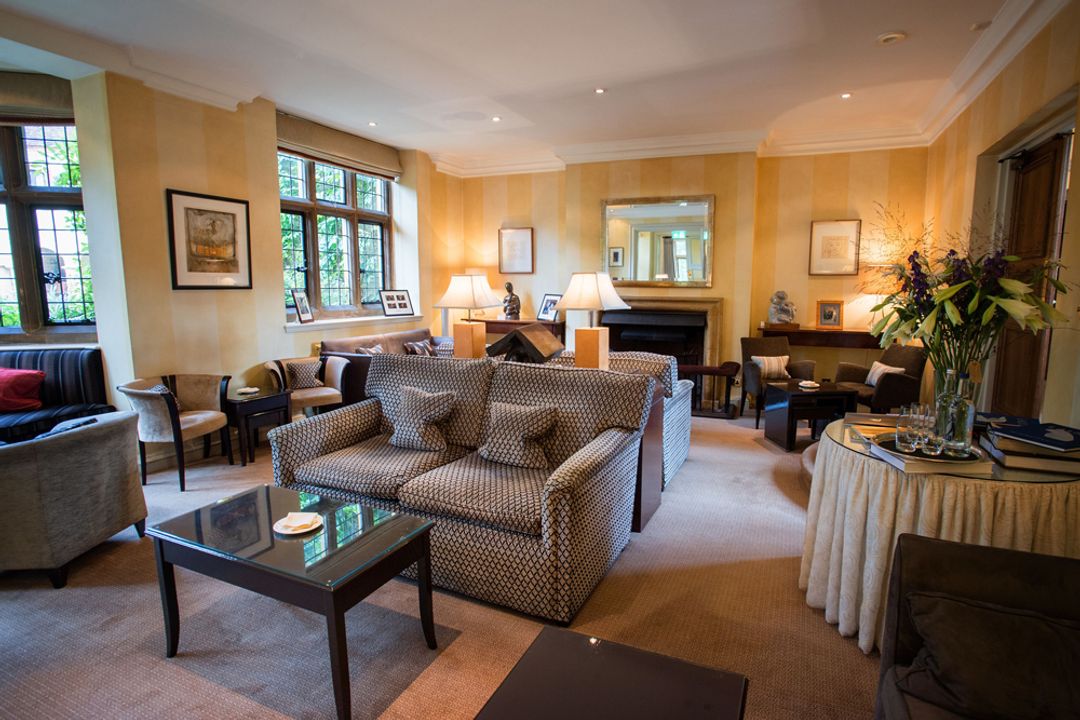
The Cotswold edge of Oxfordshire moves at a pace that feels genuinely indifferent to contemporary urgency. Honey-colored limestone villages sit in shallow valleys, their geometries unchanged in centuries — not as preservation projects but simply as places that found their form and stayed there. Great Milton, a small parish south of the M40 corridor, would be unremarkable on most maps were it not for the presence of Raymond Blanc's Le Manoir aux Quat'Saisons, which has occupied a 15th-century manor house here since 1984 and accumulated, in the decades since, a particular weight in the English imagination that goes well beyond its two Michelin stars. As a Belmond property, Le Manoir operates within a portfolio that has learned, mostly well, how to steward historic buildings without reducing them to stage sets. The manor itself is a Grade II listed structure of Cotswold stone, and the interiors move between periods with a confidence that avoids the usual English country house trap of curatorial paralysis — nothing feels roped off. What distinguishes it from the grander country house hotels of Berkshire or Wiltshire is its specific relationship to the kitchen garden, two acres of it, which functions less as an amenity than as the organizing logic of the entire place. Blanc planted it himself, and it remains the thread that connects the architecture, the food, the guest rooms, and the broader experience into something coherent rather than merely expensive. The rooms and suites, many of which open directly onto the gardens, have been developed and refined over decades by successive design interventions, some more resolved than others, but the cumulative effect is of a house that has been genuinely lived in rather than art-directed into a single moment. Oxfordshire more broadly rewards travelers who read buildings rather than simply occupy them. Oxford itself contains some of the finest medieval and Baroque collegiate architecture in northern Europe — Wren's Sheldonian, Hawksmoor's work at All Souls and Queen's — and the landscape between the city and the Chiltern escarpment carries its own compressed design history, from Capability Brown parklands to the modest brutalism of mid-century Oxfordshire County Council housing. Le Manoir sits apart from all of that, geographically and temperamentally, but it earns its place in any account of the county's material intelligence. It is, without much qualification, the reason to stay.