Best hotels in Burgundy, France | Visually Compare Top Stays Side-by-Side
Welcome to PressBeyond - a curated visual guide to design-driven hotels and the fastest way to compare them.
An Overview of the Boutique & Luxury Hotel Landscape in Burgundy, France
Burgundy does not offer a hotel culture built around cities. It offers something more specific: the vineyards themselves, the walled villages, the limestone plateau, and the quiet roads between them. The three properties on this platform reflect that geography honestly. Each sits within a distinct pocket of the region, and choosing between them is less a question of budget than of what kind of Burgundian experience you want to anchor your days.
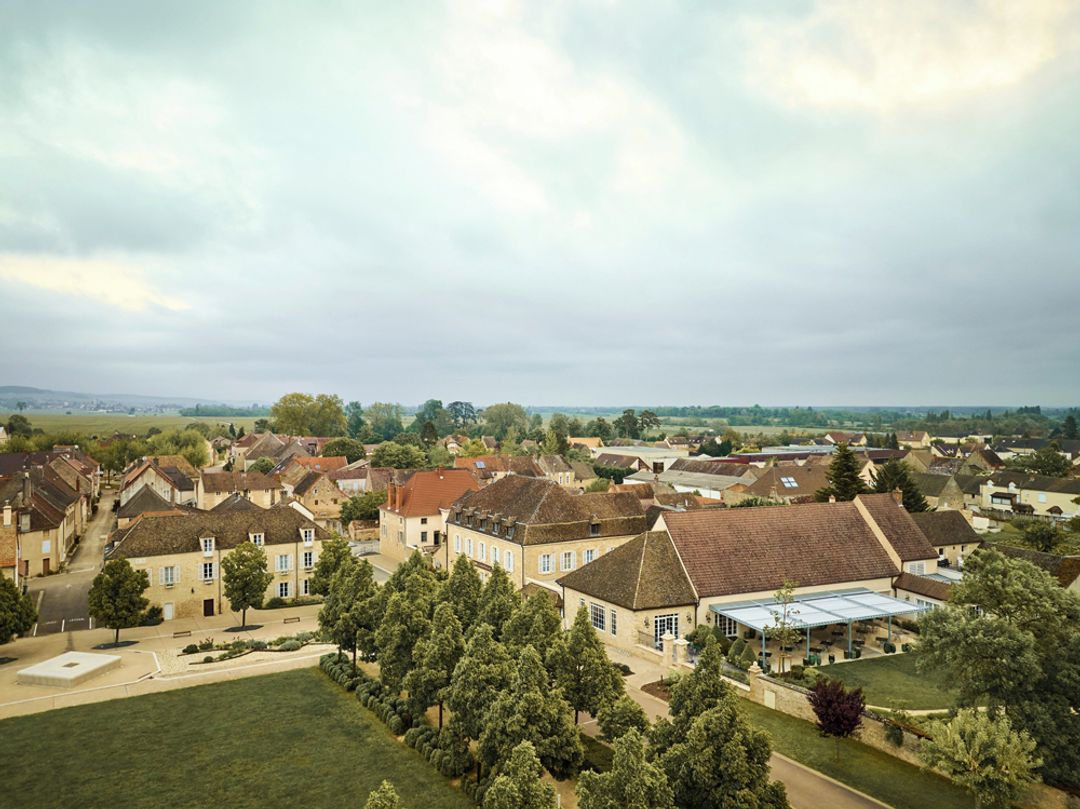
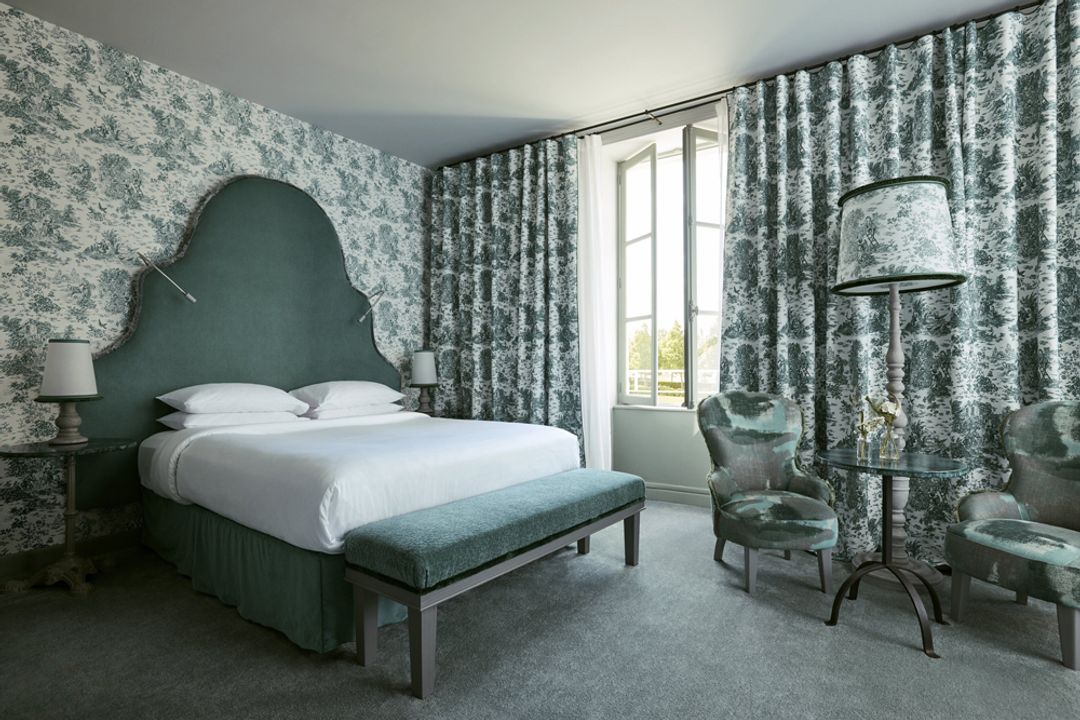
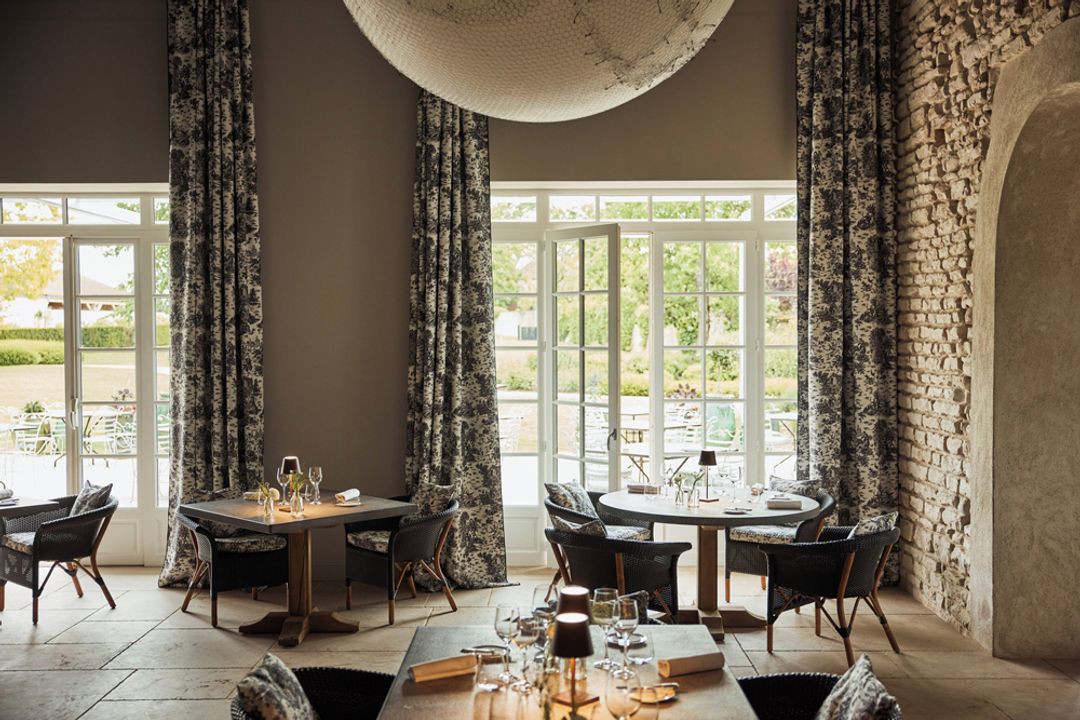
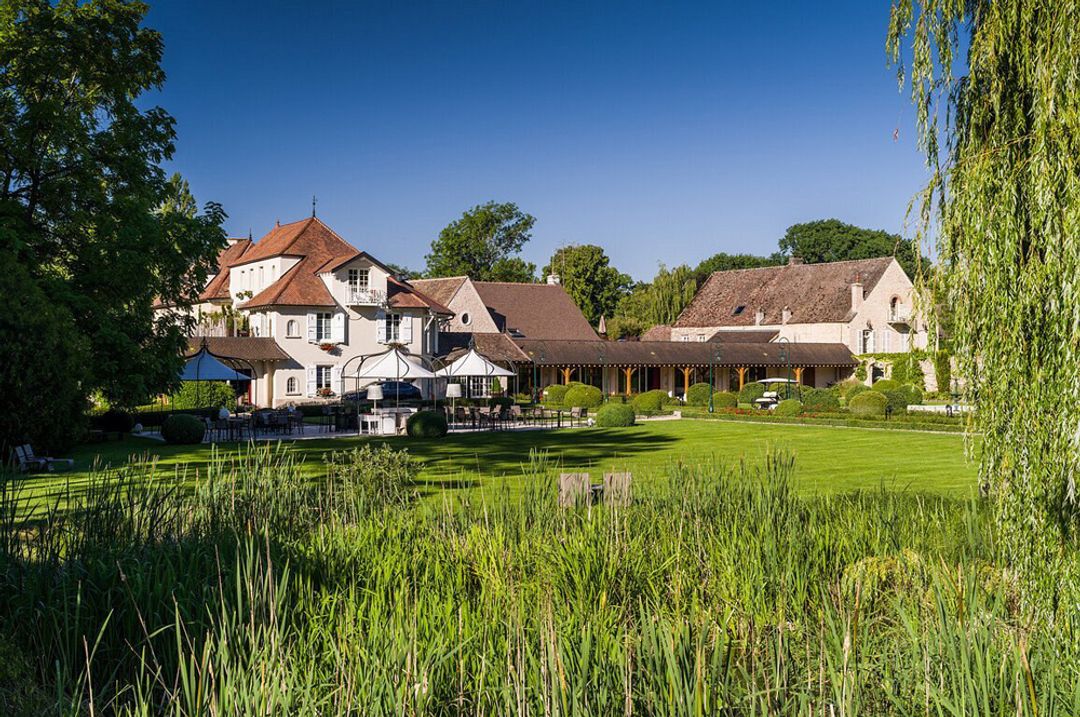
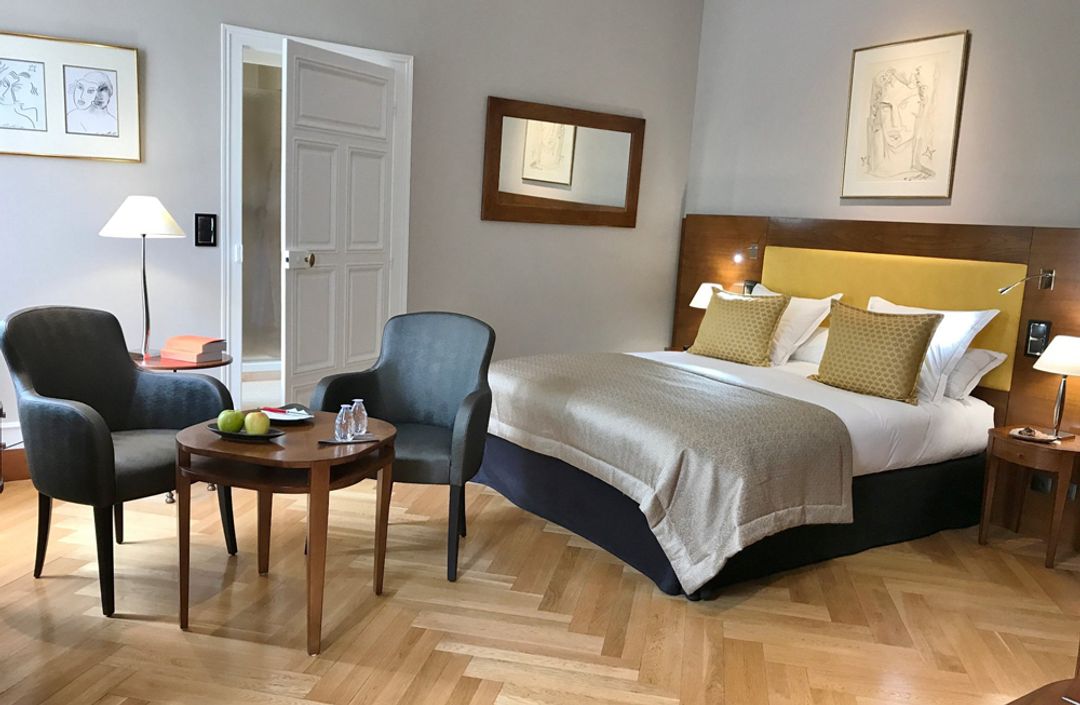
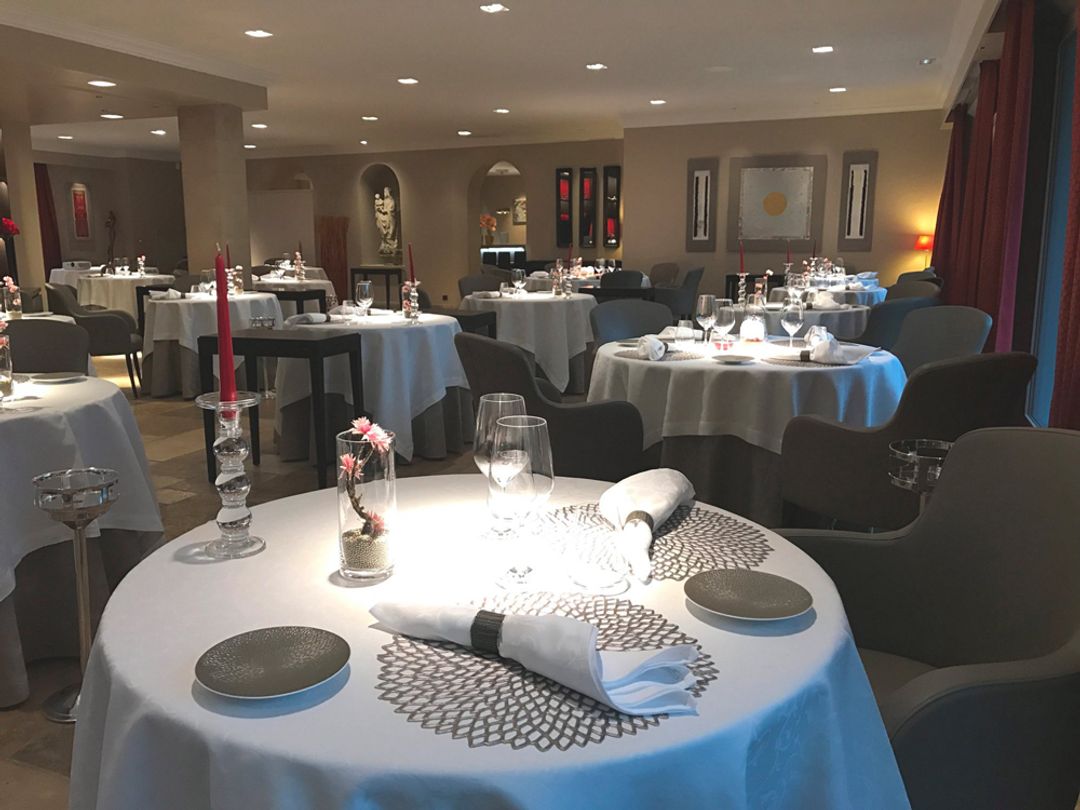
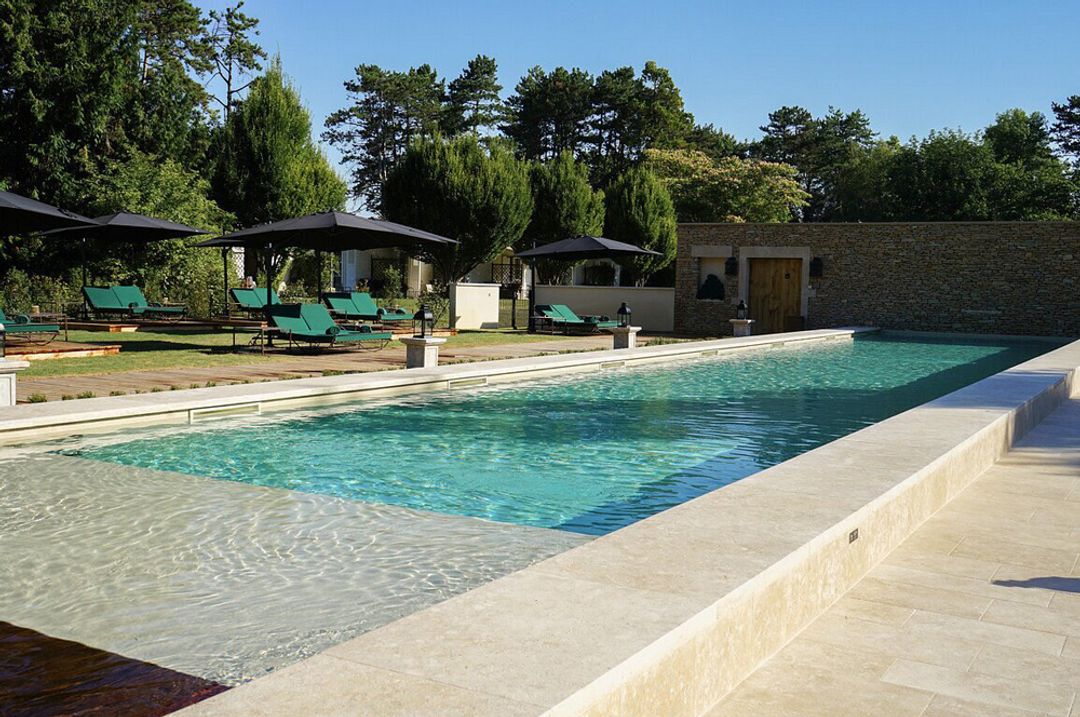
In the Côte de Beaune, where the grands crus of Puligny-Montrachet and Chassagne occupy some of the most valuable agricultural land in the world, COMO Le Montrachet positions itself directly inside that terrain. The hotel, which COMO renovated and refined to its characteristic register of clean materials and unobtrusive comfort, sits in the village of Puligny-Montrachet, a few minutes' walk from the cellars that produce the wines most people come to Burgundy to understand. The intimacy here is genuine: the scale is small, the architecture is quietly Burgundian in its pitched rooflines and stone coursing, and the surrounding village has not been dressed up for tourists. A few kilometers toward Beaune, the Hostellerie de Levernois occupies a parkland setting that offers something different in temperament. A converted manor in the commune of Levernois, it leans into the horticultural gentleness of its grounds rather than making any sharp design statement. It suits the traveler who wants Beaune, the culinary capital of the region, within easy reach without sleeping inside the town's bustle.
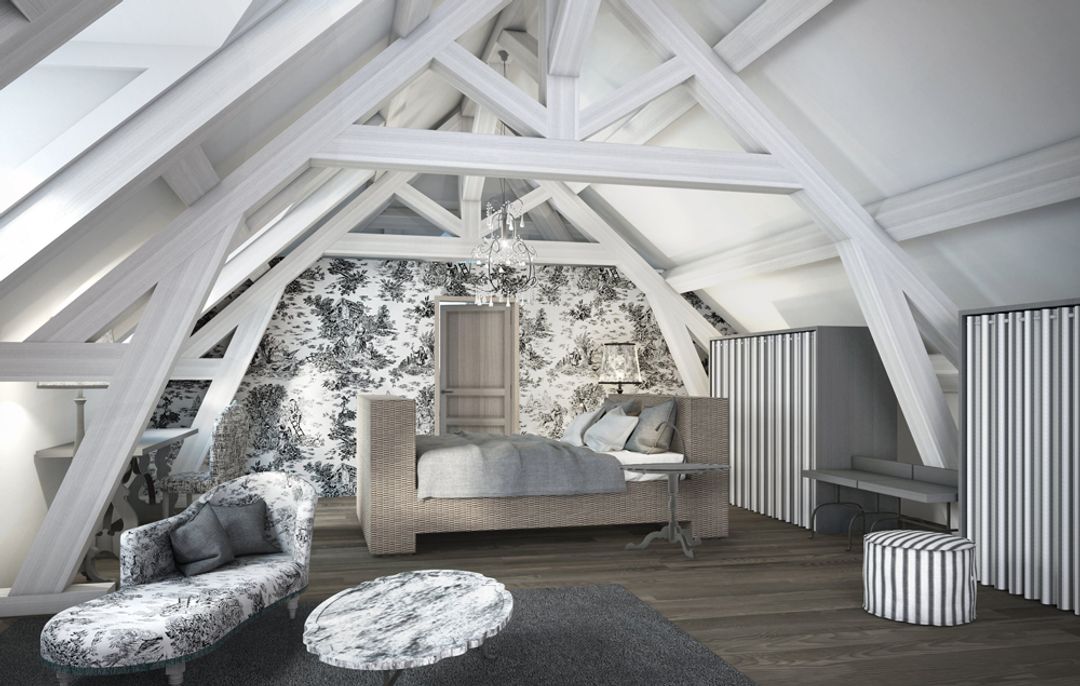
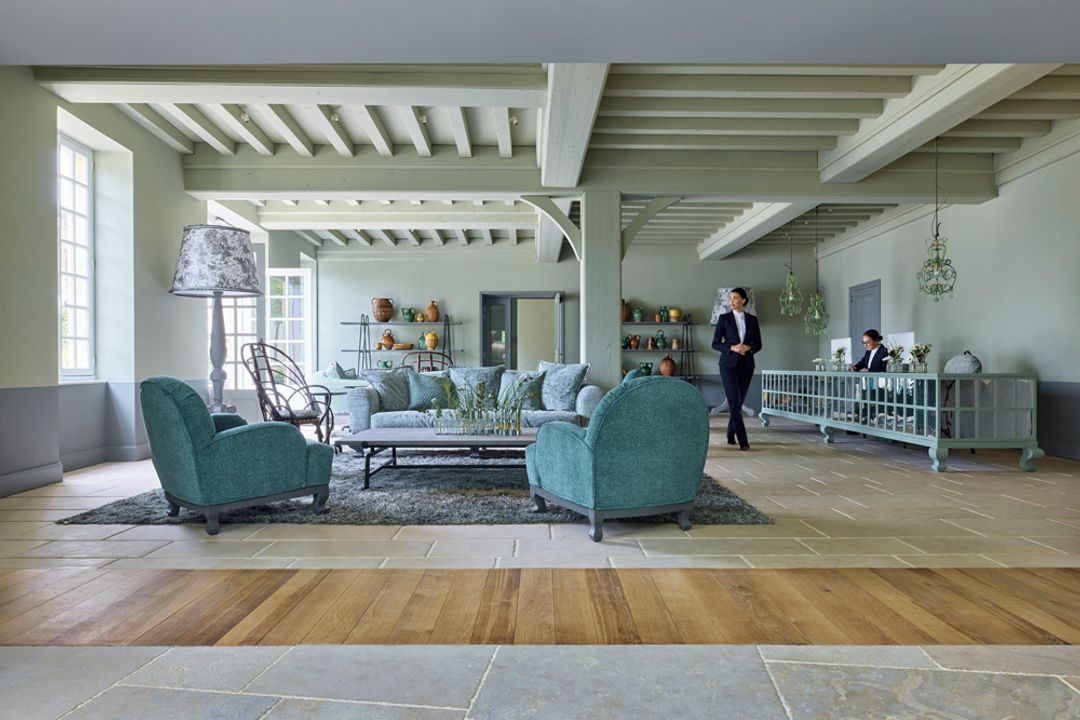
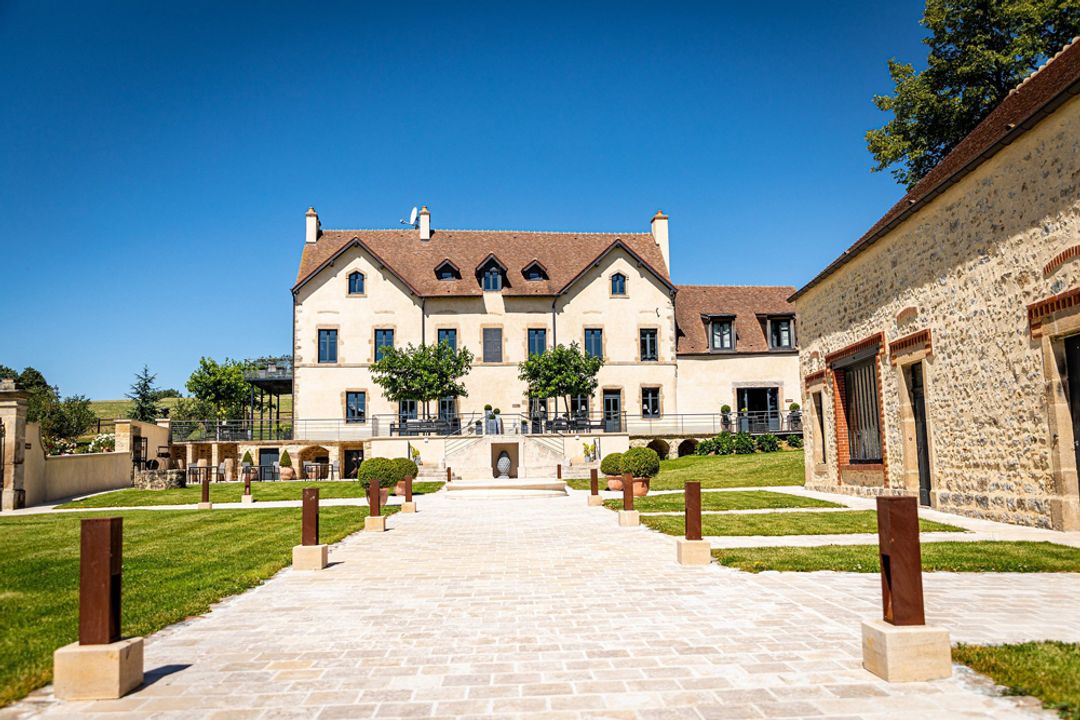
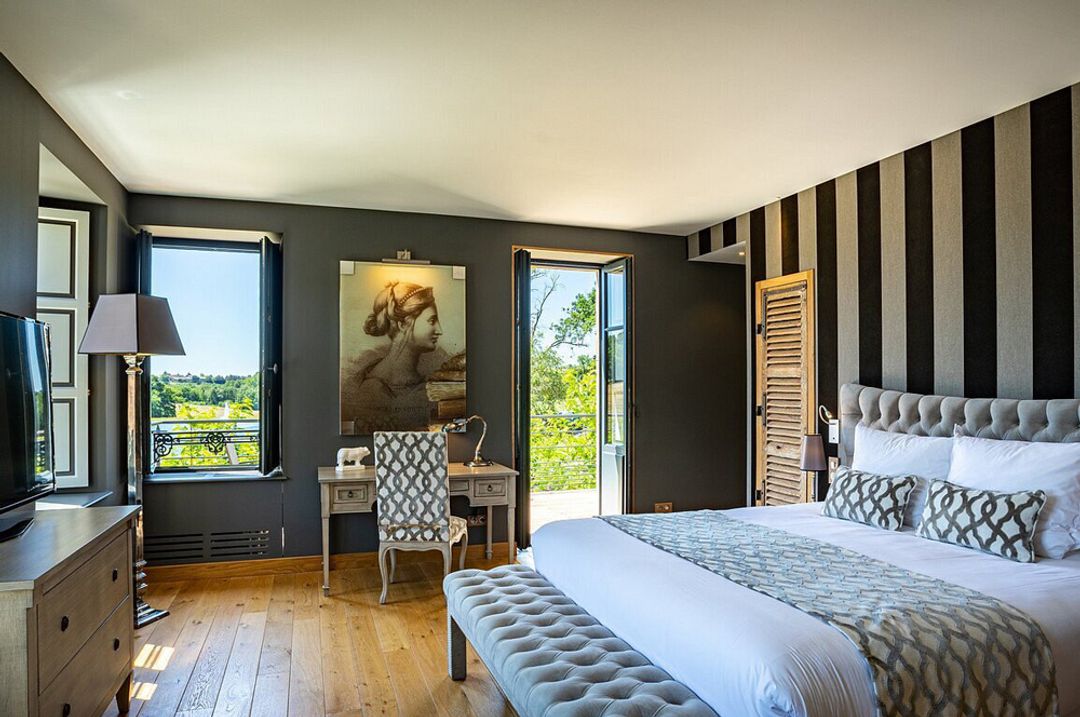
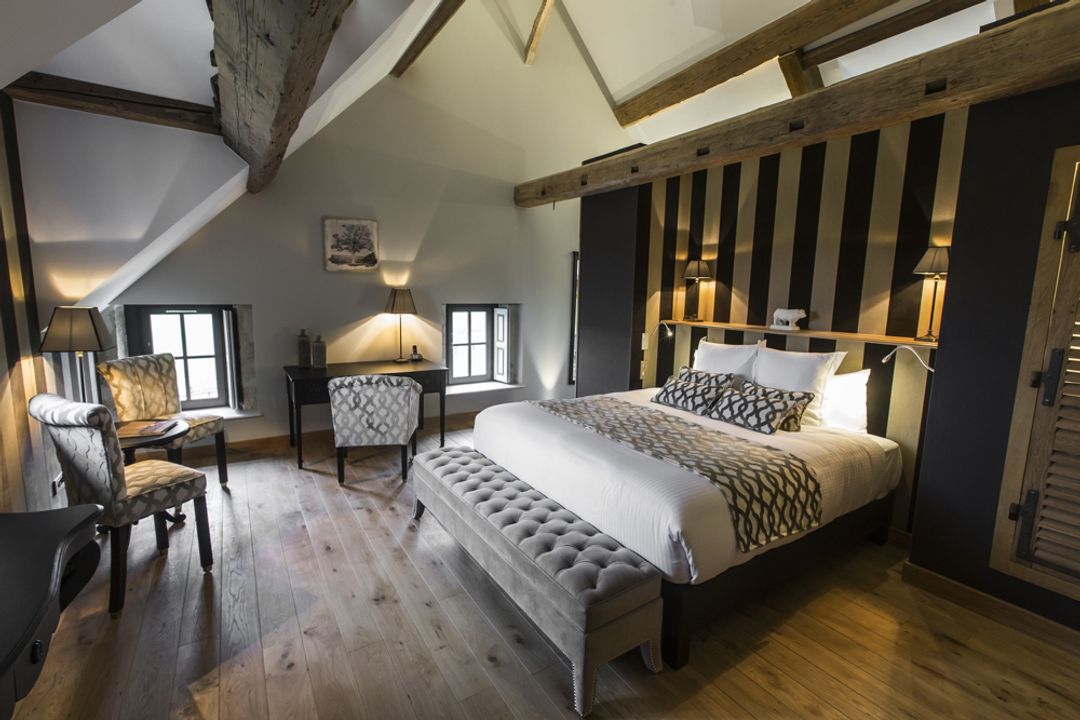
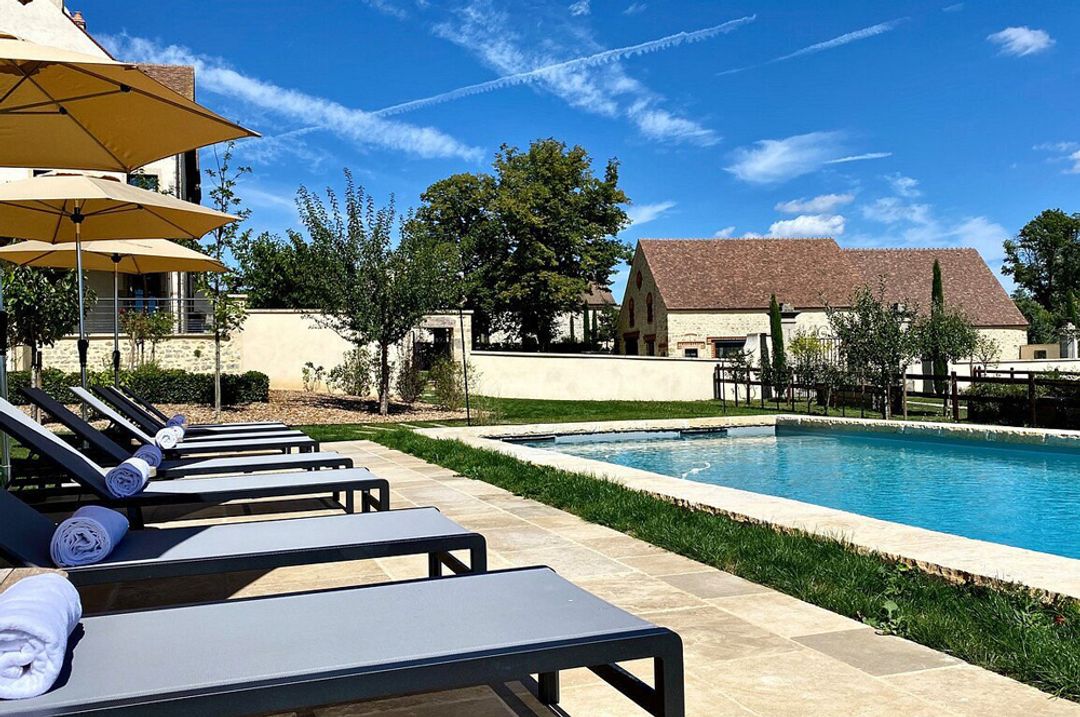
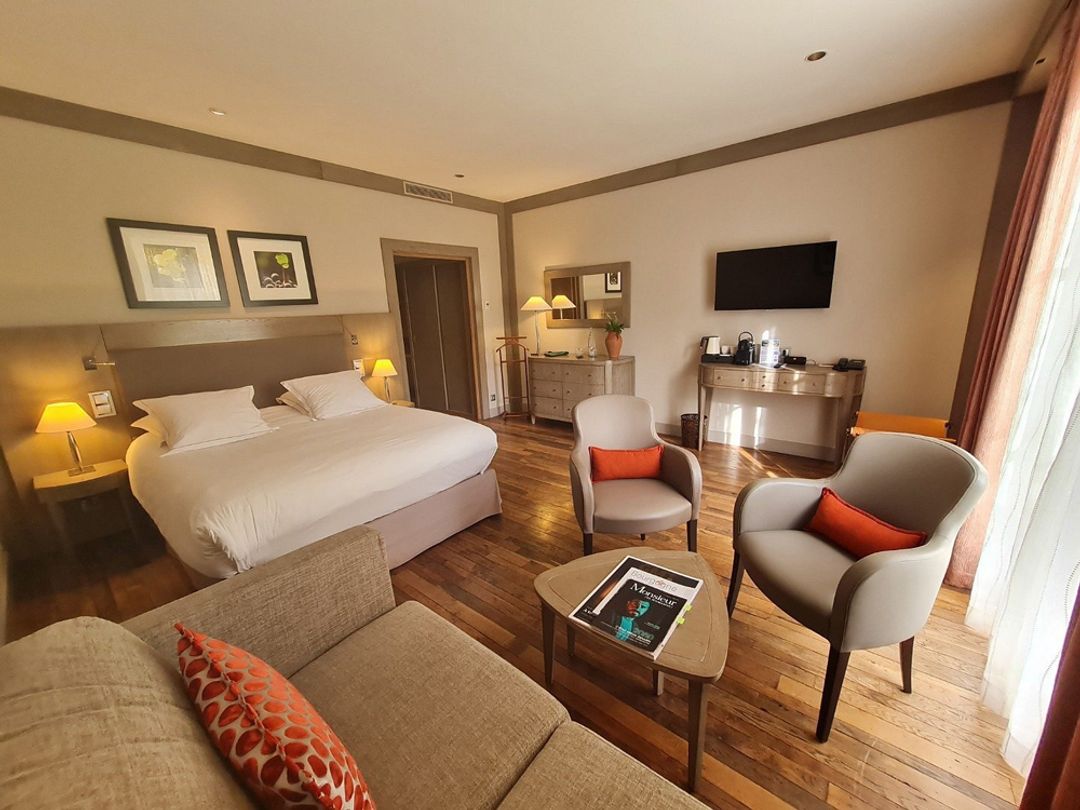
The third property pulls north and west toward terrain that fewer visitors map. Domaine de Rymska, in Saint-Jean-de-Trézy on the Côte Chalonnaise, is the most architecturally considered of the three. The project involved a thoroughgoing restoration and intervention on a historic domaine, resulting in interiors that read as genuinely contemporary against the older bones of the building. It is positioned at the upper tier of the platform's pricing and reflects that in its level of finish and the deliberateness of its design decisions. For anyone whose instinct is to notice materials and spatial sequence before they notice the thread count, Rymska rewards that attention. The Chalonnaise is less visited than the Côte d'Or, which means the experience extends beyond the property itself: the roads are quieter, the villages less trafficked, and the wines, from Mercurey and Givry in particular, have more to prove.