Best hotels in Dordogne | A Curated Visual Guide to Top Stays
Welcome to PressBeyond, the ultimate curated visual guide for design-driven hotels! My name is Will Miller and this is my recommendation for the best boutique and luxury hotel in Dordogne.
I am the founder of PressBeyond and I am an ultra-meticulous hotel curator who loves clean visuals. I have individually analyzed and tiered the hotel included in this guide based on a variety of criteria (architecture & design, location, brand & brand affiliation, existing reviews, and my own personal experiences), and importantly, I have hand-selected the leading imagery for this hotel to provide you with easily-digestible, yet detailed and complete, like-for-like, high-level visual profiles. I felt this summarization step was a critical missing piece across existing guides, blogs, and booking platforms. My aim is to make it easier for people to identify hotel environments that resonate with them, along with enabling them to visualize the types of social experiences that those environments help foster. My brain doesn't work when exposed to cluttered content, so my goal was to create the opposite.
Underneath this, we are also a full booking engine offering 5% Venmo cash back along with other exclusive perks. For all of you design-obsessed hotel enthusiasts out there, I hope this guide helps get you to where you see yourself!
An Overview of the Boutique & Luxury Hotel Landscape in Dordogne
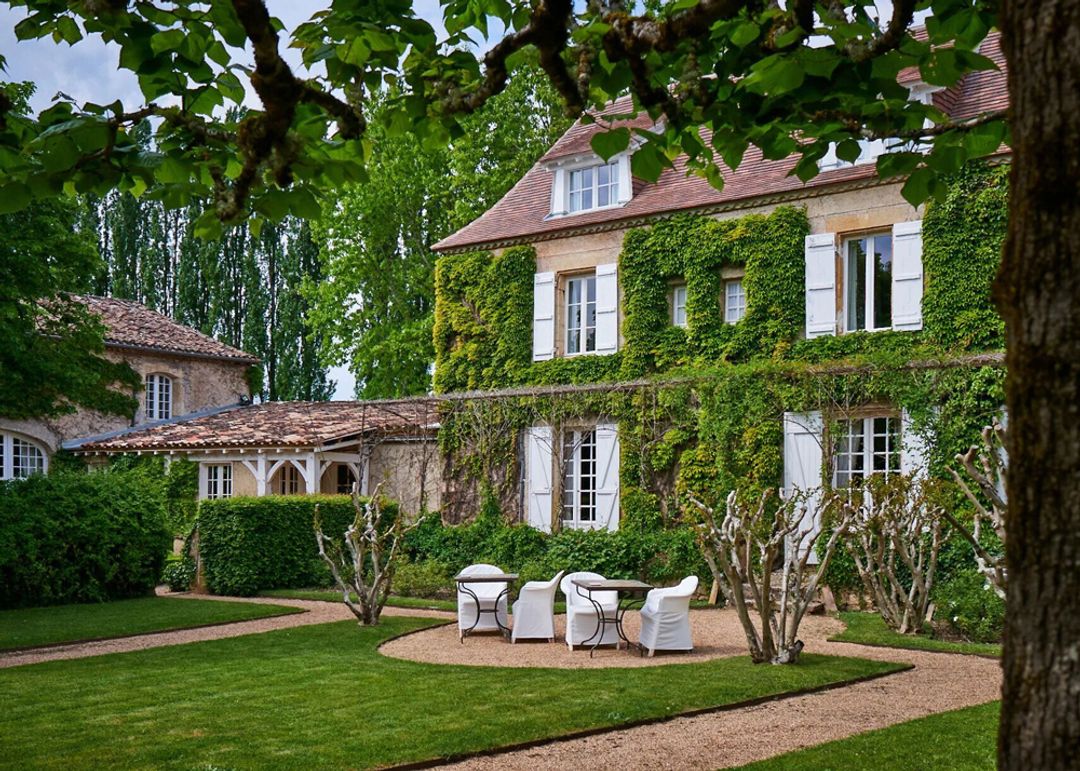
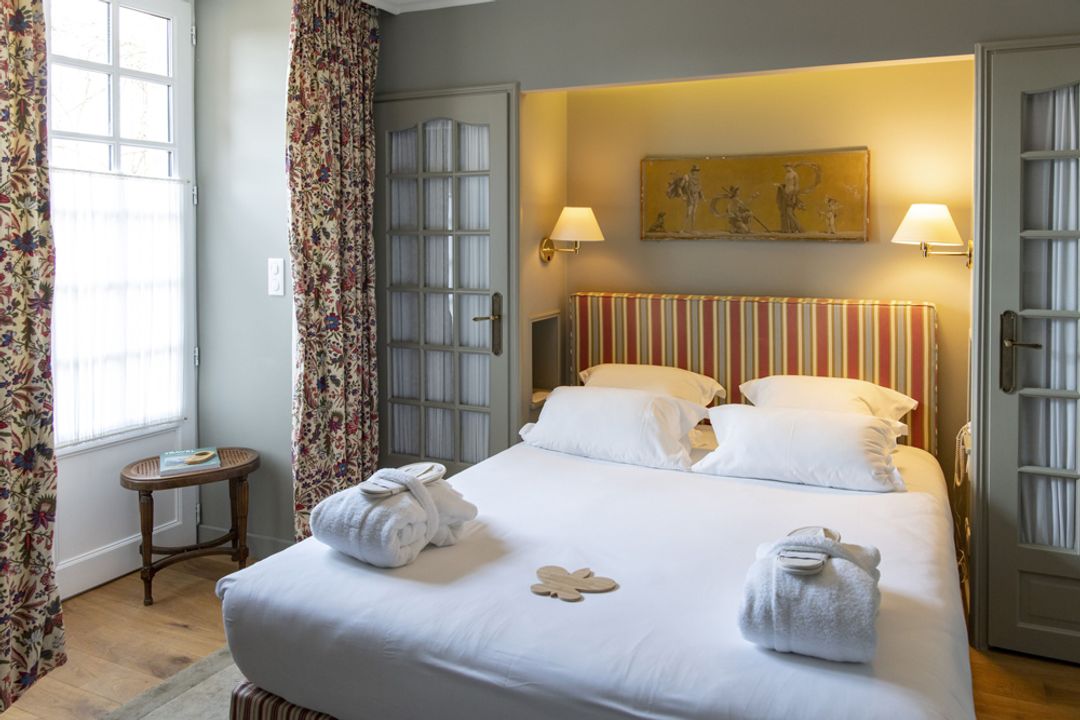
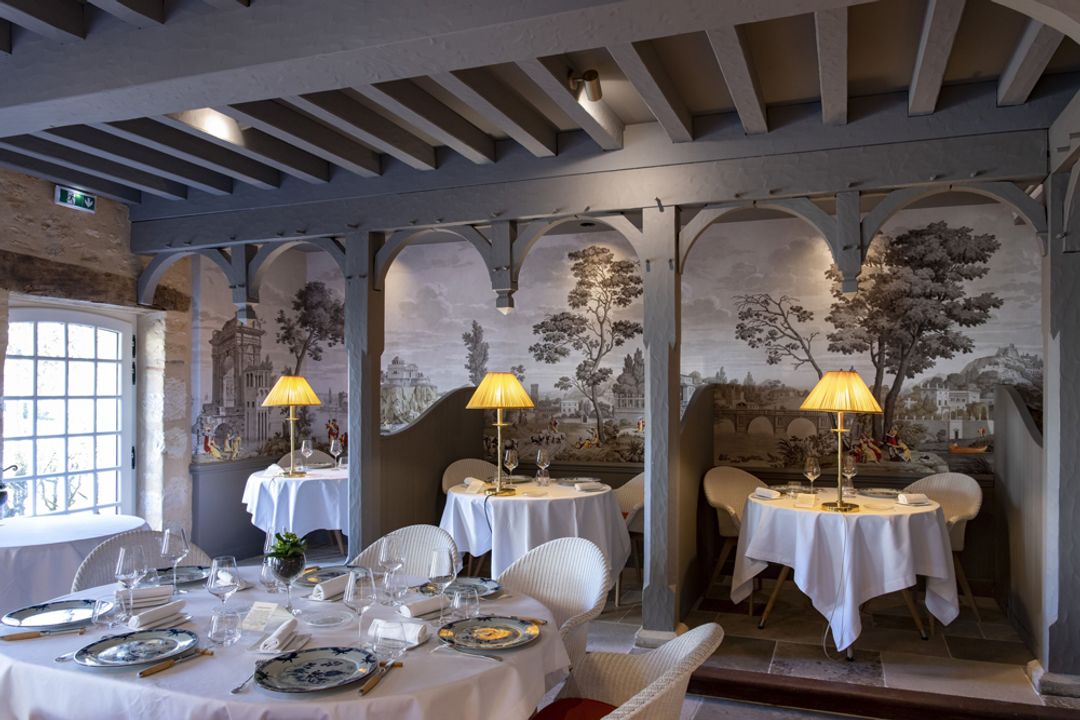
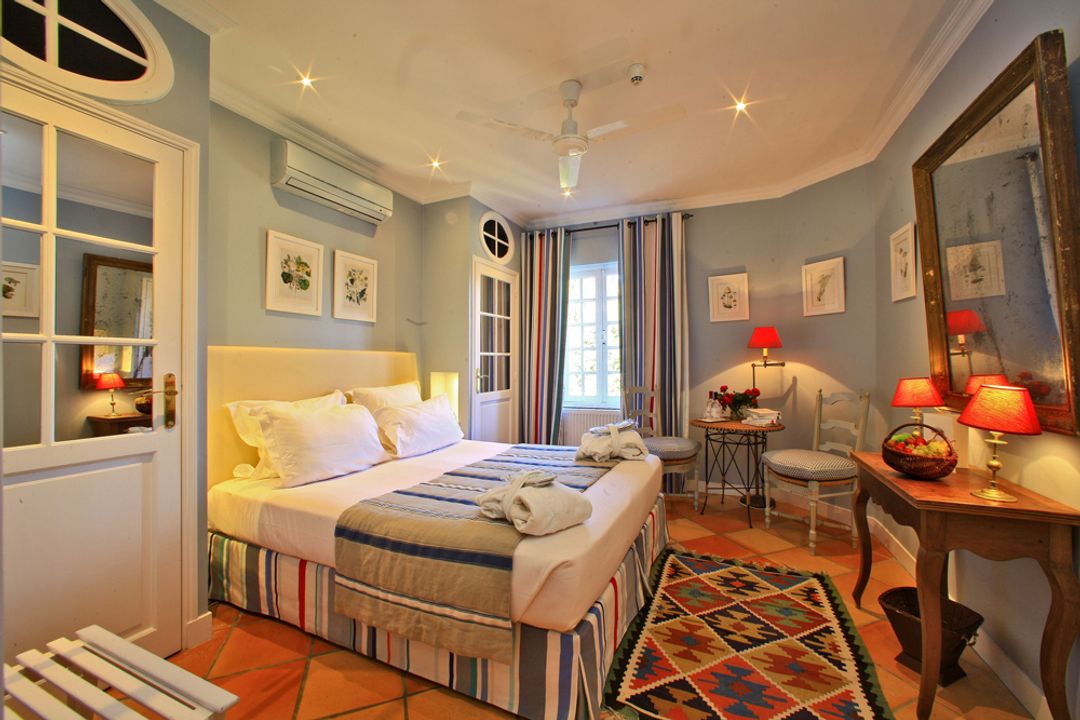
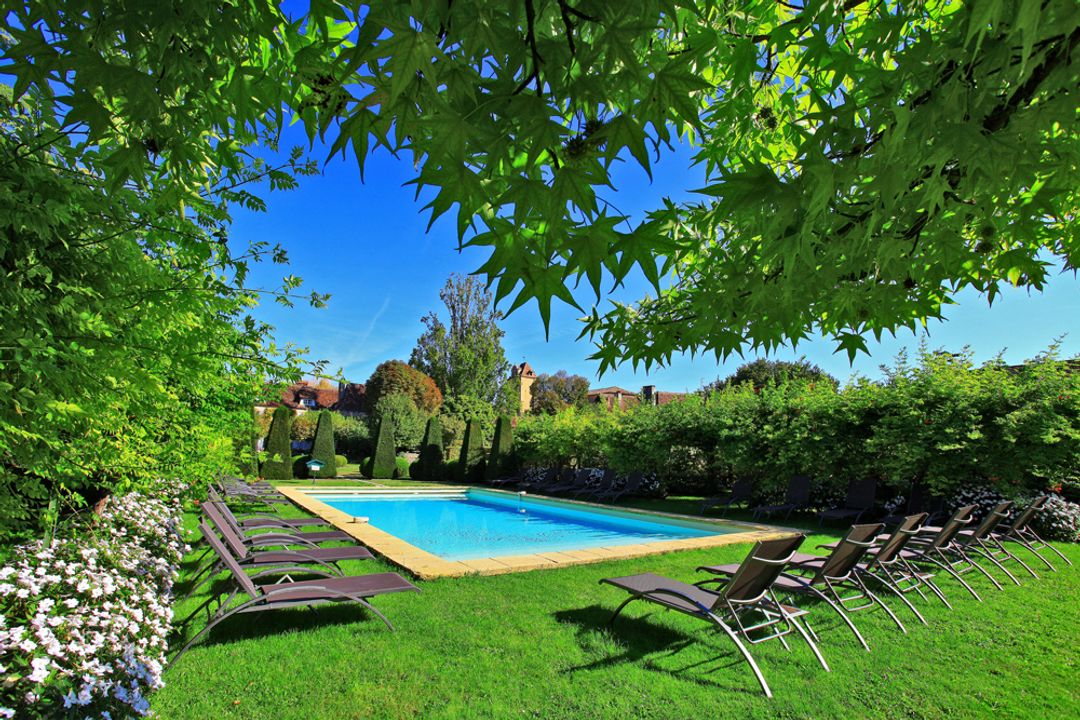
The Dordogne moves slowly. That is not a complaint — it is the entire point. The river bends through limestone country, past cliff-face villages and walnut orchards, past medieval bastides and troglodyte dwellings that read less like architecture than like geology that decided to become habitable. The built environment here has a quality rare in France: it has not been aggressively restored so much as simply maintained, generation after generation, in the same honey-colored stone that the region has been quarrying since the Romanesque period. Périgord Noir, the southeastern quarter of the department, concentrates the most compelling of this — Sarlat-la-Canéda with its intact medieval grid, the châteaux of the Vézère valley, the cave paintings at Lascaux that predate any architecture by thirty thousand years. To arrive here with a serious interest in the made world is to recalibrate entirely what design means. Trémolat, a small village on one of the river's most dramatic meanders, is where Le Vieux Logis earns its reputation. The property belongs to the Giraudel-Destord family, who have run it for generations, and the accumulated character of the place — seventeenth-century farmhouse buildings, a converted tobacco-drying barn, a walled garden of considerable age — is not the result of a single designer's intervention but of long, attentive stewardship. The interiors carry the weight of that history without becoming a period-room exercise: antique textiles, stone fireplaces, and beamed ceilings coexist with a level of comfort that makes the whole thing feel lived-in rather than preserved. The restaurant, which holds a Michelin star, is rooted in the produce of the surrounding Périgord — foie gras, black truffle, walnut oil — with a seriousness that matches the architecture's own. What Le Vieux Logis offers a design-conscious traveler is something the portfolio hotels of Paris or Lyon cannot easily replicate: the experience of a building that grew in place rather than being conceived all at once. There is no signature aesthetic to decode, no architect's concept note to consult. The logic is agricultural and familial, which turns out to be its own form of coherence. For anyone whose interest in design extends to vernacular building, to material culture, to the question of how a place accumulates meaning over centuries rather than seasons — the Dordogne, and this particular farmhouse above the river bend, is the specific and well-reasoned answer.