Best hotels in Nice, France | A Curated Visual Guide to Top Stays
Welcome to PressBeyond, the ultimate curated visual guide for design-driven hotels! My name is Will Miller and these are my recommendations for the best boutique and luxury hotels in Nice, France.
I am the founder of PressBeyond and I am an ultra-meticulous hotel curator who loves clean visuals. I have individually analyzed and tiered each hotel included in this guide based on a variety of criteria (architecture & design, location, brand & brand affiliation, existing reviews, and my own personal experiences), and importantly, I have hand-selected the leading imagery for each hotel to provide you with easily-digestible, yet detailed and complete, like-for-like, high-level visual profiles. I felt this summarization step was a critical missing piece across existing guides, blogs, and booking platforms. My aim is to make it easier for people to identify hotel environments that resonate with them, along with enabling them to visualize the types of social experiences that those environments help foster. My brain doesn't work when exposed to cluttered content, so my goal was to create the opposite.
Underneath this, we are also a full booking engine offering 5% Venmo cash back along with other exclusive perks. For all of you design-obsessed hotel enthusiasts out there, I hope this guide helps get you to where you see yourself!
An Overview of the Boutique & Luxury Hotel Landscape in Nice, France
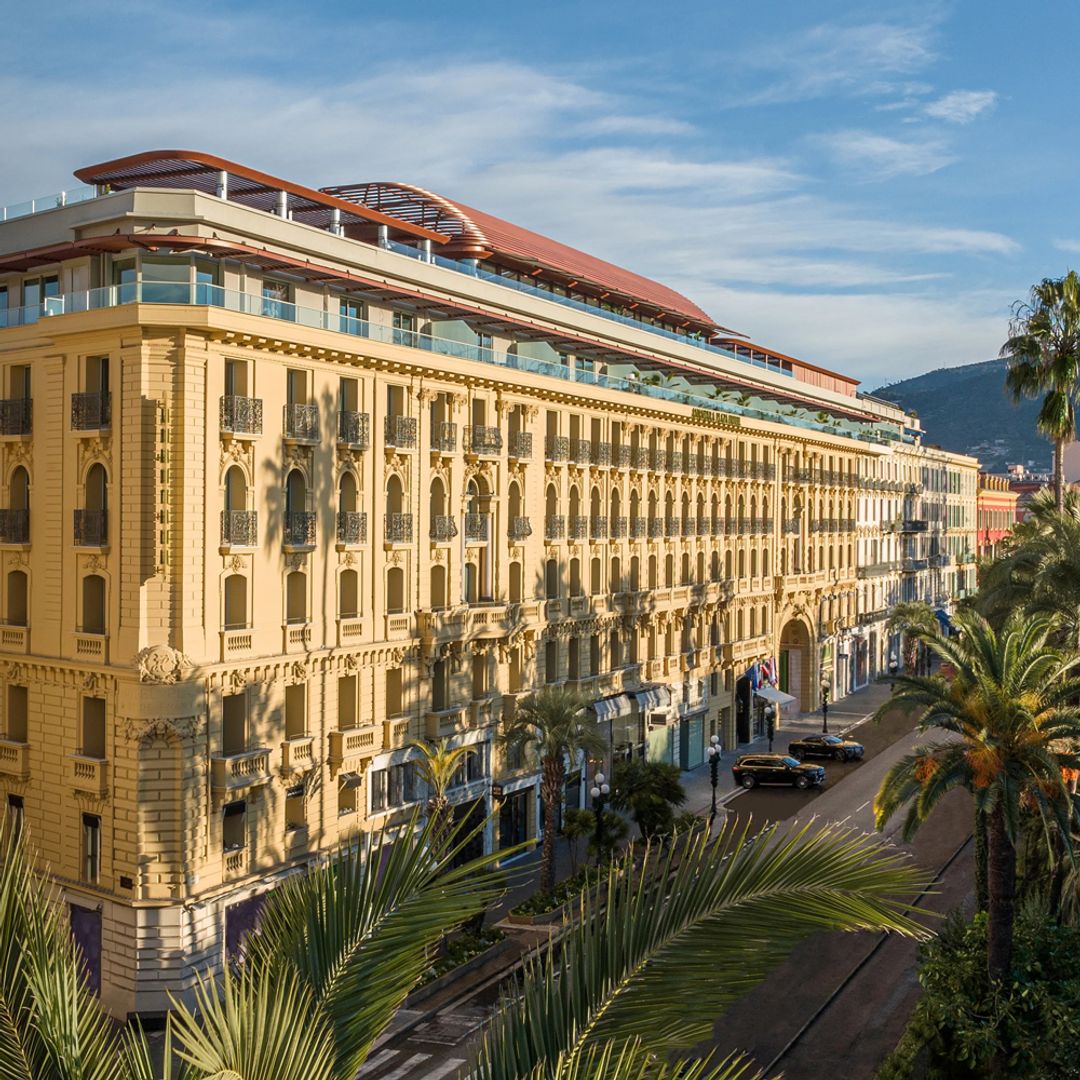
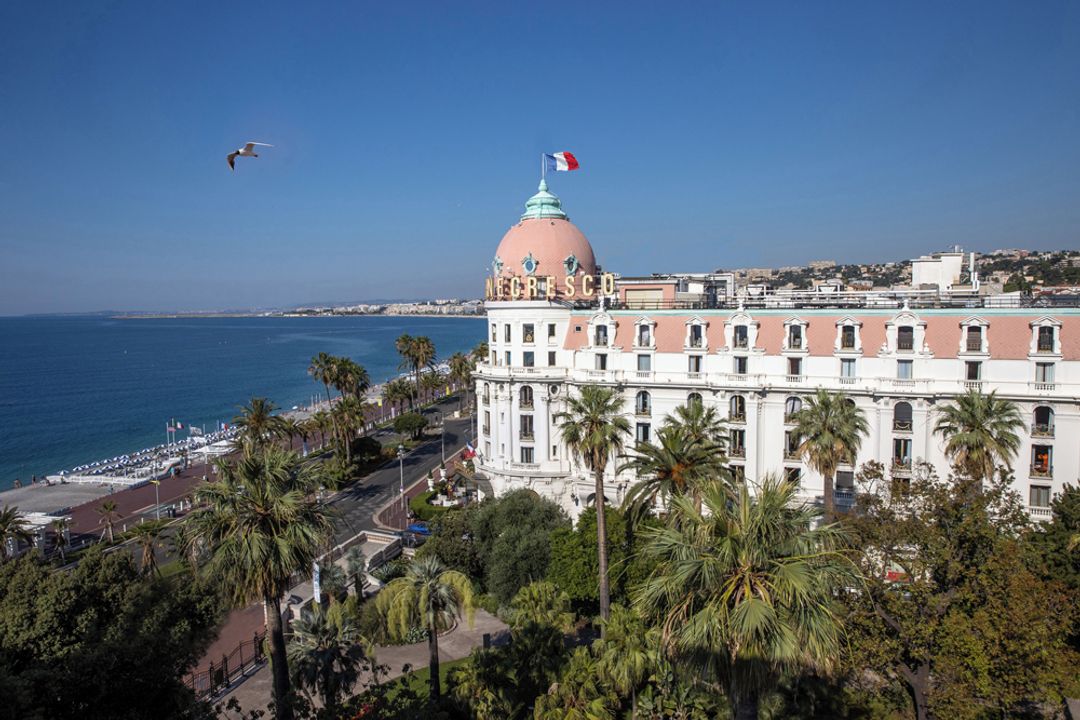
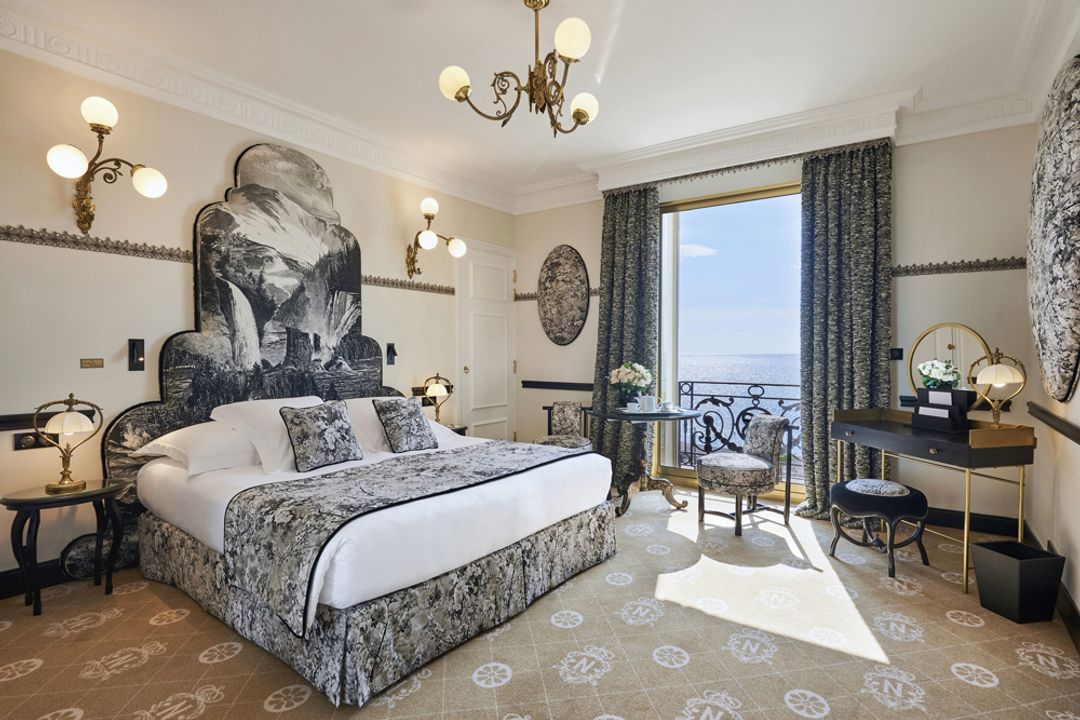
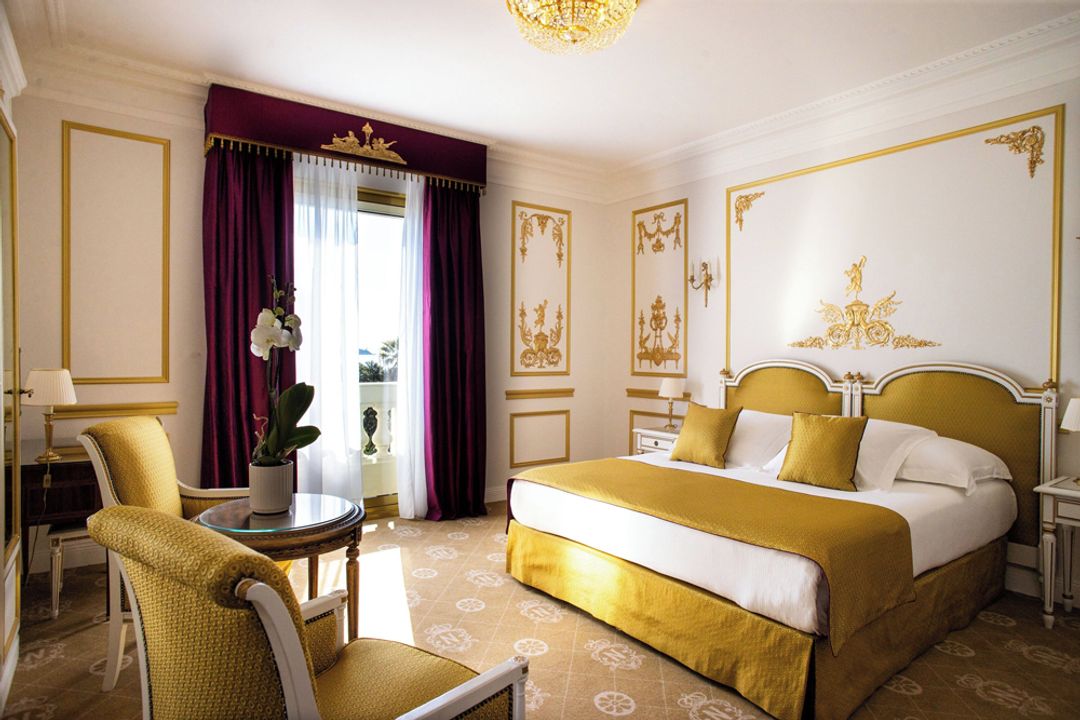
The Promenade des Anglais exists on a scale that rewards a certain kind of surrender. That four-kilometer seafront arc, built up through the nineteenth century on English winter-tourist money and French civic ambition, was always meant to be theatrical — a stage set for promenading, for being seen, for the particular performance of leisure that the Côte d'Azur made its founding industry. The Negresco, opened in 1913 and designed by Édouard Niermans, the Dutch-born architect also responsible for the Moulin Rouge and the Folies Bergère, has never abandoned this theatrical mandate. The building's pink dome and white Belle Époque facade remain the most recognizable mark on the promenade, and inside, the hotel functions less like a conventional luxury address than like a privately curated museum: the Chagall in the salon, the Gustave Eiffel-engineered glass roof in the Salon Royal, the accumulation of antiques and commissioned artworks assembled over decades by Jeanne Augier, whose family has owned the property since 1957. It is eccentric in ways that only genuine conviction can sustain. Place Masséna, a ten-minute walk east along the seafront, operates at a different register entirely. The square itself is Nice's civic hinge — the point where the Baroque old town meets the wide Haussmann-inflected avenues of the nineteenth-century new city, where the tram lines cross and the red-ochre buildings face the sea. The Anantara Plaza Nice occupies a 1880s Italianate building on the square that was formerly the Hotel Plaza, and the restoration has preserved the period architecture while delivering the kind of calm, considered interior work the Anantara group favors across its European properties. Where the Negresco is an exercise in accumulated personality, the Anantara offers something more composed — closer in feeling to the residential restraint of the surrounding Belle Époque fabric. Together, these two properties frame a useful question for any design-minded visitor: do you want the grand, idiosyncratic statement of a building that has fully become its own myth, or the quieter satisfaction of a hotel that has learned to wear its context well? Nice, with its layered Italianate, French Baroque, and Art Nouveau inheritance, can sustain both arguments. The Negresco answers to no one; the Anantara answers to its square.