Best hotels in Saint-Martin-de-Ré, France | Visually Compare Top Stays Side-by-Side
Welcome to PressBeyond - a curated visual guide to design-driven hotels and the fastest way to compare them.
An Overview of the Boutique & Luxury Hotel Landscape in Saint-Martin-de-Ré, France
The île de Ré sits off the Atlantic coast near La Rochelle, connected to the mainland by a bridge that feels, on a summer afternoon, like crossing into a different century. The island's towns are built almost entirely in the same pale limestone vernacular: low whitewashed walls, wooden shutters painted slate-grey or sage, narrow lanes shaded by hollyhocks that grow unreasonably tall against the stone. Saint-Martin-de-Ré is the island's principal town and its most architecturally coherent, organized around a fortified port that Vauban's military engineers shaped in the late seventeenth century. The UNESCO-listed citadel walls still encircle much of the old town, and the pedestrian streets within them resist the incremental architectural drift that affects most French resort towns. There are no large hotels pushing against the skyline here, because the skyline is protected. Scale and material palette are enforced by geography and history alike.
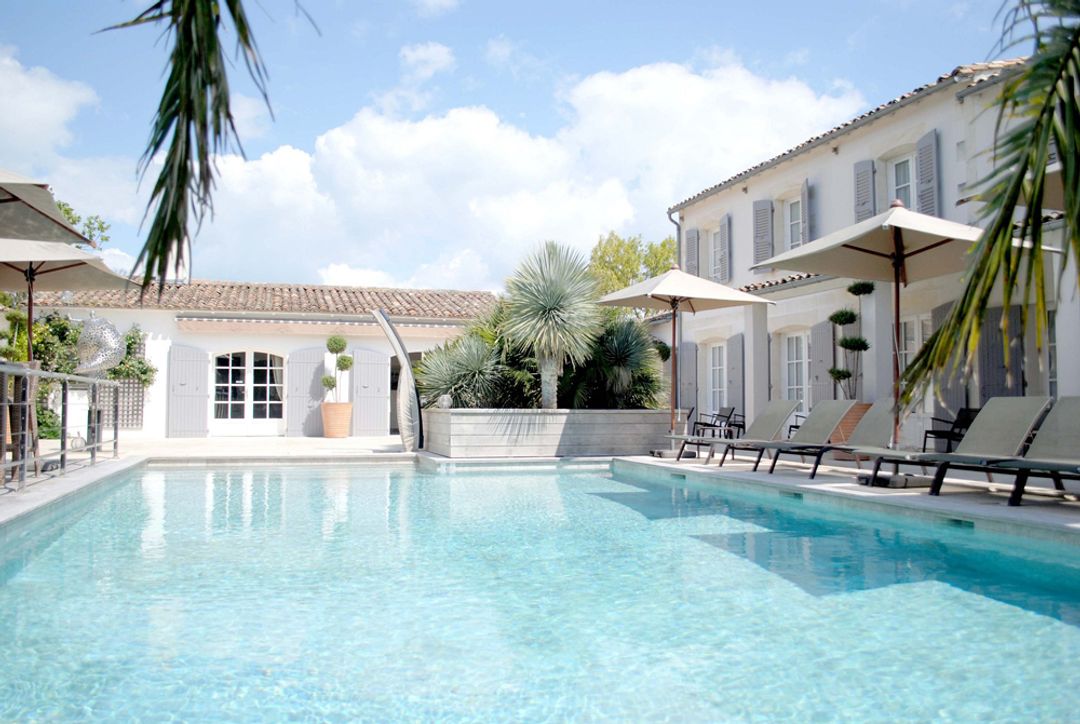
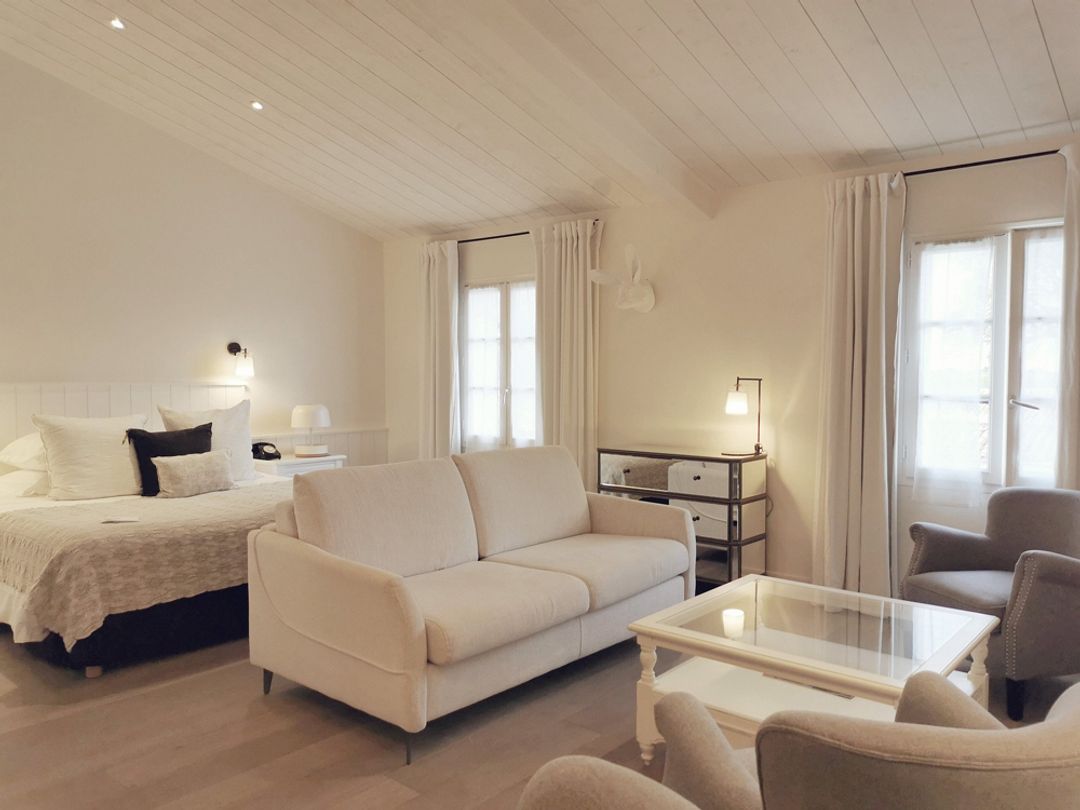
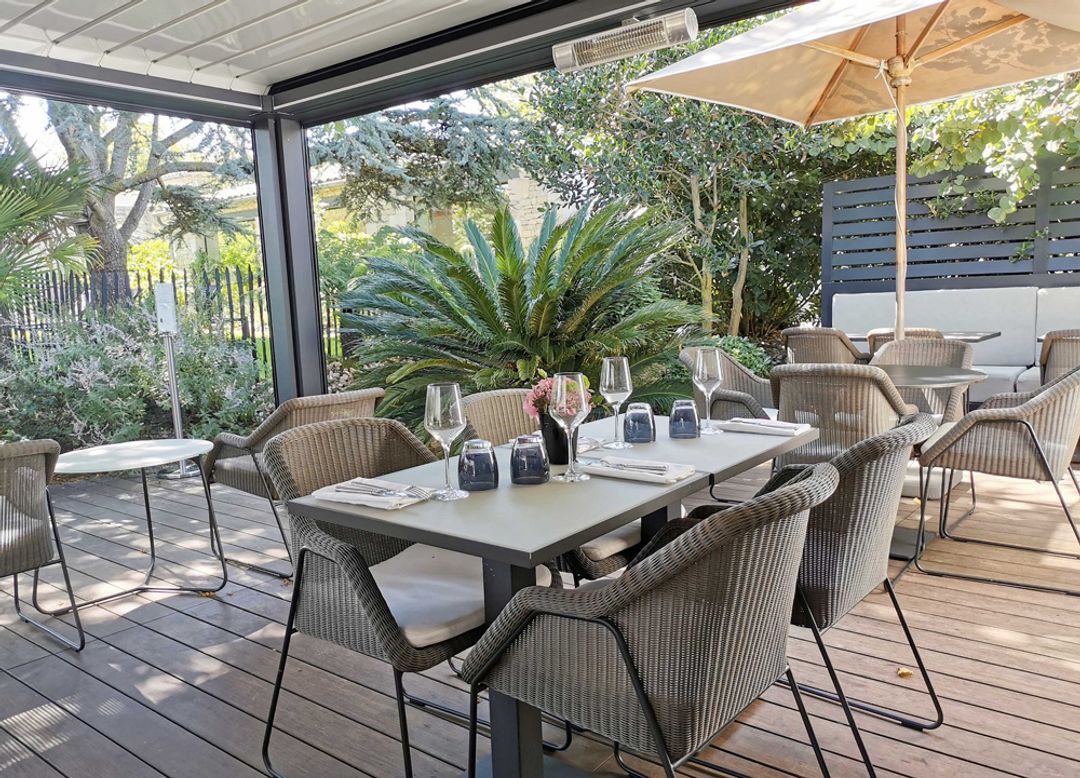
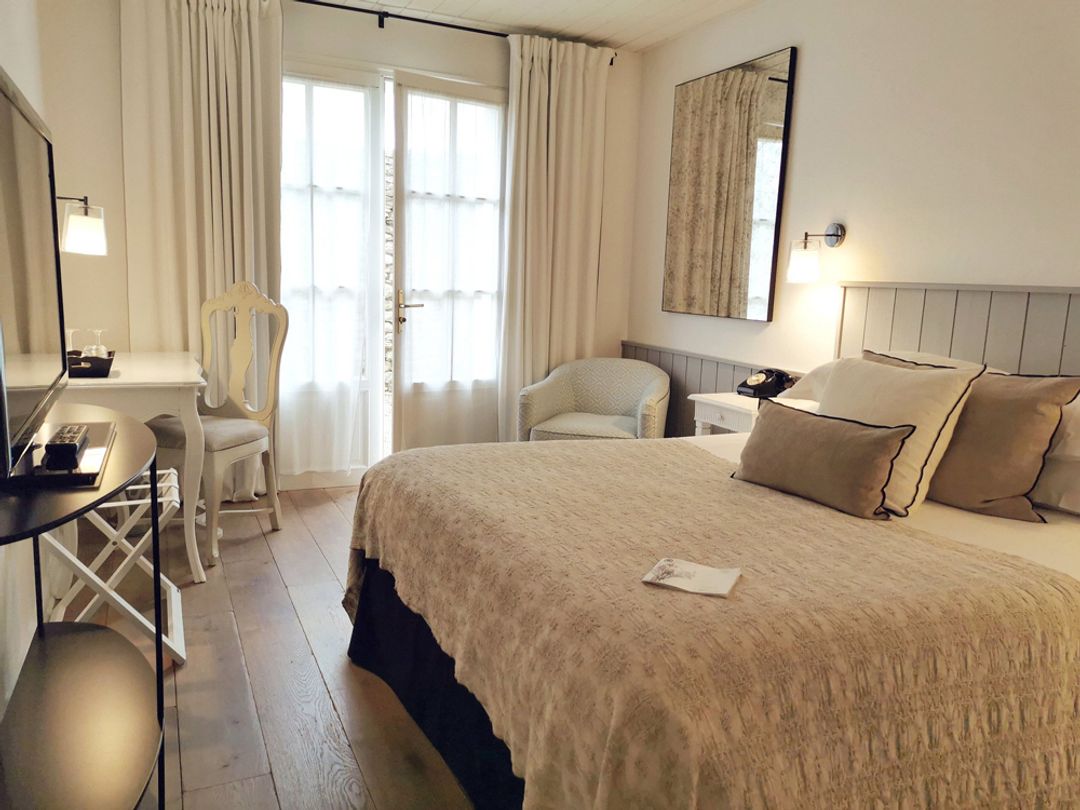
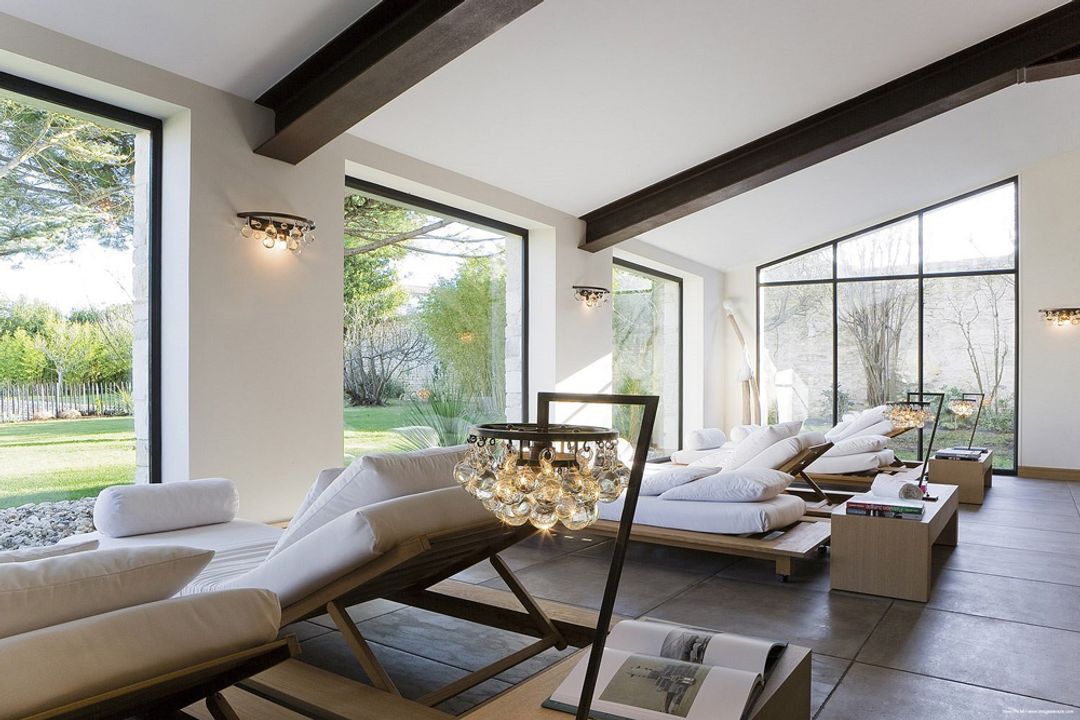
The Vauban quarter, named for the fortifications that define it, sits at the heart of Saint-Martin and is where the island's most considered hospitality has taken root. Le Clos Saint Martin Hotel and Spa occupies a property in this zone, working within the traditional îlot form common to this part of the island: a cluster of low buildings arranged around a courtyard, planted and enclosed. The architecture defers to its context in the best possible way, making no attempt to announce itself above the roofline. Inside, the interiors lean into the soft tones of the surrounding landscape, bleached linens and natural materials that feel calibrated to the light off the Atlantic rather than imported from a design catalog. The spa is a genuine addition to the offer, unusual for a property at this scale in such a historically constrained neighborhood.
Anyone drawn to places where vernacular architecture has survived more or less intact, where the pleasure of a destination is largely about walking, cycling the flat salt-marsh lanes, and eating well, will find this a persuasive reason to stay longer than planned. The île de Ré operates at a pace that rewards exactly the kind of accommodation Le Clos Saint Martin provides: quiet, grounded, locally embedded, without the self-consciousness that so often afflicts boutique properties trying too hard to signal their design credentials. The rate reflects the island's positioning rather than any particular extravagance. For a place this particular, that seems a reasonable exchange.