Best hotels in Dresden | A Curated Visual Guide to Top Stays
Welcome to PressBeyond, the ultimate curated visual guide for design-driven hotels! My name is Will Miller and these are my recommendations for the best boutique and luxury hotels in Dresden.
I am the founder of PressBeyond and I am an ultra-meticulous hotel curator who loves clean visuals. I have individually analyzed and tiered each hotel included in this guide based on a variety of criteria (architecture & design, location, brand & brand affiliation, existing reviews, and my own personal experiences), and importantly, I have hand-selected the leading imagery for each hotel to provide you with easily-digestible, yet detailed and complete, like-for-like, high-level visual profiles. I felt this summarization step was a critical missing piece across existing guides, blogs, and booking platforms. My aim is to make it easier for people to identify hotel environments that resonate with them, along with enabling them to visualize the types of social experiences that those environments help foster. My brain doesn't work when exposed to cluttered content, so my goal was to create the opposite.
Underneath this, we are also a full booking engine offering 5% Venmo cash back along with other exclusive perks. For all of you design-obsessed hotel enthusiasts out there, I hope this guide helps get you to where you see yourself!
An Overview of the Boutique & Luxury Hotel Landscape in Dresden
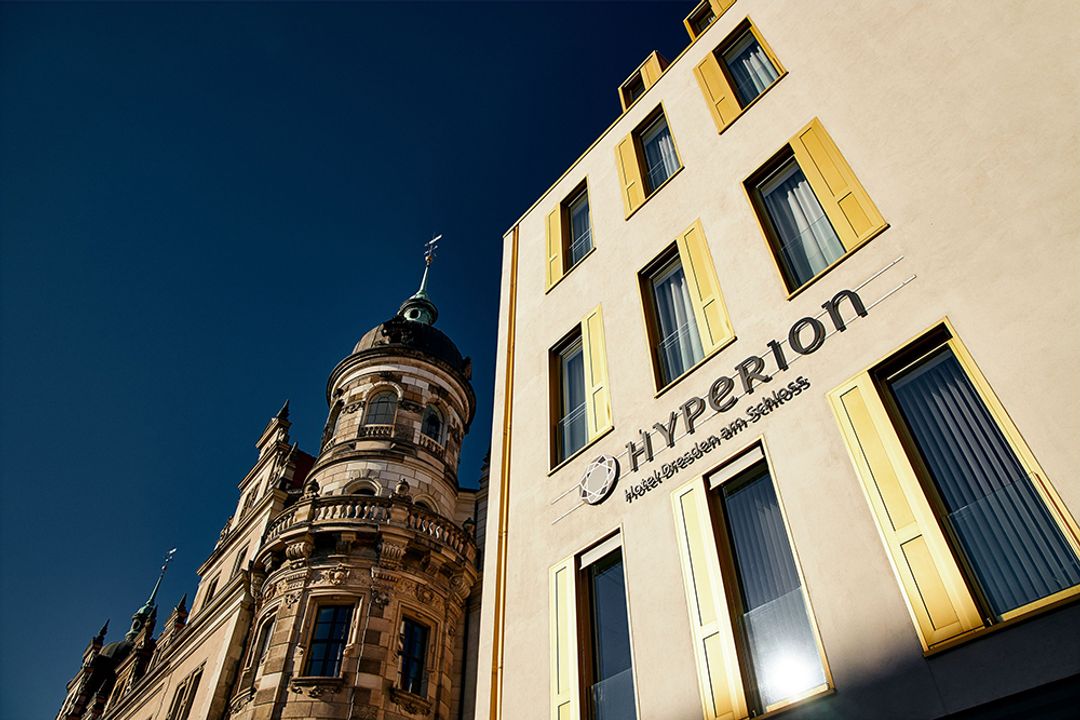
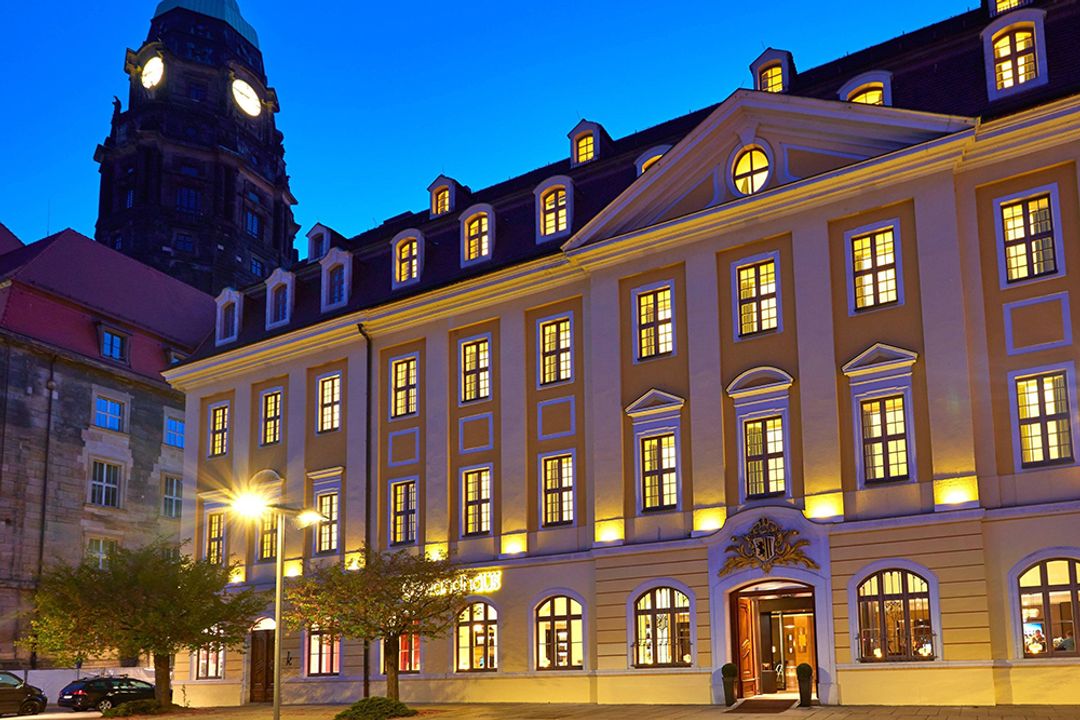
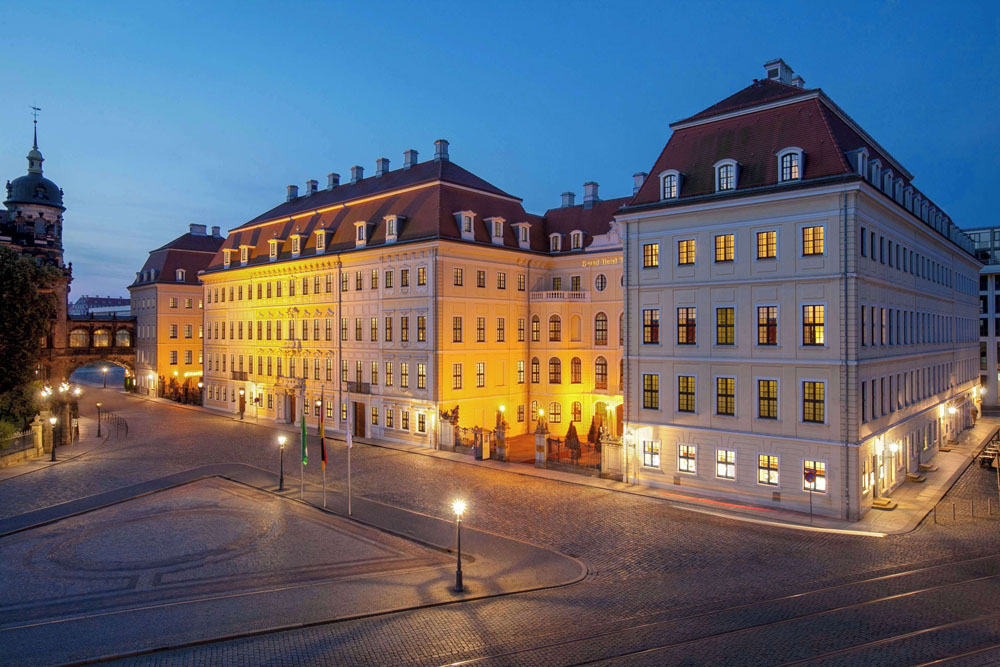
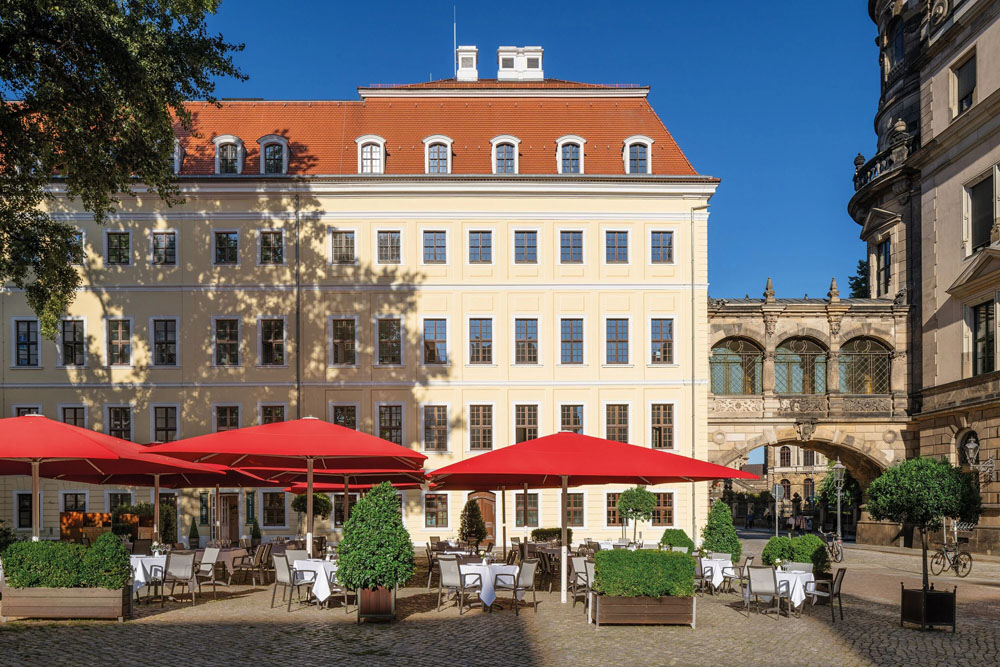
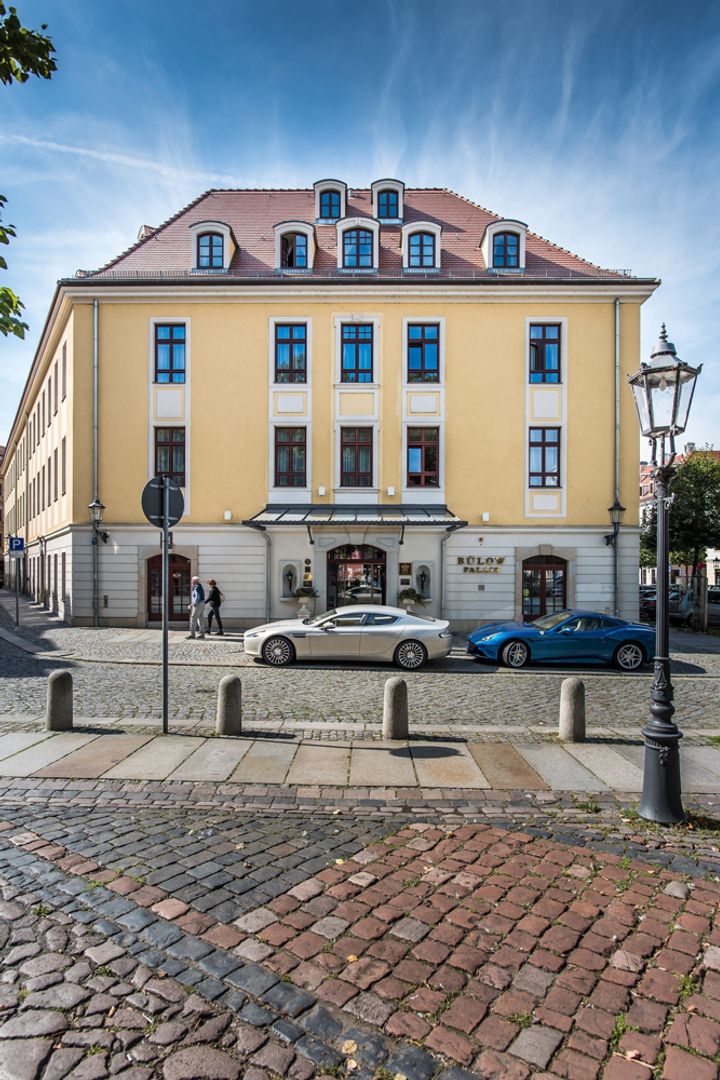
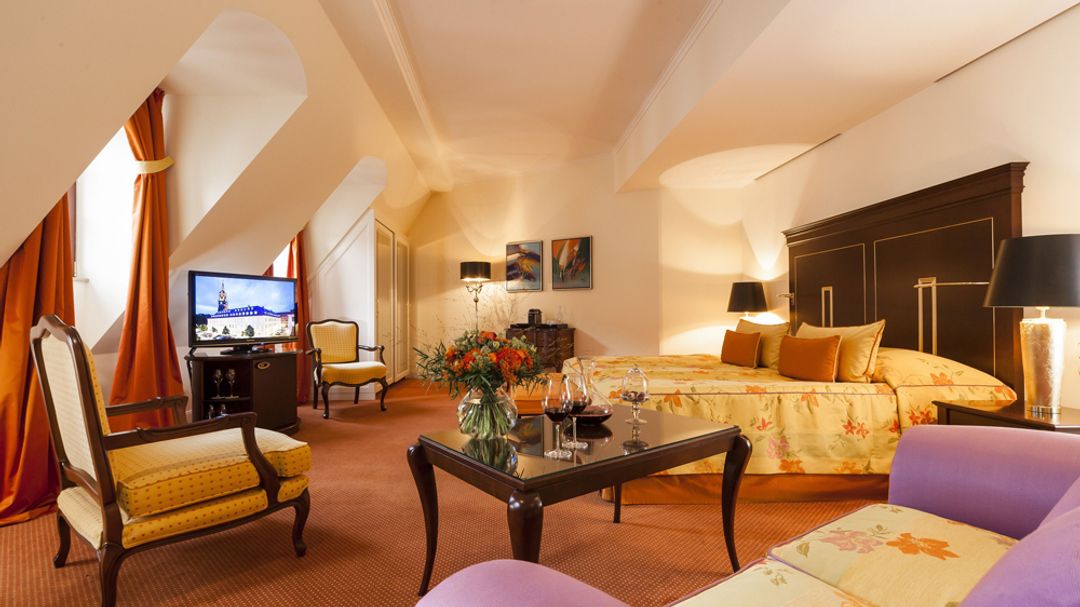
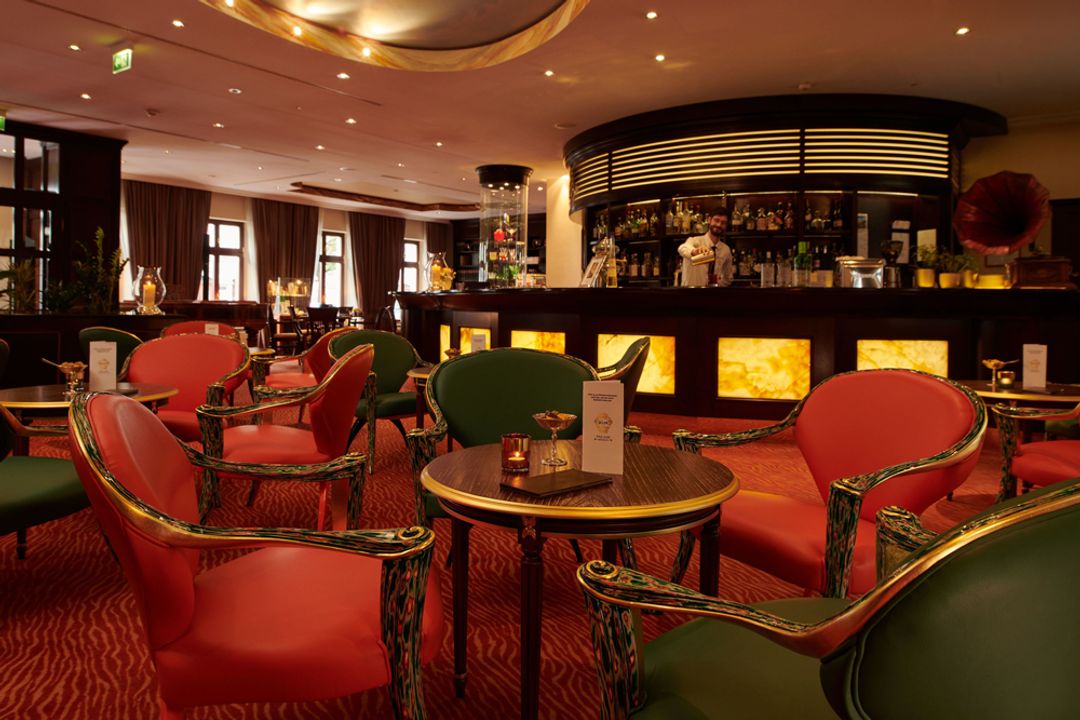
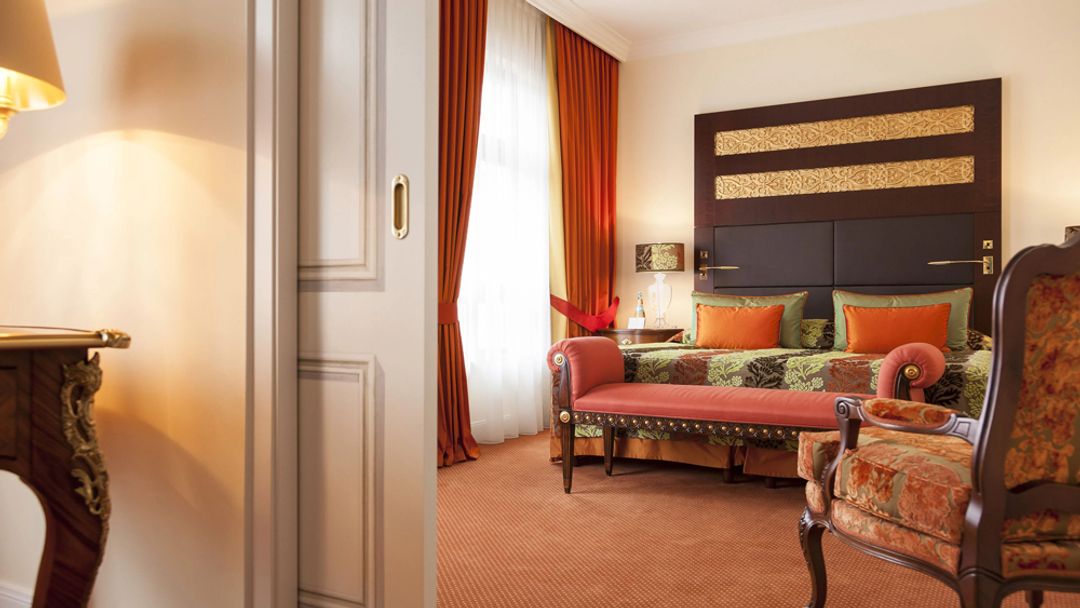
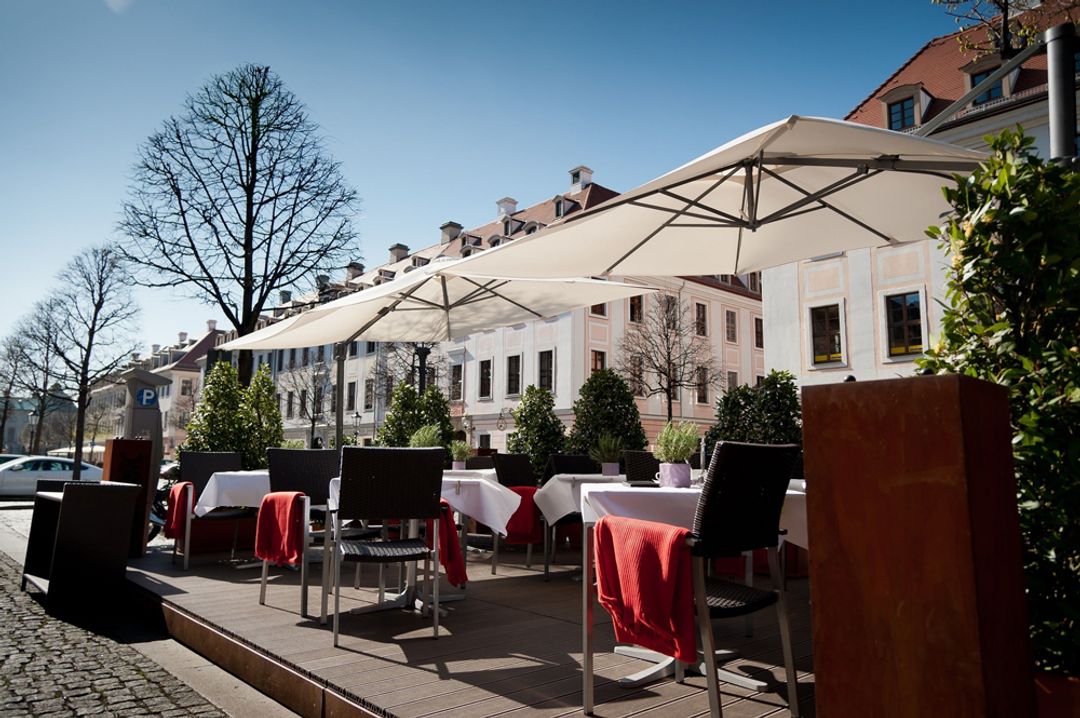
The Taschenbergpalais is where to begin understanding Dresden, because it encapsulates the city's particular historical condition: a baroque palace built for Augustus the Strong's mistress in the early eighteenth century, bombed to a shell in February 1945, and then restored with such architectural precision by the Kempinski group in 1995 that the question of what is original and what is reconstruction becomes genuinely unanswerable from the street. That ambiguity is not a flaw — it is Dresden's defining characteristic. The city rebuilt its Frauenkirche stone by numbered stone, and its hotel architecture follows the same logic of meticulous reconstitution. Staying at the Taschenbergpalais, directly opposite the Residenzschloss in the Innere Altstadt, means sleeping inside that argument about memory and materiality rather than observing it from a distance. The Innere Altstadt cluster is dense with this tension. The Gewandhaus Dresden, an Autograph Collection property occupying a former cloth merchants' hall on Ringstraße, occupies a building whose civic origins give the interiors a grounded quality that purpose-built hotels rarely achieve — the proportions belong to public assembly, not private accommodation. The Hyperion Hotel Dresden Am Schloss, also in the Altstadt, offers a more contemporary envelope while remaining absorbed into the same saturated context of domes and sandstone. Neither property carries the ceremonial weight of the Taschenbergpalais, but for travelers who find the palace restoration almost too complete in its ambition, they offer a usable foothold in the same neighborhood at a more considered price point. Crossing the Elbe into the Innere Neustadt shifts the register considerably. The Bülow Palais, a late-baroque townhouse on Königstraße, operates at the quieter end of the Dresden baroque inventory — smaller in scale, more intimate in atmosphere, and set within a neighborhood that survived the war with more of its pre-1945 fabric intact than the Altstadt managed. Königstraße itself reads as a kind of counter-argument to the Altstadt's grand reconstruction project: less theatrical, genuinely older in feeling, and frequented by Dresdeners rather than tour groups. For a design-conscious traveler who wants proximity to the porcelain collections at the Zwinger and the applied arts holdings at the Kunstgewerbemuseum without being entirely surrounded by heritage tourism, the Neustadt side of the river offers a more calibrated position.