Best hotels in New Delhi | A Curated Visual Guide to Top Stays
Welcome to PressBeyond, the ultimate curated visual guide for design-driven hotels! My name is Will Miller and these are my recommendations for the best boutique and luxury hotels in New Delhi.
I am the founder of PressBeyond and I am an ultra-meticulous hotel curator who loves clean visuals. I have individually analyzed and tiered each hotel included in this guide based on a variety of criteria (architecture & design, location, brand & brand affiliation, existing reviews, and my own personal experiences), and importantly, I have hand-selected the leading imagery for each hotel to provide you with easily-digestible, yet detailed and complete, like-for-like, high-level visual profiles. I felt this summarization step was a critical missing piece across existing guides, blogs, and booking platforms. My aim is to make it easier for people to identify hotel environments that resonate with them, along with enabling them to visualize the types of social experiences that those environments help foster. My brain doesn't work when exposed to cluttered content, so my goal was to create the opposite.
Underneath this, we are also a full booking engine offering 5% Venmo cash back along with other exclusive perks. For all of you design-obsessed hotel enthusiasts out there, I hope this guide helps get you to where you see yourself!
An Overview of the Boutique & Luxury Hotel Landscape in New Delhi
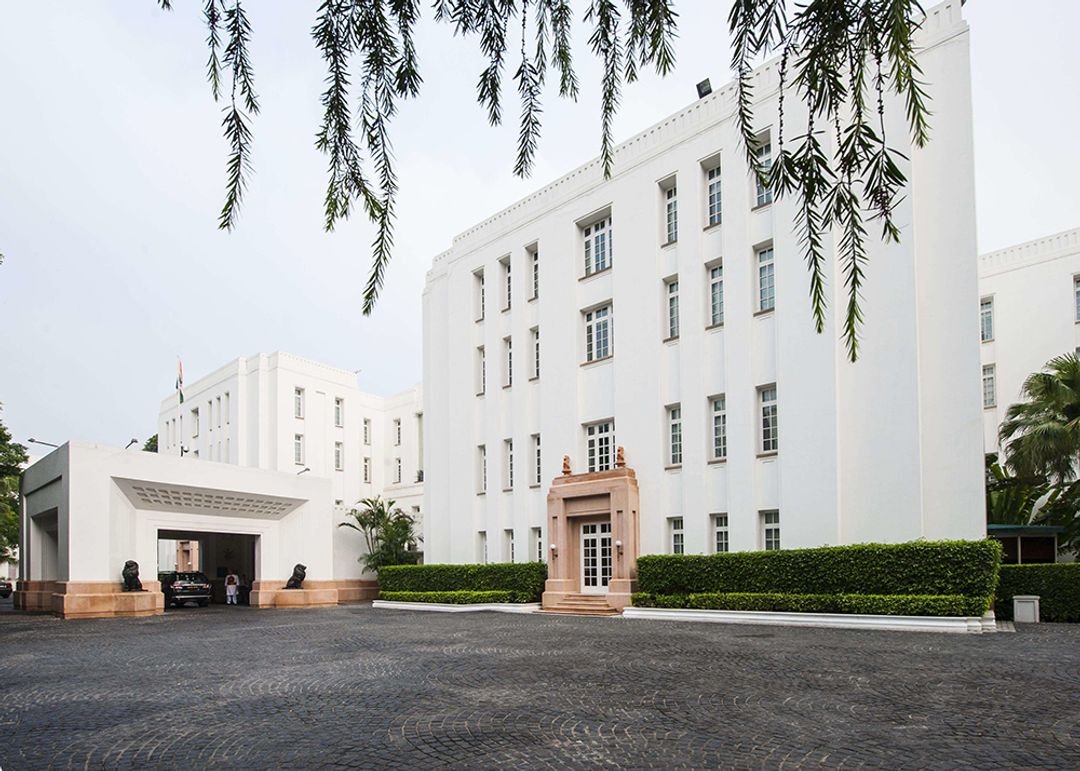
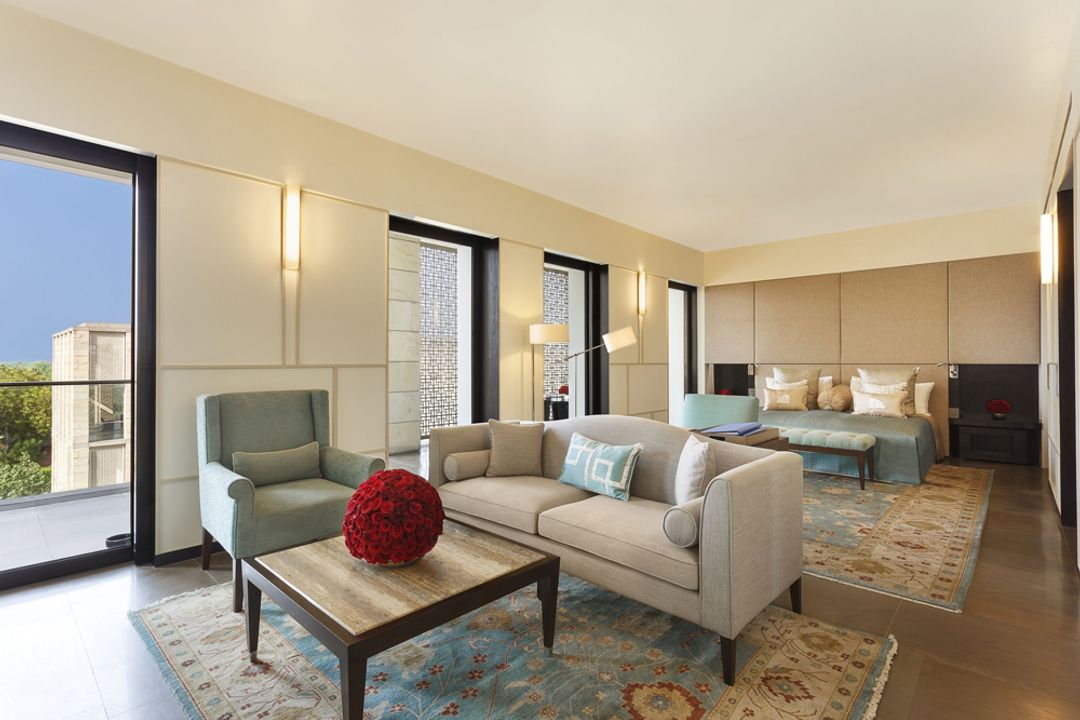
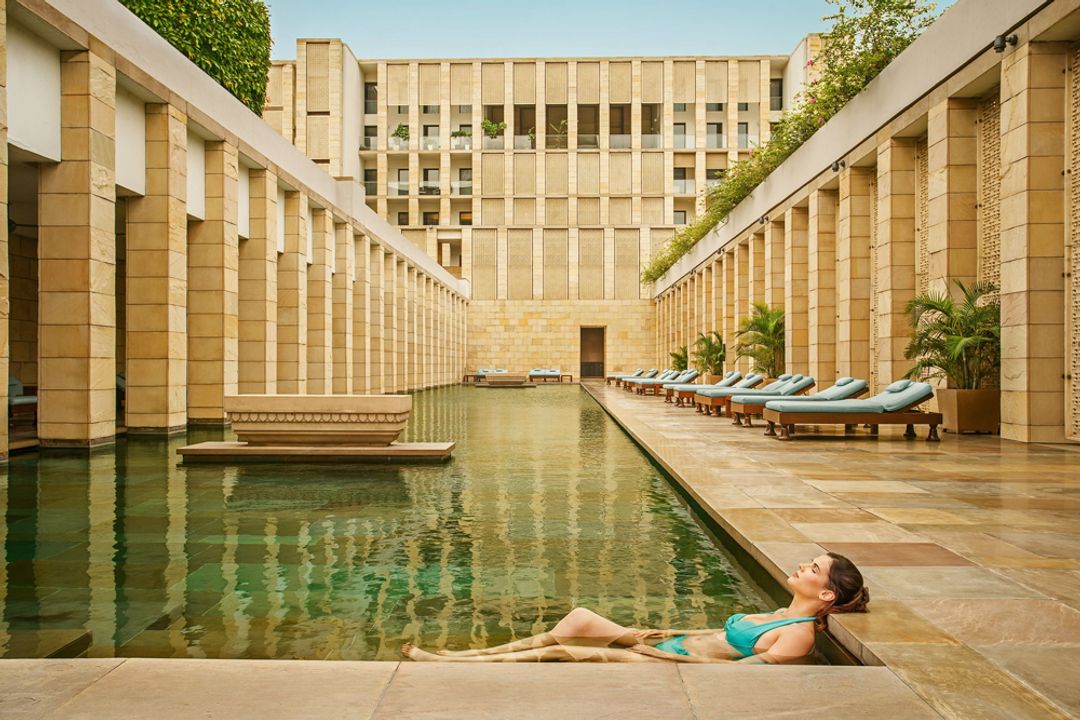
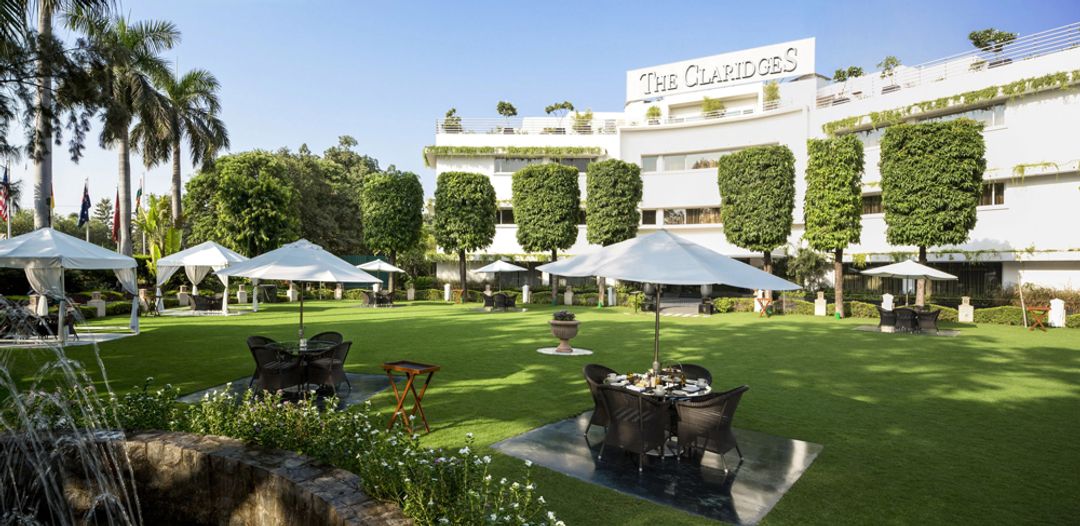
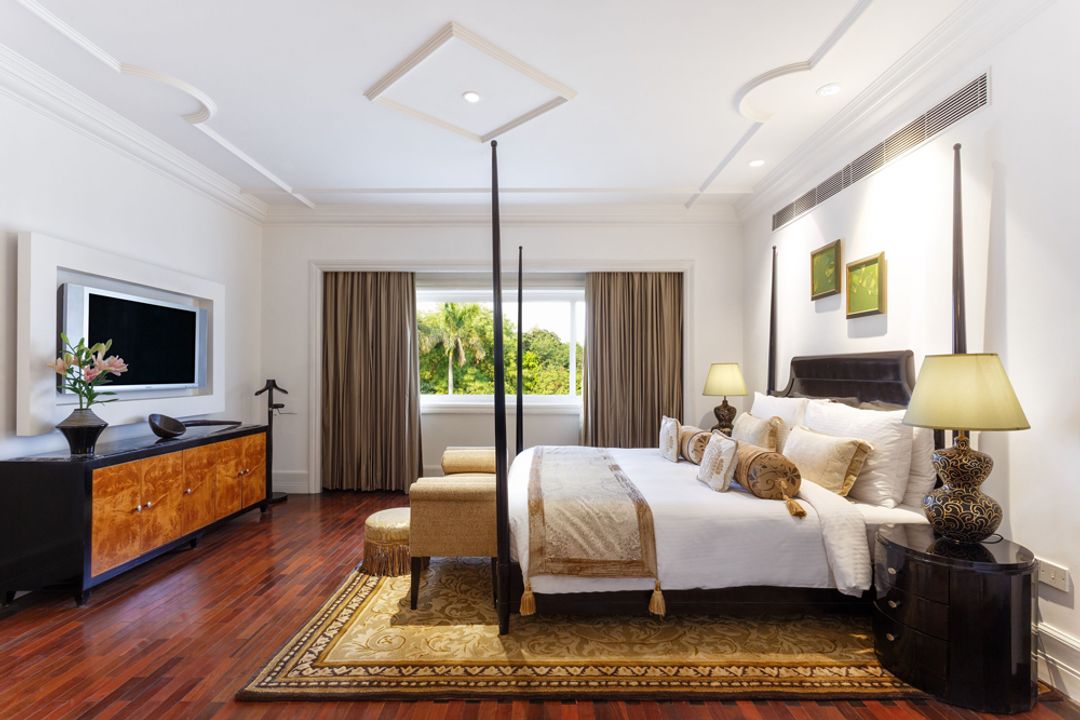
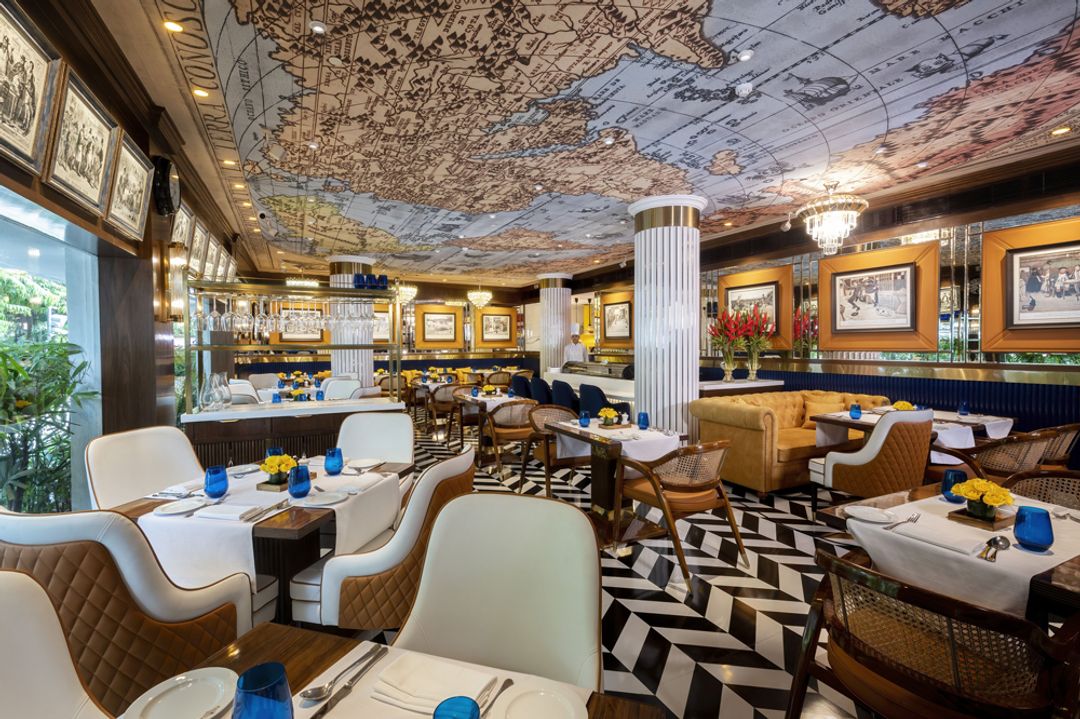
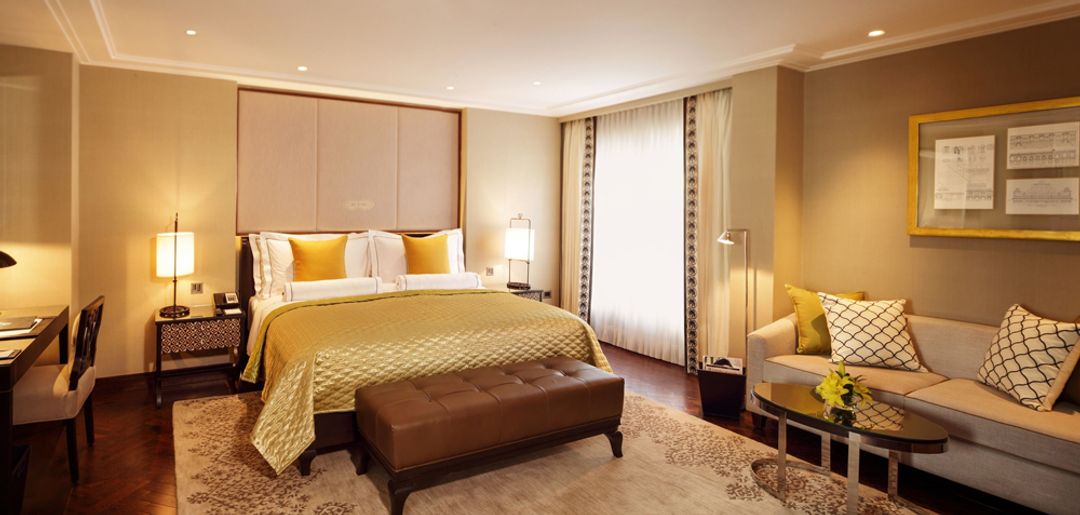
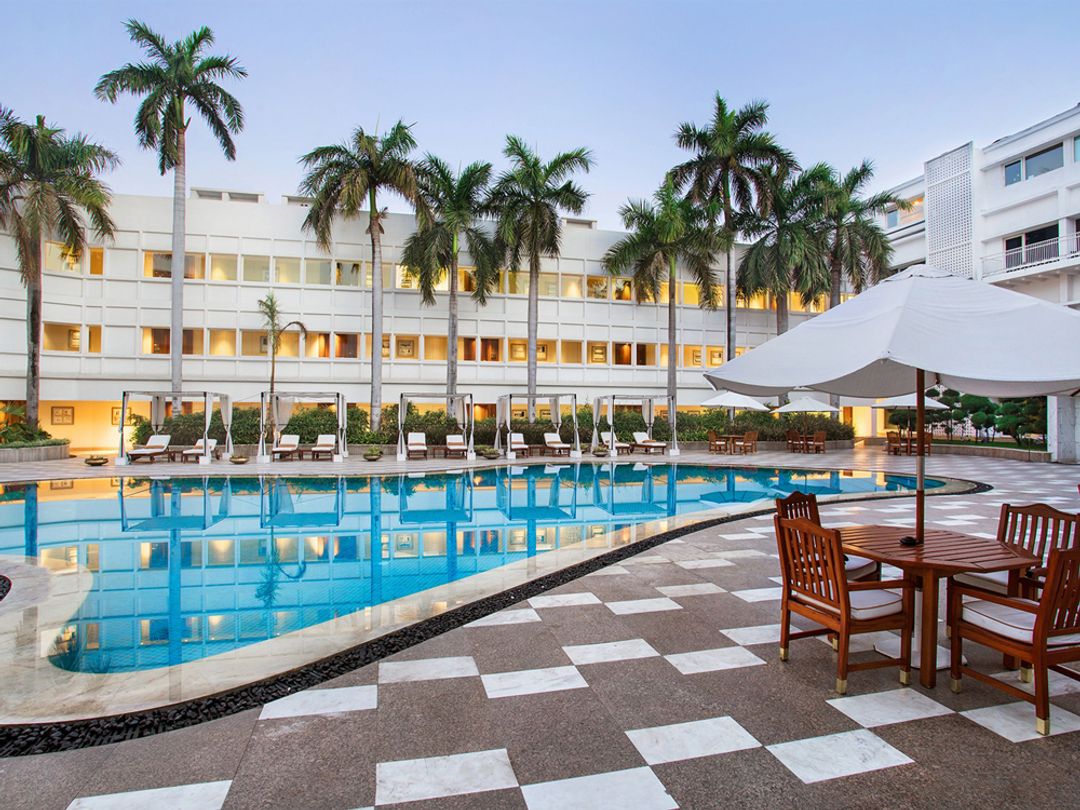
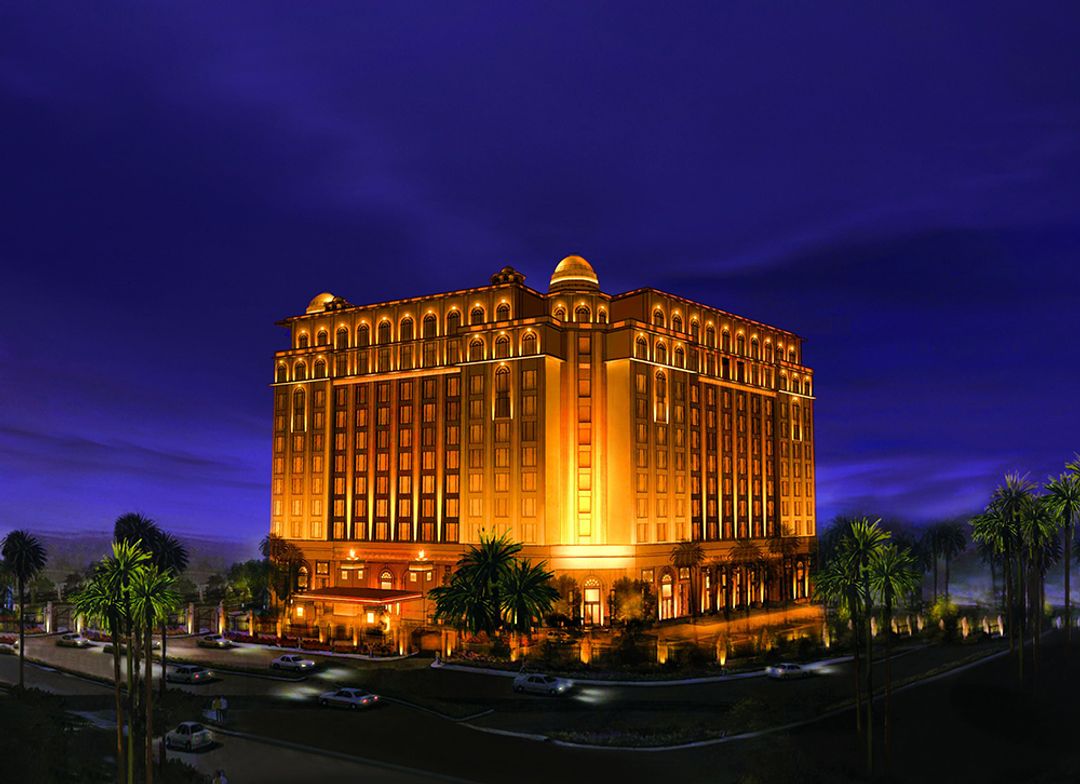
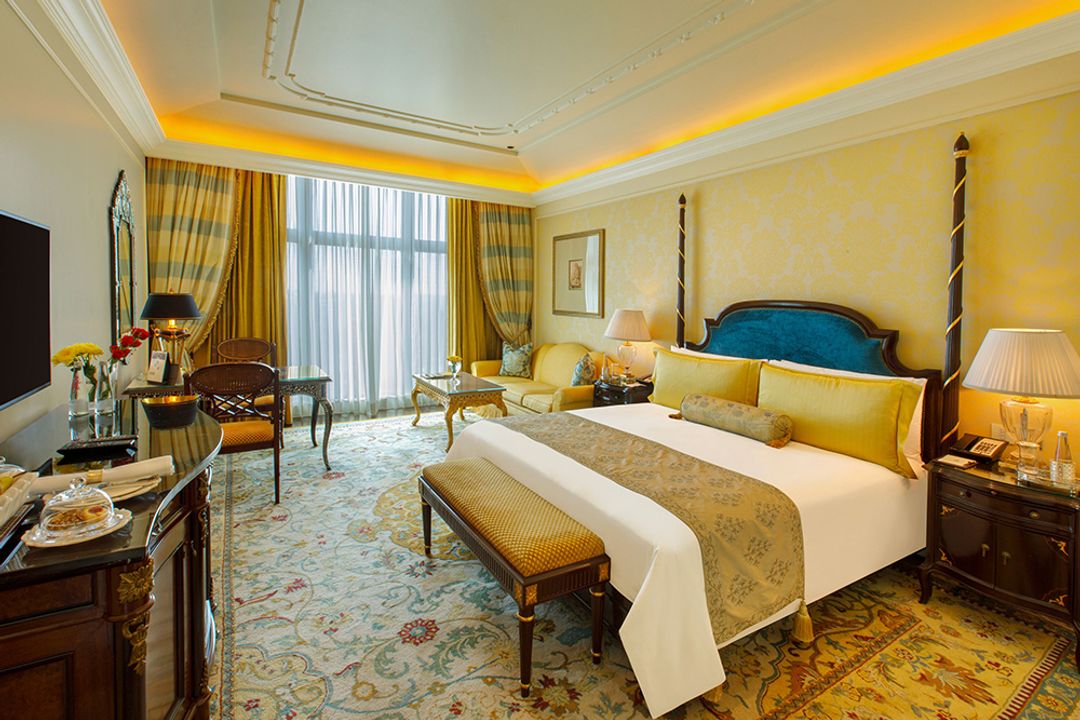
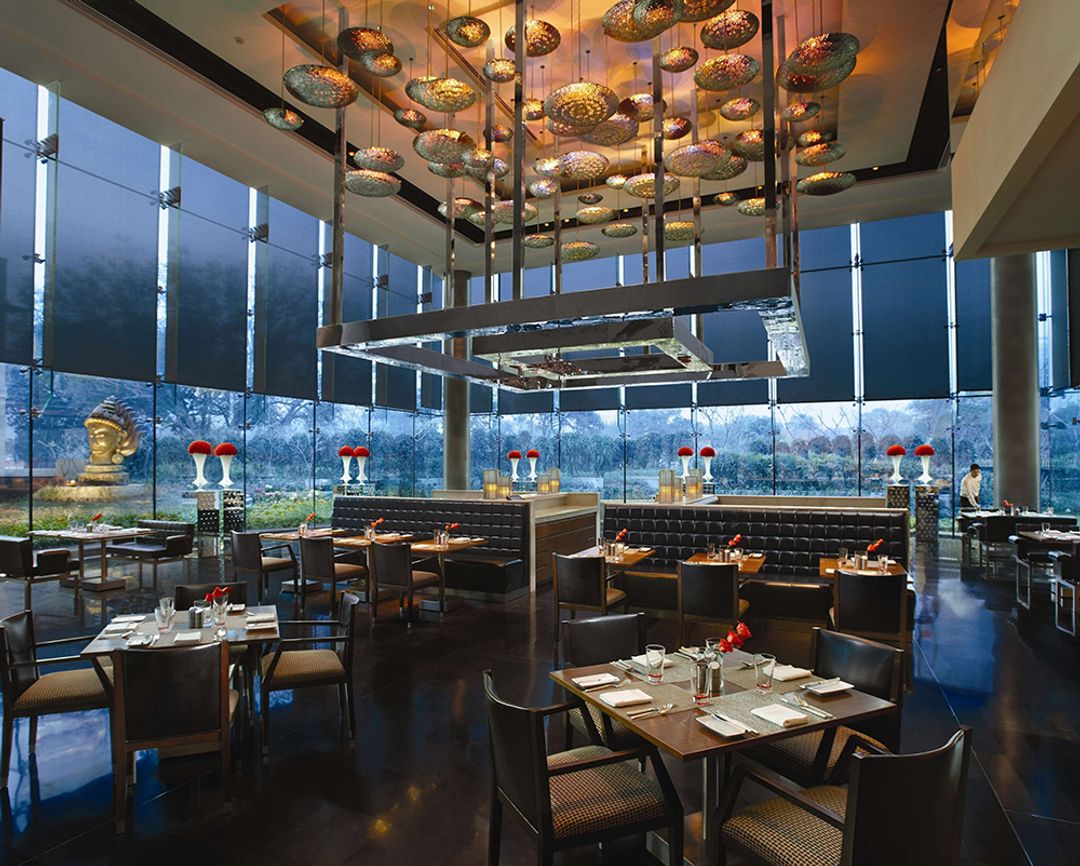
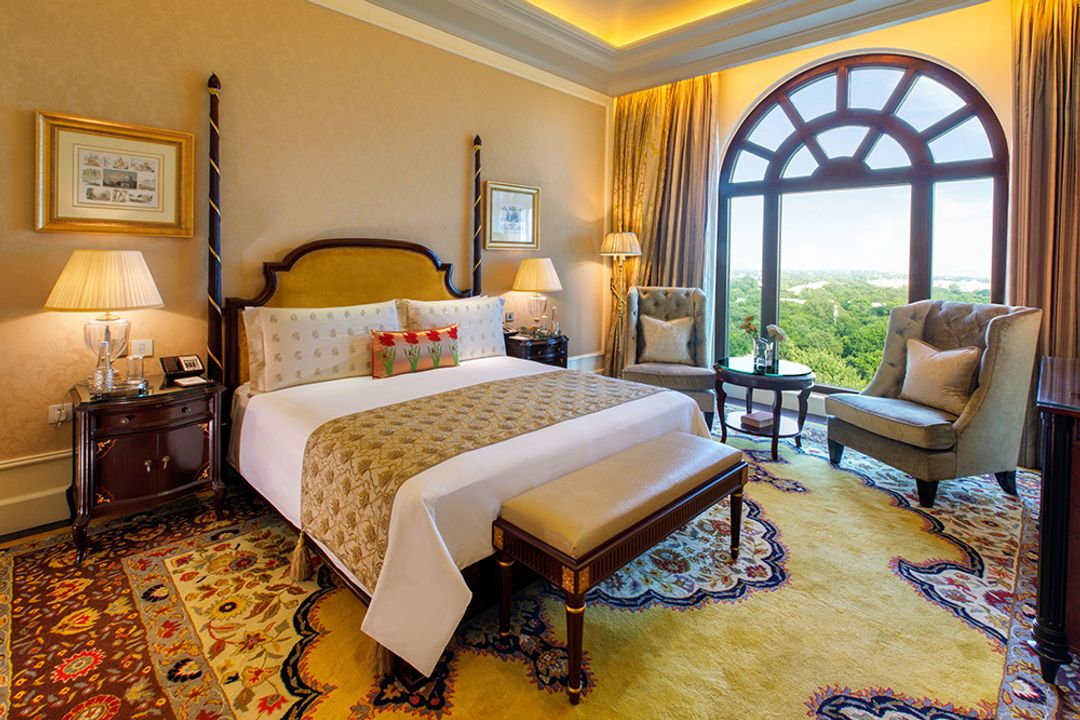
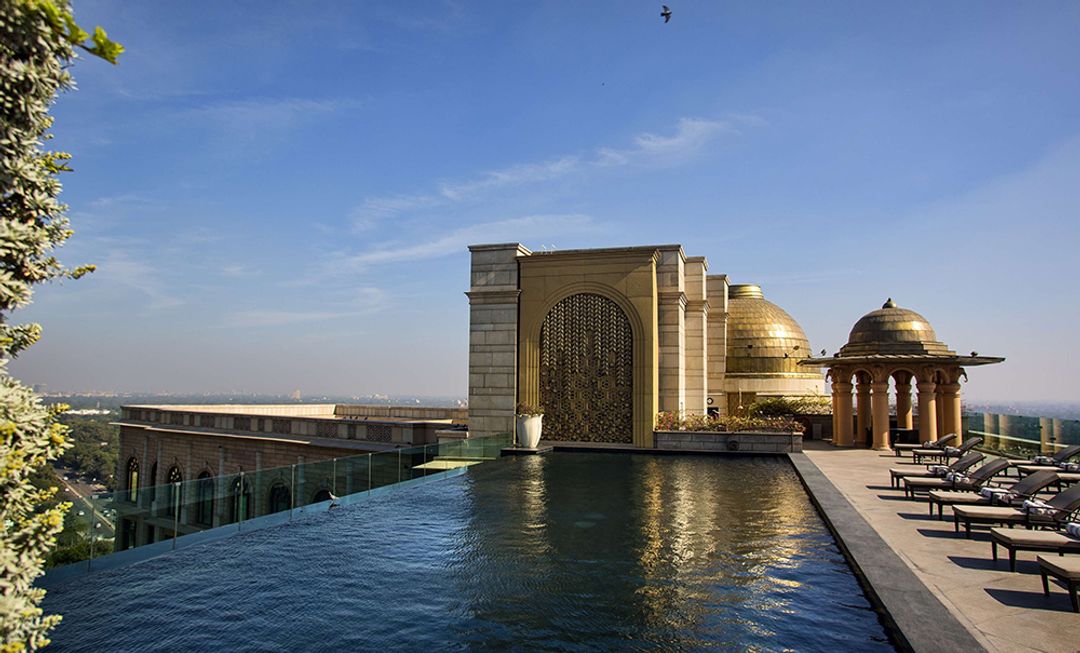
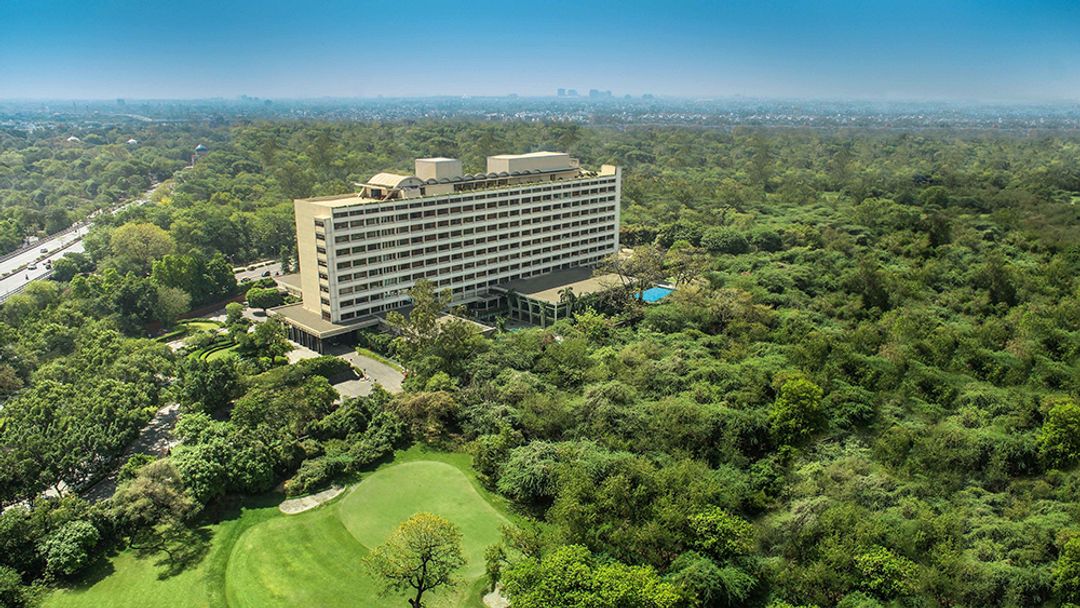
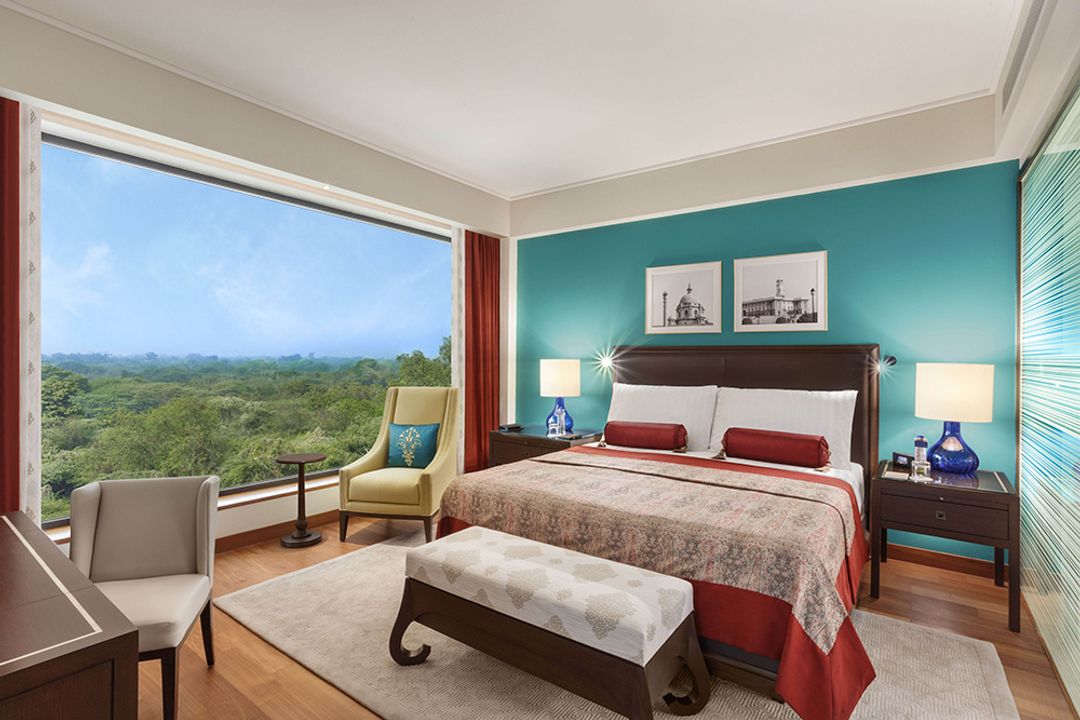
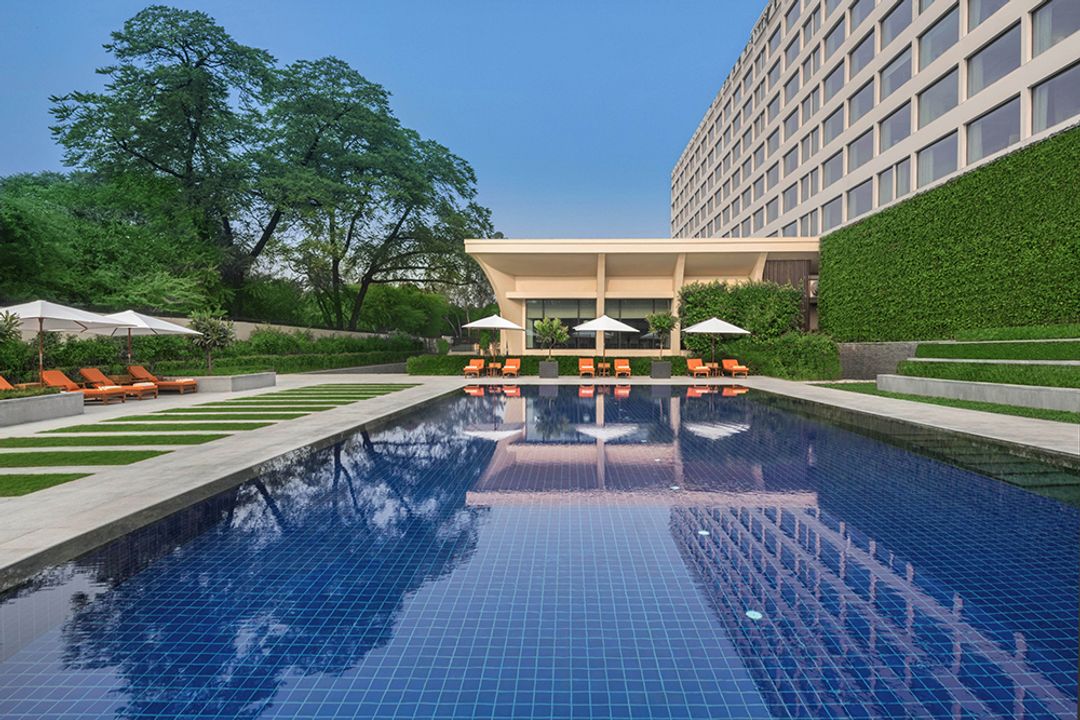
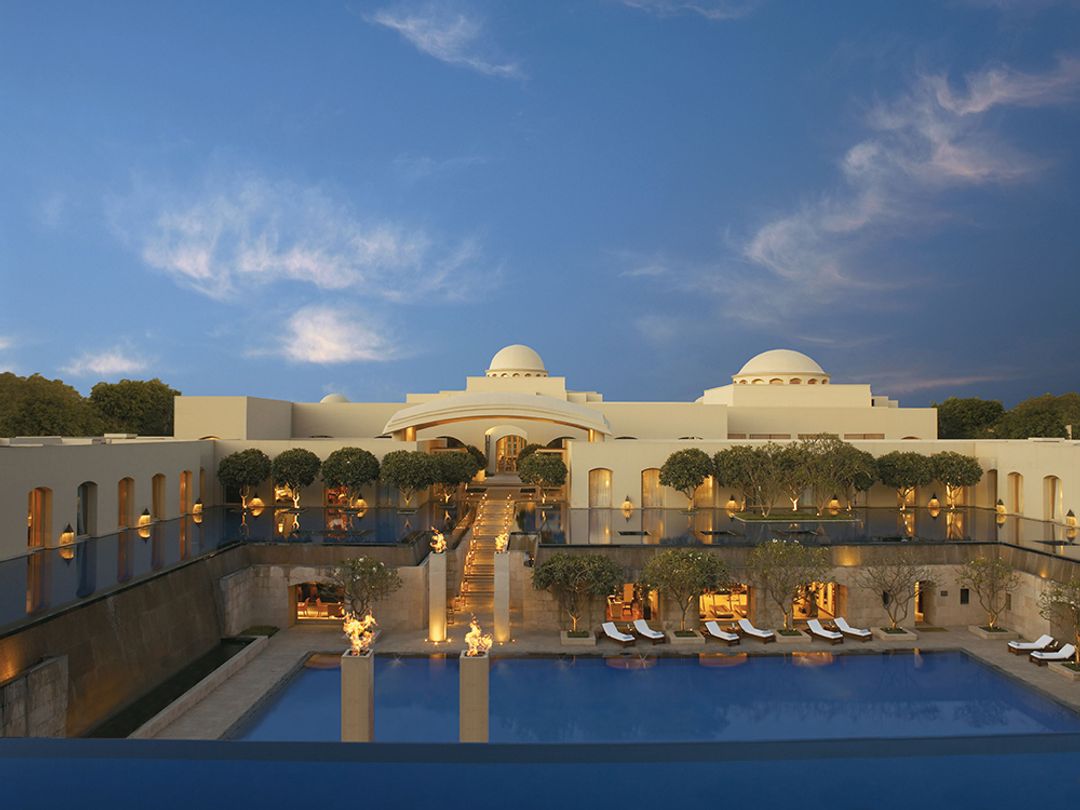
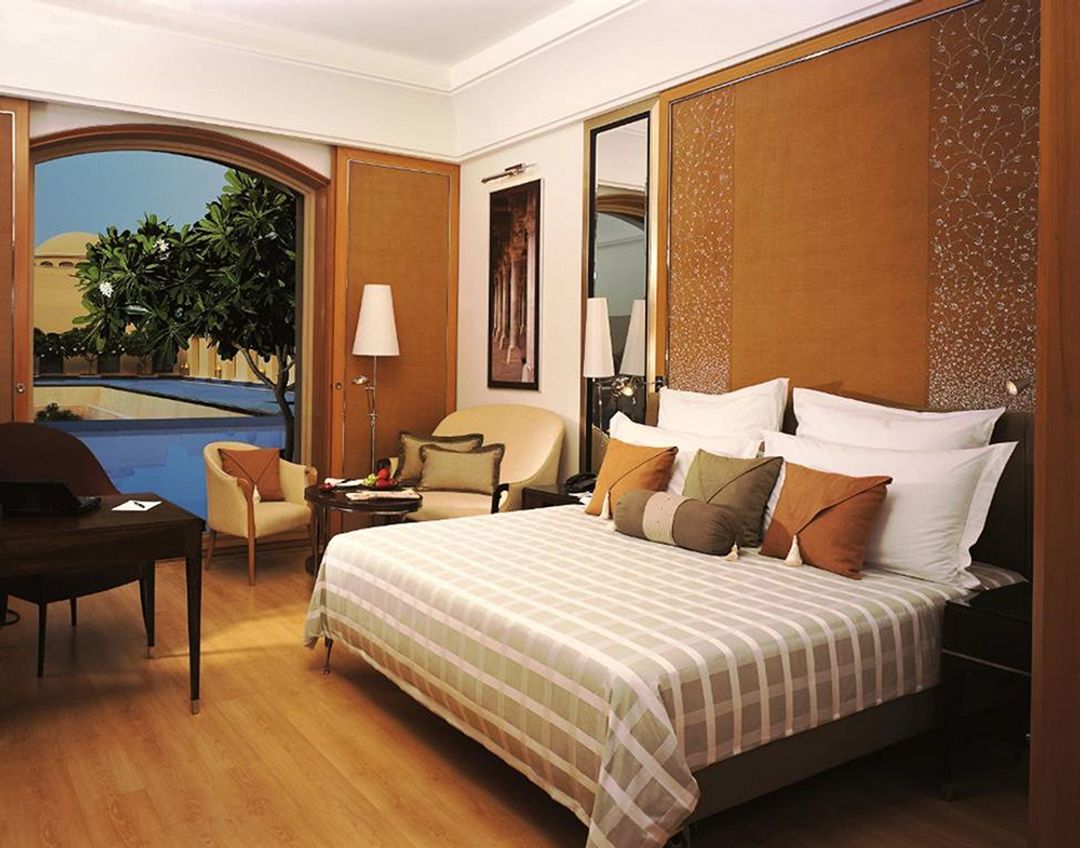
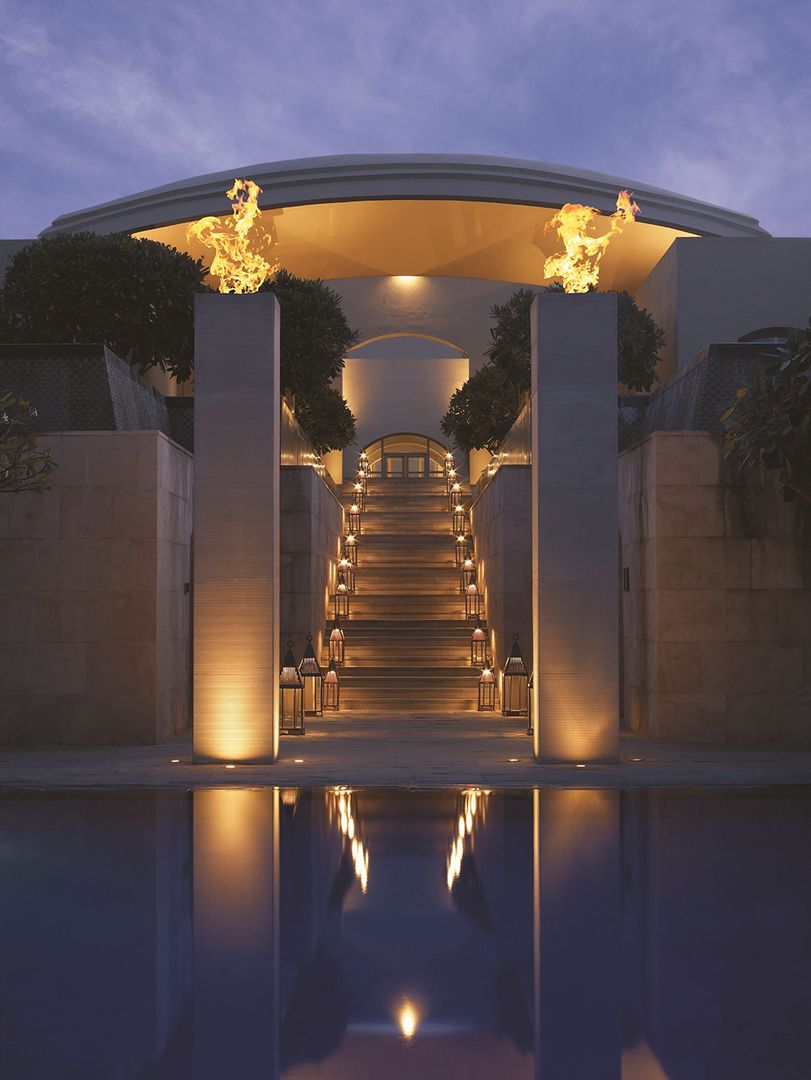
Edwin Lutyens and Herbert Baker built a capital city for an empire, and the bones of that project — the wide ceremonial boulevards, the sandstone formality, the sense of a city designed to project authority — still determine where the most considered hotels in Delhi choose to stand. The Imperial on Janpath is the clearest expression of this inheritance. Designed in 1931 by D.J. Blomfield in a register somewhere between Art Deco and colonial neoclassical, it remains one of the few hotels in India where the architecture itself is the primary design argument. The collection of colonial-era paintings lining its corridors functions less as decoration than as an uncomfortable archive, and the hotel earns credit for not softening that tension. Nearby, The Claridges carries a quieter version of the same Lutyens-era DNA — a 1950s property that has aged into a certain dignified restraint, less theatrical than the Imperial but genuinely at ease in its own skin. The Lodhi, positioned alongside Lodhi Gardens, operates on a different logic entirely. This is contemporary Delhi — clean geometries, generous room volumes, a relationship to landscape and light that feels more aligned with resort architecture than with the colonial city surrounding it. The design approach is controlled without being cold, and the access to the gardens themselves gives it a spatial generosity that most urban hotels in this price range cannot match. It is the most architecturally coherent of the mid-tier options and rewards guests who care about proportion and material finish. Chanakyapuri, Delhi's diplomatic enclave, is where The Leela Palace pitches itself at full volume — a building that borrows liberally from Mughal and Rajasthani architectural vocabulary and deploys it at a scale that tips regularly into spectacle. Whether that reads as confident cultural reference or as excess probably depends on your appetite for grandeur. The Oberoi New Delhi, adjacent to the Delhi Golf Club, is the more composed counterpart: a property that has been through significant renovation and now presents a cleaner, more internationally minded face, though it lacks the site distinctiveness of the Lodhi or the historical weight of the Imperial. The Trident in Gurgaon sits outside the city proper, catering primarily to business travelers who need proximity to the corporate districts south of the border — well-managed, but geographically removed from the architectural conversation happening in central Delhi.