Best hotels in Ranthambore National Park, India | Visually Compare Top Stays Side-by-Side
Welcome to PressBeyond - a curated visual guide to design-driven hotels and the fastest way to compare them.
An Overview of the Boutique & Luxury Hotel Landscape in Ranthambore National Park, India
The Aravalli hills in eastern Rajasthan carry a particular quality of light, amber and insistent, that renders the landscape almost cinematic in the hour before dusk. Ranthambore is tiger country, but it is also fortress country: the tenth-century Ranthambore Fort looms above the park on a rocky escarpment, its ruined walls absorbed into the forest canopy over centuries until the stone and the jungle became genuinely indistinguishable. This historical pressure, the sense of a place where human ambition was slowly reclaimed by wilderness, shapes the experience of being here in ways that no hotel briefing can quite prepare you for.
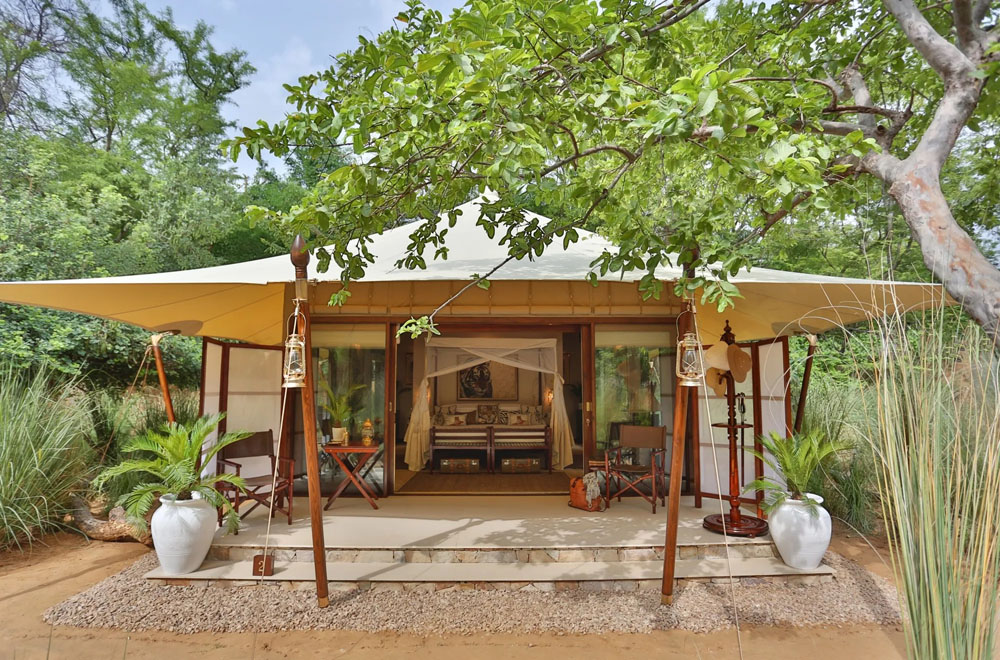
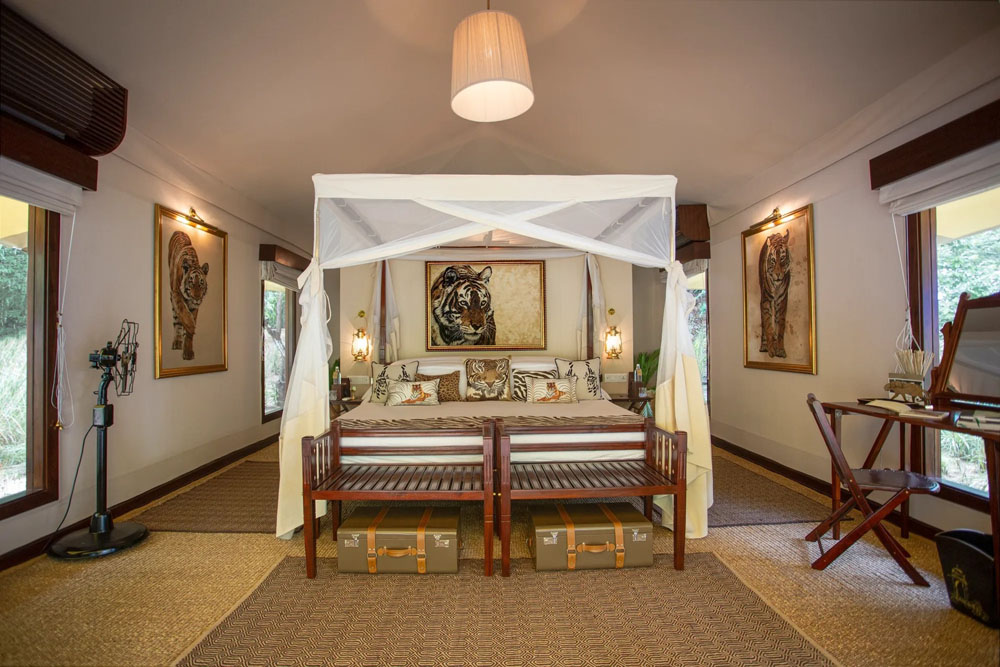
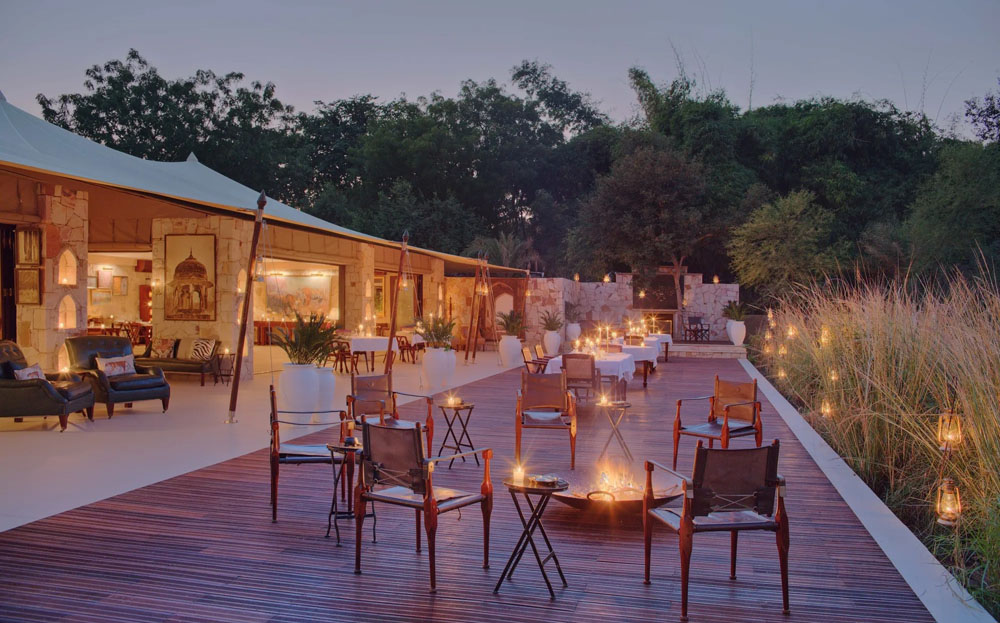
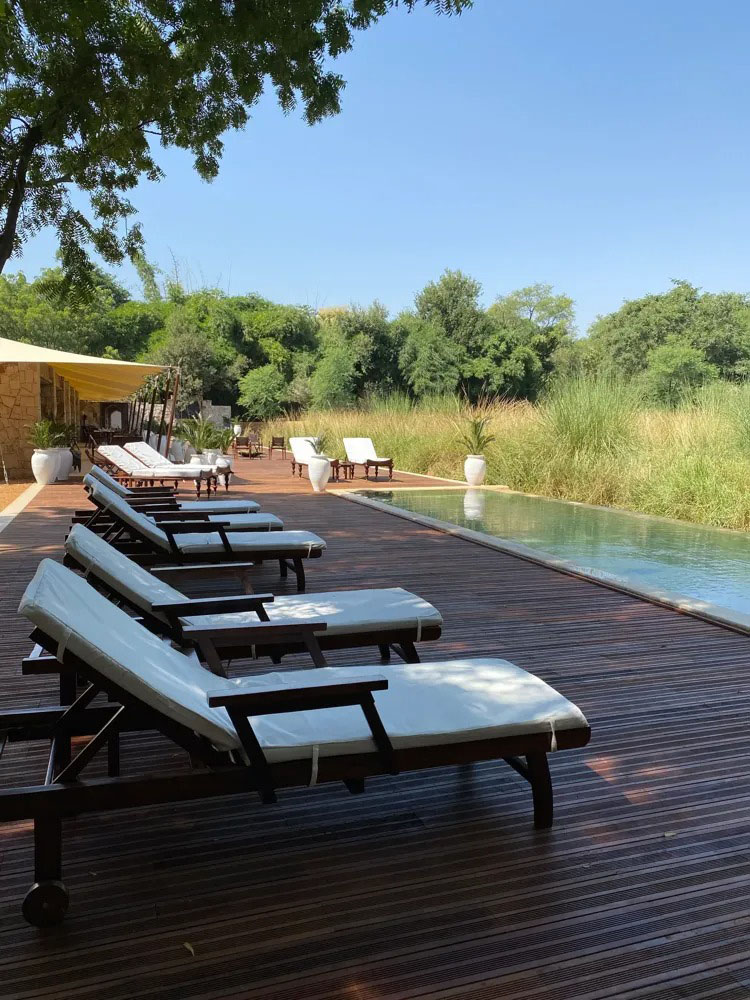
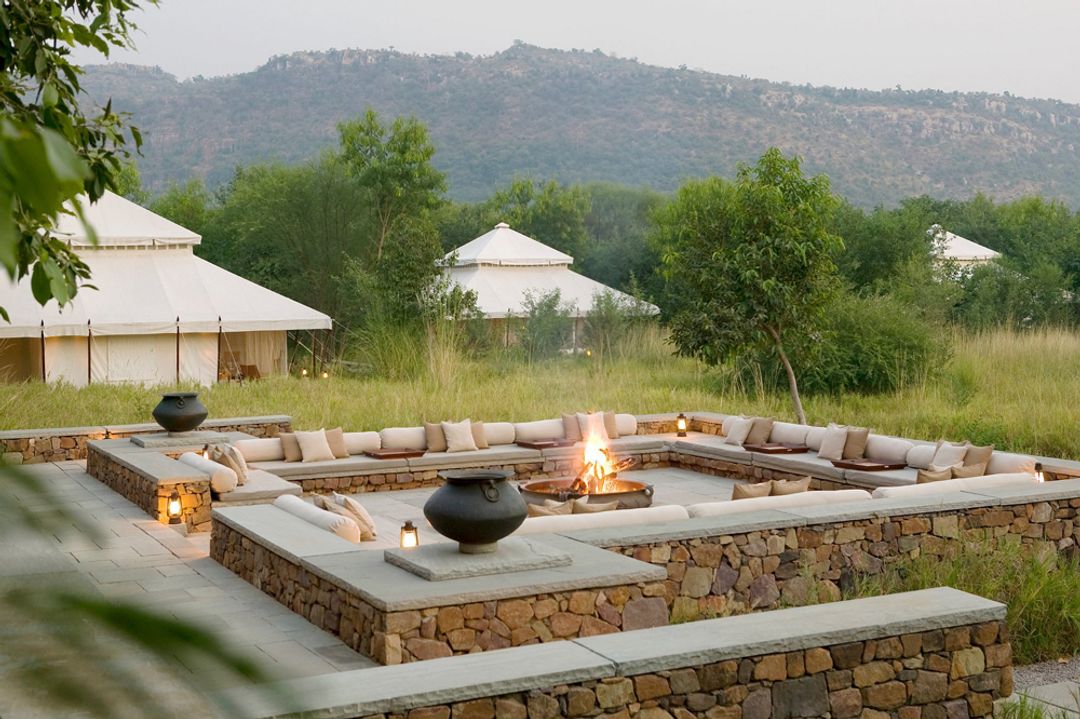
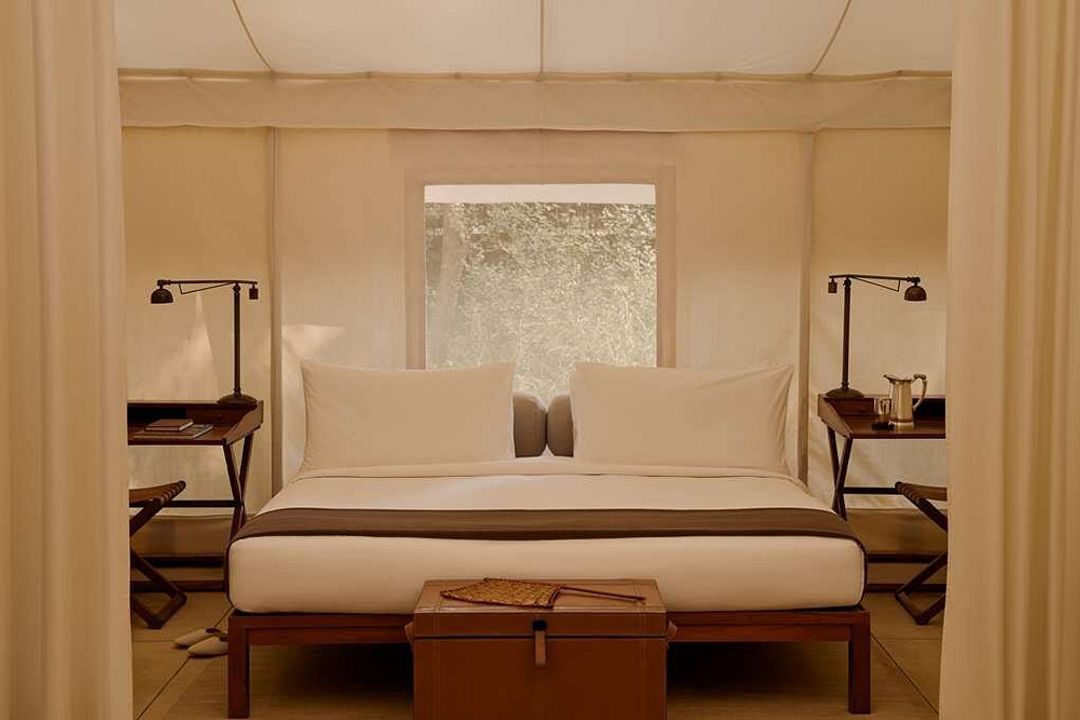
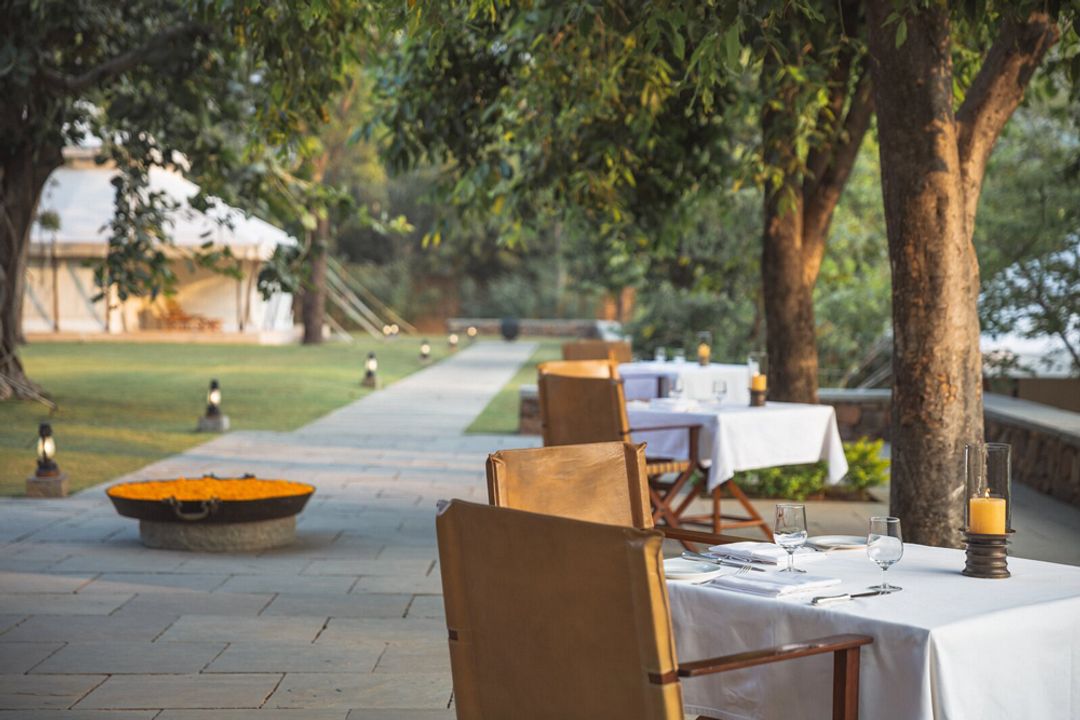
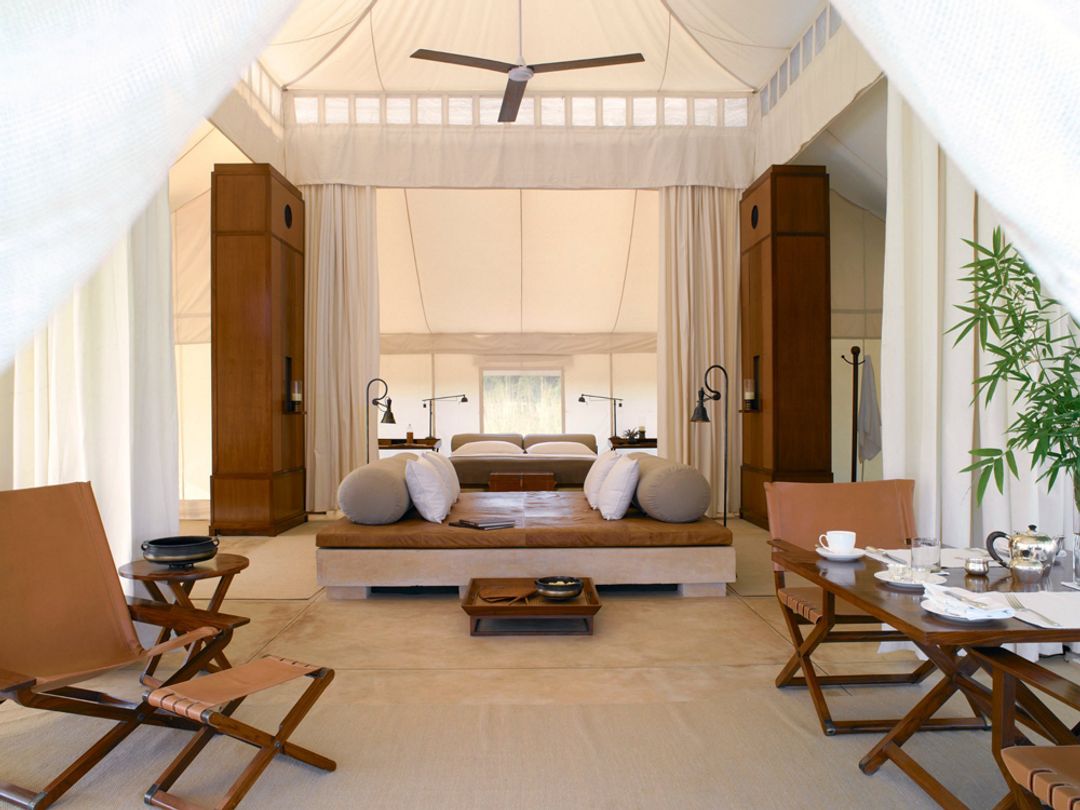
Aman i Khas, positioned on the park's fringe, responds to this landscape through a vocabulary of impermanence. The property is a tented camp, but the word tent does a disservice to what is actually here: a series of large Mughal-inflected canvas structures on raised platforms, with carved wooden furniture, hand-blocked textiles, and a degree of spatial generosity that recalls the traveling courts of the Mughal emperors this region once hosted. The design team drew on Central Asian nomadic form and Rajasthani craft traditions simultaneously, producing something that reads as both historically grounded and deliberately light-footed. Nothing is built to last beyond the season, and that transience is the point. Where the permanent lodges elsewhere in tiger reserves often feel fixed and slightly defensive against the forest, Aman i Khas positions itself as a temporary guest in a landscape with prior claims on the territory.
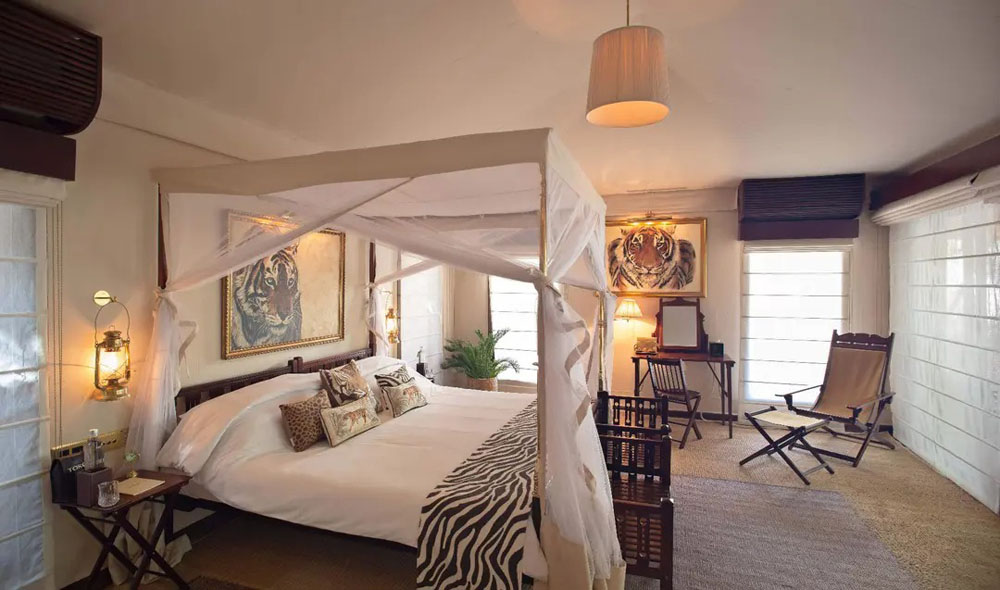
The rate is considerable, the experience genuinely remote, and the calculus here is straightforward for anyone whose reason for coming is the landscape itself rather than the amenities surrounding it. Safaris depart in open jeeps at first light and late afternoon, following dry riverbeds and grassland corridors through zones where sightings are never guaranteed but where the infrastructure of decades of conservation work quietly improves the odds. Back in camp, the proportions of the tent interiors, the height of the ceilings, the weight of the linens, create a specific stillness that makes the evenings feel earned. Ranthambore is one of relatively few places in India where the architecture of staying, when it is done as carefully as it is here, actually deepens your attention to the place rather than substituting for it.