Best hotels in Sumba | A Curated Visual Guide to Top Stays
Welcome to PressBeyond, the ultimate curated visual guide for design-driven hotels! My name is Will Miller and this is my recommendation for the best boutique and luxury hotel in Sumba.
I am the founder of PressBeyond and I am an ultra-meticulous hotel curator who loves clean visuals. I have individually analyzed and tiered the hotel included in this guide based on a variety of criteria (architecture & design, location, brand & brand affiliation, existing reviews, and my own personal experiences), and importantly, I have hand-selected the leading imagery for this hotel to provide you with easily-digestible, yet detailed and complete, like-for-like, high-level visual profiles. I felt this summarization step was a critical missing piece across existing guides, blogs, and booking platforms. My aim is to make it easier for people to identify hotel environments that resonate with them, along with enabling them to visualize the types of social experiences that those environments help foster. My brain doesn't work when exposed to cluttered content, so my goal was to create the opposite.
Underneath this, we are also a full booking engine offering 5% Venmo cash back along with other exclusive perks. For all of you design-obsessed hotel enthusiasts out there, I hope this guide helps get you to where you see yourself!
An Overview of the Boutique & Luxury Hotel Landscape in Sumba
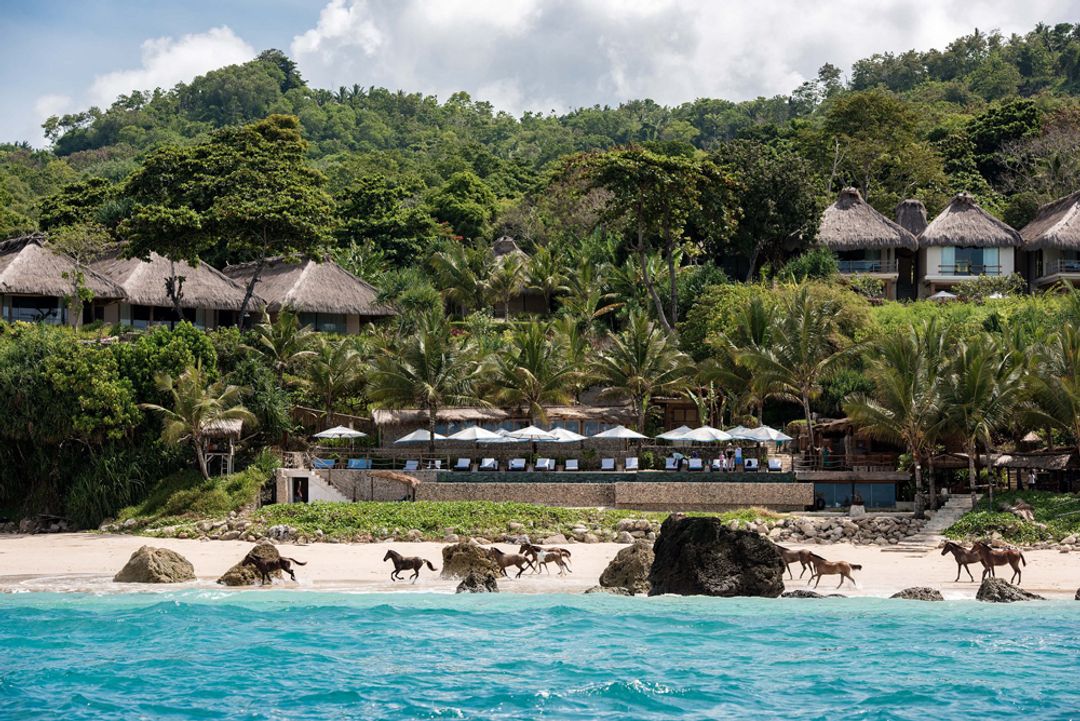
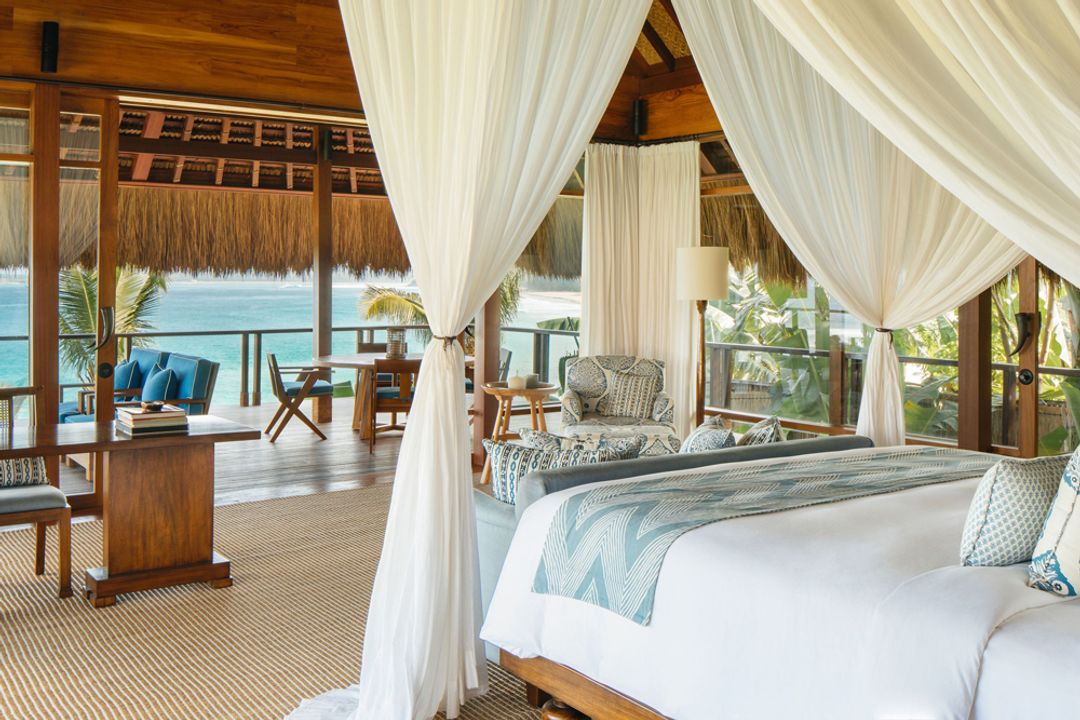
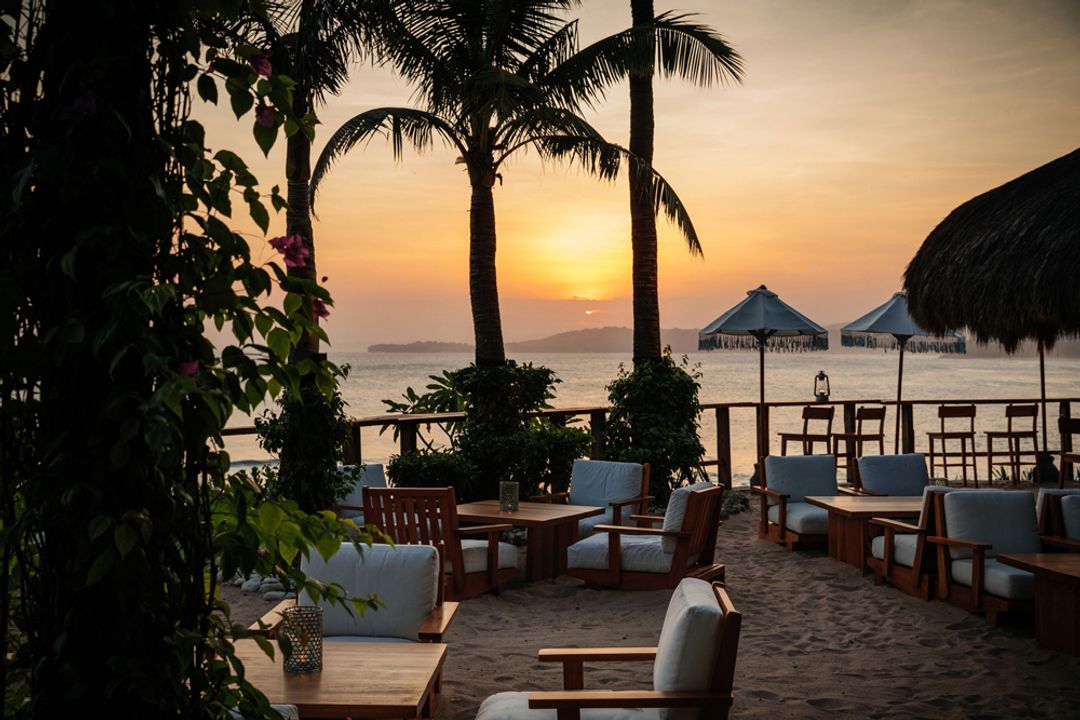
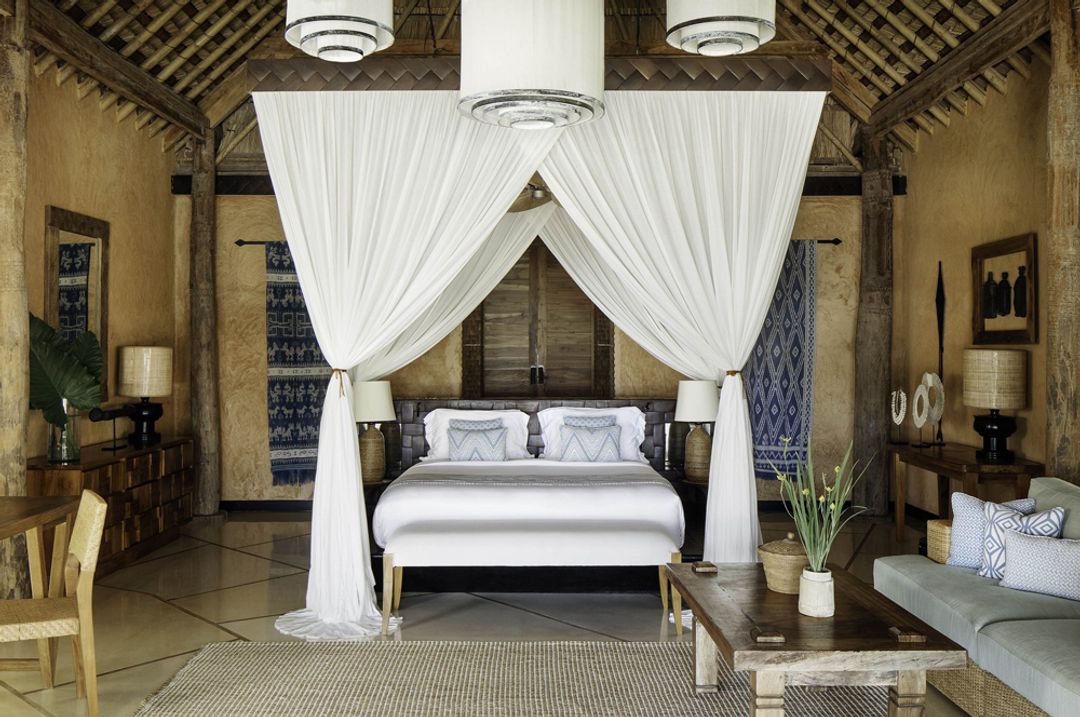
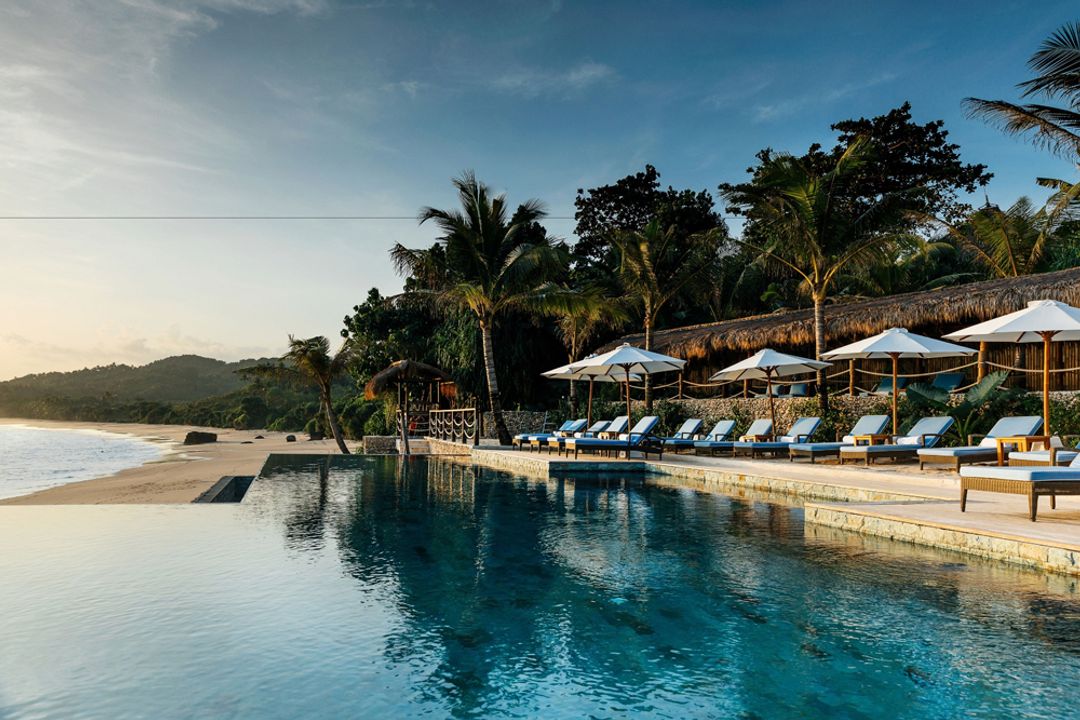
Sumba sits apart from the Indonesian archipelago's more trafficked coordinates — no Balinese temple circuit, no Lombok surf calendar — and that distance is precisely the point. The island's interior is defined by the ikat-weaving traditions of its villages, by megalithic stone tombs that punctuate grass-covered hillsides, and by a landscape that swings between savanna arid enough to feel East African and coastline so raw it barely registers as discovered. The architecture of traditional Sumba compounds — clan houses with their dramatically pitched, towering roofs built from lontar palm and bamboo — represents one of the most visually arresting vernacular traditions in Southeast Asia, one that hasn't been flattened into resort pastiche in the way that Balinese architecture so often has. NIHI Sumba, on the southwest coast at Nihiwatu Beach, is the single property on this platform for the island, and the argument for its inclusion is straightforward: it is one of the more thoughtful interpretations of place-based resort design operating anywhere at this price point. The property spreads across forested hillside above a surf break that the resort deliberately limits to a small number of guests per day — a form of scarcity that feels architectural in its own right. The villas draw from Sumbanese vernacular forms, using steep thatched roofs and open-sided pavilion structures that allow the coastal air to move through rather than engineering against the climate. Materials are local and mostly unfinished in ways that feel intentional rather than incomplete. The interiors incorporate hand-woven ikat textiles made by women from surrounding villages, and the craft reads as genuine sourcing rather than decorative gesture. The rate — well above $2,000 per night — positions NIHI in a category where design and setting are expected to carry the cost of admission, and here they largely do. What distinguishes it from comparable properties in Bali or the Maldives is a quality of roughness that hasn't been edited away: horses roam the beach at dusk, the surrounding village life is genuinely proximate, and the surf at Nihiwatu is as serious as the property's mythology around it suggests. For a traveler whose interest in design extends to landscape, material culture, and the question of how architecture behaves when removed from an urban context, Sumba offers something that the more produced corners of Indonesian tourism cannot.