Best hotels in Cork, Ireland | Visually Compare Top Stays Side-by-Side
Welcome to PressBeyond - a curated visual guide to design-driven hotels and the fastest way to compare them.
An Overview of the Boutique & Luxury Hotel Landscape in Cork, Ireland
Cork earns its reputation on texture rather than spectacle. The city sits in a natural harbor bowl, its center occupying an island in the River Lee, with the older residential neighborhoods climbing steep hills on either side. The vernacular architecture is particular: Georgian terraces in warm limestone, the occasional Dutch-gabled merchant house from the seventeenth century, and the kind of layered Victorian commercial streetscape that survived twentieth-century redevelopment largely intact. The English Market, covered and operational since 1788, gives some sense of how Cork holds onto things. There is a civic self-assurance here that does not need to shout, and the architecture reflects it.
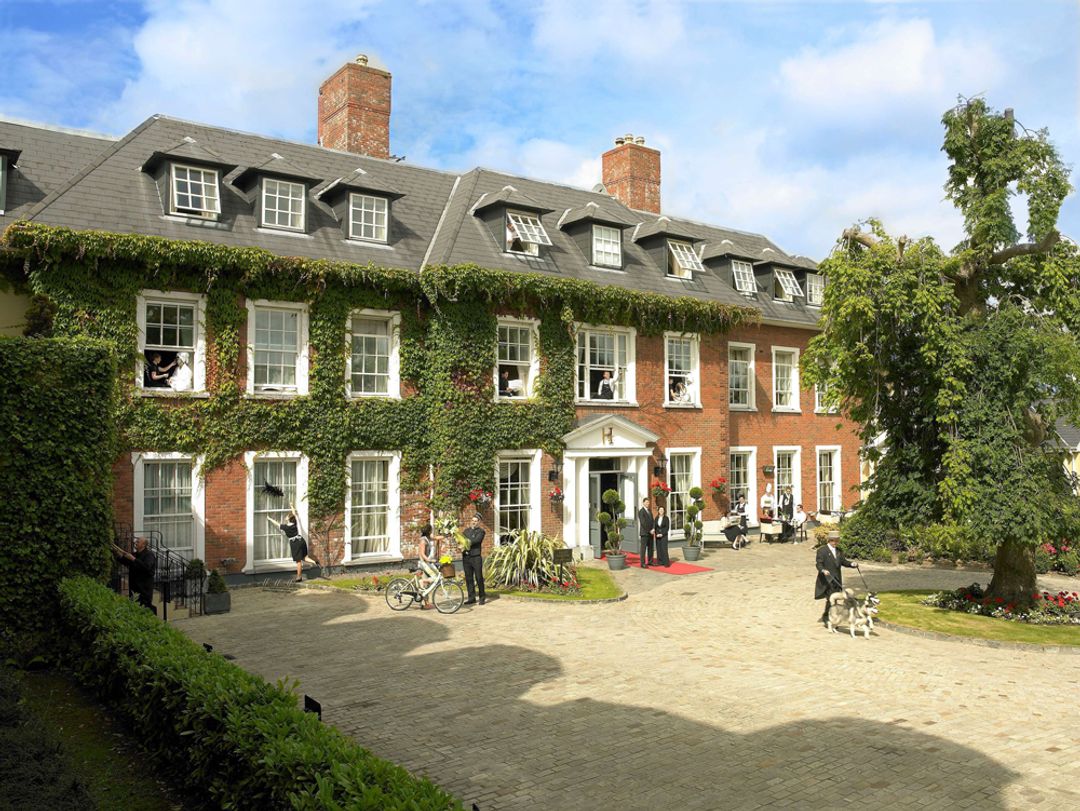
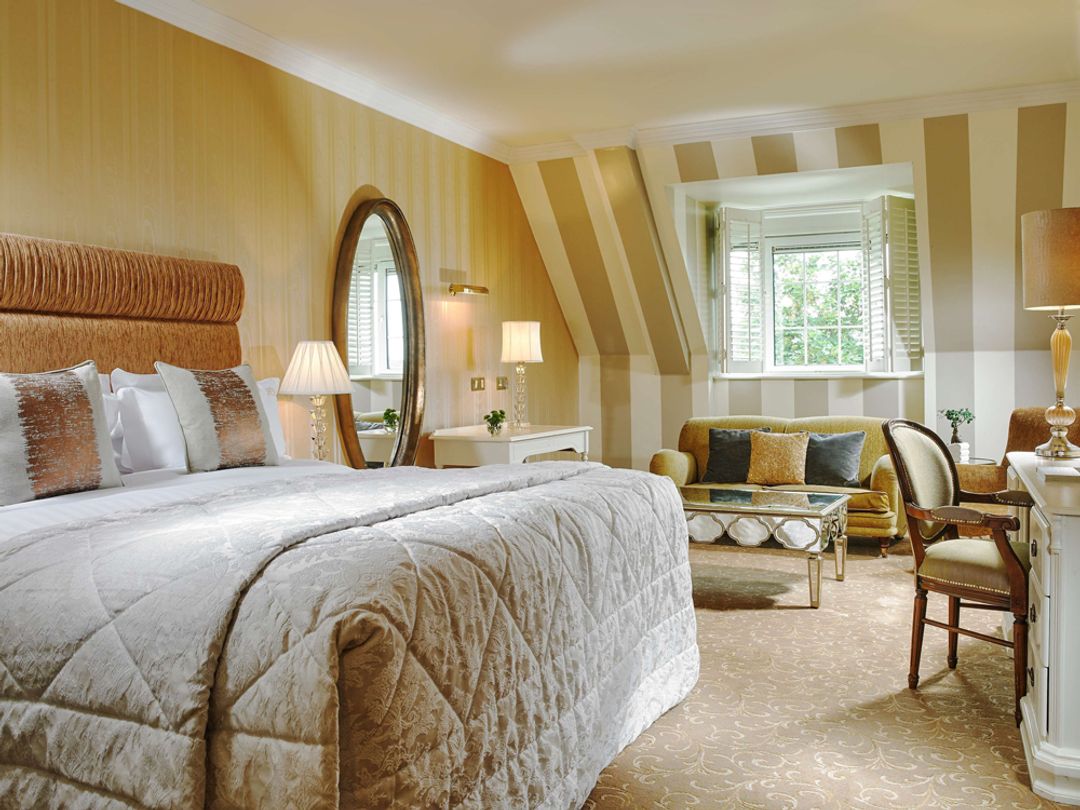
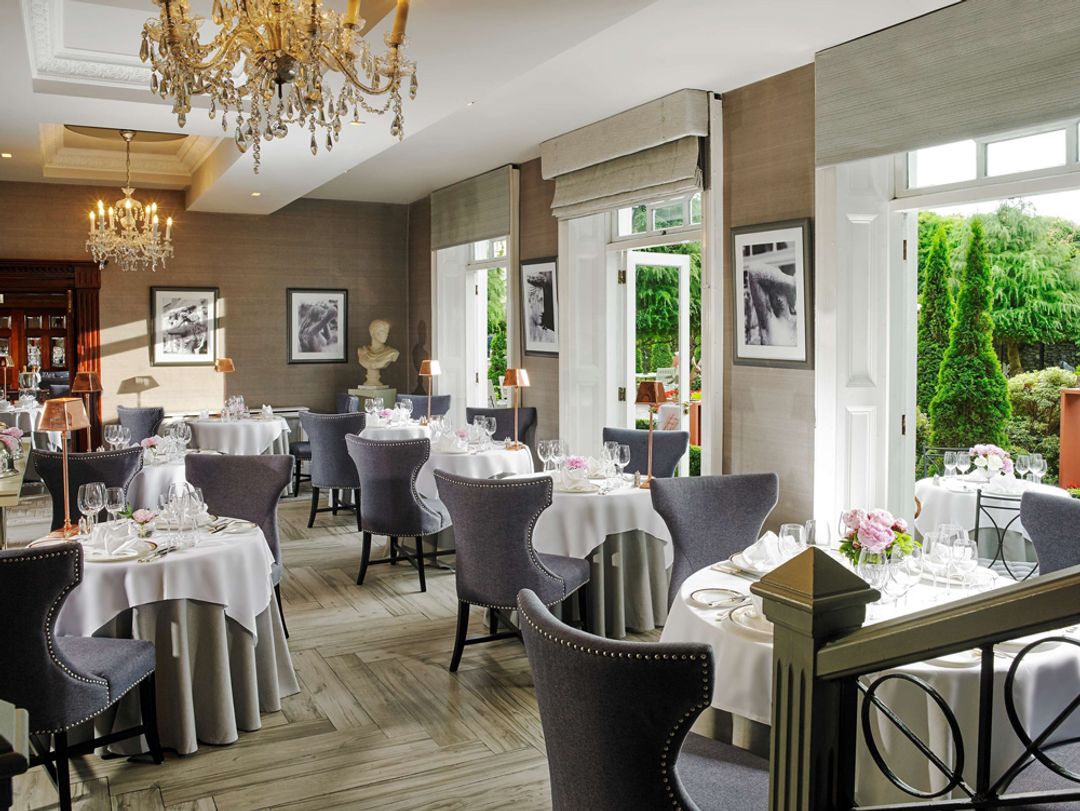
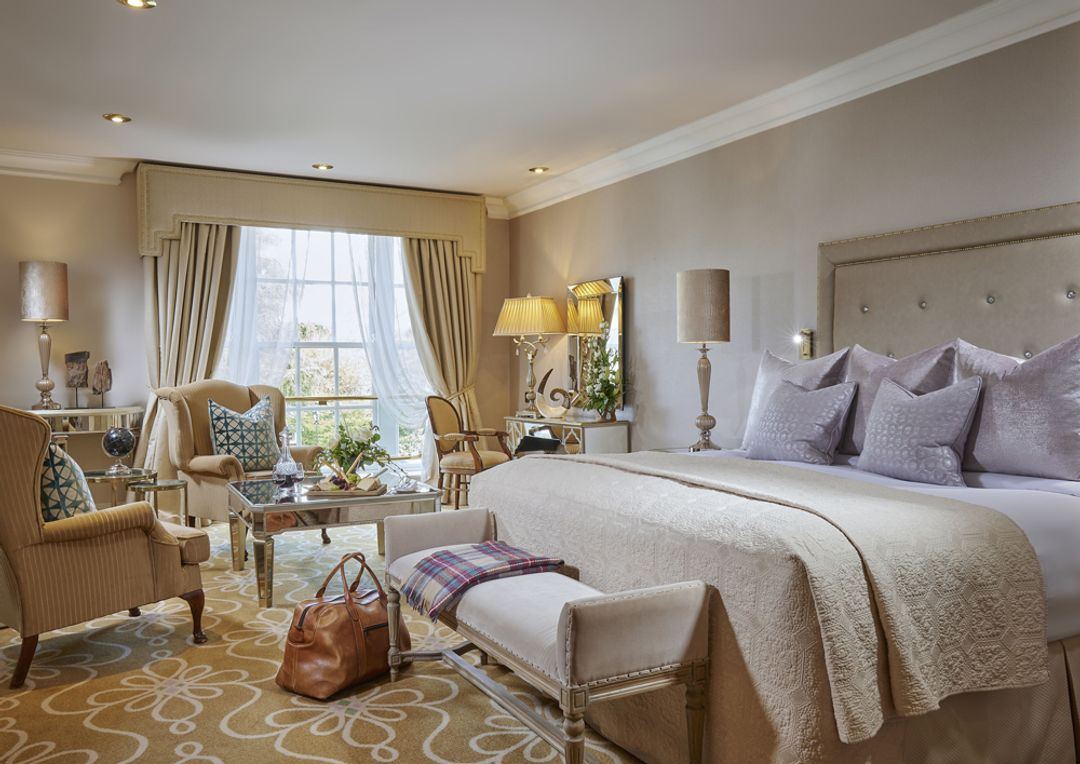
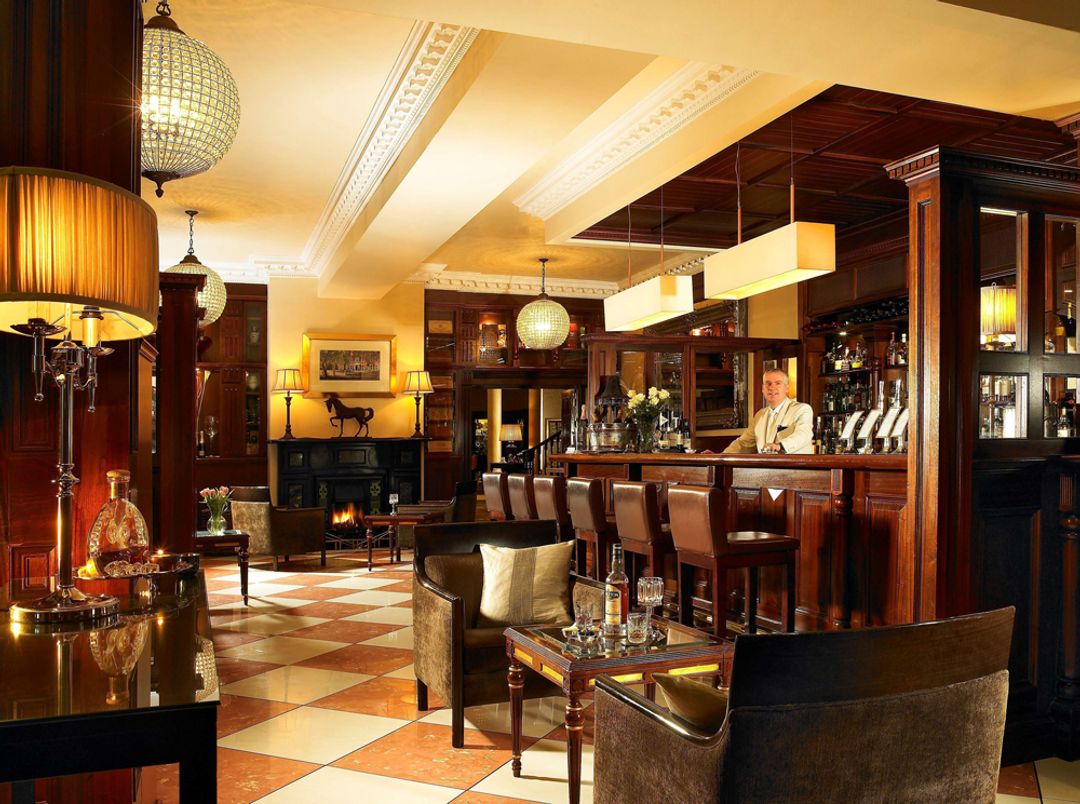
Hayfield Manor, in the University Quarter on the city's south side, understands this register entirely. The property sits close to University College Cork, whose grounds contain one of Ireland's finest examples of Collegiate Gothic, designed by Sir Thomas Deane and Benjamin Woodward in the 1840s. Hayfield itself is a Victorian country house that has operated as a hotel since 1996, and its owners have been careful not to modernize it into abstraction. The interiors favor antique furniture, open fireplaces, and the kind of considered domesticity that you find in the better Irish country house hotels, without the formality that can make those places feel like museums. The walled garden is a genuine amenity, not an afterthought, and the spa, added later, sits within the property without disturbing its proportions. At around $380 a night it sits at the top of what Cork currently offers, but it earns that position through consistency and a kind of earned quietness.
For a traveler whose instinct is to look at buildings and understand a city through its material choices, Cork rewards patience. The medieval city is fragmentary, the Georgian inheritance more legible in neighborhoods like Sunday's Well and Blackrock than in the center. But the University Quarter, with Deane and Woodward's quadrangles a short walk from the hotel's front door, offers a concentrated encounter with the architectural ambitions of nineteenth-century Ireland. Staying at Hayfield puts you in the middle of that without requiring any compromise on comfort. It is the kind of hotel that functions best when you are using the city seriously, rather than simply passing through it.