Best hotels in Limerick, Ireland | Visually Compare Top Stays Side-by-Side
Welcome to PressBeyond - a curated visual guide to design-driven hotels and the fastest way to compare them.
An Overview of the Boutique & Luxury Hotel Landscape in Limerick, Ireland
Limerick sits at the tidal reach of the Shannon, Ireland's longest river, and the city's character has always been shaped more by commerce and conflict than by the genteel tourism narratives that smoothed out places like Killarney or Kinsale. The medieval core, the Georgian streets of Newtown Pery, the docklands and the castle — these are a city still working out what it wants to be, honest in its roughness in a way that the more visitor-polished Irish towns are not. The architectural texture is real but uneven: good Georgian brick interrupted by decades of careless development, the Treaty Stone and King John's Castle carrying genuine historical weight against a backdrop that rewards curiosity rather than passive sightseeing.
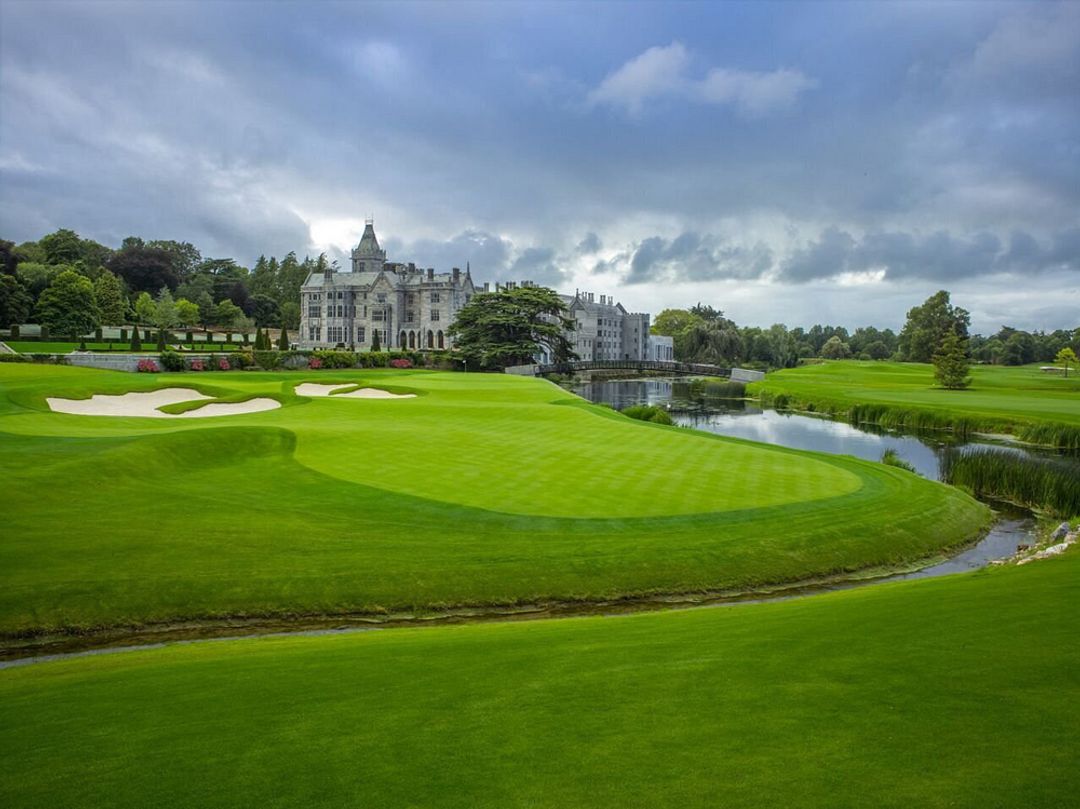
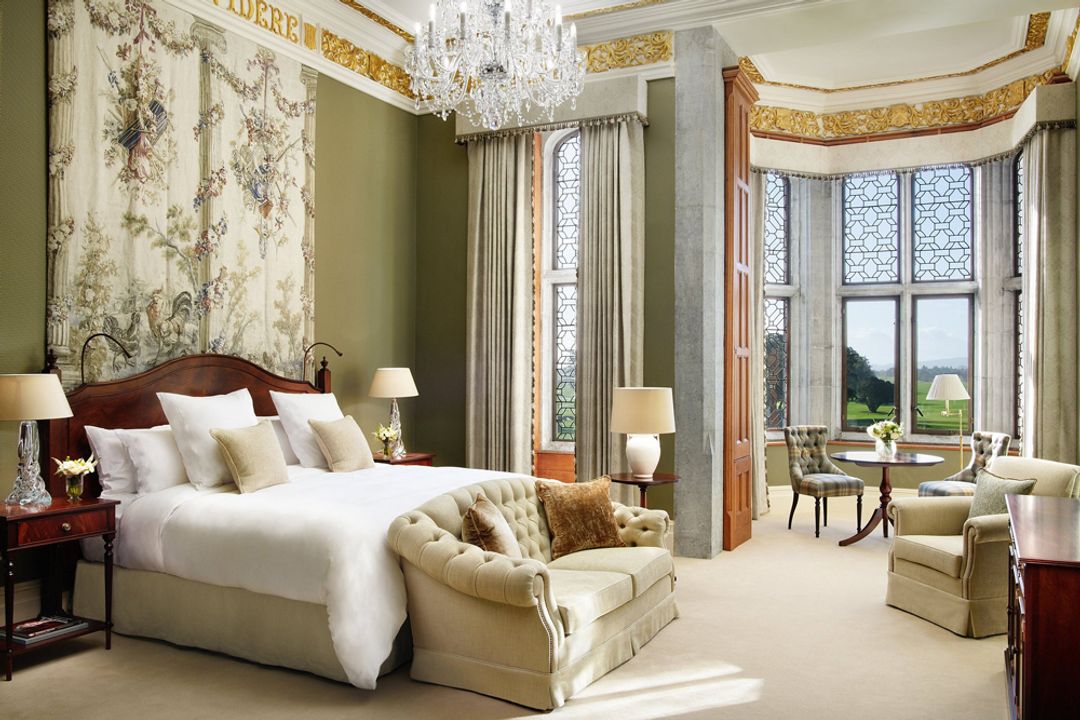
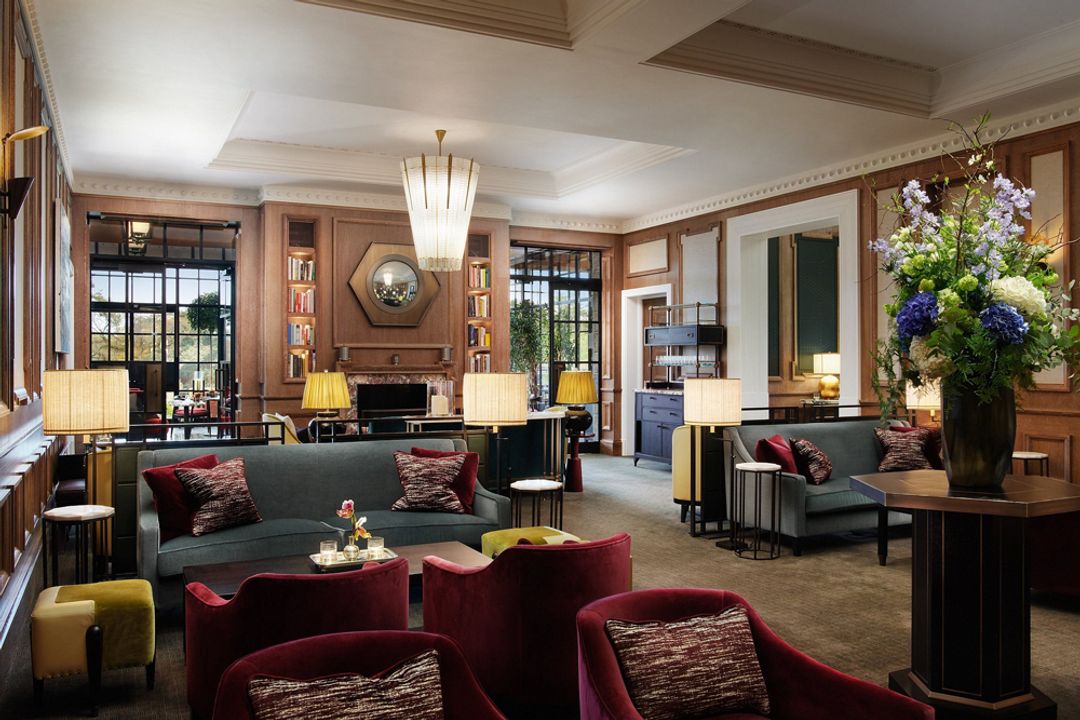
The reason most travelers with any instinct for architecture and landscape end up in this corner of Munster, however, lies twelve kilometres south of the city center, in the village of Adare. Adare Manor is the proposition: a vast Gothic Revival country house completed in 1862 for the Earls of Dunraven, with detailing that runs from carved stone fireplaces to a 100-metre gallery that feels closer to an Oxford college than to any conventional hotel corridor. The estate's current iteration, following an extensive restoration completed in 2017, has expanded the facilities significantly while keeping the Victorian fabric largely intact. The interiors balance period seriousness with contemporary comfort, and the grounds — thatched cottages, manicured riverside gardens, the River Maigue threading through the parkland — give the whole property an almost theatrical completeness. The golf course, designed by Tom Fazio, has since hosted the Ryder Cup, which brought a particular kind of international attention but does nothing to diminish the house itself for a traveler whose primary interest is the building.
What makes Adare Manor worth the rate, beyond the spectacle of arrival, is the density of craft visible throughout. The stonework is genuinely fine, the scale is generous without tipping into the anonymity that afflicts many large luxury properties, and the surrounding village of Adare, with its line of thatched estate cottages built by the same Dunraven family, gives the stay a legible historical context that most hotel grounds cannot provide. For anyone who reads a building as a kind of evidence — of ambition, of period taste, of the specific conditions that produce a place like this — County Limerick makes a compelling case.