Best hotels in Bologna, Italy | Visually Compare Top Stays Side-by-Side
Welcome to PressBeyond - a curated visual guide to design-driven hotels and the fastest way to compare them.
An Overview of the Boutique & Luxury Hotel Landscape in Bologna, Italy
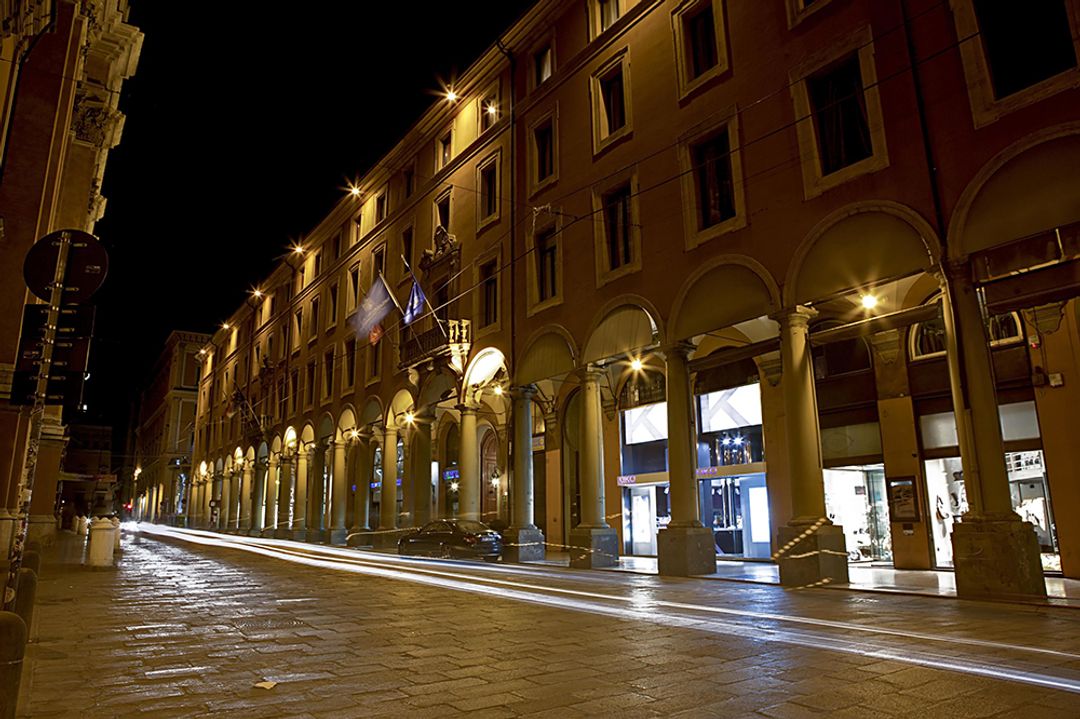
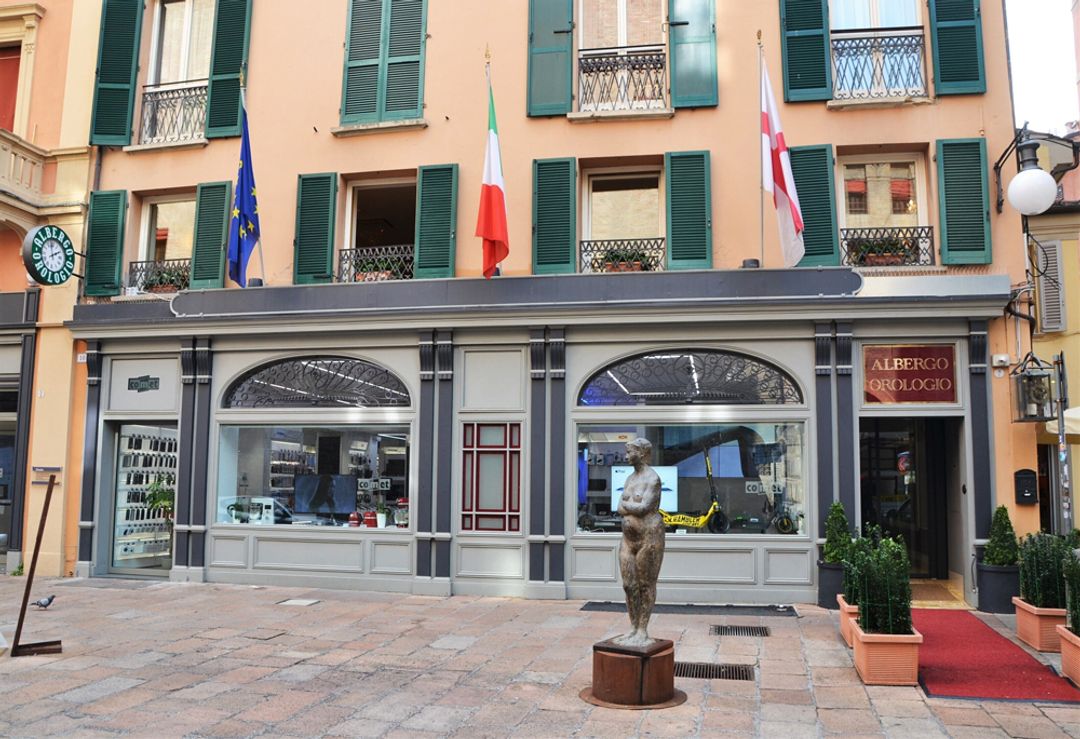
Bologna is a city whose architecture announces itself through covered walkways rather than monuments. The porticoes, nearly forty kilometers of them stitching the historic center together, create a particular kind of urban experience: shaded, continuous, unhurried. To stay anywhere near Piazza Maggiore is to be inside that experience rather than adjacent to it, and the Art Hotel Orologio places you precisely there, facing the medieval clock tower on one of the great civic squares of northern Italy. The hotel is modest in scale and mid-range in ambition, but its position does real work. Rooms on the upper floors look directly onto the Fontana di Nettuno and the terracotta roofscape that stretches toward the Apennines on clear days. For a traveler whose instinct is to walk out the door and immediately be somewhere meaningful, few addresses in Bologna compete with it.
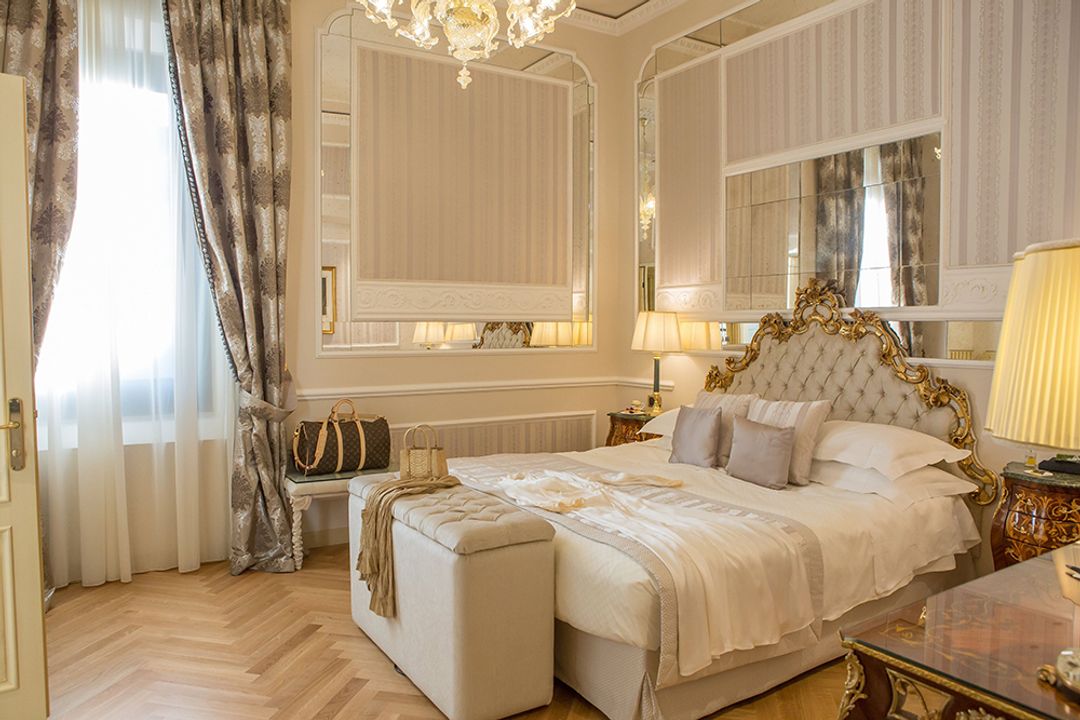
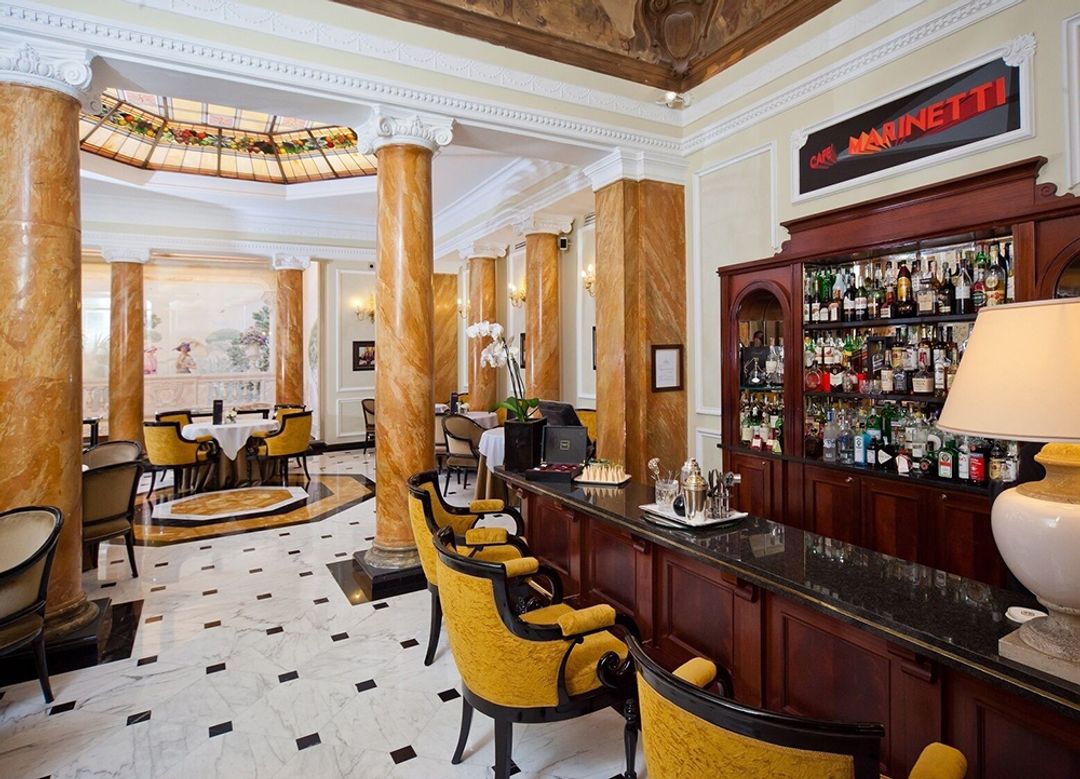
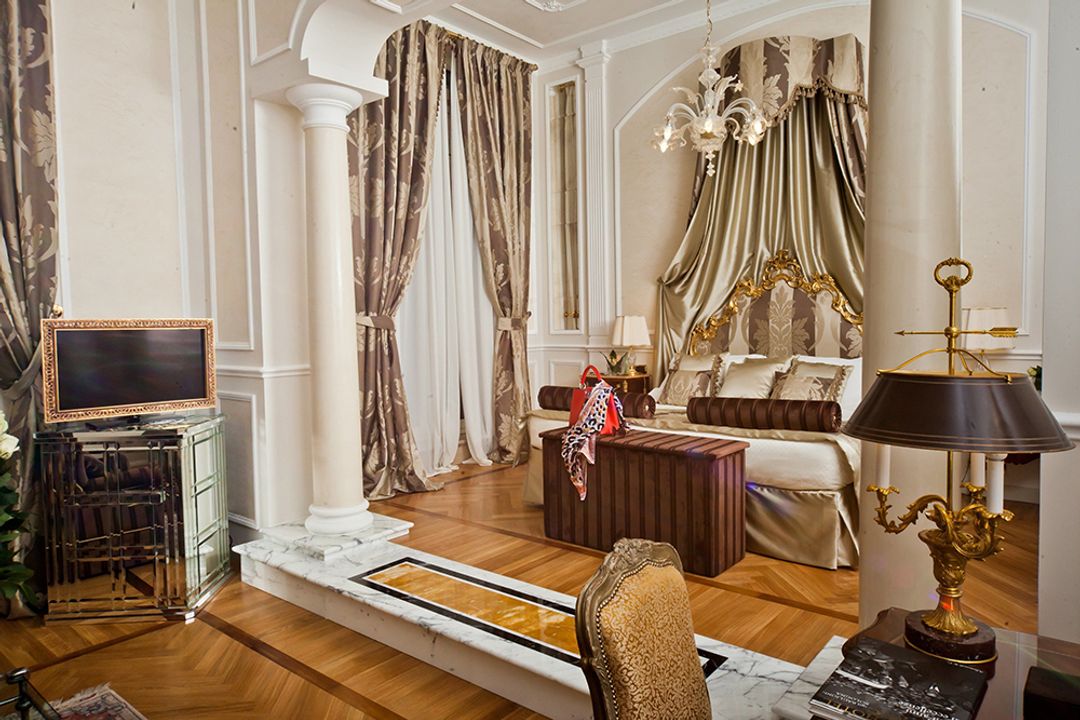
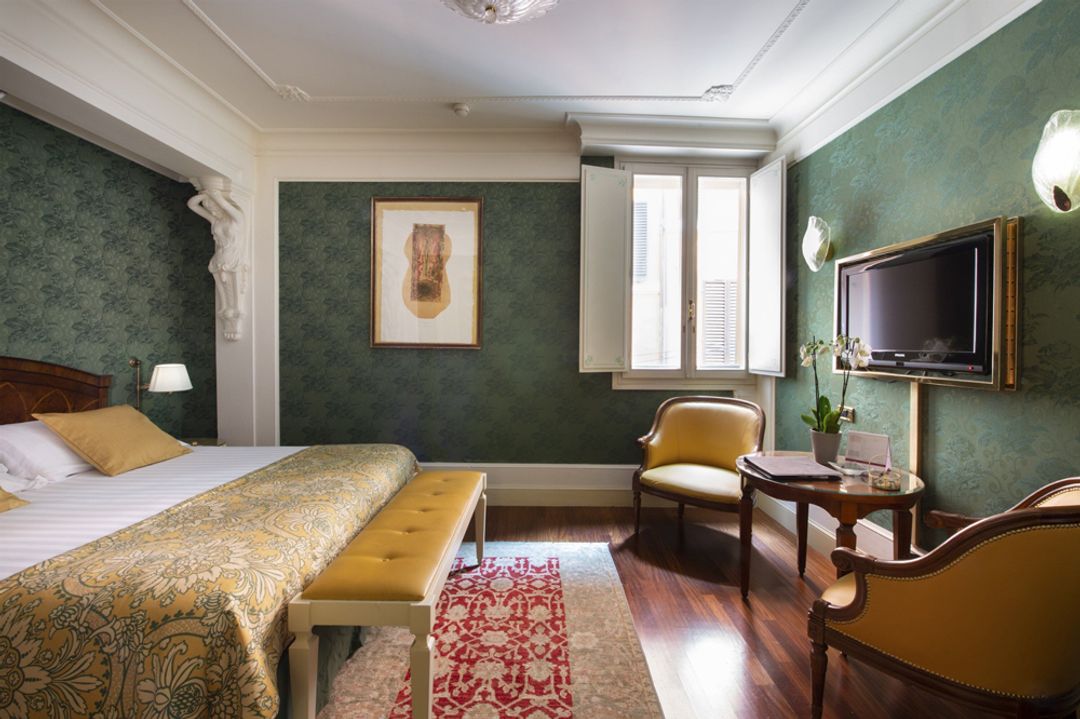
The Grand Hotel Majestic già Baglioni, a short distance north on Via dell'Indipendenza, occupies a fifteenth-century palazzo and operates at a different register entirely. The interiors carry genuine historical weight: frescoed ceilings, figured stone floors, and a ballroom that retains the formal bearing of its origins. The hotel's art collection includes works associated with the Bolognese school, which gives the corridors a seriousness that most period conversions fail to achieve. Via dell'Indipendenza is one of Bologna's main commercial thoroughfares, broader and more traffic-worn than the lanes of the Quadrilatero nearby, but the building itself turns inward enough that the street presence matters less than the courtyard and the rooms' relationship to the original structure.
Taken together, these two properties reflect something true about Bologna as a destination. This is not a city that has chased contemporary hospitality architecture; the energy here runs toward the culinary, the academic, and the deeply civic. The university, founded in 1088, gives the city a lived-in intellectual character that resists easy aestheticization. Visitors who come looking for minimal interiors and new-build design statements will need to look elsewhere in Italy. What Bologna offers instead is context, density of history per square meter, and the particular pleasure of eating very well at any price point. Both hotels understand their city in that sense, one through sheer position, the other through the accumulated weight of its own walls.