Best hotels in Courmayeur, Italy | Visually Compare Top Stays Side-by-Side
Welcome to PressBeyond - a curated visual guide to design-driven hotels and the fastest way to compare them.
An Overview of the Boutique & Luxury Hotel Landscape in Courmayeur, Italy
Courmayeur sits at the foot of Mont Blanc on the Italian side of the Alps, and the town has always felt like the more composed, less frenetic answer to Chamonix across the French border. Where Chamonix sprawls with the ambition of a resort that expanded too fast, Courmayeur held its shape: a pedestrianized medieval core of narrow stone lanes, the Via Roma running through it like a spine, backed by mountain walls that leave no ambiguity about where the architecture ends and the landscape begins. The Valle d'Aosta vernacular here runs to dark timber, rubble stone, and steeply pitched roofs built to shed snow rather than perform rusticity, and the better hotels in town have generally respected that material inheritance rather than abandoning it for alpine pastiche.
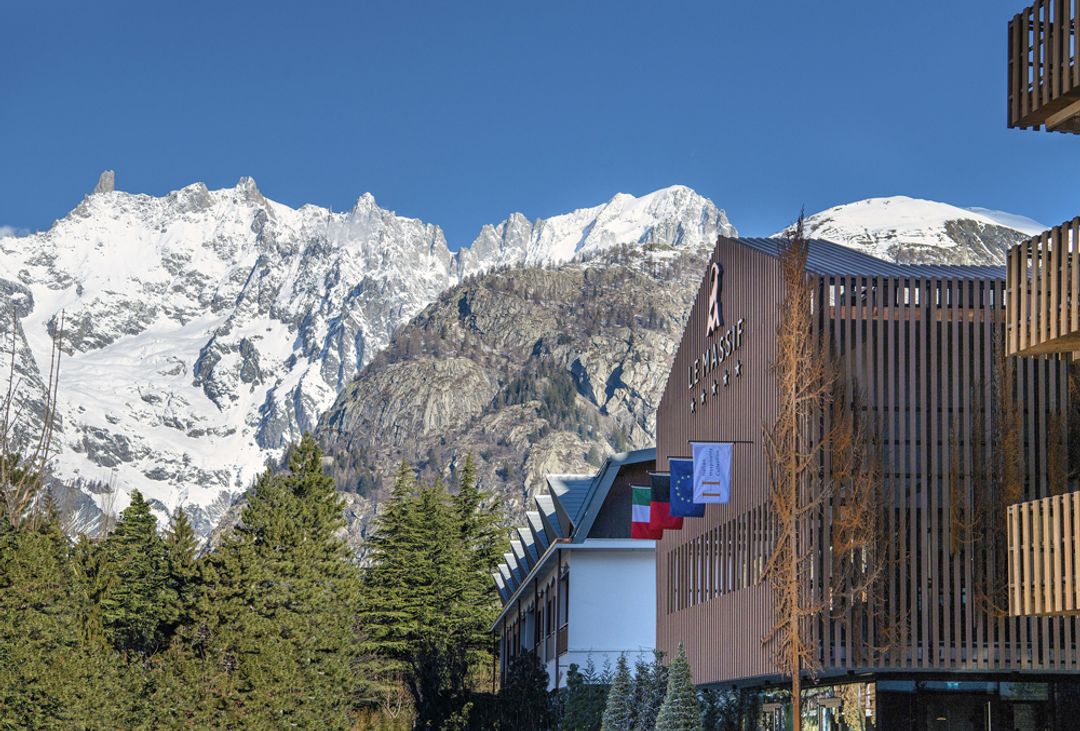
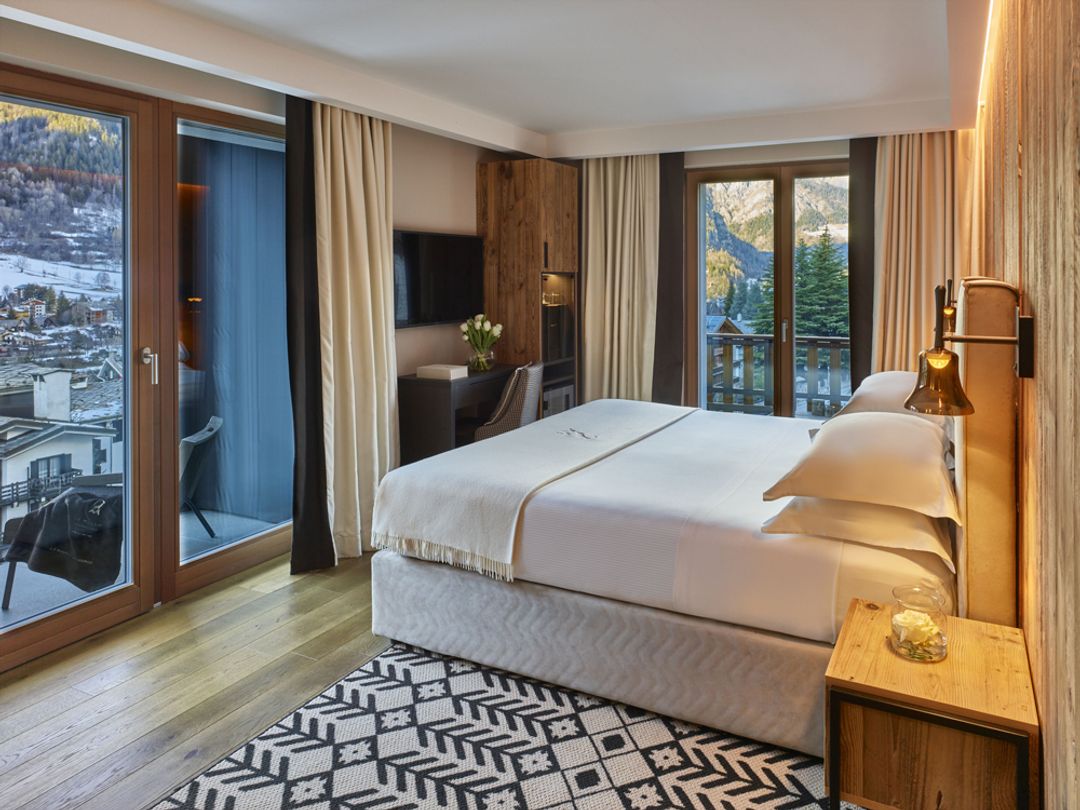
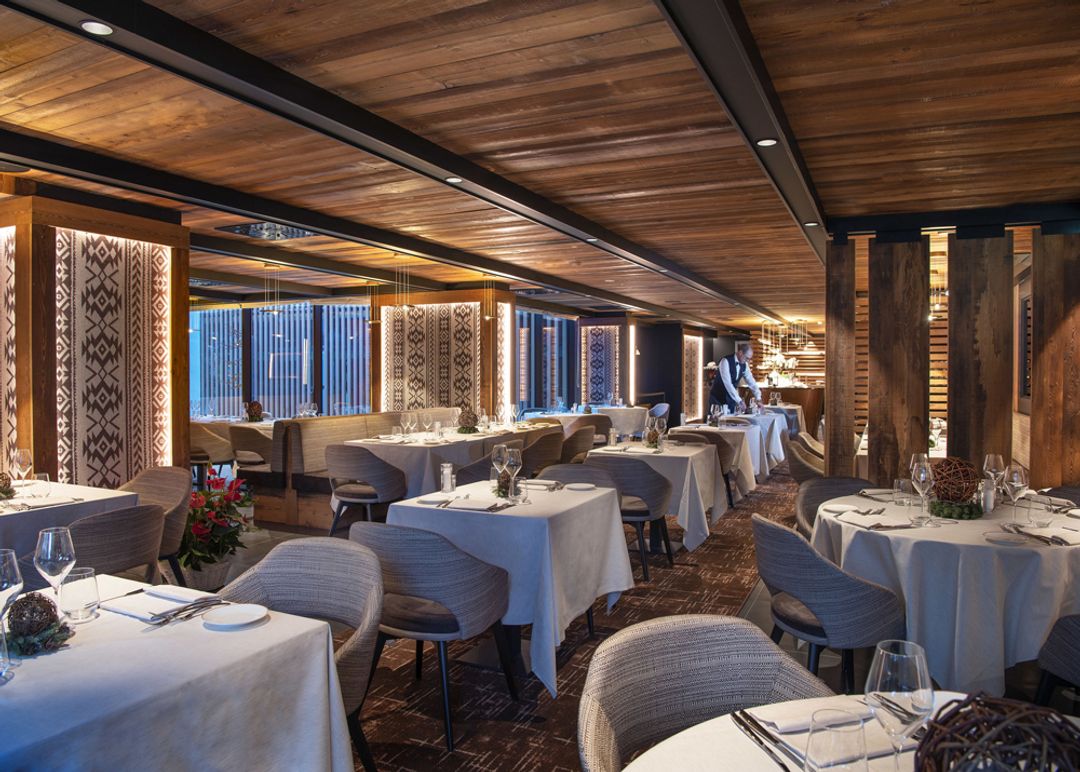
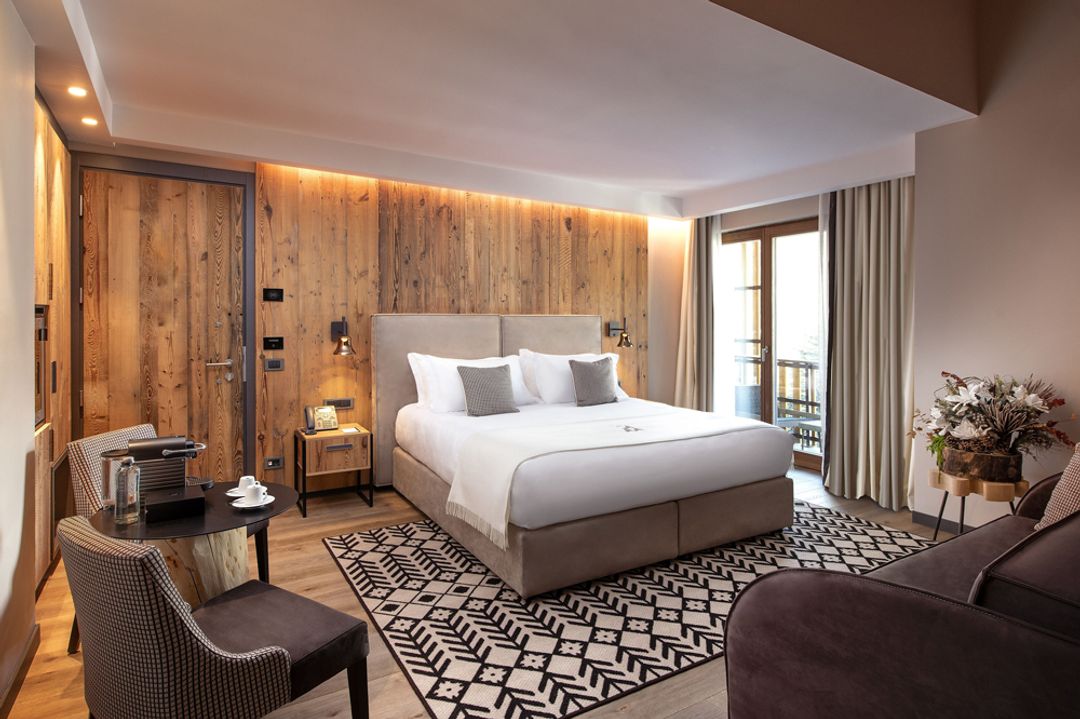
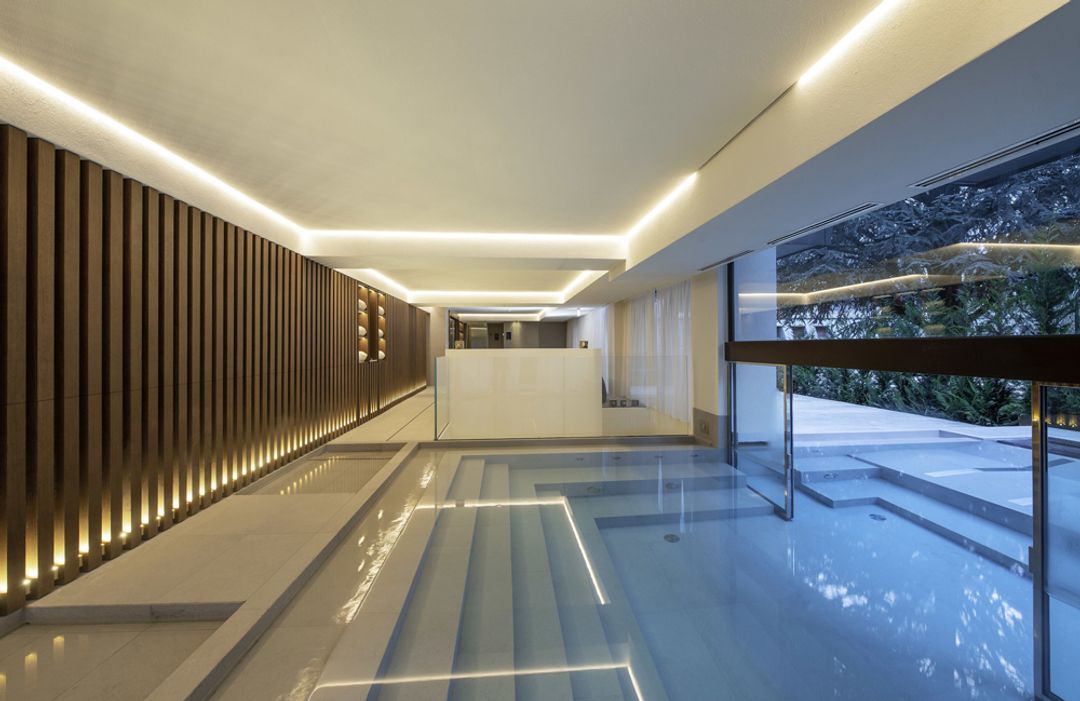
Le Massif Hotel and Lodge sits in the centre of town, close enough to the Via Roma to be genuinely walkable but set back enough to read as a lodge rather than a hotel jammed into a commercial strip. The building draws on the traditional valdostane aesthetic without literalism: timber framing, stone cladding, and sloped rooflines register the altitude and the snowfall, while the interiors move toward a warmer, more considered palette that avoids the antler-and-tartan habits of lesser mountain properties. At around 344 dollars a night, it occupies a position that is serious without being rarefied, which suits Courmayeur's character well. The town attracts a mix of serious skiers coming for the Skyway Monte Bianco gondola and the off-piste terrain above Checrouit, and a quieter contingent drawn by the walking, the food, and the particular pleasure of sitting somewhere with a genuinely intact historic center.
The honest appeal of staying at Le Massif, and of Courmayeur more broadly, is that neither place is trying to convince you of anything. The mountain is simply there, at an altitude and mass that requires no editorial enhancement. The town functions on foot, the Aosta Valley produces wines and cheeses that reward attention, and the architecture has not been retrofitted to look like a lifestyle proposition. For a traveler who values material honesty over spectacle, and a mountain town that reads as lived-in rather than staged, Courmayeur remains one of the more quietly convincing places in the Italian Alps.