Best hotels in Trieste | A Curated Visual Guide to Top Stays
Welcome to PressBeyond, the ultimate curated visual guide for design-driven hotels! My name is Will Miller and this is my recommendation for the best boutique and luxury hotel in Trieste.
I am the founder of PressBeyond and I am an ultra-meticulous hotel curator who loves clean visuals. I have individually analyzed and tiered the hotel included in this guide based on a variety of criteria (architecture & design, location, brand & brand affiliation, existing reviews, and my own personal experiences), and importantly, I have hand-selected the leading imagery for this hotel to provide you with easily-digestible, yet detailed and complete, like-for-like, high-level visual profiles. I felt this summarization step was a critical missing piece across existing guides, blogs, and booking platforms. My aim is to make it easier for people to identify hotel environments that resonate with them, along with enabling them to visualize the types of social experiences that those environments help foster. My brain doesn't work when exposed to cluttered content, so my goal was to create the opposite.
Underneath this, we are also a full booking engine offering 5% Venmo cash back along with other exclusive perks. For all of you design-obsessed hotel enthusiasts out there, I hope this guide helps get you to where you see yourself!
An Overview of the Boutique & Luxury Hotel Landscape in Trieste
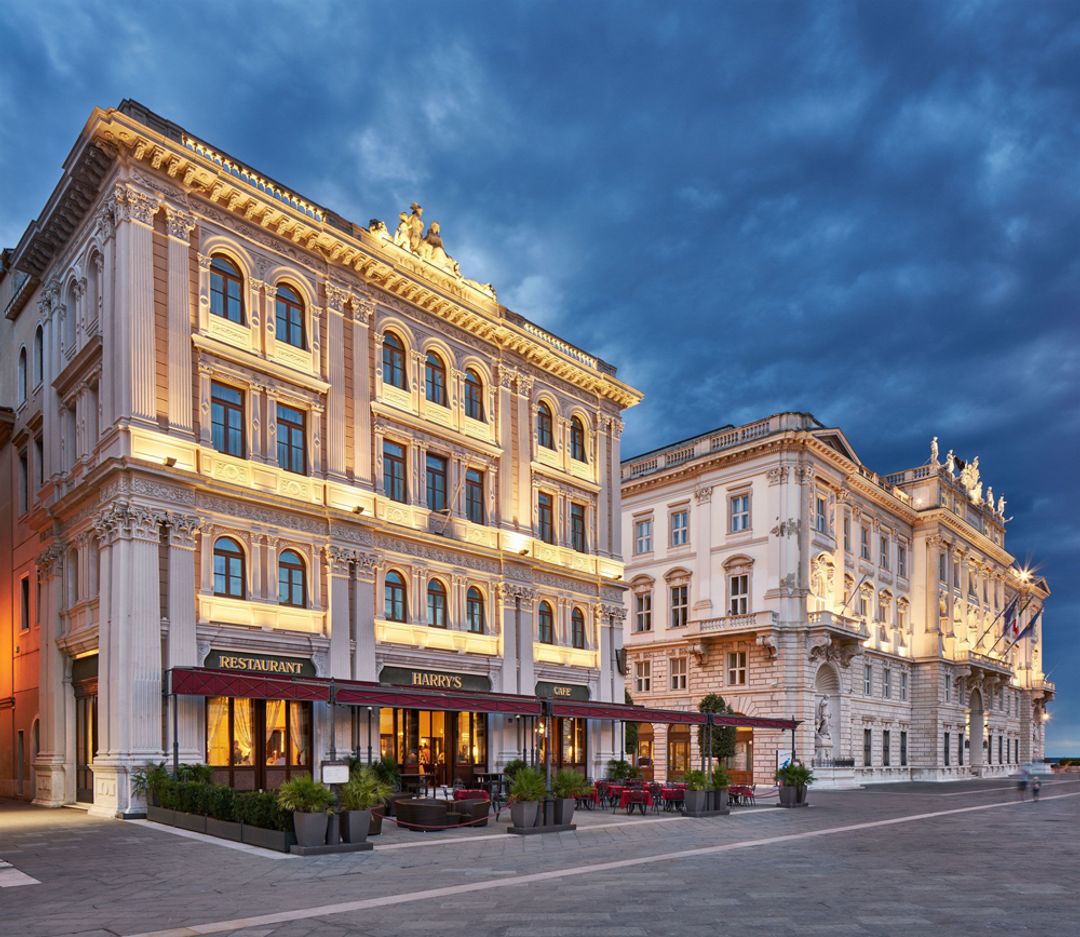
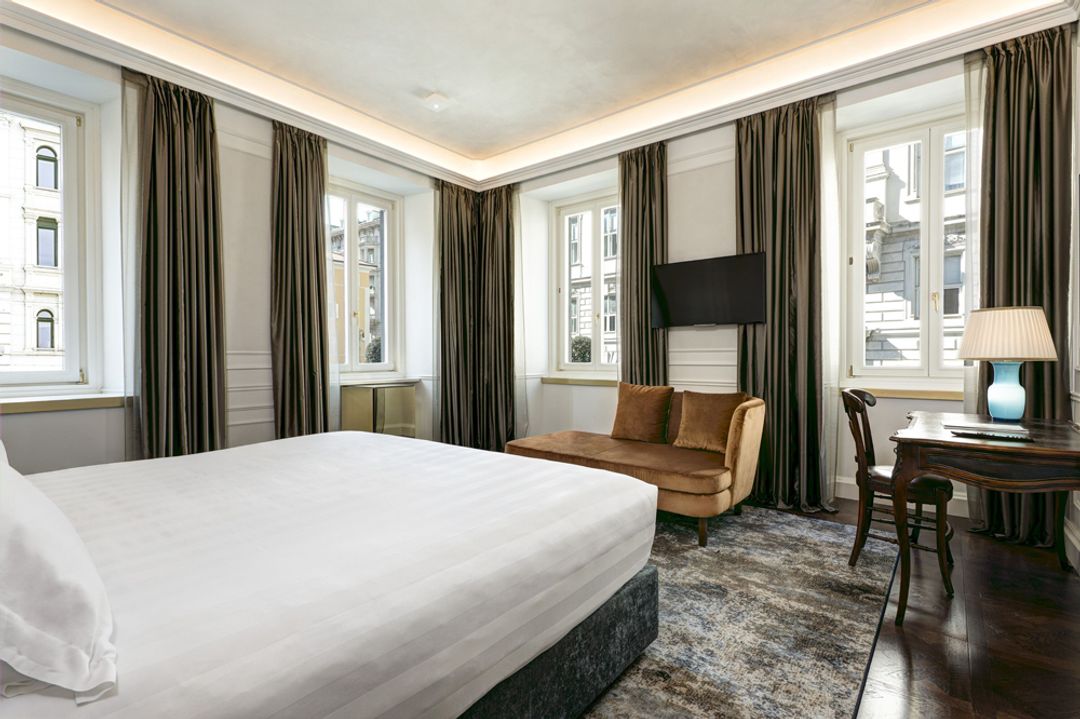
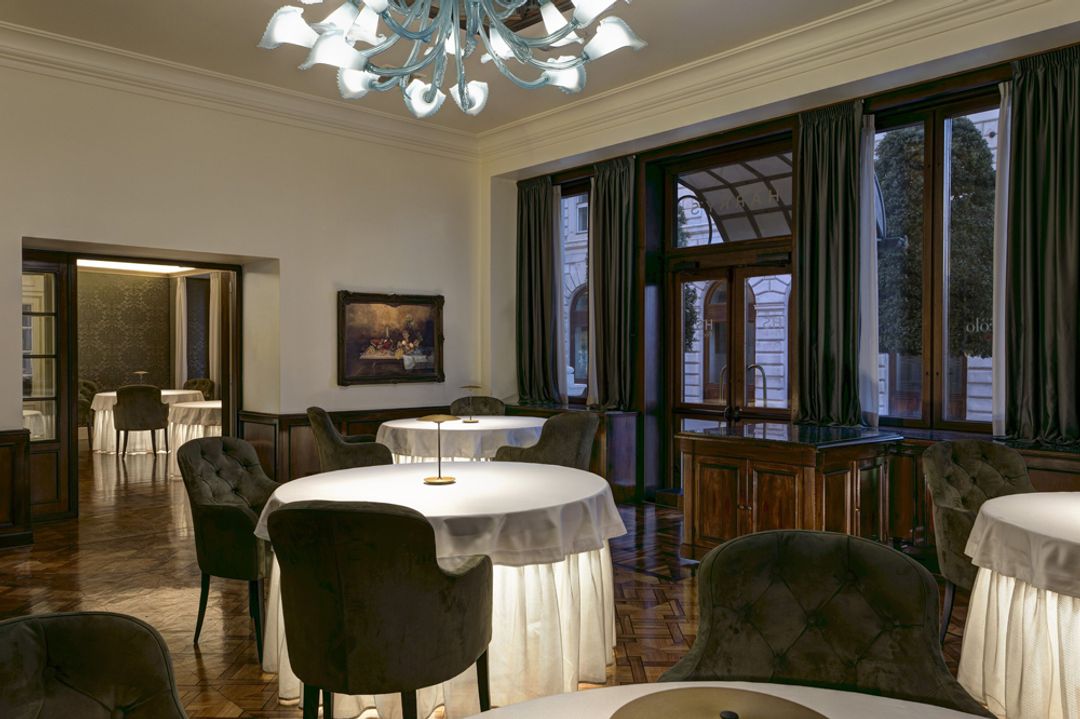
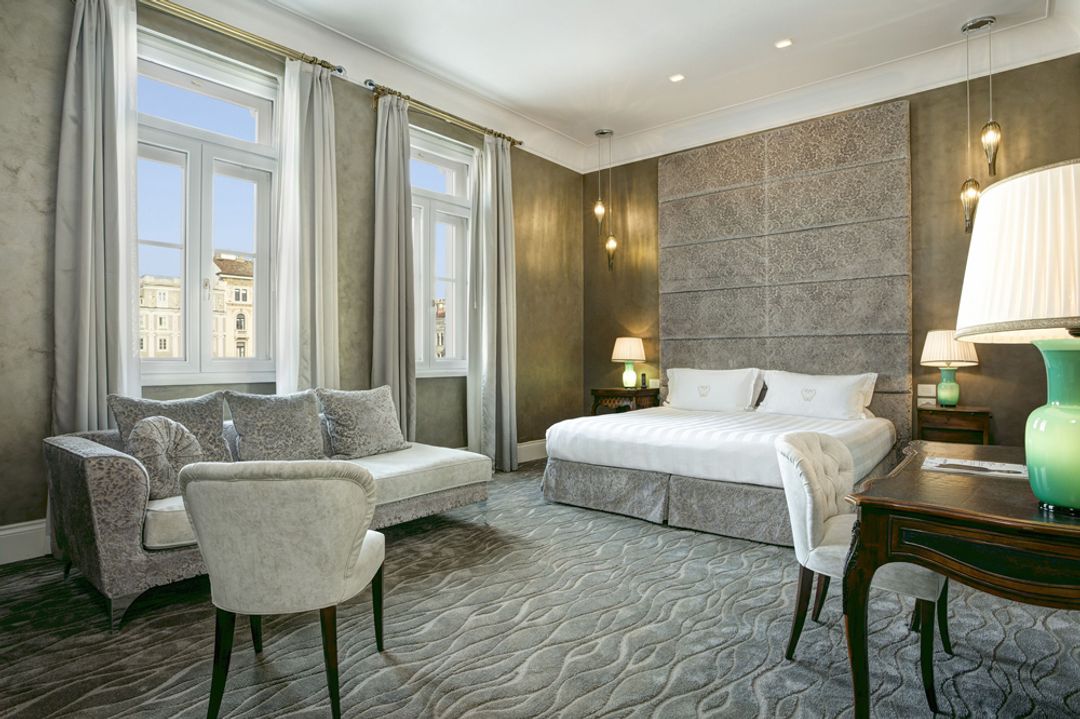
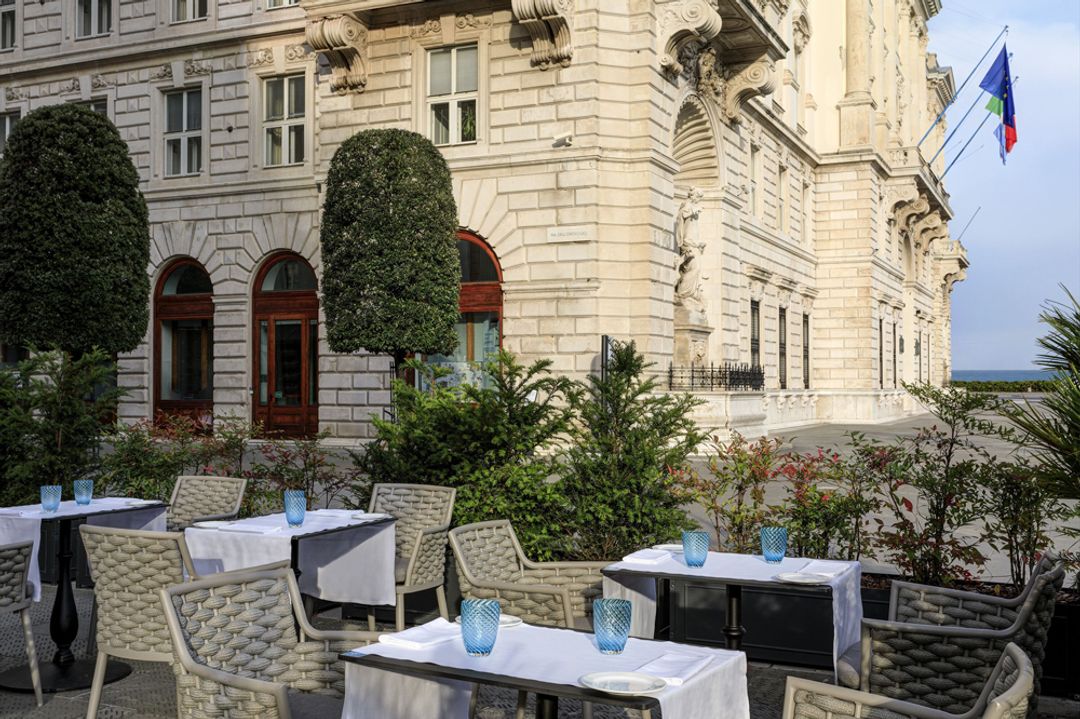
Trieste is a city that rewards confusion. It sits at the edge of the Karst plateau, facing the Adriatic but oriented psychologically toward Vienna, a place where Habsburg bureaucracy left behind more monumental architecture per capita than almost anywhere else in the former empire. The coffee culture here predates Italian unification. The language shifts register block by block. And at its center, Piazza Unità d'Italia — one of the largest seafront squares in Europe — opens directly onto the water with a theatrical confidence that belongs more to the nineteenth century than to anything happening in contemporary Italy. That square is the right place to begin any account of Trieste, and it is where the Grand Hotel Duchi d'Aosta has stood since 1873. The building occupies the northern flank of the piazza with a neo-classical facade that was conceived as civic architecture as much as hospitality, its arcaded ground floor part of a continuous loggia that gives the square its rhythm. The interiors carry the weight of the city's mercantile golden age — deep upholstery, marble, the kind of elaborate ceiling detail that speaks to a moment when Trieste was the principal port of the Austro-Hungarian empire and its hotels needed to impress diplomats and shipping magnates in equal measure. Updates over the decades have kept the property in working order without dismantling what makes it worth staying in: the relationship between room, square, and sea is one of those spatial experiences that a purpose-built contemporary hotel simply cannot manufacture. For a design-literate traveler, Trieste offers something rare — a city where the architecture has not been curated for consumption. The liberty buildings along Via Dante, the Revoltella museum with its Carlo Scarpa extension, the Synagogue on Via San Francesco d'Assisi, one of the largest in Europe, all exist as part of a functioning, slightly melancholy city that was never quite absorbed into the Italian mainstream. Staying at the Duchi d'Aosta means sleeping inside that history rather than arriving as an observer of it. The piazza at six in the morning, the bora beginning to move across the water, the facade of the hotel holding its position at the edge of the square — it is a specific and persuasive argument for Trieste.