Best hotels in Miyakojima (Okinawa) | Visually Compare Top Stays Side-by-Side
Welcome to PressBeyond - a curated visual guide to design-driven hotels and the fastest way to compare them.
An Overview of the Boutique & Luxury Hotel Landscape in Miyakojima (Okinawa)
Miyakojima sits about 300 kilometers southwest of Okinawa's main island, close enough to the Tropic of Cancer that the light has a particular intensity — flattening shadows at midday, turning the water above the coral flats an almost manufactured shade of turquoise. The island is geologically flat, built from raised coral reef rather than volcanic stone, which means there are no dramatic headlands or forested peaks to organize development around. Instead, what defines the place architecturally is restraint imposed by nature: the shallow aquifer beneath the limestone shelf makes heavy construction genuinely difficult, and the typhoon corridor that runs through this stretch of the Pacific has historically kept buildings low, scattered, and anchored to the land rather than reaching above it.
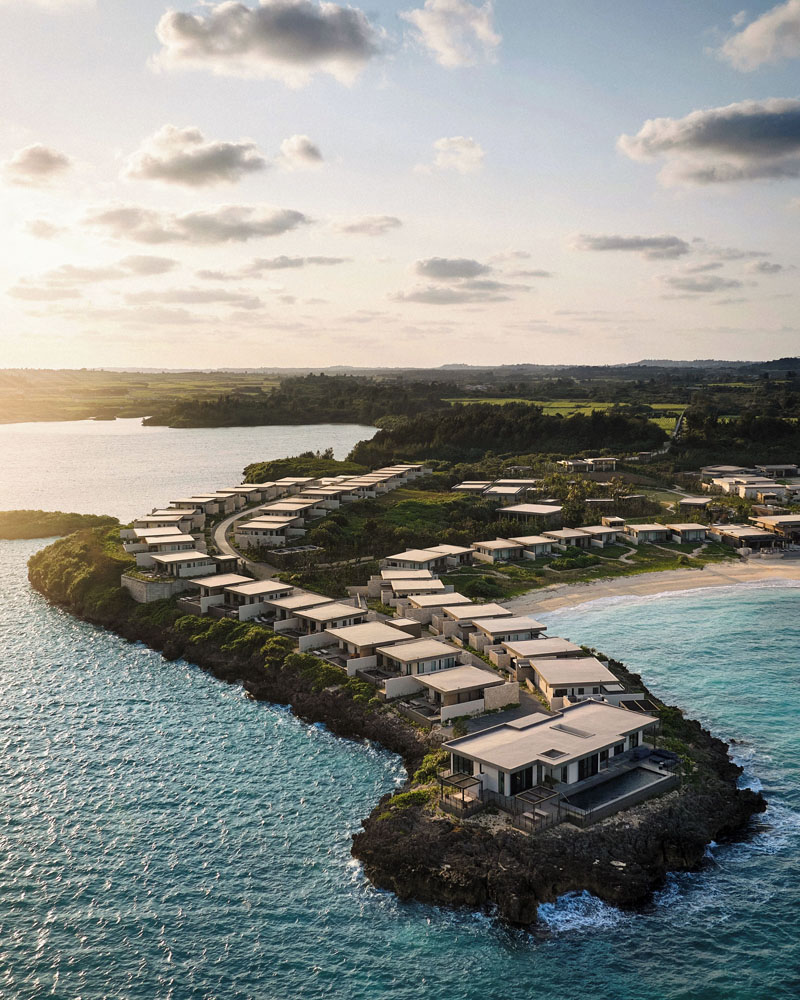
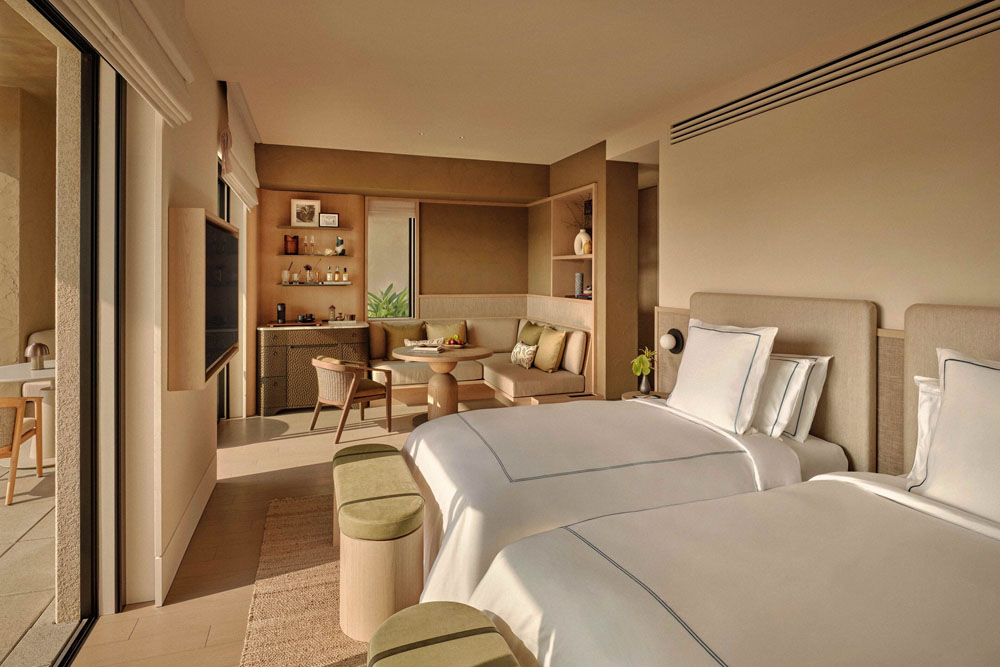
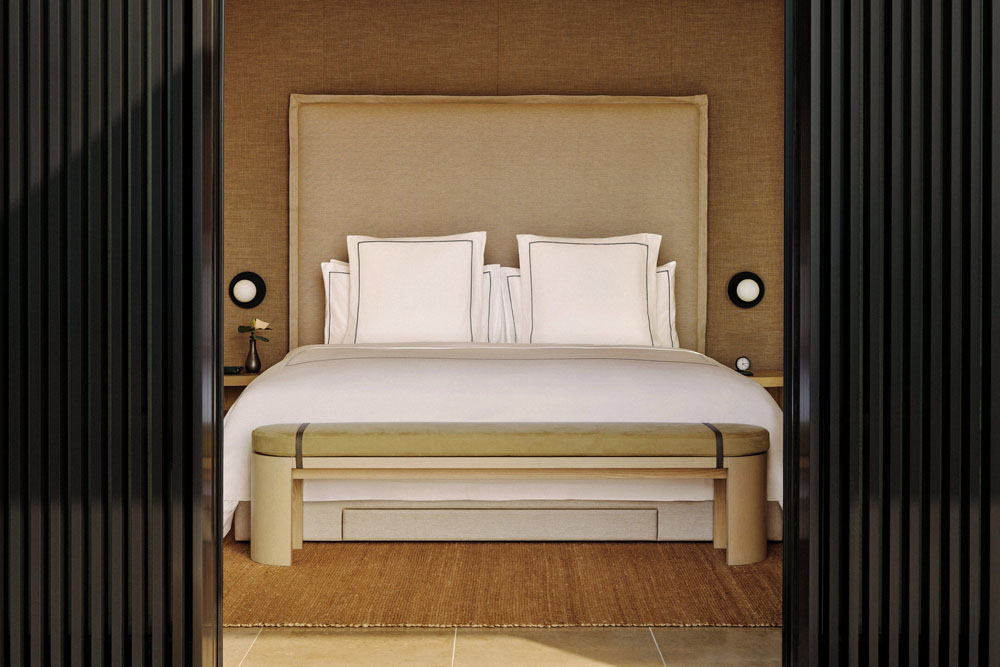
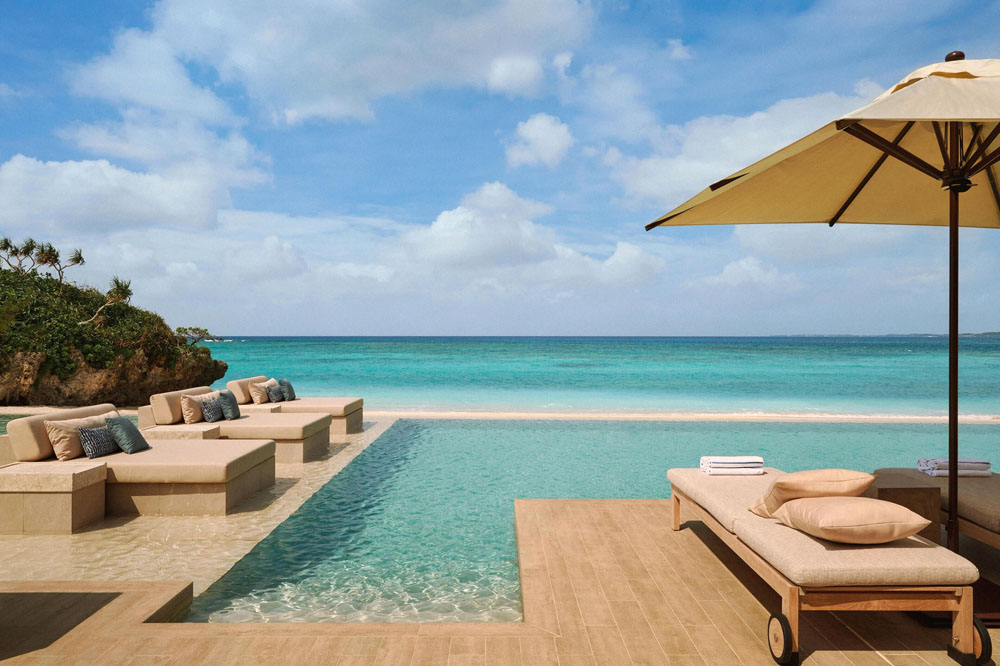
The traditional built environment of Miyako, as locals call it, reflects this directly. Stone walls of coral limestone demarcate field boundaries and village edges, their rough pale faces bleached to near-white by the sun. Newer resort infrastructure tends to resolve the tension between hospitality ambition and environmental fragility in one of two ways: either by ignoring it entirely, with blocky concrete midscale hotels near Hirara city that face inland, or by taking the coast seriously as a design brief. Rosewood Miyakojima, which occupies a generous stretch of Oura Bay on the island's eastern side, belongs emphatically to the second category. The property, which opened in 2022, is arranged as a low-slung collection of villas and pavilions that read more as landscape than as building from the water. The design draws on the vernacular logic of dispersed settlement rather than the consolidated tower form typical of Japanese resort development, and the materiality, warm timber and washed plaster against the coral substrate, maintains a considered conversation with the island's own palette.
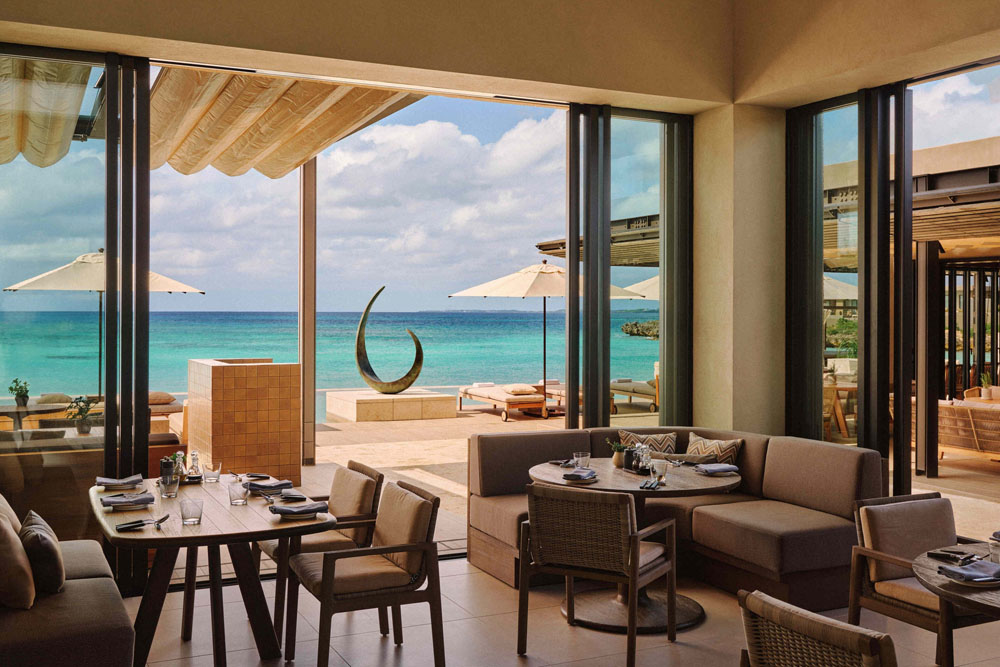
For the traveler who comes to Miyakojima primarily for what is above and below its water, the choice of where to stay matters less than it might in a city. But for anyone whose instinct is to notice how a building sits in its place, Rosewood Miyakojima offers something rare in Japanese resort architecture: a property that appears to have genuinely studied the island before deciding how to inhabit it. Oura Bay's calm, protected shallows are visible from the villas, and the absence of spectacle in the design, no grand porte-cochère, no theatrical lobby, feels like the correct response to a coastline that already provides more than enough visual material on its own.