Where

PressBeyond Logo

Best hotels in Mount Fuji, Japan | Visually Compare Top Stays Side-by-Side

Welcome to PressBeyond - a curated visual guide to design-driven hotels and the fastest way to compare them.

An Overview of the Boutique & Luxury Hotel Landscape in Mount Fuji, Japan

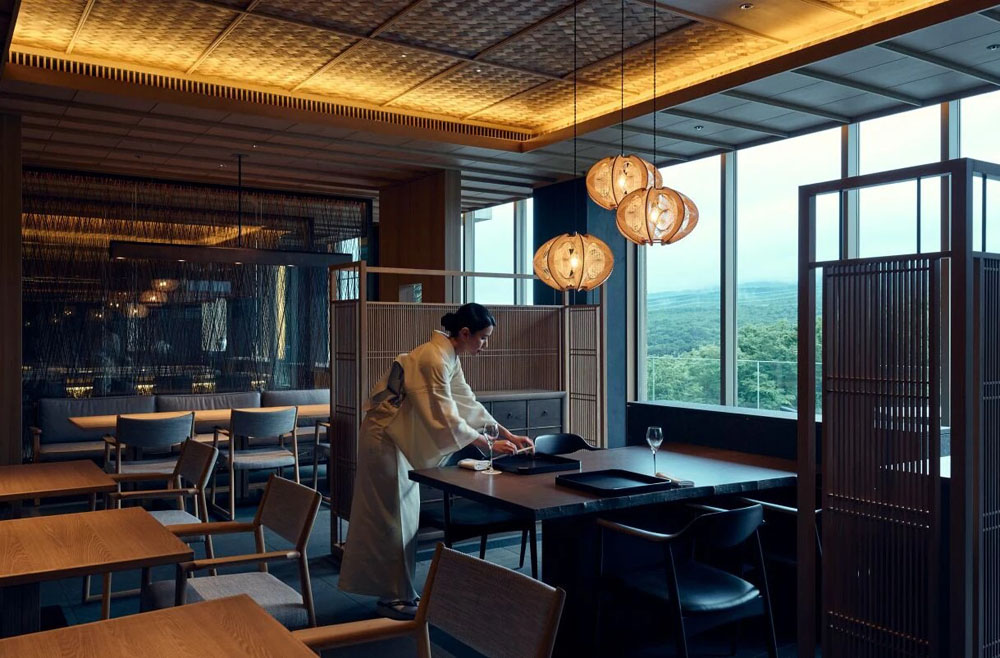
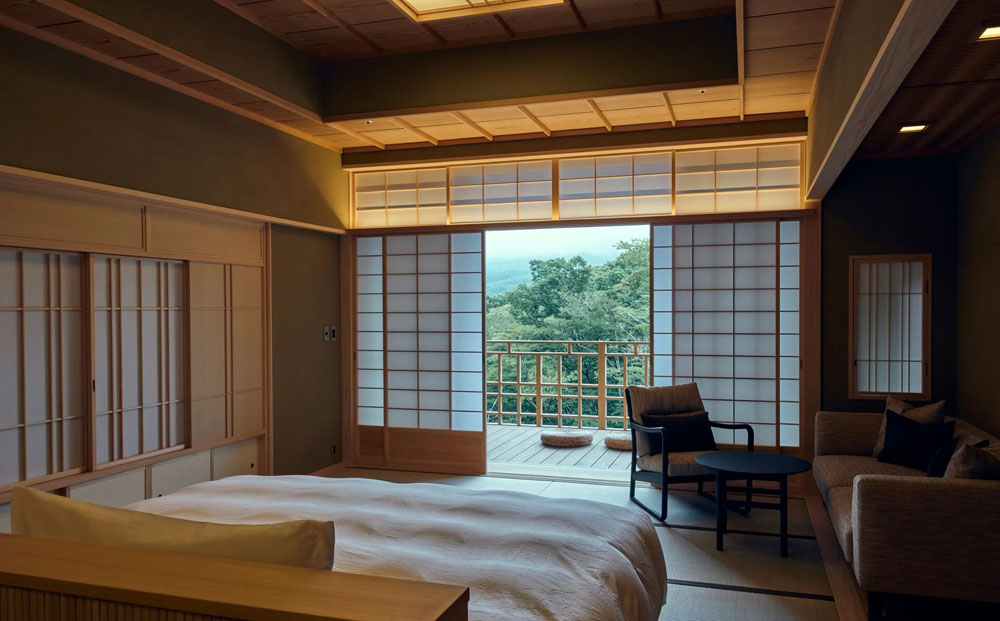
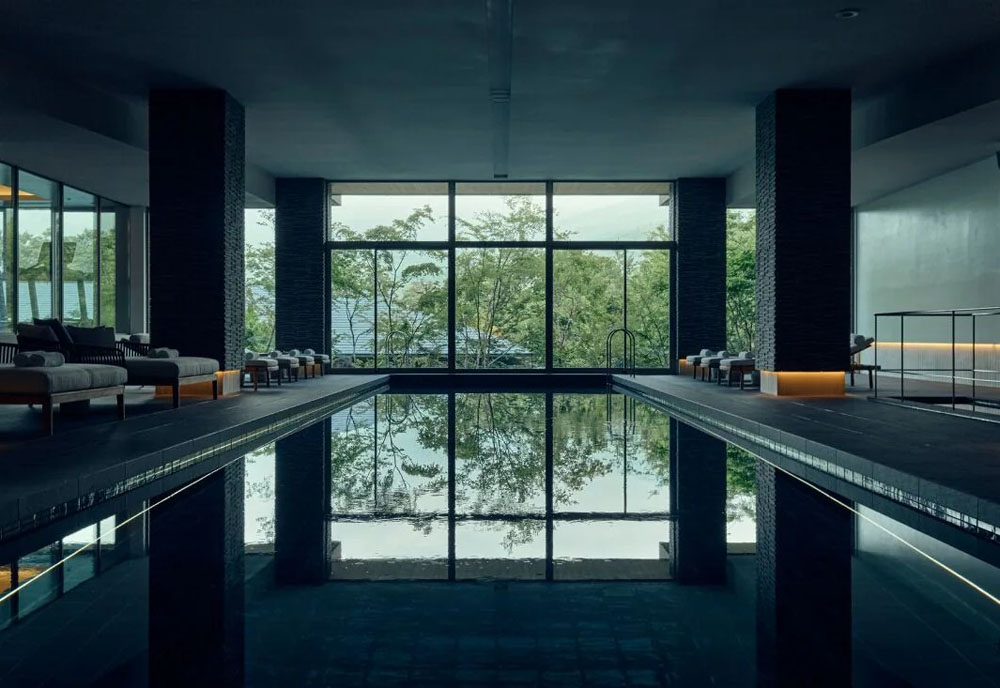
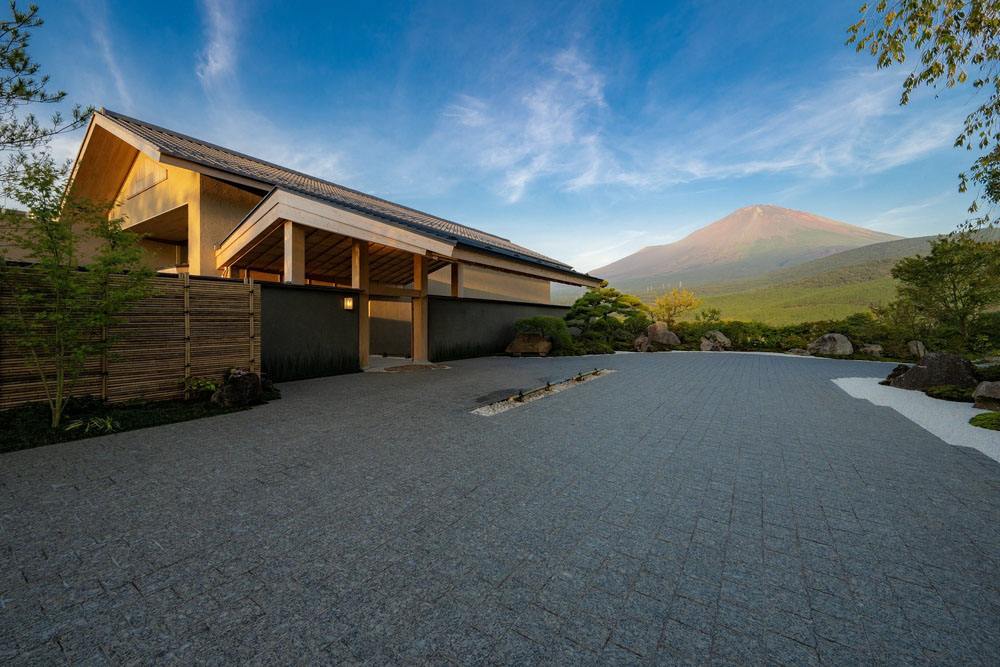
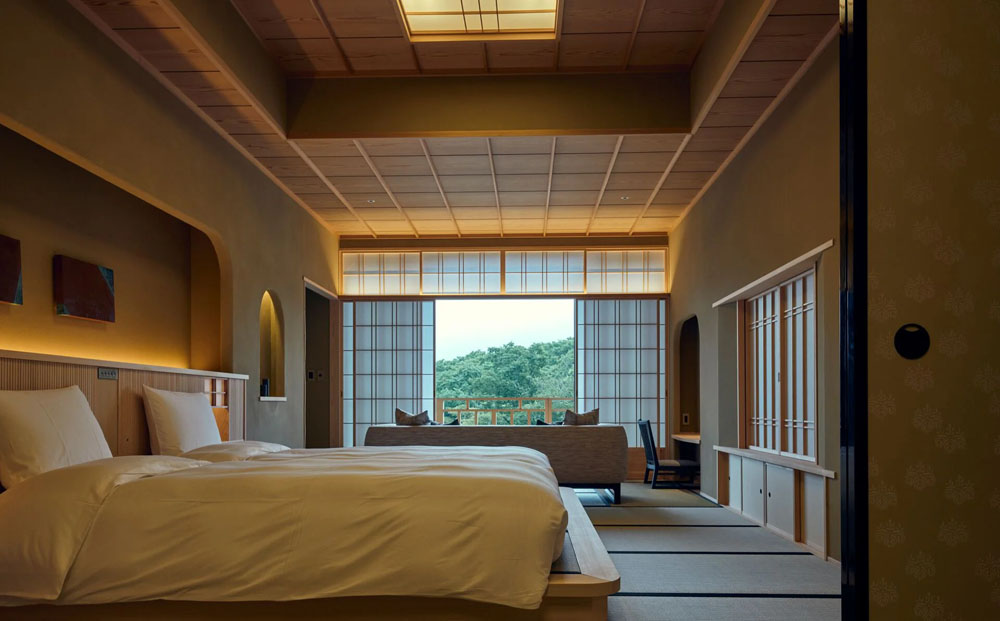
The eastern slopes of Mount Fuji in Shizuoka Prefecture occupy a different register from the more visited Hakone side — quieter, less infrastructure-heavy, and oriented almost entirely around the mountain itself rather than around a resort town. Subashiri, on the Oyama plateau at around 800 metres above sea level, sits within the Fuji-Hakone-Izu National Park but feels removed from its more trafficked corners. The approach from Mishima by car runs through forested gradients that thin out as the altitude rises, and by the time the treeline opens the mountain is already close and large in a way that is genuinely disorienting — Fuji seen from this angle, directly to the west, loses the composed symmetry of the postcard view and becomes something rawer and more immediate. The Subashiri Trail begins near the plateau and is one of the less-crowded routes to Fuji's fifth station, used historically by pilgrims approaching from the east. The Subashiri Fuji Sengen Shrine, thought to date to 807 CE, marks the traditional starting point for that ascent and remains an active place of worship. This eastern approach has always attracted a more contemplative visitor than the Yoshida or Fujinomiya sides — the landscape here is forested and unhurried, with the mountain functioning less as an activity destination and more as a sustained presence around which daily life orients itself. For a traveler arriving with the intention of engaging with Fuji seriously rather than photographing it and moving on, Gōra Kadan Fuji is the reason to come to this part of Shizuoka. There is no town to navigate, no competing accommodation at this level, and no ambient noise from other visitors' itineraries. The mountain is visible from the baths, from the balconies, and from the dining room, and the hotel's design — deep-pitched roofs, a 120-metre colonnade, stone gardens, and four distinct dining formats — is calibrated entirely around the fact that the guest has come here for the mountain and for the particular quality of attention that a well-run ryokan organises around it. On average, Fuji is visible only 80 days a year, which gives each clear morning a specific weight.

Each hotel image sequence, including the selection and arrangement of its images, © 2026 PressBeyond. All rights reserved
Best hotels in Mount Fuji, Japan | A Curated Visual Guide to Top Stays