Best hotels in Nikko, Japan | Visually Compare Top Stays Side-by-Side
Welcome to PressBeyond - a curated visual guide to design-driven hotels and the fastest way to compare them.
An Overview of the Boutique & Luxury Hotel Landscape in Nikko, Japan
Nikko rewards patience. The town itself, strung along the Daiya River valley two hours north of Tokyo, is dense with Edo-period excess: the Tosho-gu shrine complex, completed in 1636 to enshrine Tokugawa Ieyasu, stacks vermillion lacquer and gilded carvings against cedar forest in a way that still feels genuinely overwhelming. But the better reason to travel here, particularly if your instinct is to read a landscape as much as a building, is to climb beyond the town toward Lake Chuzenji, reached via the switchback curves of the Irohazaka road. At that altitude, the architecture thins out, the cedar gives way to open water, and the air carries the particular cool stillness of a mountain lake sitting at just over a thousand meters.
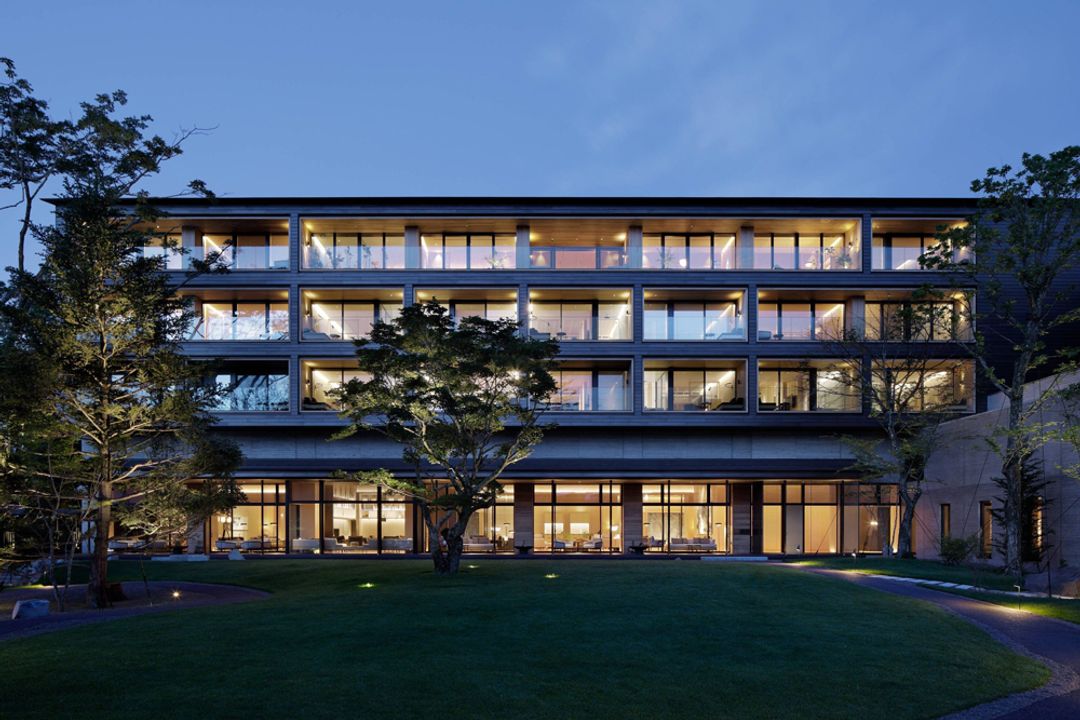
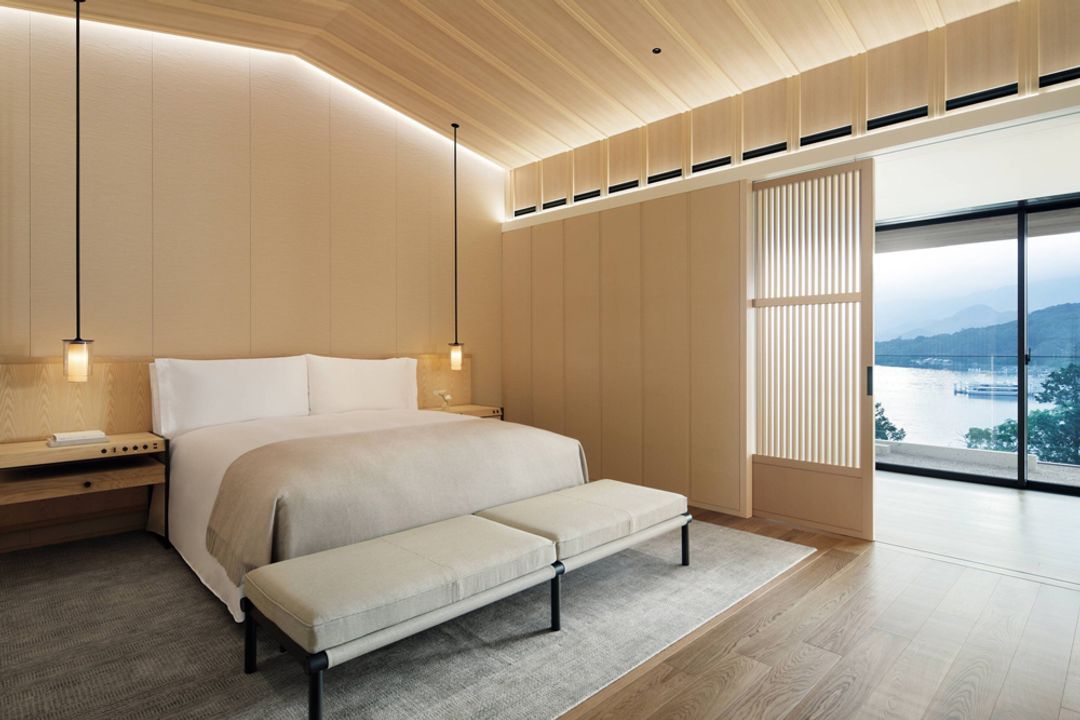
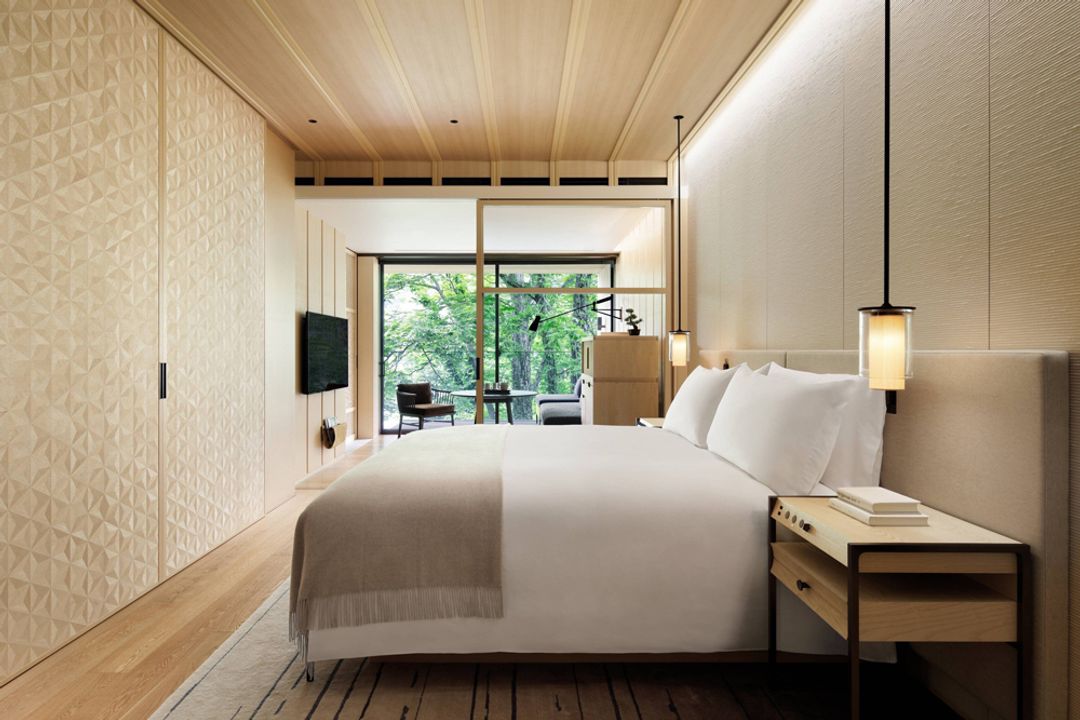
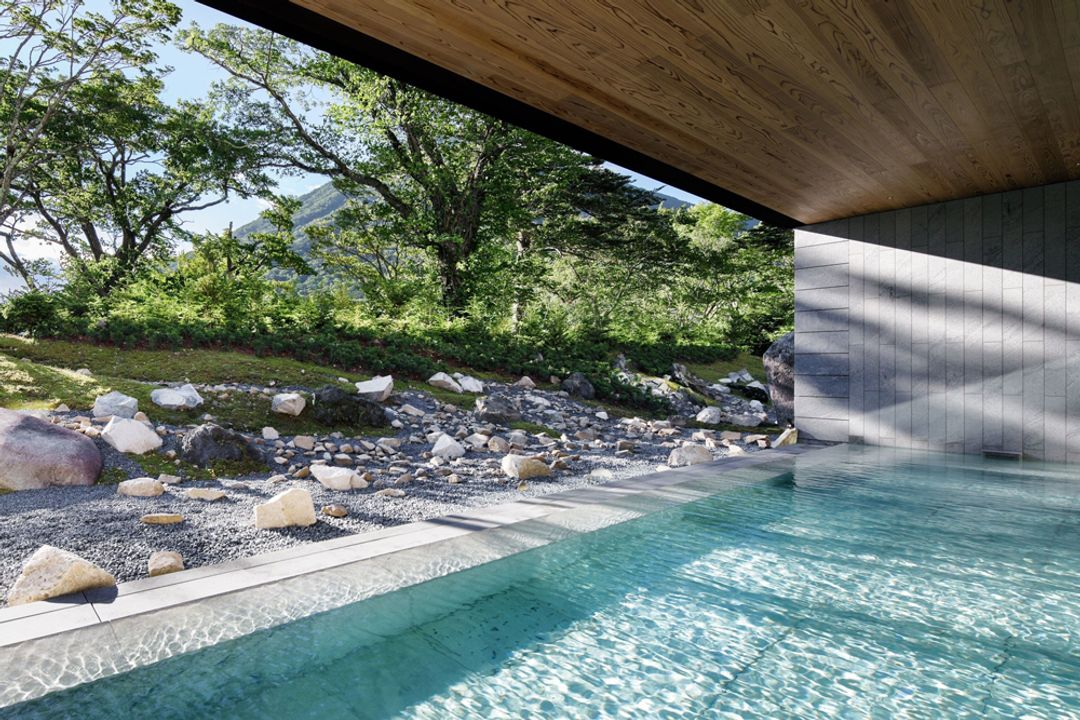
It is at Chuzenji that the Ritz-Carlton Nikko makes its case. Opened in 2020 on the southern shore of the lake, the property was designed to sit inside the landscape rather than announce itself against it. The building's horizontal profile, its extensive use of timber, and its deep overhanging eaves reference the vernacular of Japanese mountain architecture without tipping into pastiche. Guest rooms face the water directly, with the sacred peak of Mount Nantai framing the view to the north. The interiors draw on natural materials throughout, stone and wood worked with a restraint that feels calibrated to the setting rather than imposed upon it. It is the kind of place where the decision to keep things quiet reads as confidence, not understatement.
Chuzenji was, in the late nineteenth and early twentieth centuries, a genuine diplomatic retreat, dotted with summer villas belonging to foreign embassies escaping Tokyo's heat. That history gives the lake an unusual quality, a place where Japan and the outside world found an unlikely common ground in altitude and pine trees. The Ritz-Carlton occupies a stretch of shoreline that carries something of that older residential ease, unhurried and deliberately set apart from the shrine circuits below. For a traveler who wants to be genuinely inside the mountains rather than simply adjacent to them, and who finds that onsen, lacquerwork, and a view of still water across breakfast constitute a sufficient day, this is not a compromise destination. It is the point.