Best hotels in Yokohama | A Curated Visual Guide to Top Stays
Welcome to PressBeyond, the ultimate curated visual guide for design-driven hotels! My name is Will Miller and this is my recommendation for the best boutique and luxury hotel in Yokohama.
I am the founder of PressBeyond and I am an ultra-meticulous hotel curator who loves clean visuals. I have individually analyzed and tiered the hotel included in this guide based on a variety of criteria (architecture & design, location, brand & brand affiliation, existing reviews, and my own personal experiences), and importantly, I have hand-selected the leading imagery for this hotel to provide you with easily-digestible, yet detailed and complete, like-for-like, high-level visual profiles. I felt this summarization step was a critical missing piece across existing guides, blogs, and booking platforms. My aim is to make it easier for people to identify hotel environments that resonate with them, along with enabling them to visualize the types of social experiences that those environments help foster. My brain doesn't work when exposed to cluttered content, so my goal was to create the opposite.
Underneath this, we are also a full booking engine offering 5% Venmo cash back along with other exclusive perks. For all of you design-obsessed hotel enthusiasts out there, I hope this guide helps get you to where you see yourself!
An Overview of the Boutique & Luxury Hotel Landscape in Yokohama
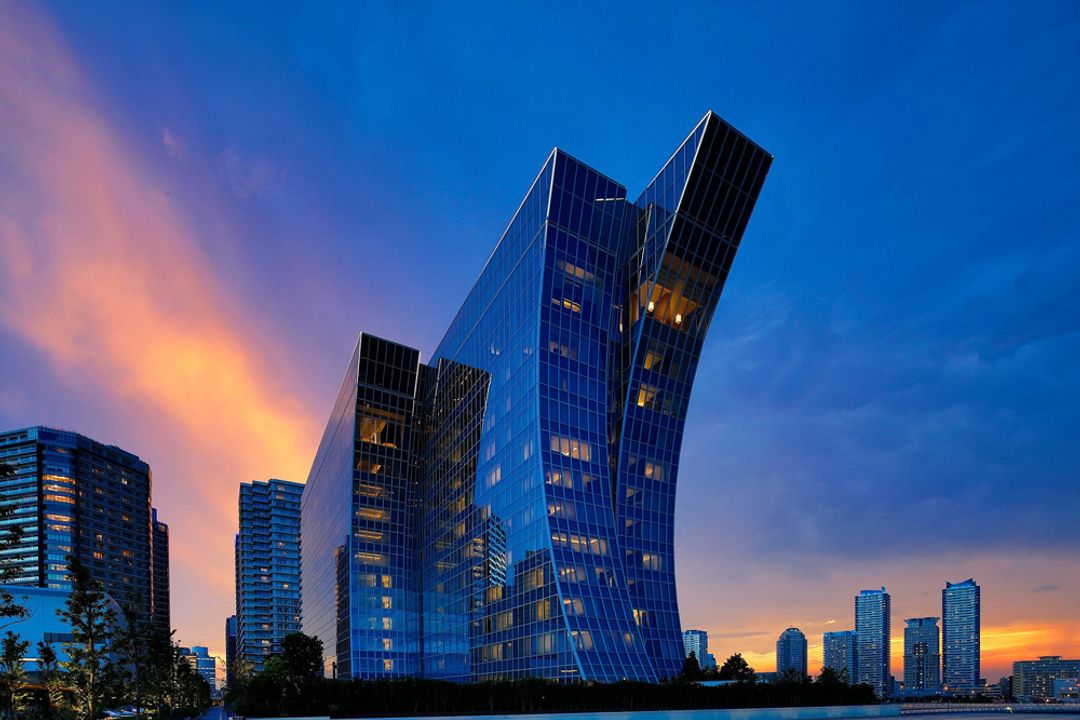
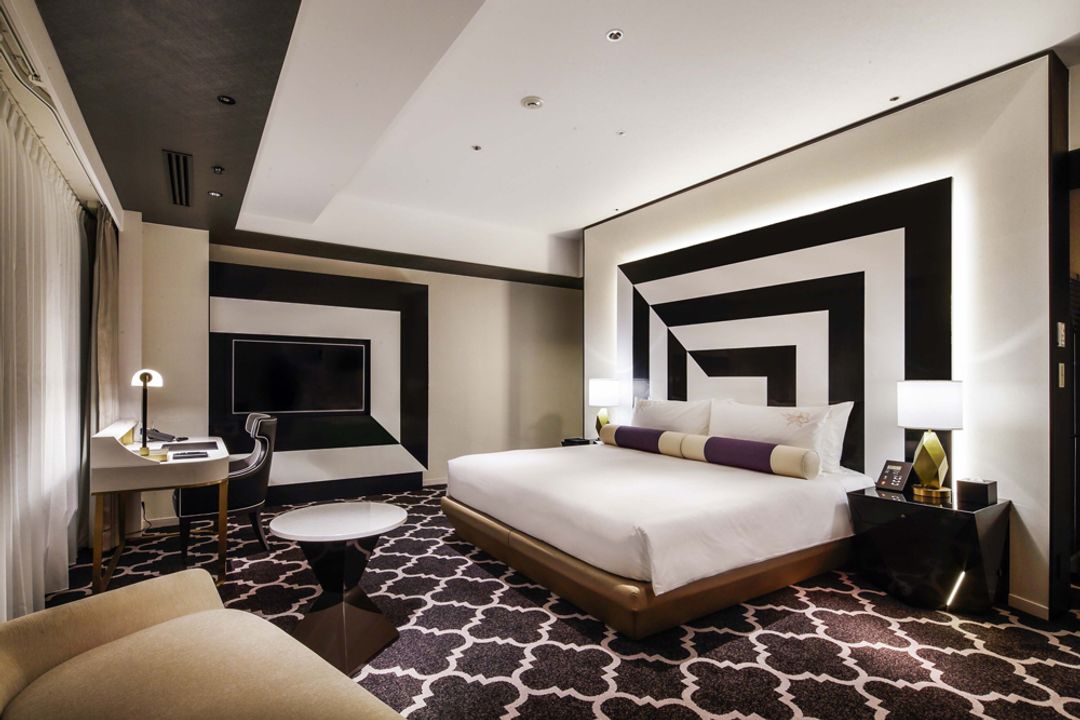
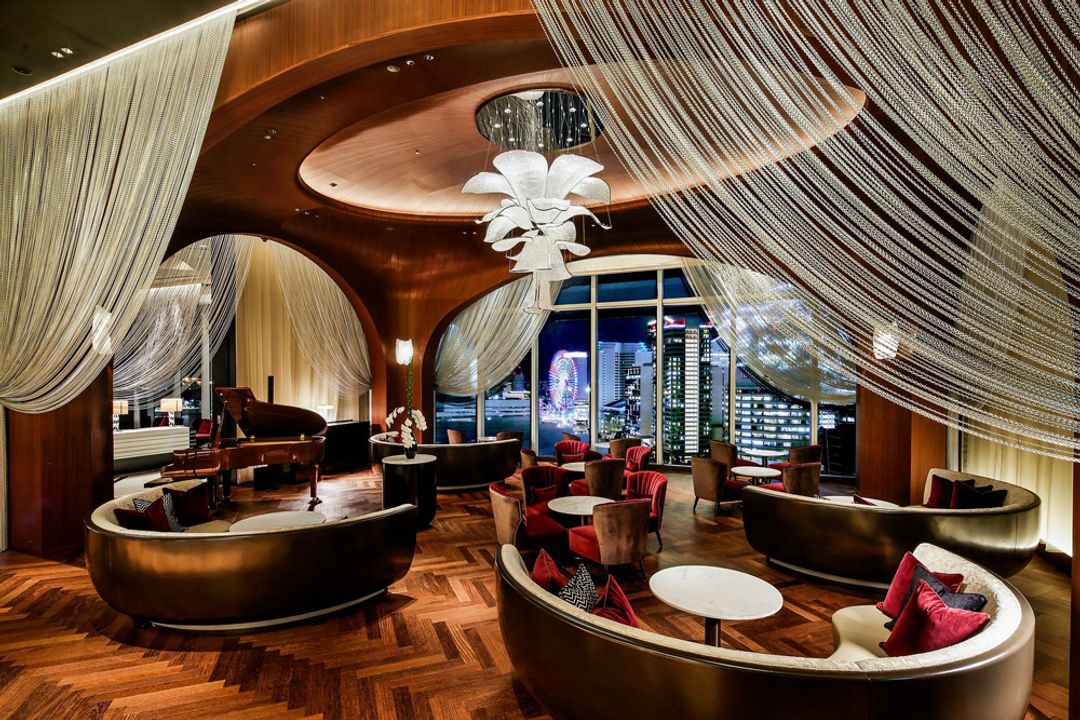
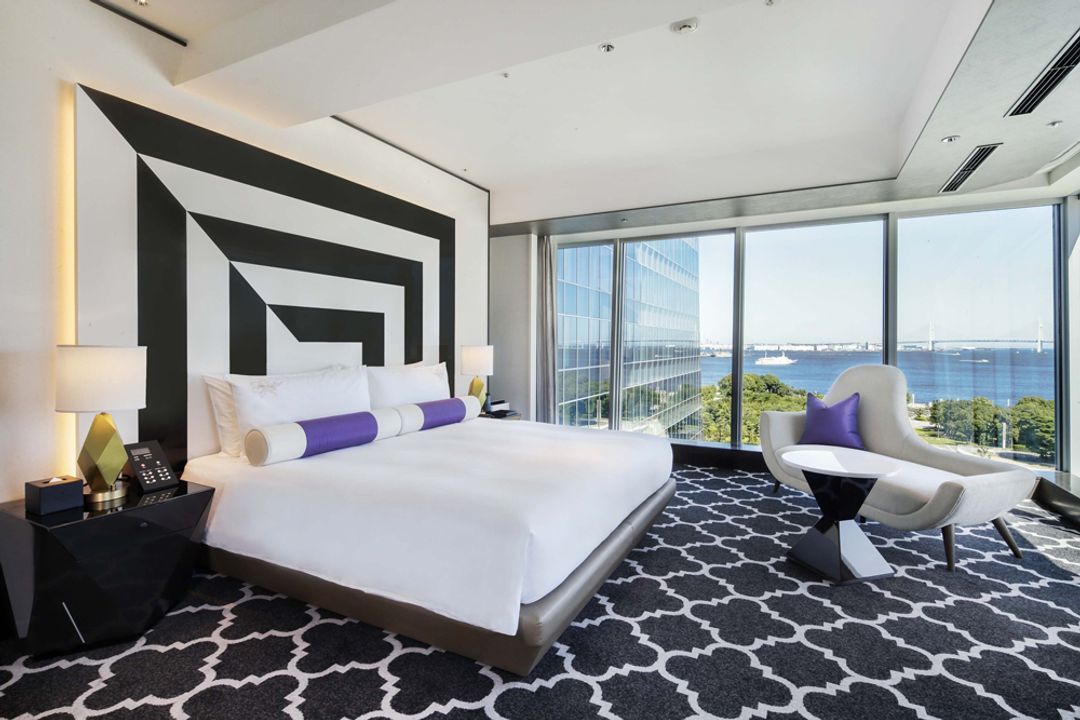
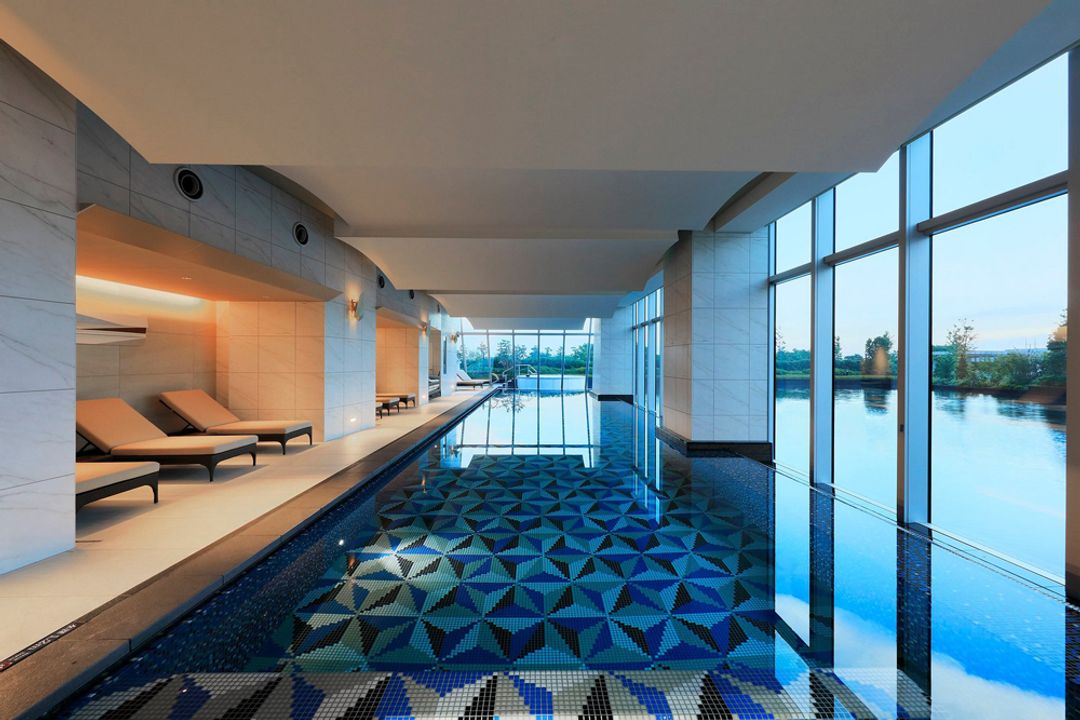
Yokohama has always been Japan's most outward-facing city. When the port opened to foreign trade in 1859, it became the country's primary point of contact with the West — and that history left permanent marks on the urban fabric. The Kannai district still holds rows of Meiji-era brick warehouses, some converted into galleries and restaurants, while the Yamashita waterfront preserves a kind of layered memory: passenger terminal, park, moored museum ship. But the most consequential piece of urban design in recent decades has been Minato Mirai 21, the reclaimed harbor district whose name means port of the future. Planned from the 1980s onward as a deliberate counterpoint to Tokyo's density, it combines civic institutions — the Yokohama Museum of Art, Kisho Kurokawa's convention center — with office towers, retail, and hotels arranged around a broad esplanade that keeps the bay genuinely visible. It is a planned district that, unusually, does not feel sterile. The Kahala Hotel and Resort Yokohama sits within Minato Mirai and carries with it an interesting provenance. The Kahala brand originates in Honolulu — the original property on Oahu opened in 1964 and built its reputation as a discreet retreat for guests who wanted seclusion without theatrics. The Yokohama iteration brings that Pacific sensibility to a Japanese context, positioned along the waterfront where the views extend across the harbor toward the Bay Bridge. The interiors work with a quieter palette than the glass-and-steel surroundings might suggest, and the property's scale — more resort than urban tower — gives it a particular composure against the backdrop of Minato Mirai's skyline. For a design-conscious traveler, Yokohama offers something Tokyo, for all its density of excellence, rarely does: a sense of actual maritime geography. The city is navigable on foot between its distinct quarters — the Chinese garden in Yamate, the Osanbashi Pier terminal (Foreign Office Architects, 2002, its undulating wooden deck one of the more quietly radical pieces of public architecture in Japan), the Red Brick Warehouse complex — and the Kahala provides a base from which all of it is genuinely proximate. Staying here is less about the hotel as destination and more about the hotel as a considered position within a city that rewards that kind of spatial attention.