Best hotels in Agadir | A Curated Visual Guide to Top Stays
Welcome to PressBeyond, the ultimate curated visual guide for design-driven hotels! My name is Will Miller and this is my recommendation for the best boutique and luxury hotel in Agadir.
I am the founder of PressBeyond and I am an ultra-meticulous hotel curator who loves clean visuals. I have individually analyzed and tiered the hotel included in this guide based on a variety of criteria (architecture & design, location, brand & brand affiliation, existing reviews, and my own personal experiences), and importantly, I have hand-selected the leading imagery for this hotel to provide you with easily-digestible, yet detailed and complete, like-for-like, high-level visual profiles. I felt this summarization step was a critical missing piece across existing guides, blogs, and booking platforms. My aim is to make it easier for people to identify hotel environments that resonate with them, along with enabling them to visualize the types of social experiences that those environments help foster. My brain doesn't work when exposed to cluttered content, so my goal was to create the opposite.
Underneath this, we are also a full booking engine offering 5% Venmo cash back along with other exclusive perks. For all of you design-obsessed hotel enthusiasts out there, I hope this guide helps get you to where you see yourself!
An Overview of the Boutique & Luxury Hotel Landscape in Agadir
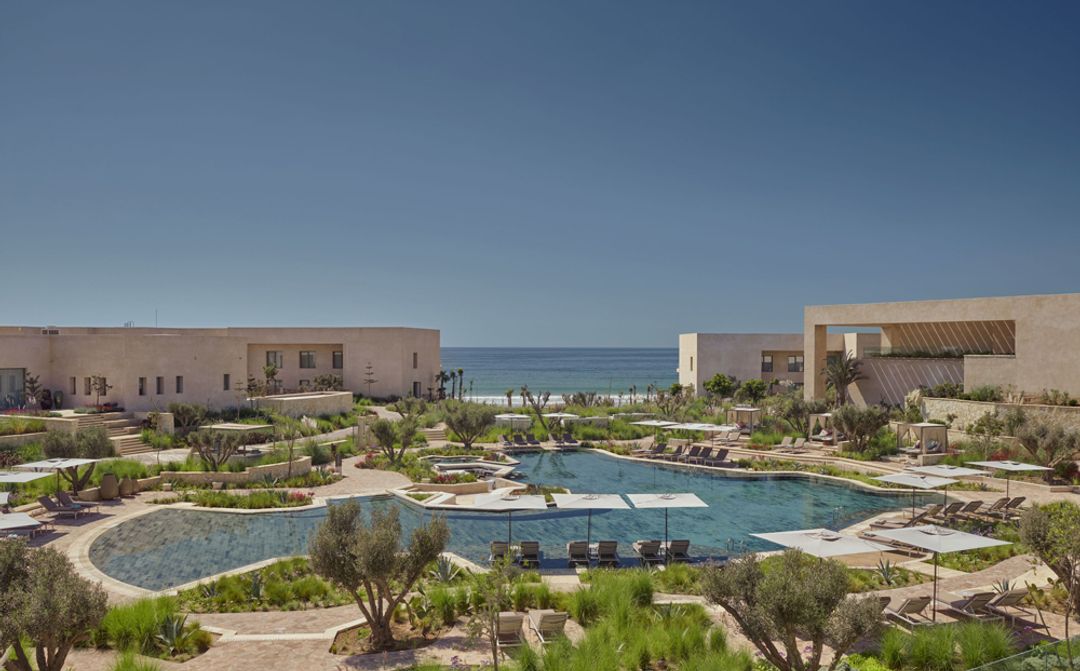
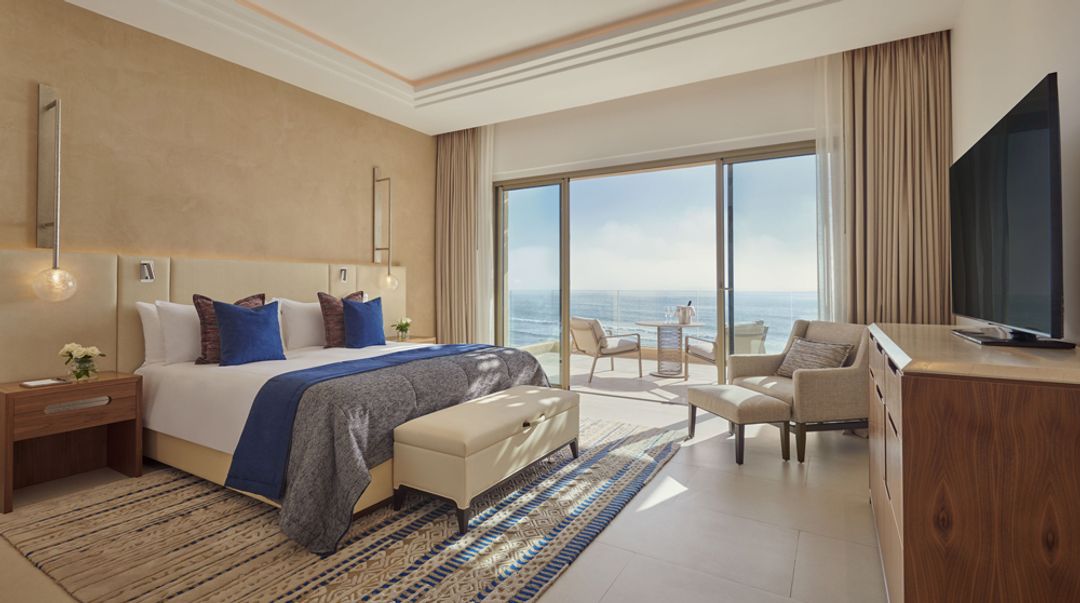
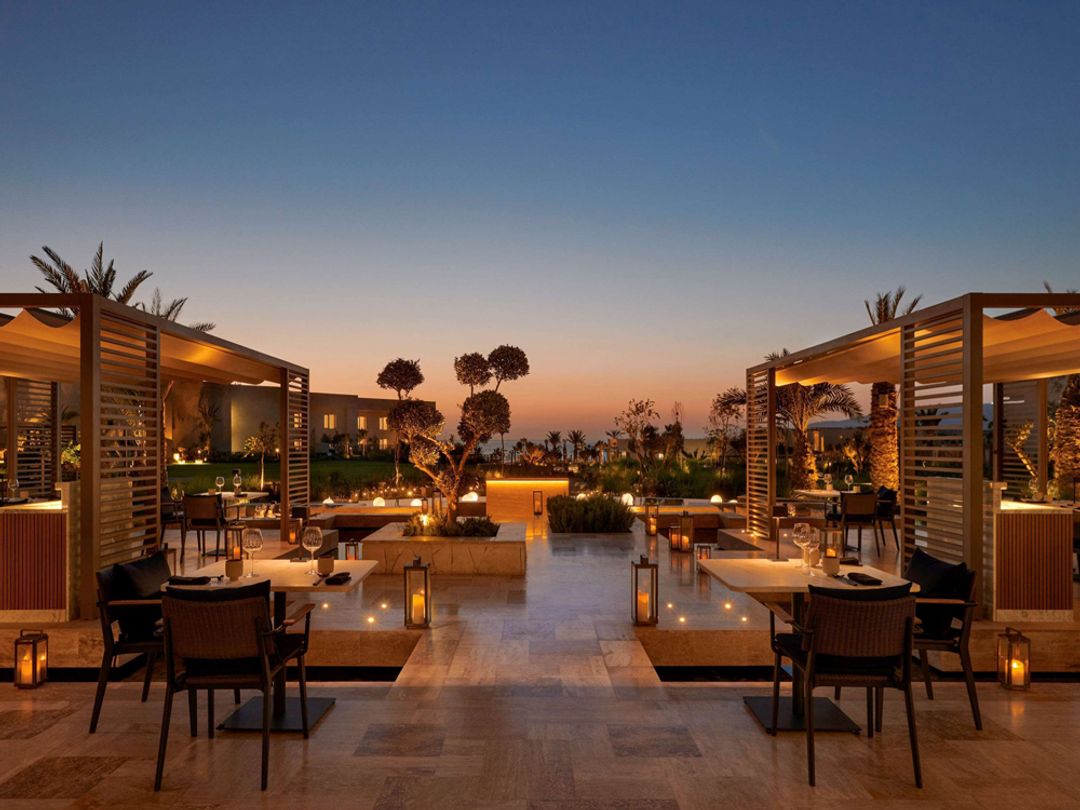
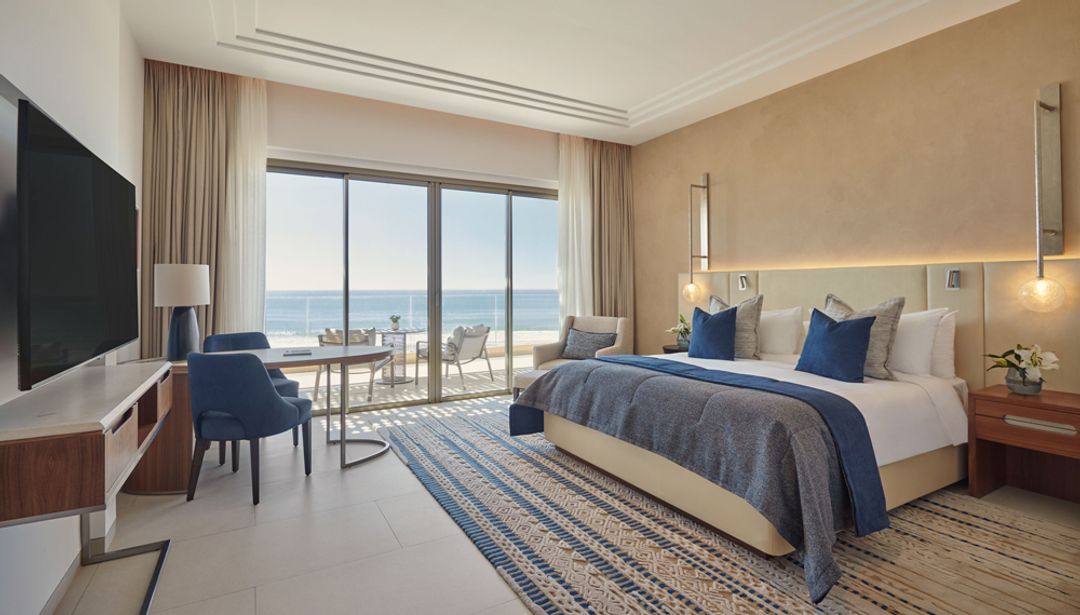
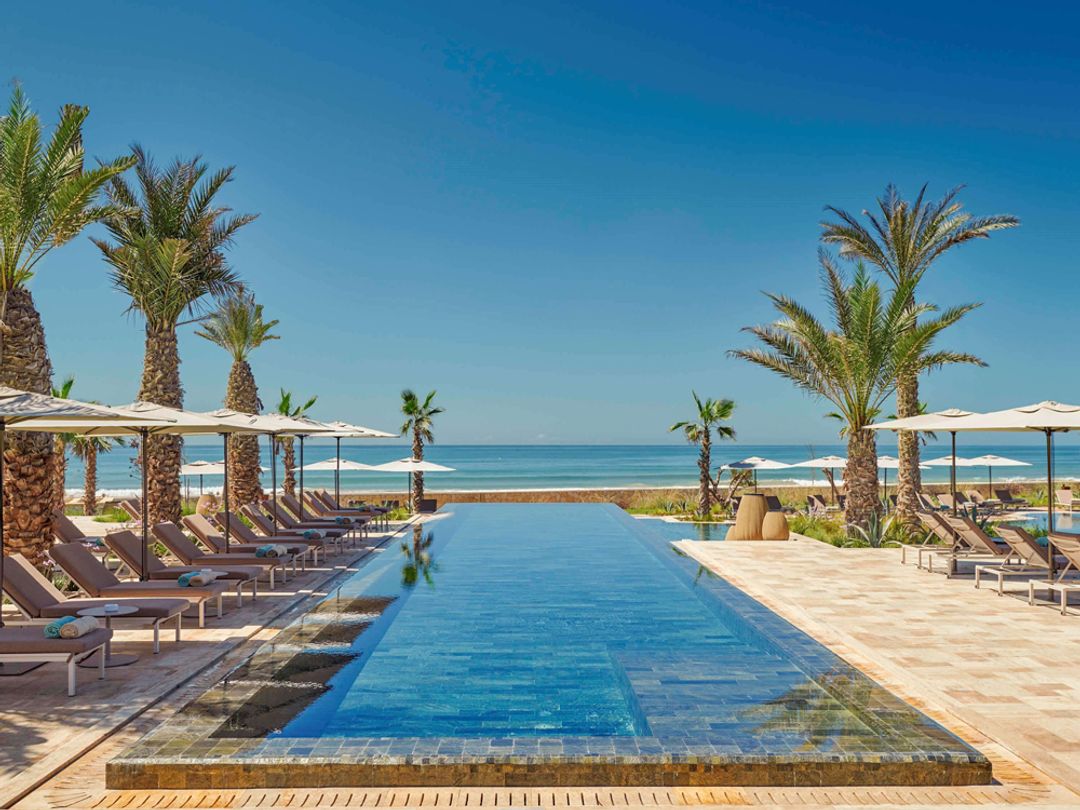
Agadir carries a peculiar architectural fate. The earthquake of 1960 leveled the city so completely — some 15,000 lives lost in seconds — that what was rebuilt afterward bore almost no resemblance to what had come before. The new Agadir was a planned city, conceived in the early 1960s with wide boulevards, low-rise modernist blocks, and a beach promenade that prioritized sun tourism over historical continuity. There is almost no pre-colonial medina to speak of, no layered urban fabric of the kind that gives Fez or Marrakech their architectural density. What you get instead is a city that sits lightly on its past, oriented almost entirely toward the Atlantic and the 10 kilometers of pale sand that define its public face. That orientation is what makes the coastline north of the city — particularly the village of Taghazout, roughly 20 kilometers up the coast road — so significant for anyone traveling here with design or quality of experience as the primary criteria. Taghazout spent decades as a low-key surf outpost, known more for the quality of its breaks than its accommodation. The arrival of Fairmont Taghazout Bay changed the register considerably. The property sits within a larger master-planned resort development and deploys a contemporary interpretation of Moroccan vernacular architecture: tiered white forms, shaded terraces, and water features that work with the hillside topography rather than against it. The interiors draw on Amazigh craft traditions — zellige tilework, handwoven textiles, carved plasterwork — without tipping into the kind of aggressive Orientalism that can make design-forward Moroccan hotels feel like costume. At a rate around $436 a night, it positions itself as the considered choice for a coast that has historically lacked one. What Agadir offers a design-conscious traveler, ultimately, is a different Morocco than the one most people have already seen. The riads are elsewhere. Here the reference points are the Atlantic light in the late afternoon, the surf culture that gives Taghazout its particular social texture, and a built environment that wears its post-disaster reinvention honestly. The Fairmont is the specific reason to stay on this stretch of coast rather than simply passing through it — a property scaled to the landscape and positioned far enough from the city's more generic resort corridor to feel like a deliberate destination in its own right.