Best hotels in Maputo, Mozambique | Visually Compare Top Stays Side-by-Side
Welcome to PressBeyond - a curated visual guide to design-driven hotels and the fastest way to compare them.
An Overview of the Boutique & Luxury Hotel Landscape in Maputo, Mozambique
Maputo is a city that rewards the traveler who looks up. Its streets, particularly in the older colonial quarters, carry the residue of a late-nineteenth and early-twentieth century building culture that drew heavily from Portuguese and Art Deco influences, leaving behind wrought-iron verandas, azulejo-tiled facades, and broad, jacaranda-lined avenues that few African capitals can match. The Avenida Marginal, running along the bay, is where the city presents its most composed face — and where both of the platform's listed properties sit, separated by price point but united by their orientation toward the water and the particular quality of light that comes off the Indian Ocean in the late afternoon.
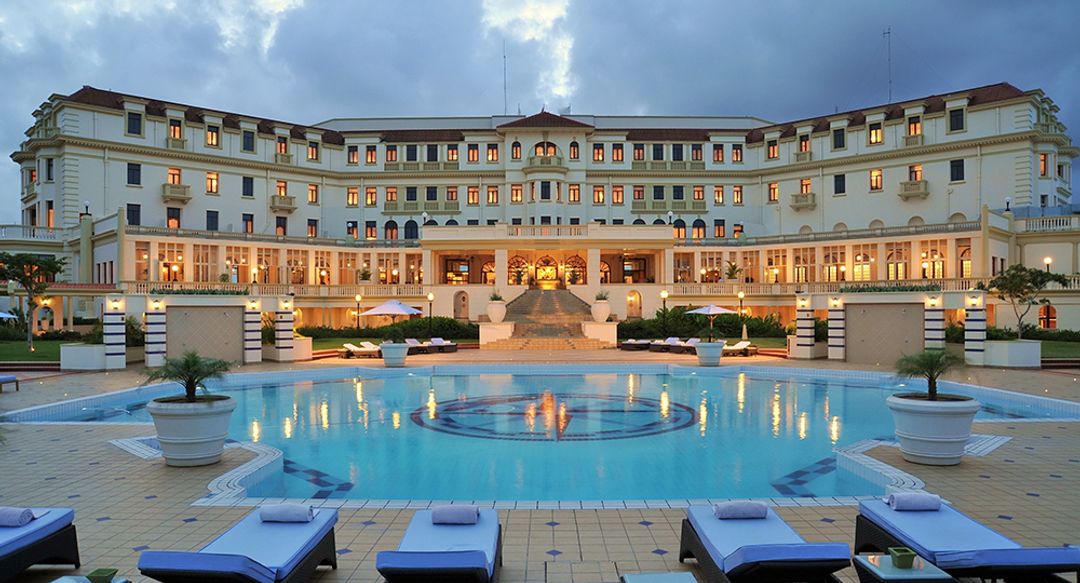
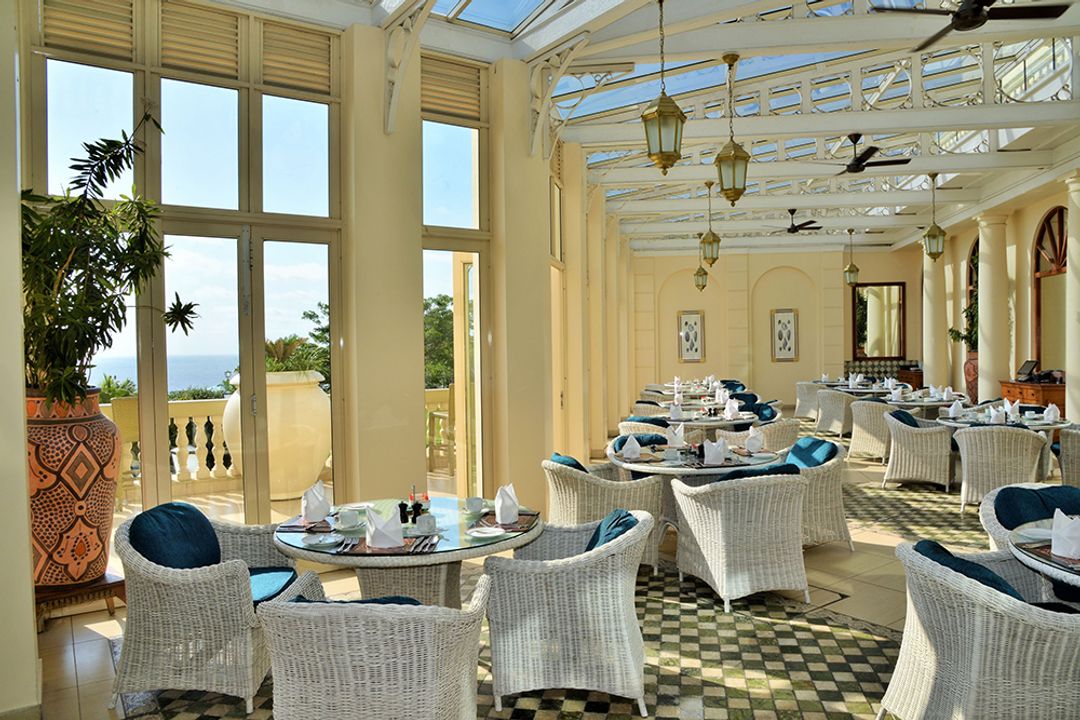
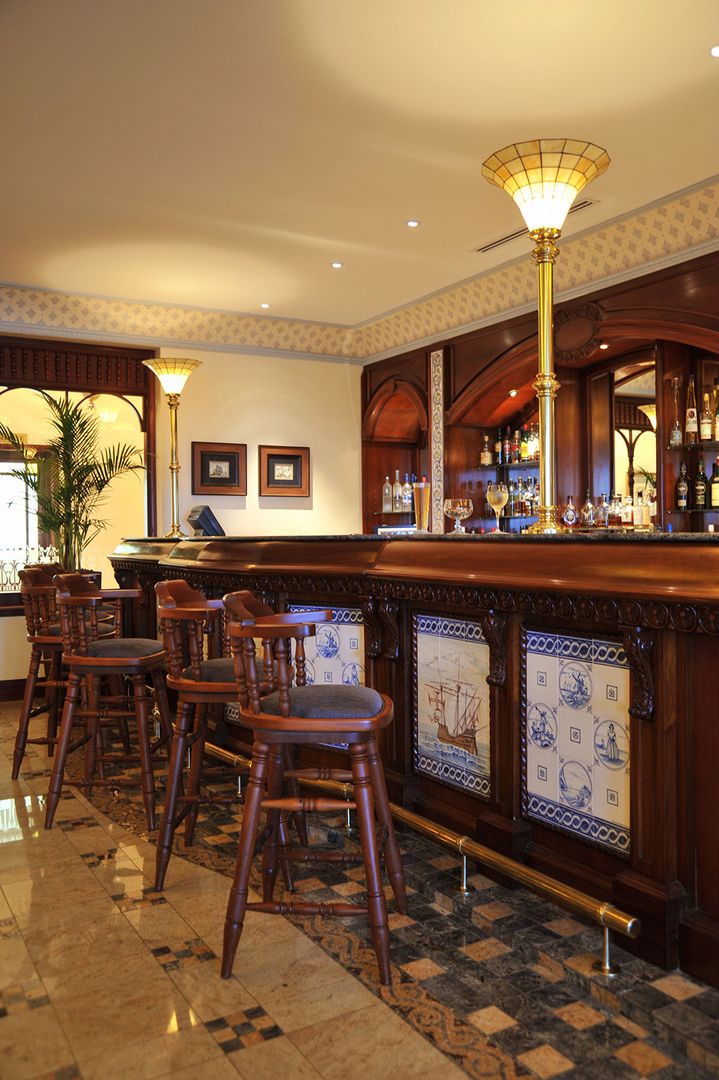
The Polana Serena Hotel is the more historically weighted of the two. Built in 1922 and occupying a position above the bay that made it, for decades, the diplomatic and social center of the city, its Portuguese colonial architecture reads as institutional confidence rather than period nostalgia. The colonnaded facade, the formal gardens, the high-ceilinged interiors — these are not preserved as museum pieces but maintained as a working environment that still carries genuine gravity. Anyone whose instinct is to notice buildings will find the Polana's public spaces genuinely worth the time spent in them. At around $295 per night, it sits at the upper end of what Maputo offers, but the physical fabric justifies the premium in ways that newer properties in other cities often cannot.
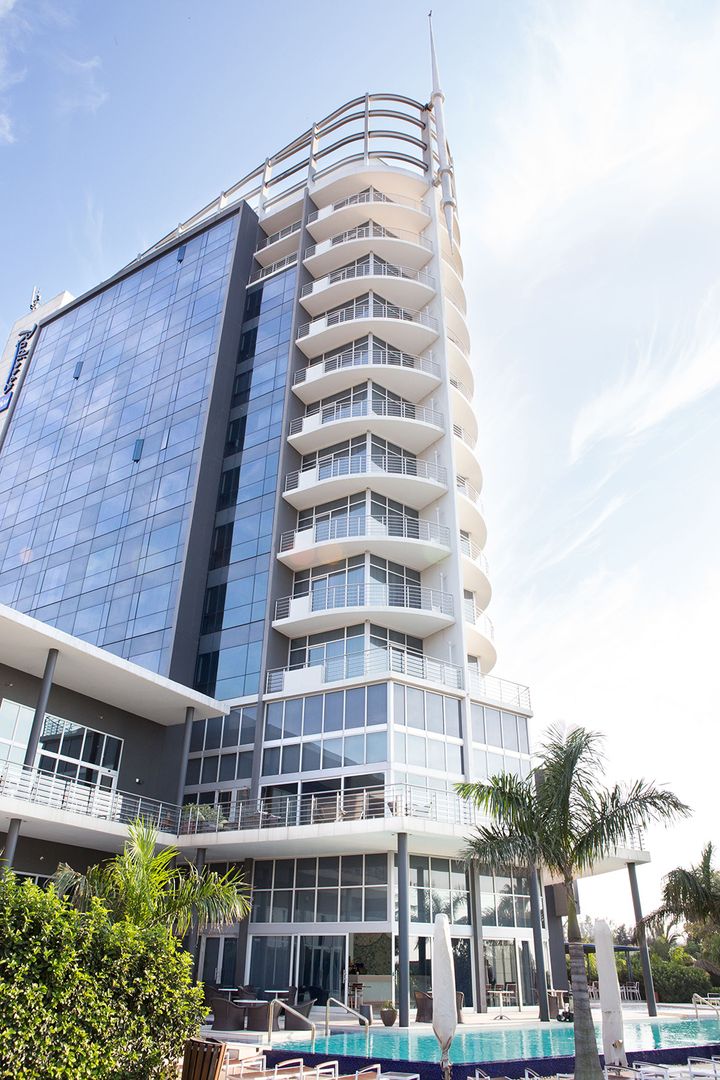
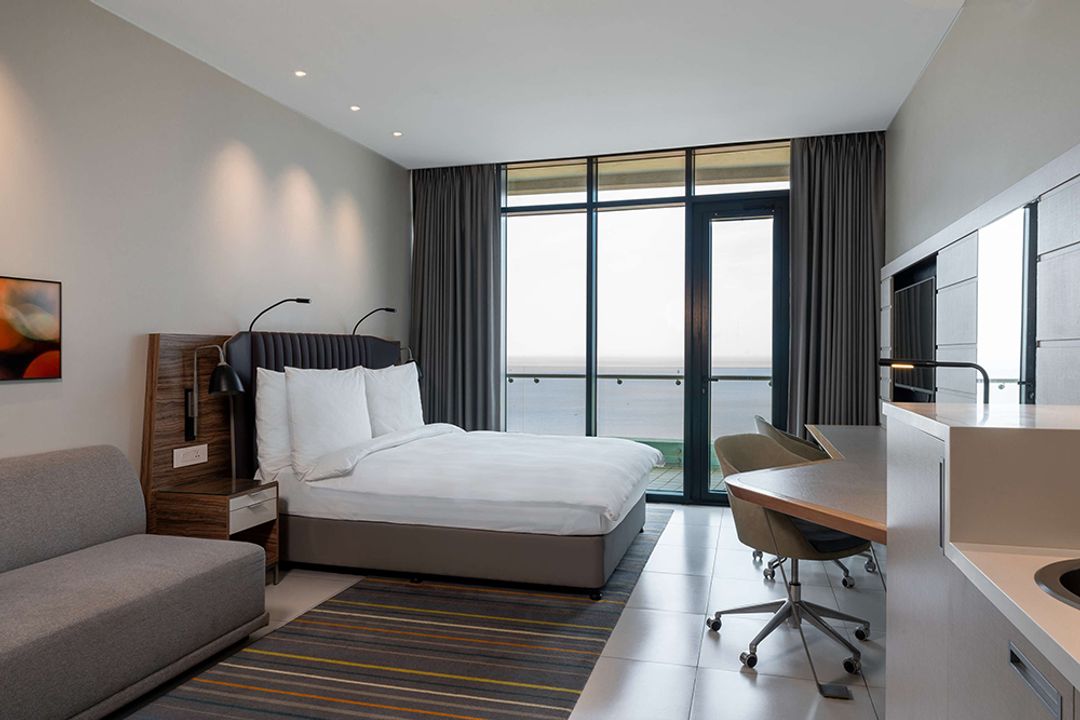
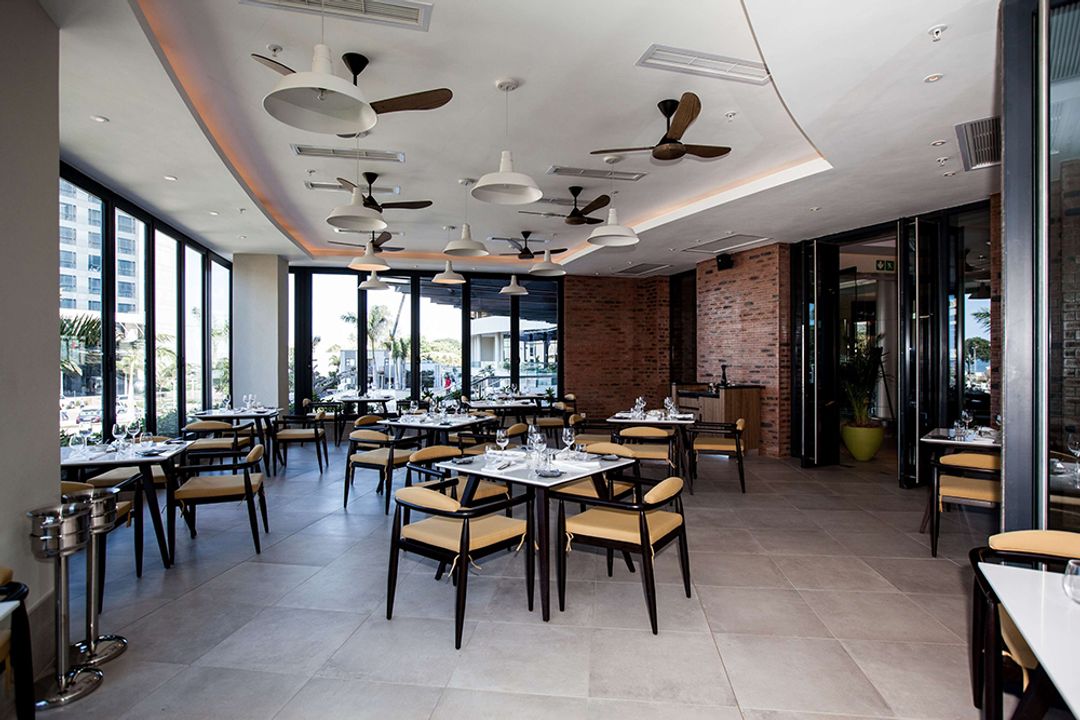
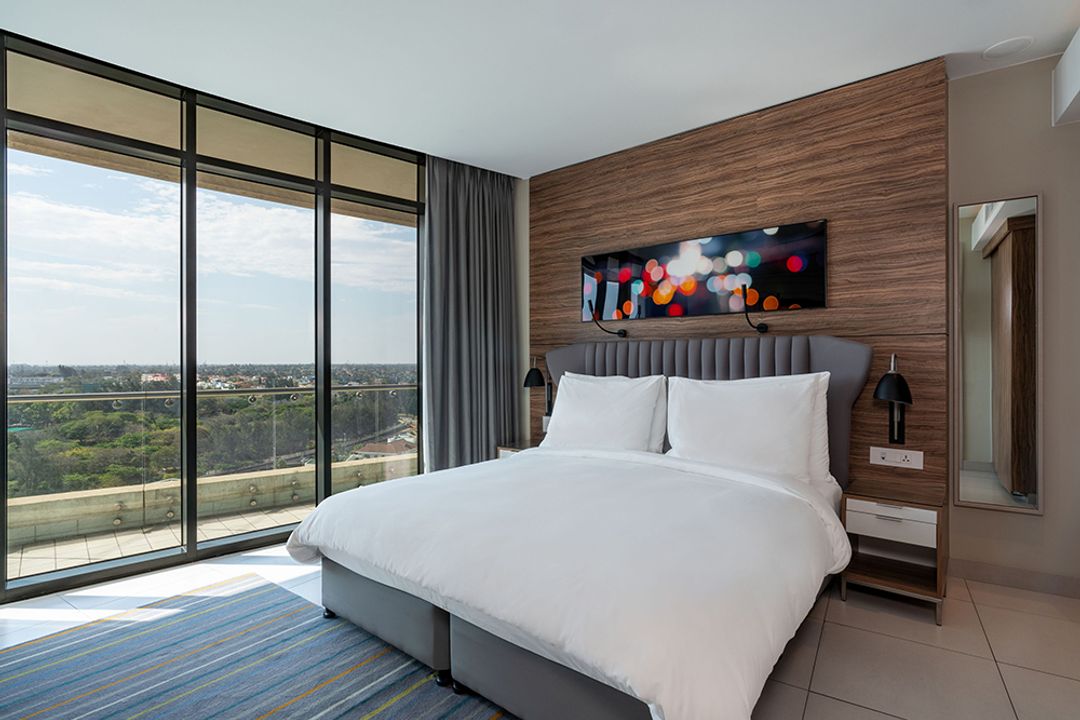
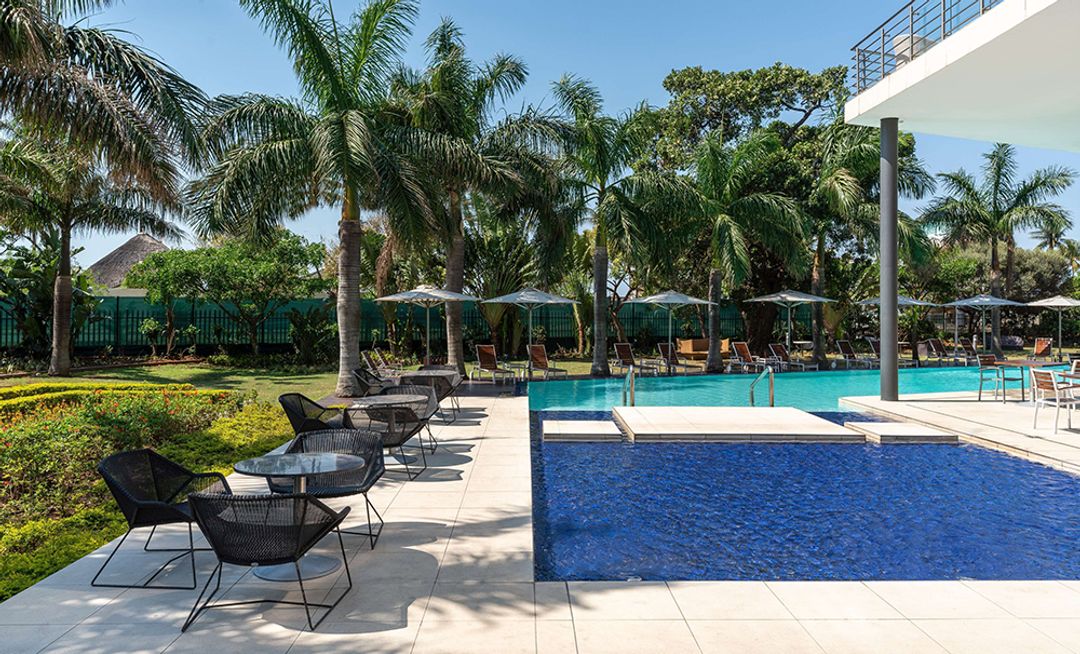
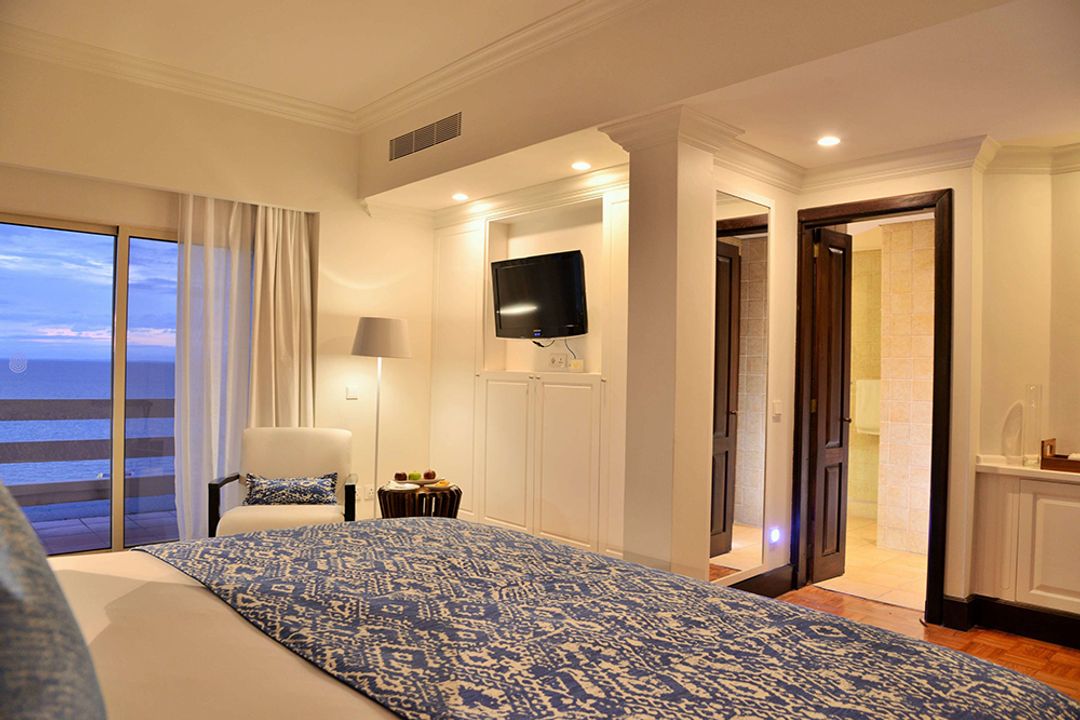
The Radisson Blu Hotel and Residence, also on the Marginal, operates from a different premise entirely. Contemporary in construction and oriented toward the business and diplomatic community that moves through Maputo in significant volume, it offers a more transactional kind of comfort, with residences that accommodate longer stays and an interior language that is international in its references rather than rooted in local precedent. At $168, it represents better value for the traveler whose priorities are reliability and connectivity over architectural depth. Together, these two properties cover the essential range available along this stretch of coastline, with the Polana offering the more singular experience and the Radisson a dependable base from which to understand a city that, despite everything its twentieth-century history threw at it, has retained a quality of civic ambition visible in its bones.