Best hotels in The Hague, Netherlands | Visually Compare Top Stays Side-by-Side
Welcome to PressBeyond - a curated visual guide to design-driven hotels and the fastest way to compare them.
An Overview of the Boutique & Luxury Hotel Landscape in The Hague, Netherlands
The Hague occupies an unusual position in the Netherlands: it is the seat of government, home to the International Court of Justice, and the residence of the Dutch royal family, yet it is not the capital. That constitutional oddity has shaped everything about the city's built environment. Where Amsterdam accumulated layers of mercantile ambition and canal-side pragmatism, The Hague developed along more formal, civic lines — wide avenues, ministerial palaces, and a distinct Baroque and Neoclassical inheritance that still gives the center its measured, unhurried character. The Binnenhof complex, with its medieval great hall and surrounding governmental buildings, anchors the city's core in a way that few European political centers still manage to feel genuinely inhabited rather than ceremonially preserved.
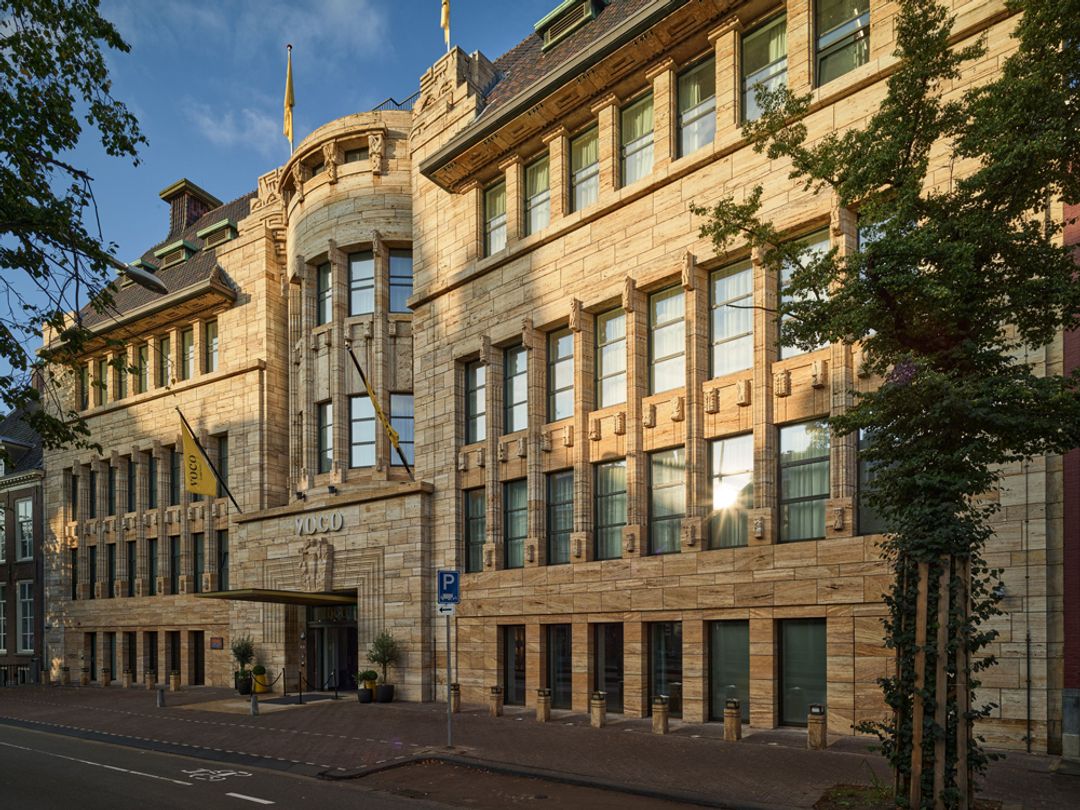
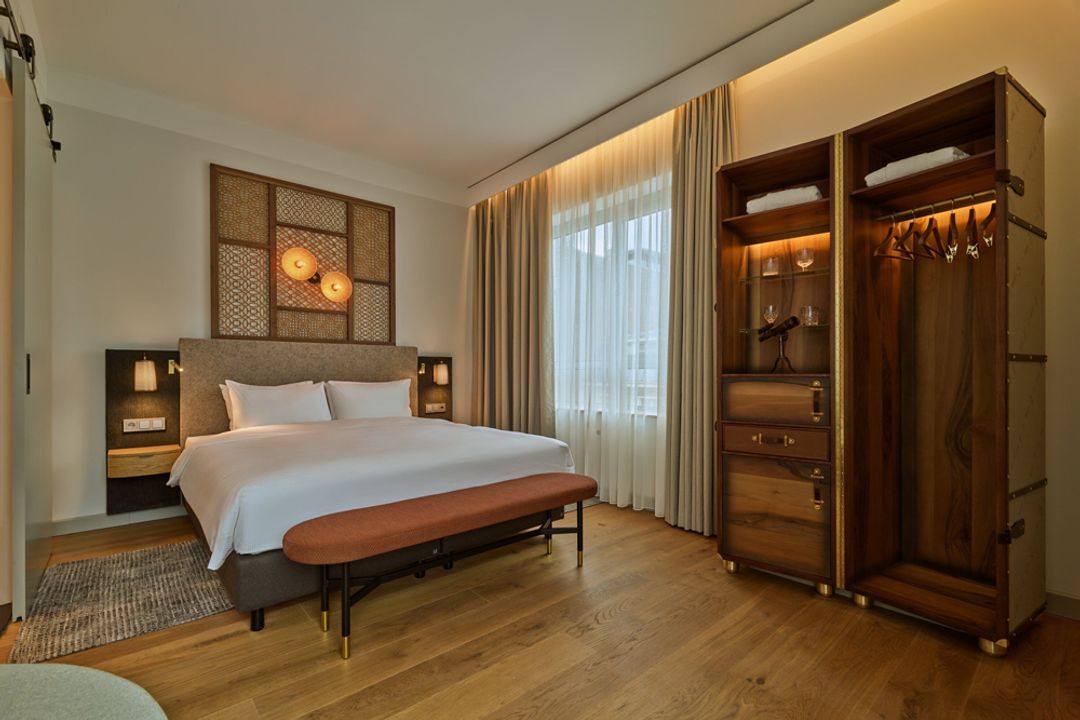
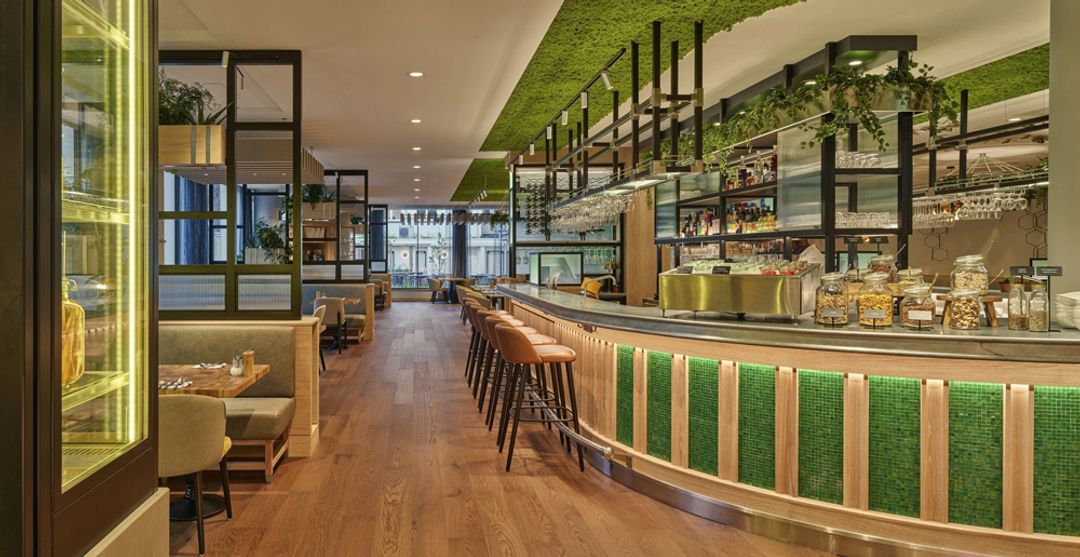
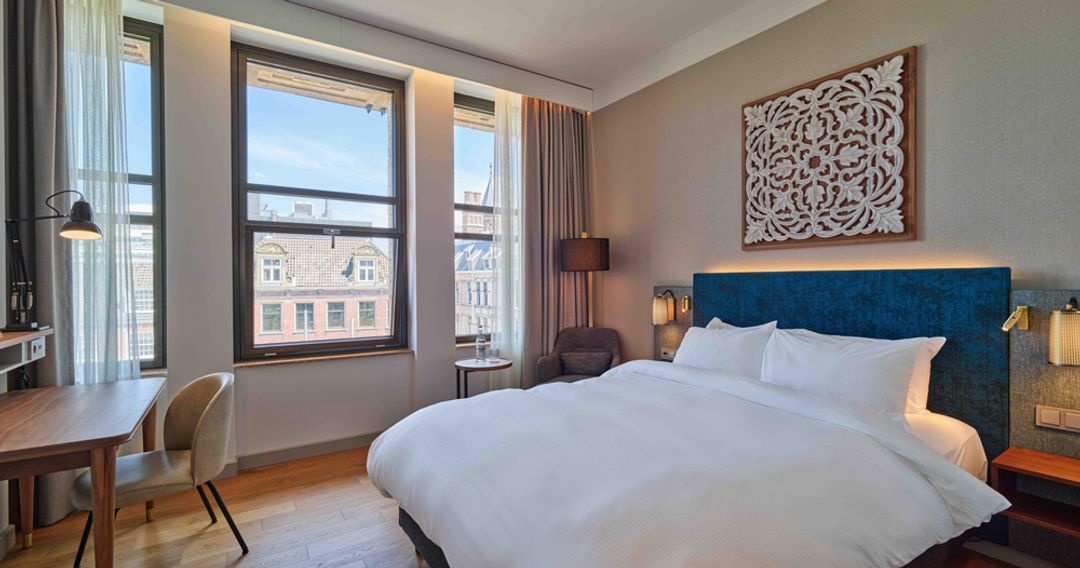
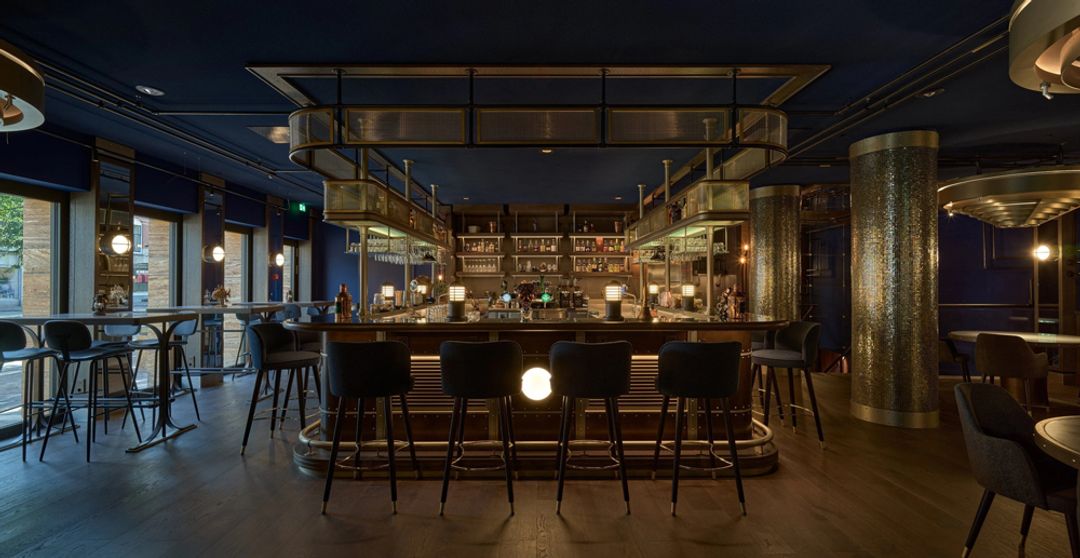
The neighborhood immediately surrounding Parliament, known broadly as the Parliament Center, is where the city's institutional weight is most directly felt. Government ministries occupy grand nineteenth-century townhouses; embassies sit behind wrought-iron gates on tree-lined streets; and the pace is noticeably different from the tourist-worn centers of other Dutch cities. It is here that voco The Hague, part of IHG's upper-midscale portfolio, offers the most coherent base for understanding the city on its own terms. Positioned within walking distance of the Binnenhof, the Mauritshuis, and the Escher in het Paleis museum, it provides access to the civic and cultural fabric that defines The Hague's particular atmosphere. The voco brand sits at a register that suits the city well: polished without grandiosity, professional without sterility, calibrated for the diplomat, the attending legal counsel, and the traveler who comes to read buildings as well as visit them.
Beyond the Parliament precinct, the Scheveningen seafront and the Statenkwartier neighborhood extend the city's range considerably. Scheveningen, once a fashionable Belle Époque resort, still carries architectural evidence of that period in its pier and boulevard fabric, while Statenkwartier offers some of the finest residential early-twentieth-century streetscapes in the country. The Hague rewards a certain kind of unhurried attention — the traveler who notices the shift in scale between a Neoclassical ministry and the modernist insertions around it, or who pauses at the Mauritshuis long enough to understand why Vermeer painted the way he did within a few kilometers of where he is standing. For that traveler, voco The Hague is a well-placed and well-considered choice.