Best hotels in Bergen, Norway | Visually Compare Top Stays Side-by-Side
Welcome to PressBeyond - a curated visual guide to design-driven hotels and the fastest way to compare them.
An Overview of the Boutique & Luxury Hotel Landscape in Bergen, Norway
Bergen earns its reputation on water and wood. The city sits at the foot of seven mountains, pressed between fjord and forested ridgeline, and its historic core along Bryggen, the old wharf district, is one of the most architecturally coherent medieval streetscapes in northern Europe. The long timber warehouses that line the harbor, their facades stepped and painted in ochre, sienna, and rust, date their current form to rebuilds following the great fire of 1702, though the plots themselves follow a merchant plan laid down in the fourteenth century under Hanseatic trade dominance. UNESCO listed the whole assembly in 1979, which matters not as a bureaucratic footnote but as evidence of how intact the physical record remains. Bergen is also a city that gets serious rainfall, which concentrates life indoors, sharpens the pleasure of a good interior, and gives the architecture a particular quality of shelter that feels genuinely earned rather than decorative.
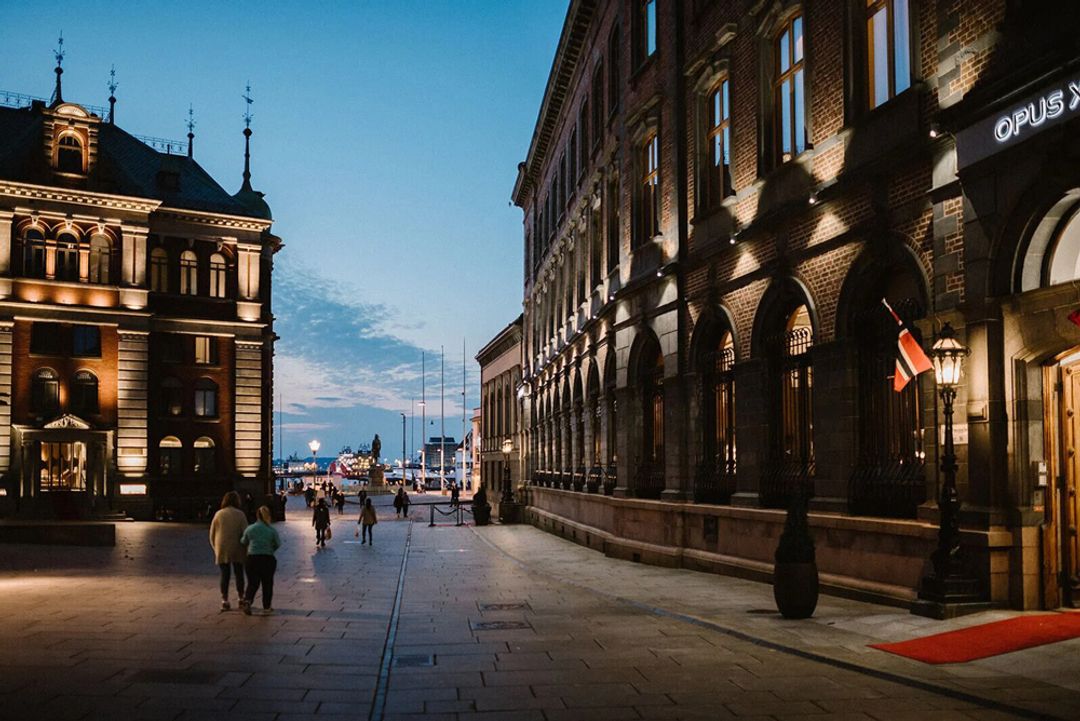
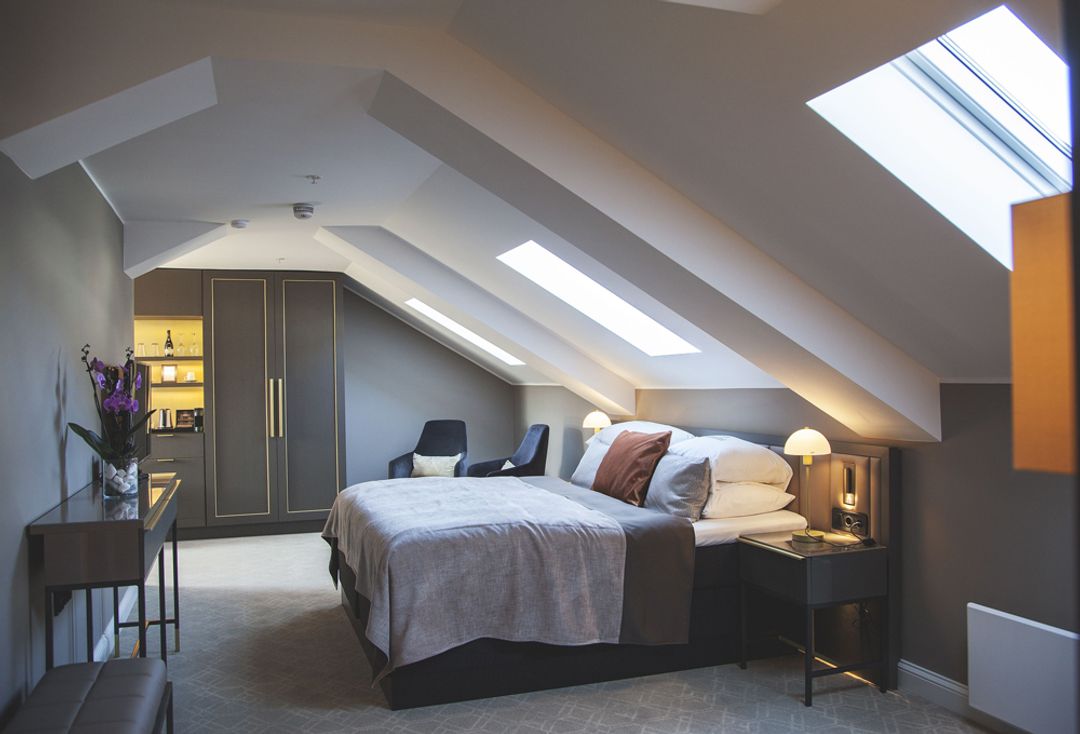
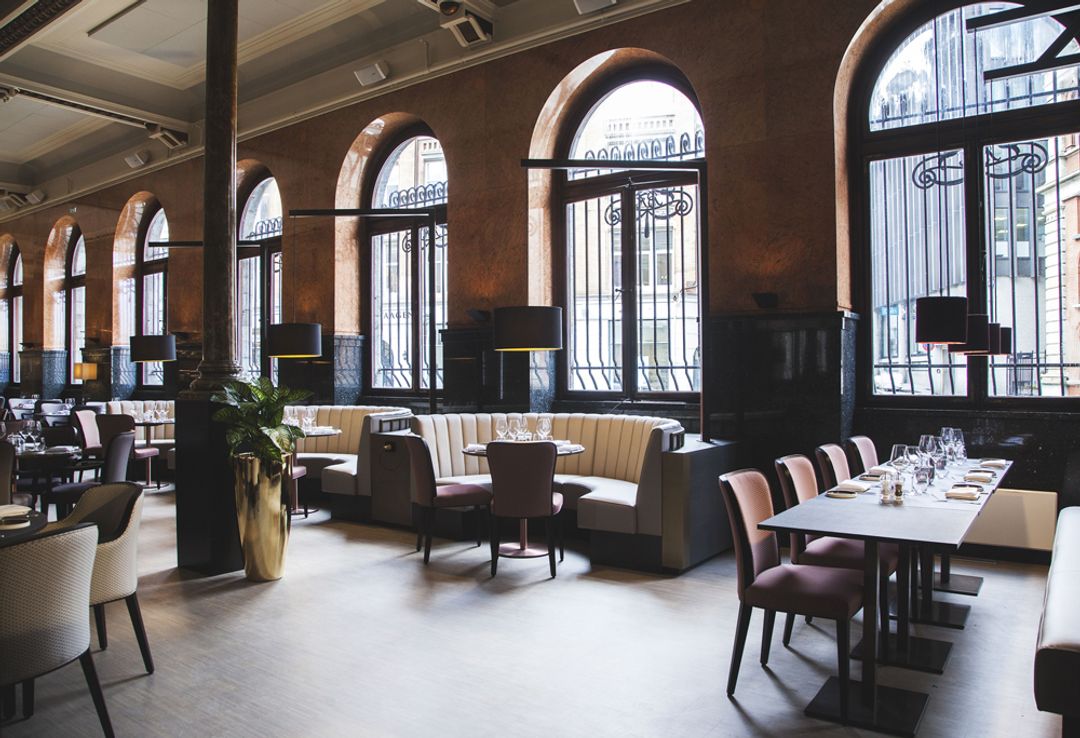
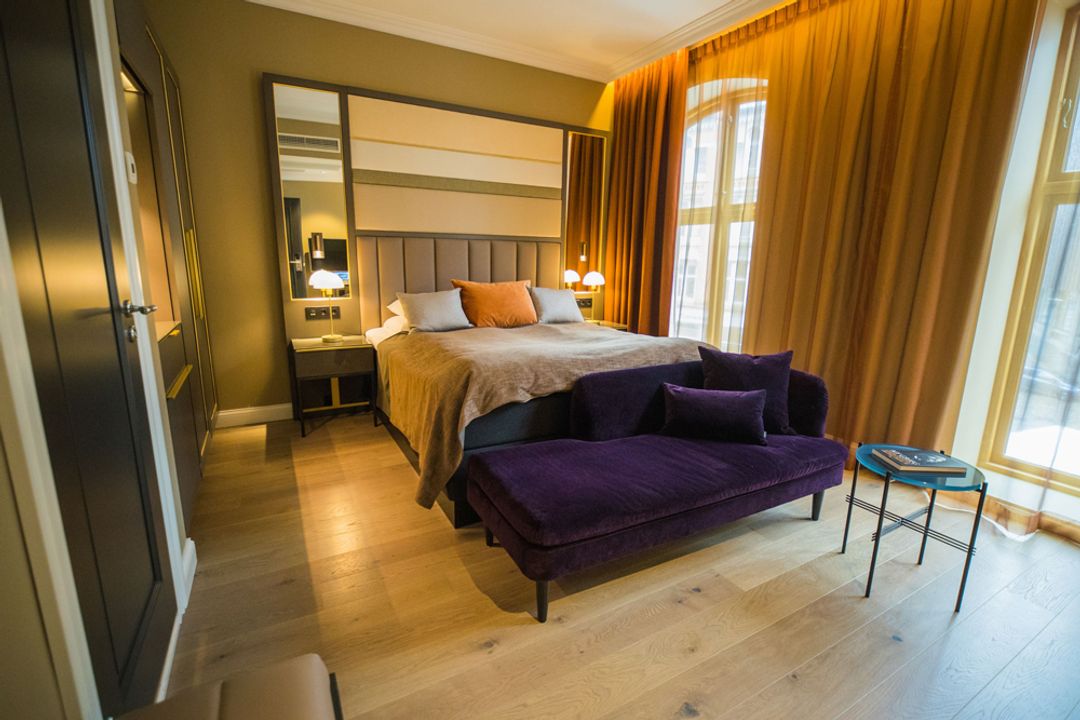
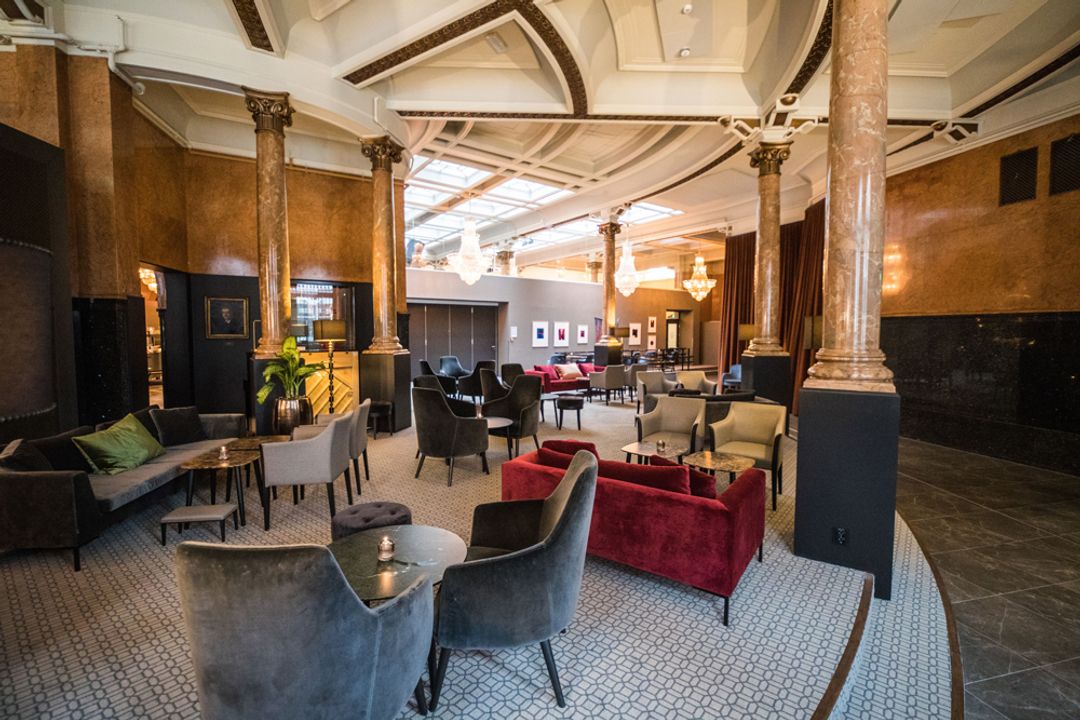
Opus XVI occupies a building on Bryggen that puts a traveler directly inside this history rather than alongside it. The property takes its address and much of its structure from the former storey buildings of the wharf row, and the interior works with the given material conditions rather than papering over them. Exposed timber framing, the particular grain of old Norwegian pine, and ceiling heights that recall merchant storage rather than grand hotel convention give the rooms a character that a ground-up new build could not credibly reproduce. At 243 dollars a night, it sits in a genuinely comfortable position, neither performing budget austerity nor inflating its rates to match the ambitions of a larger capital city property. The hotel is small enough that the building's history remains the dominant presence rather than retreating behind amenity.
What Bergen asks of anyone who arrives with their attention properly engaged is patience with scale. This is not Oslo, with its postwar civic ambitions and recent waterfront redevelopment energy. Bergen is a trading city that stayed close to its own proportions, where the architecture rewards the traveler who notices the joinery, reads the angle of a pitched roof against the mountain, or stops long enough in Bryggen to see that the slight lean and irregularity of the facades is not decay but accumulated time. Opus XVI is, in that sense, the correct place to sleep: a building that has absorbed several centuries of Bergen and still feels like it belongs to the harbor it faces.