Best hotels in Stavanger | A Curated Visual Guide to Top Stays
Welcome to PressBeyond, the ultimate curated visual guide for design-driven hotels! My name is Will Miller and this is my recommendation for the best boutique and luxury hotel in Stavanger.
I am the founder of PressBeyond and I am an ultra-meticulous hotel curator who loves clean visuals. I have individually analyzed and tiered the hotel included in this guide based on a variety of criteria (architecture & design, location, brand & brand affiliation, existing reviews, and my own personal experiences), and importantly, I have hand-selected the leading imagery for this hotel to provide you with easily-digestible, yet detailed and complete, like-for-like, high-level visual profiles. I felt this summarization step was a critical missing piece across existing guides, blogs, and booking platforms. My aim is to make it easier for people to identify hotel environments that resonate with them, along with enabling them to visualize the types of social experiences that those environments help foster. My brain doesn't work when exposed to cluttered content, so my goal was to create the opposite.
Underneath this, we are also a full booking engine offering 5% Venmo cash back along with other exclusive perks. For all of you design-obsessed hotel enthusiasts out there, I hope this guide helps get you to where you see yourself!
An Overview of the Boutique & Luxury Hotel Landscape in Stavanger
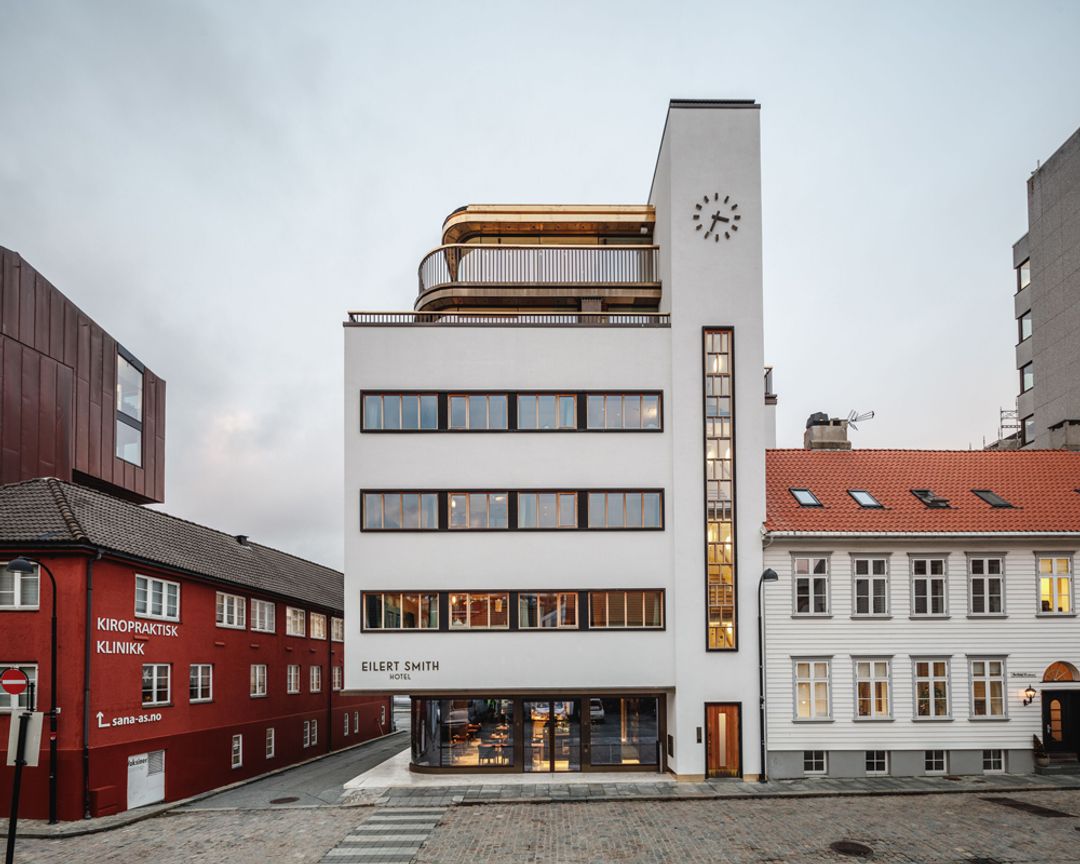
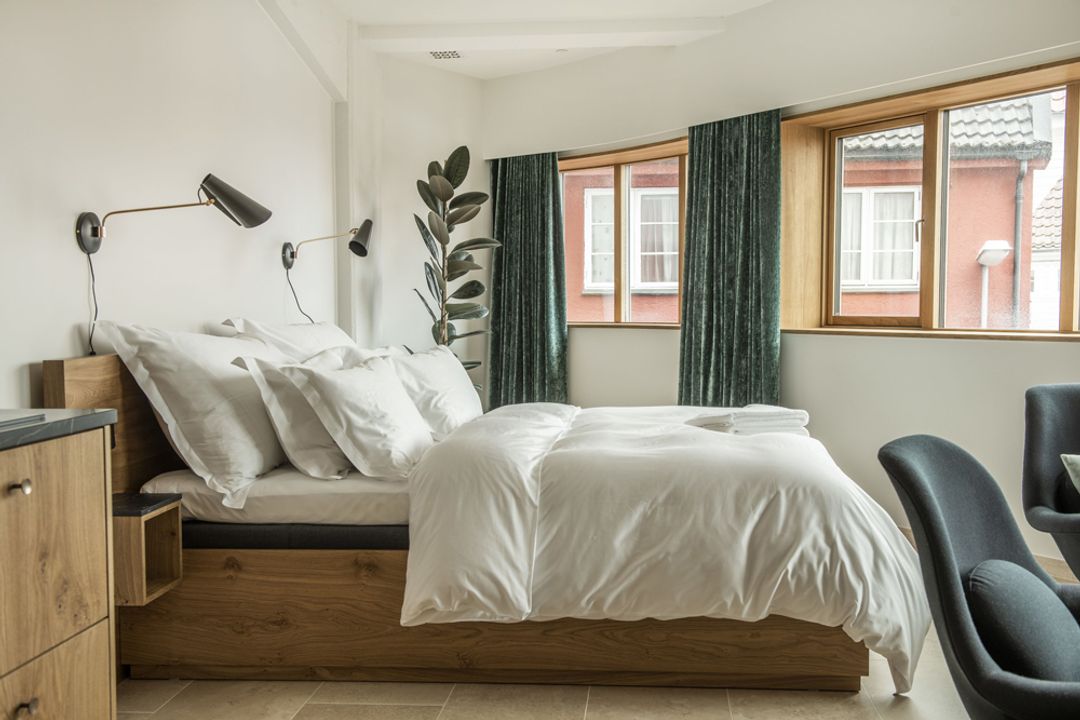
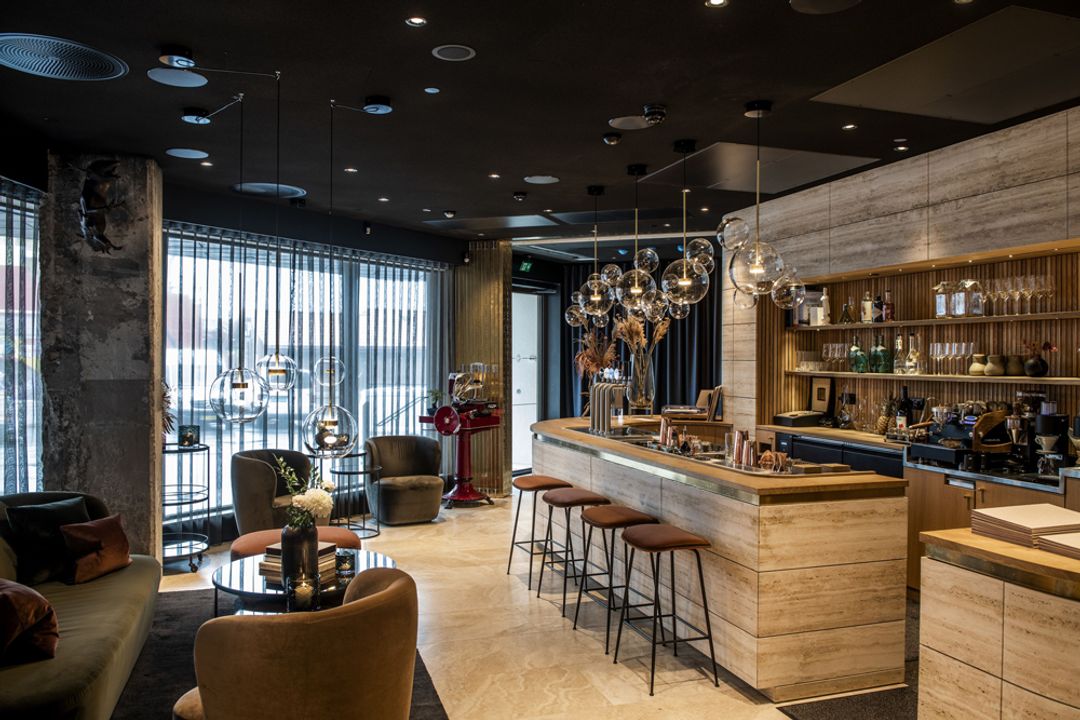
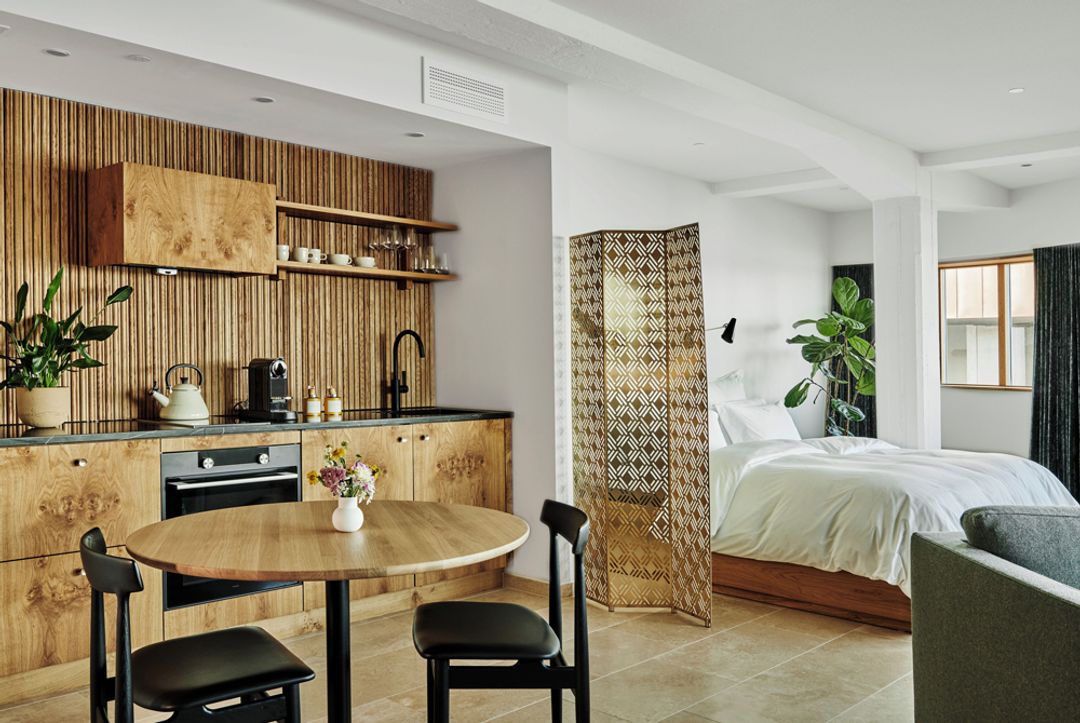
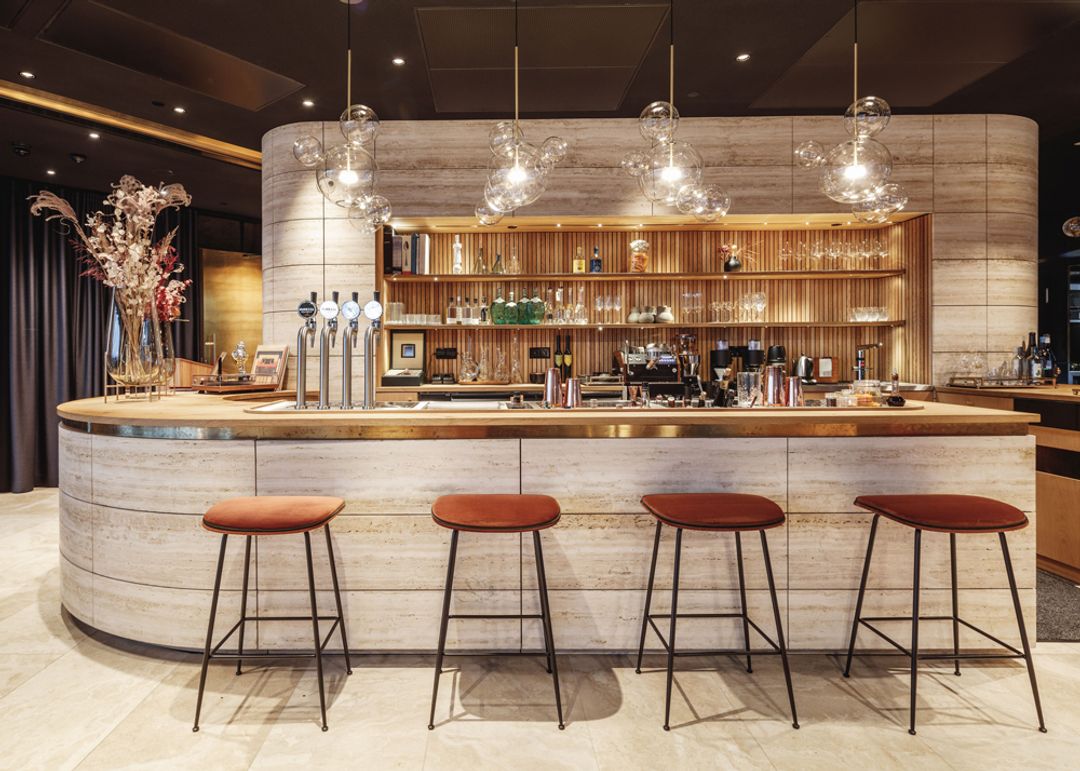
Stavanger sits on Norway's southwestern coast as a city of productive contradictions — a medieval wooden town center that survived largely intact while oil money transformed the surrounding region into one of Scandinavia's most unexpectedly cosmopolitan corners. The old quarter, Gamle Stavanger, is a remarkably preserved cluster of white-painted timber houses from the 18th and 19th centuries, the kind of domestic architecture that feels modest until you realize how rare it is for a European city to have kept so much of it. Alongside this, the petroleum industry that arrived in the 1970s brought international ambition and infrastructure that pushed Stavanger toward a more urban, outward-looking identity than its fishing-town origins might have predicted. The city center, where the old harbor meets the main commercial streets, carries most of Stavanger's architectural interest for the design-conscious visitor. Warehouses along Nedre Strandgate have been converted, squares have been reworked, and the proximity of the waterfront to the compact pedestrian core means the city reads as walkable in a way that rewards attention. It is in this area that the Eilert Smith Hotel makes its case — a high-quality property in the Optimize tier, priced around $210 a night, that positions itself not as a resort outlier but as a genuinely urban address. Named after a 19th-century Stavanger merchant and civil figure, the hotel occupies a building on Skagen, close to the harbor, and its interiors draw on the texture of the city's mercantile past without sliding into nostalgic pastiche. The material choices — dark woods, considered lighting, furniture that leans Scandinavian without being exhaustingly minimal — give it a character that feels earned by the place rather than imported from a hospitality template. For a city that doesn't have the hotel density of Bergen or Oslo, the fact that one property manages to read as both architecturally coherent and genuinely local is the relevant thing. Stavanger rewards travelers who come for the Lysefjord, the Pulpit Rock hike, or the Norwegian Petroleum Museum — Kjell Aukrust Jensen and Lunde and Løvseth's 1999 building, which is itself worth making time for — and want somewhere to return to that hasn't been designed around the idea of making everything easy. The Eilert Smith Hotel earns its place in the city rather than simply occupying it.