Best hotels in Cusco | A Curated Visual Guide to Top Stays
Welcome to PressBeyond, the ultimate curated visual guide for design-driven hotels! My name is Will Miller and these are my recommendations for the best boutique and luxury hotels in Cusco.
I am the founder of PressBeyond and I am an ultra-meticulous hotel curator who loves clean visuals. I have individually analyzed and tiered each hotel included in this guide based on a variety of criteria (architecture & design, location, brand & brand affiliation, existing reviews, and my own personal experiences), and importantly, I have hand-selected the leading imagery for each hotel to provide you with easily-digestible, yet detailed and complete, like-for-like, high-level visual profiles. I felt this summarization step was a critical missing piece across existing guides, blogs, and booking platforms. My aim is to make it easier for people to identify hotel environments that resonate with them, along with enabling them to visualize the types of social experiences that those environments help foster. My brain doesn't work when exposed to cluttered content, so my goal was to create the opposite.
Underneath this, we are also a full booking engine offering 5% Venmo cash back along with other exclusive perks. For all of you design-obsessed hotel enthusiasts out there, I hope this guide helps get you to where you see yourself!
An Overview of the Boutique & Luxury Hotel Landscape in Cusco
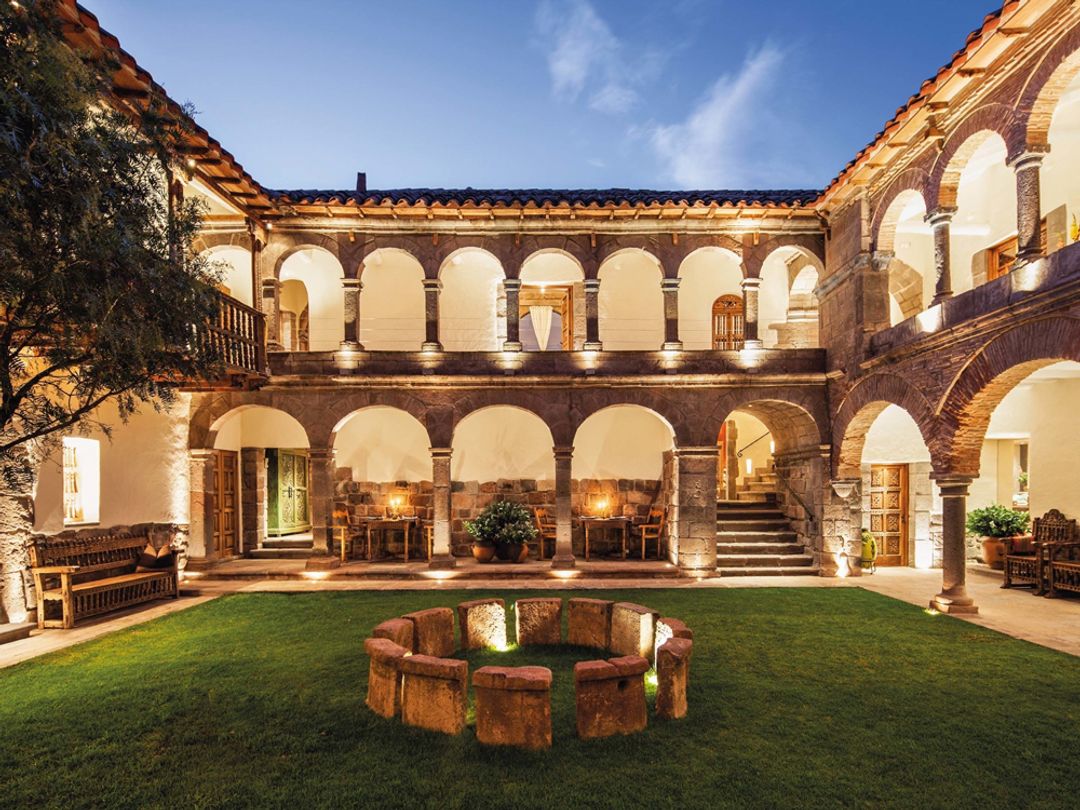
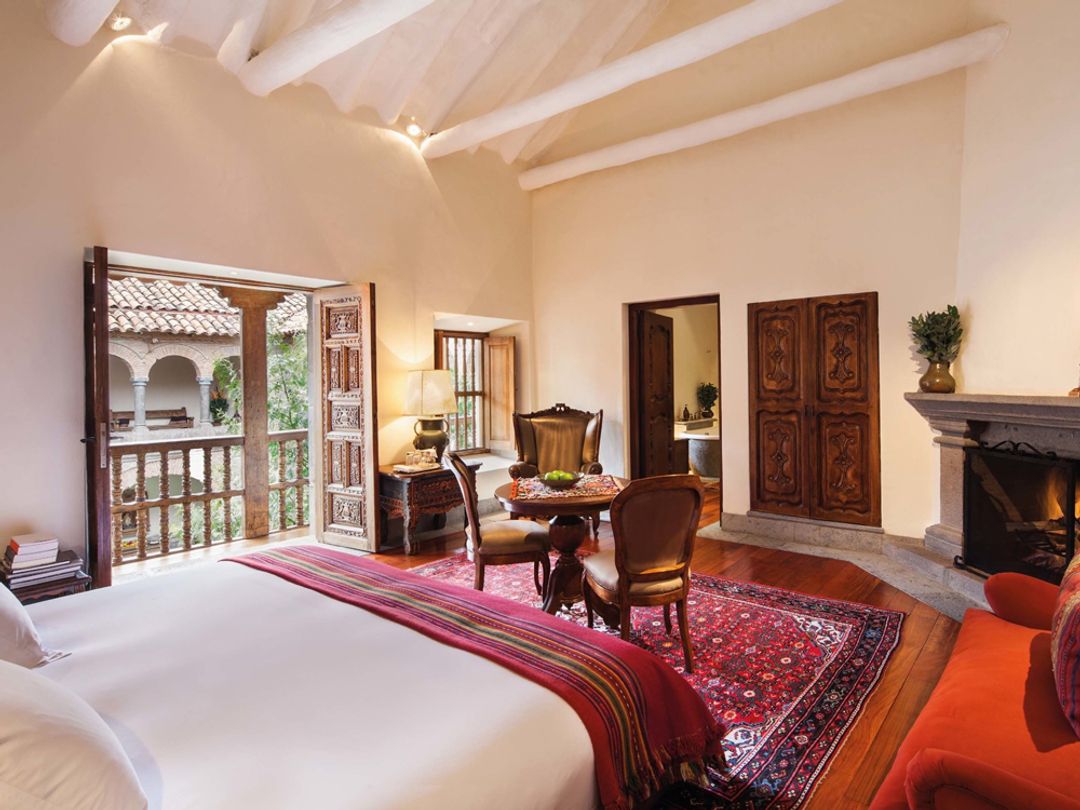
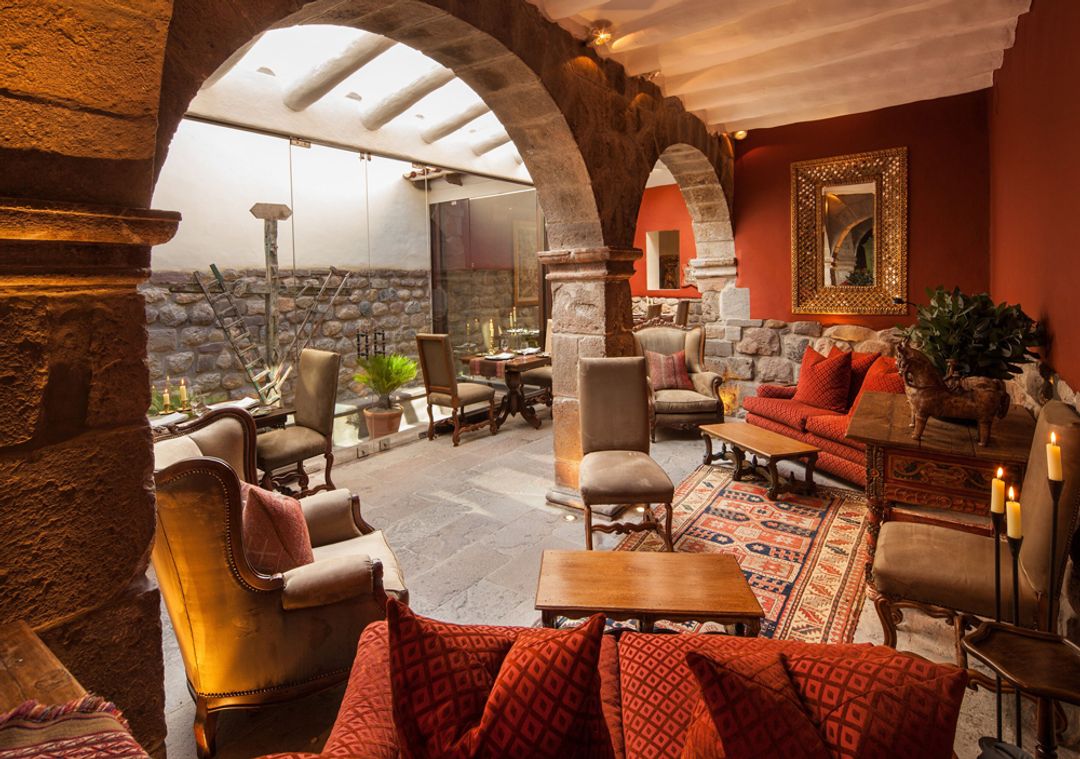
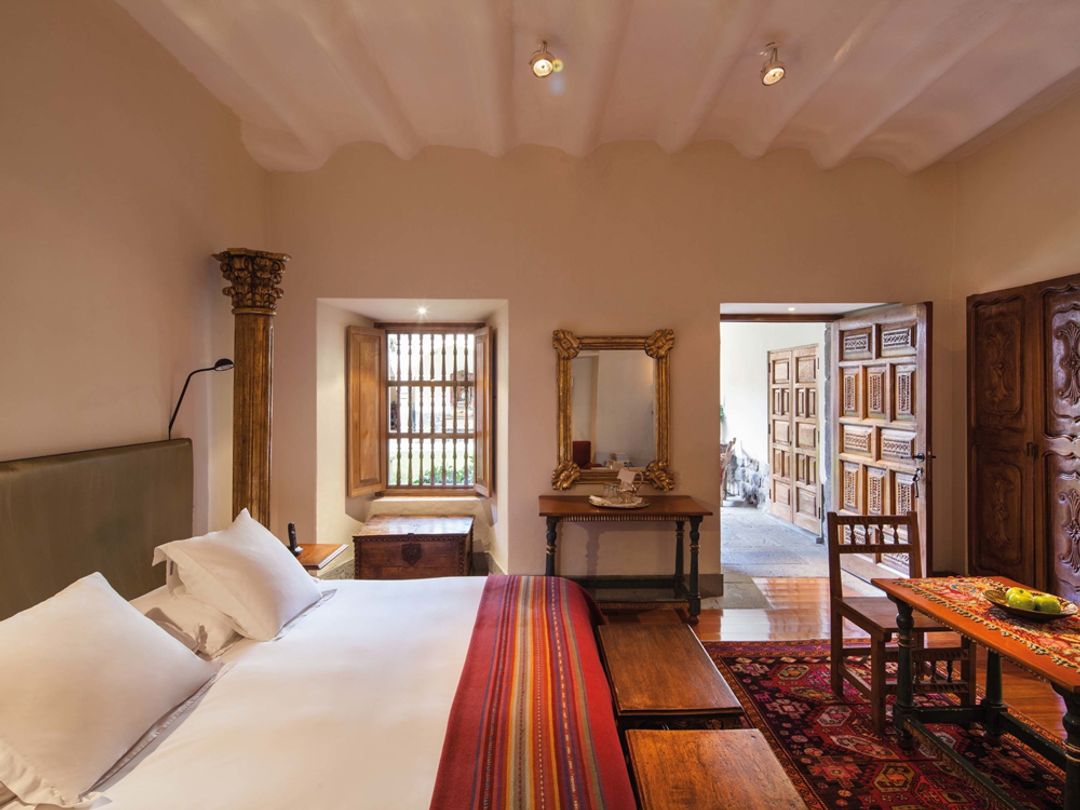
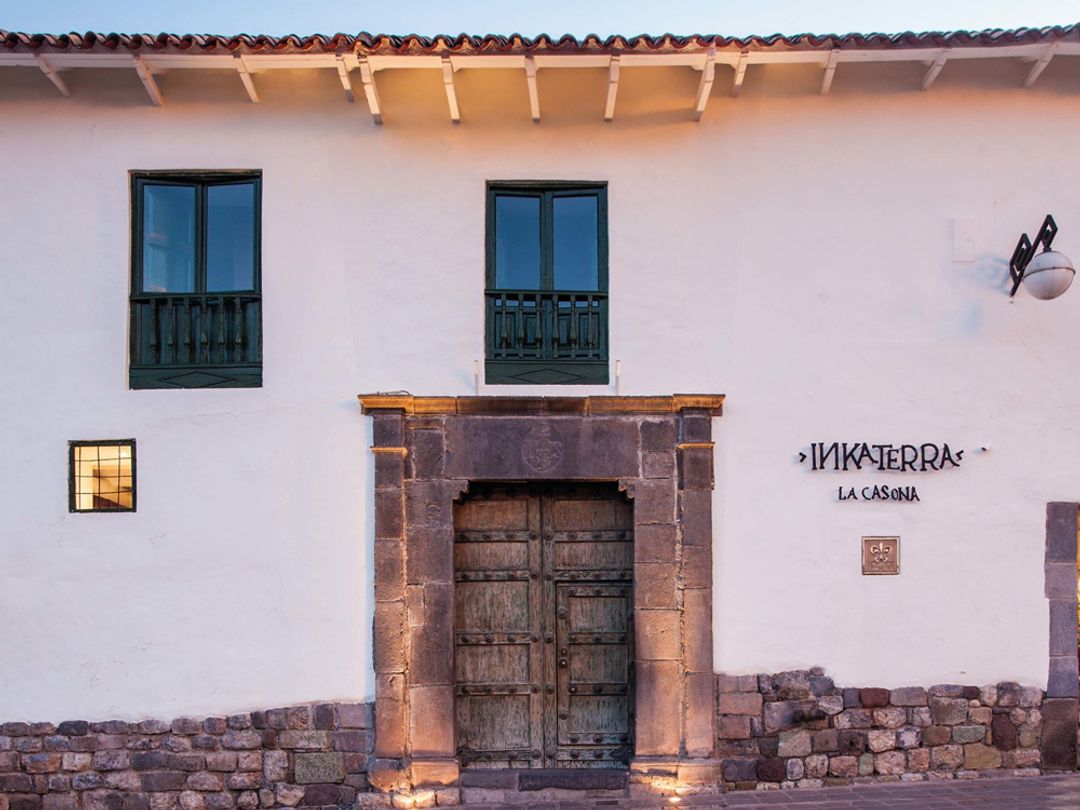
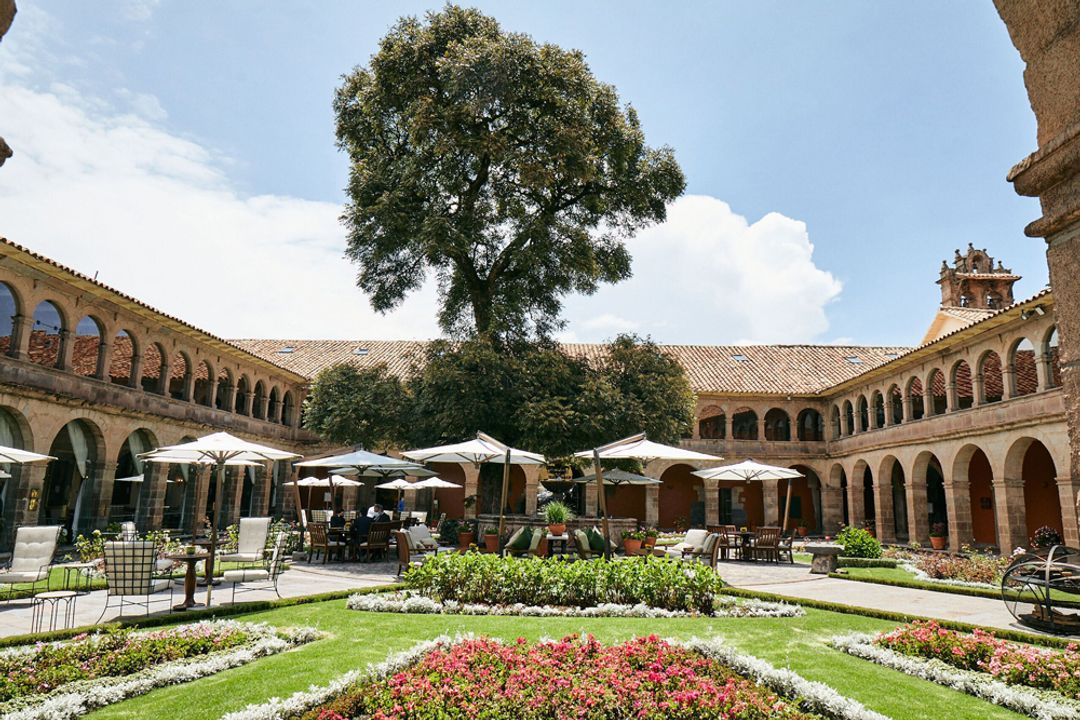
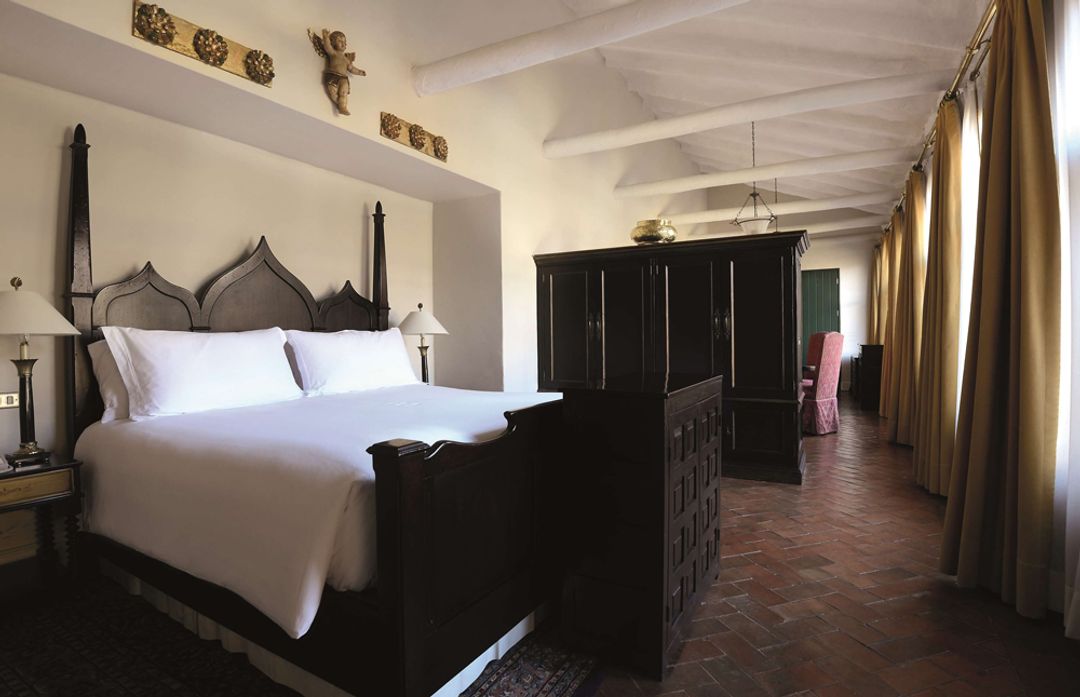
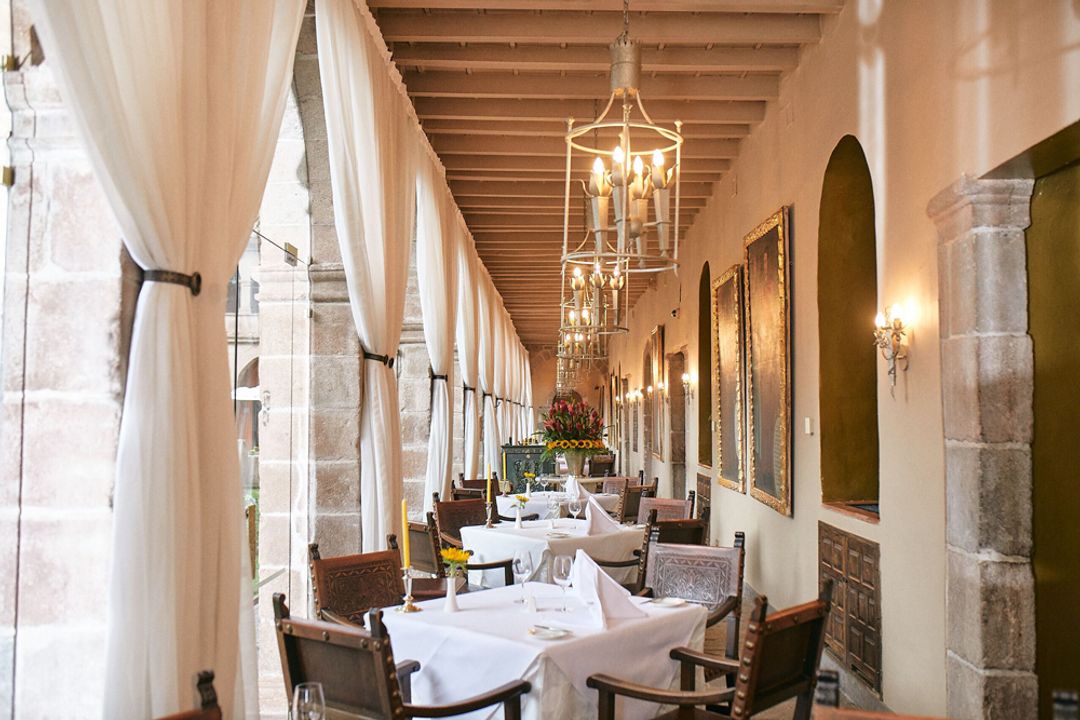
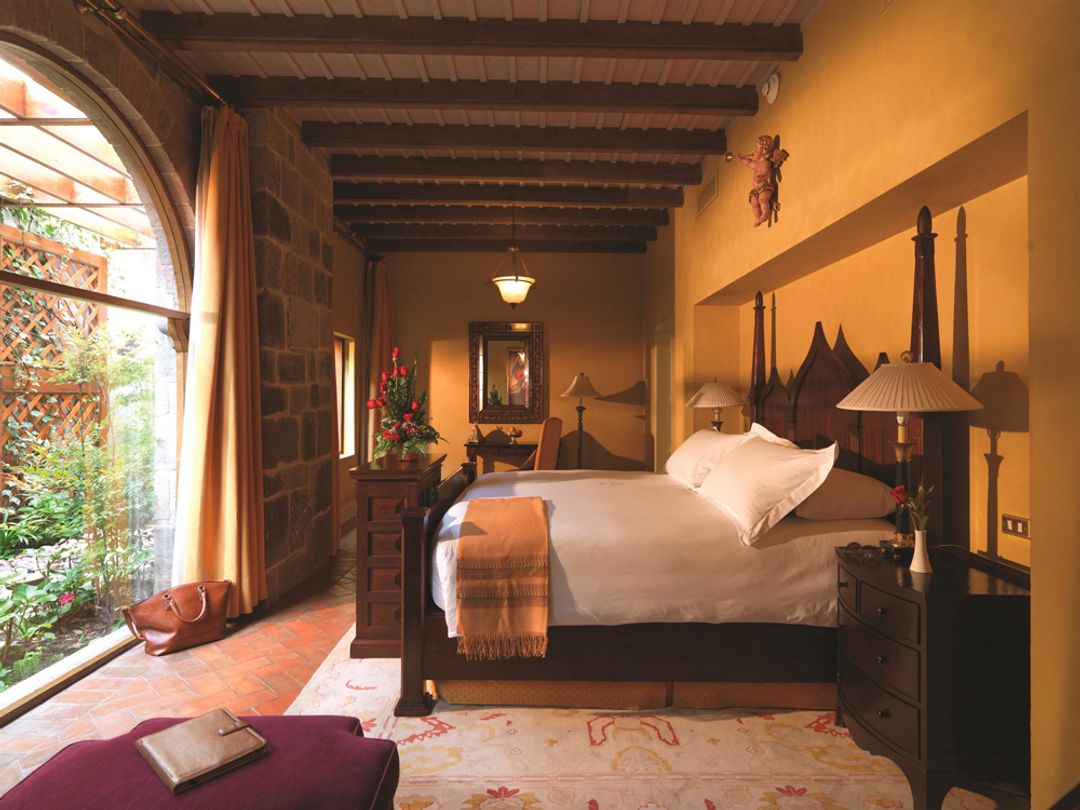
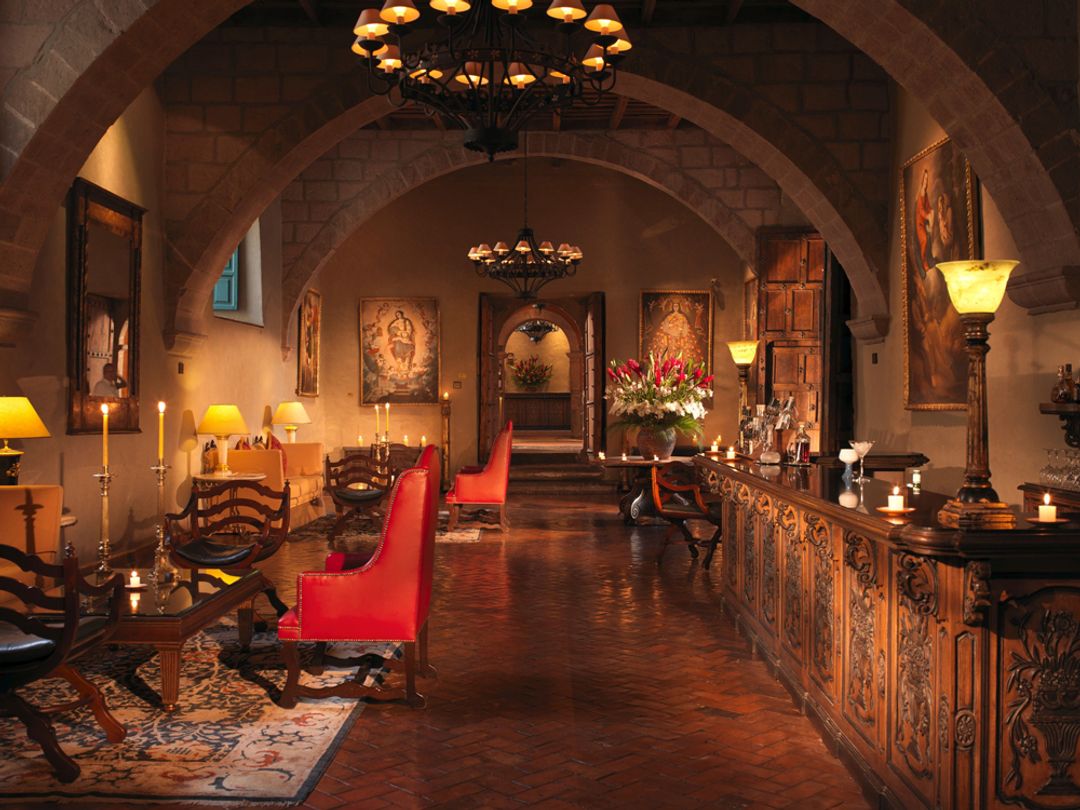
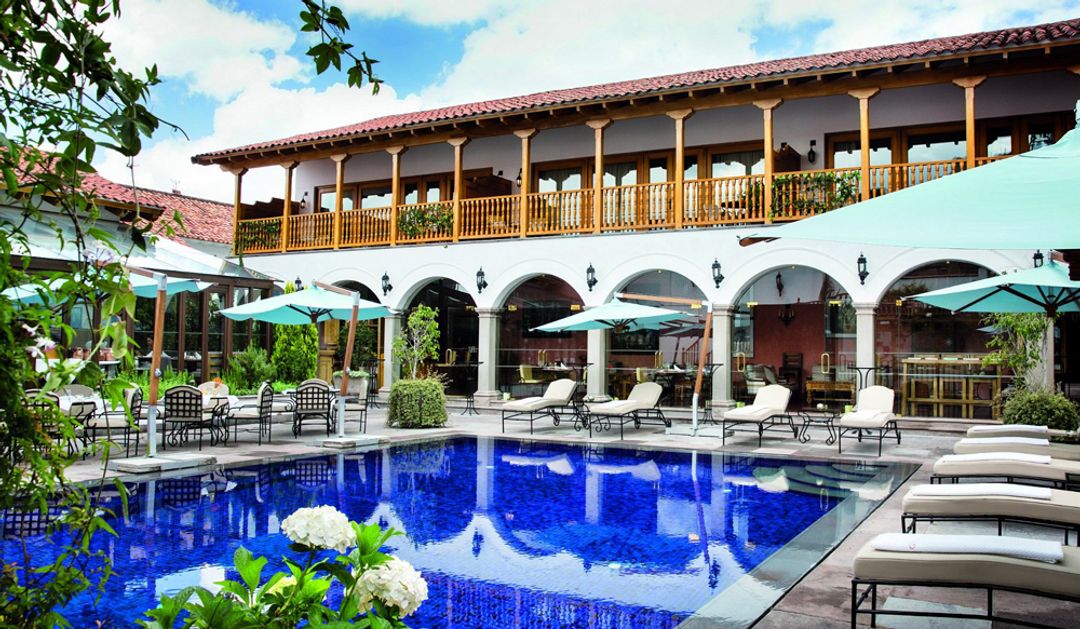
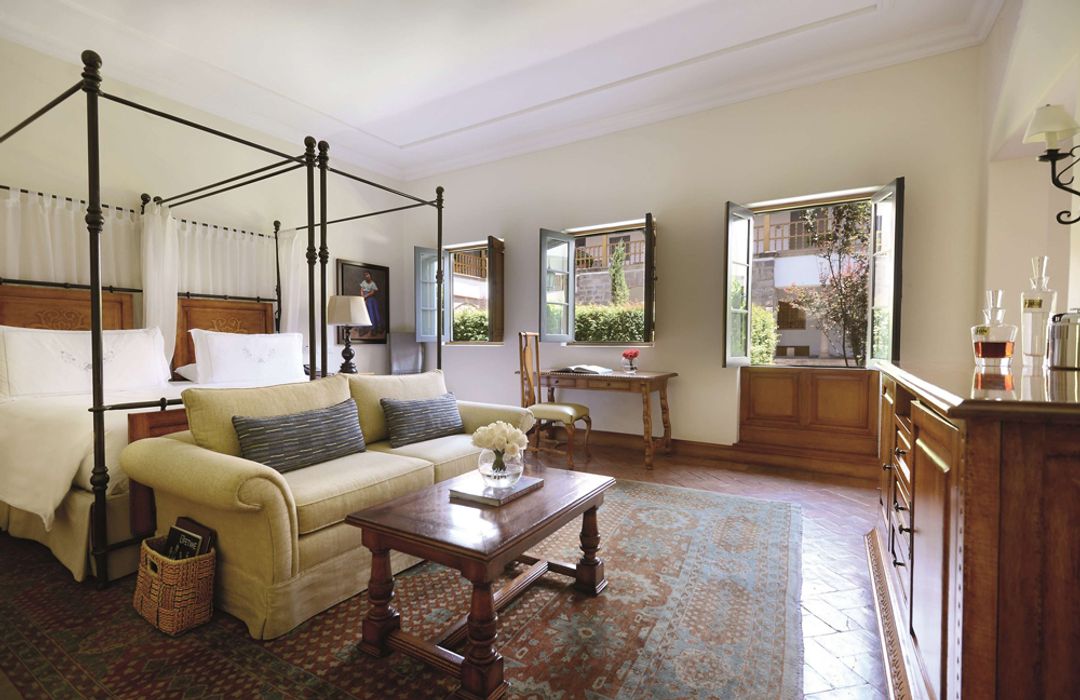
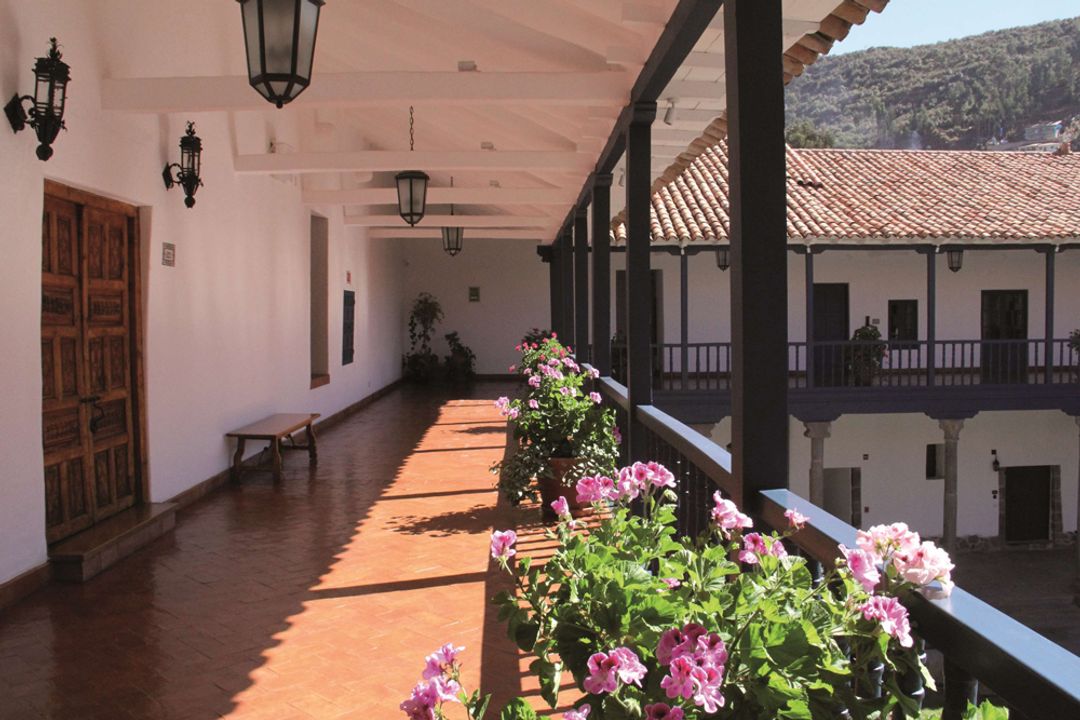
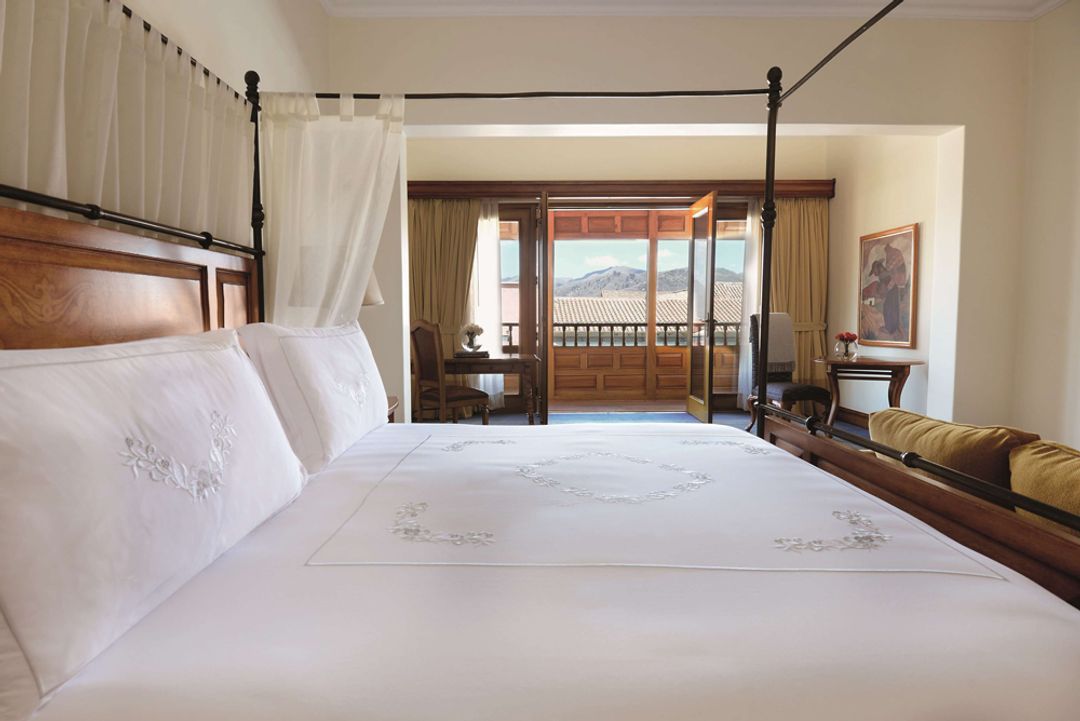
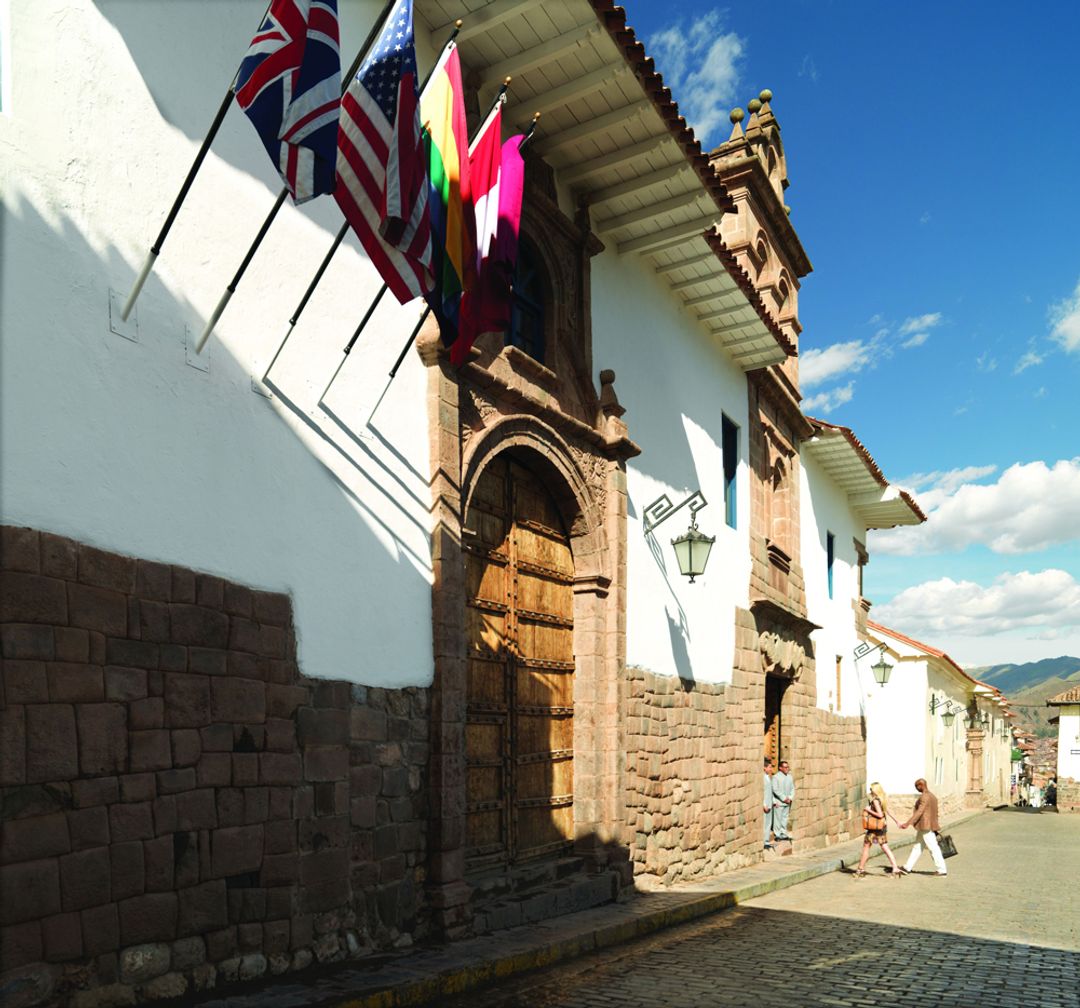
Cusco operates at an altitude where colonial Spanish architecture was laid directly over Inca stonework, and the tension between those two building traditions never quite resolved itself — which is precisely what makes the Centro Histórico one of the most architecturally layered urban cores in the Americas. The foundation walls you pass on Calle Palacio are not ornamental history; they are structural Inca masonry that the Spanish simply built on top of, and several of the city's finest surviving colonial buildings sit, quite literally, on this inherited bedrock. All three properties on this list occupy that same Centro Histórico, which is less a limitation than a reflection of where Cusco's genuine architectural inheritance lives. Monasterio, a Belmond Hotel, is the most architecturally legible of the group — a sixteenth-century seminary built around a courtyard of exceptional proportions, with a gilded baroque chapel that remains one of the most serious colonial interiors in the country. The building's conversion preserved the cloister logic intact, and staying there feels less like a hotel stay than a residency inside an art history seminar. Inkaterra La Casona, on the Plaza Las Nazarenas, occupies a colonial mansion whose bones date to the same era, though its interior treatment runs quieter and more domestic in register — exposed timber ceilings, handwoven textiles, a palette drawn from Andean earth tones rather than European ecclesiastical ornament. It reads as the more considered residential alternative. Palacio Nazarenas, also Belmond, shares the same plaza as La Casona and was developed out of a former convent. Its design approach is the most contemporary of the three — the conversion incorporated a heated outdoor pool, an anomaly at 3,400 meters that somehow coheres — and the interiors lean into a cleaner, less historicist aesthetic while still maintaining the colonial spatial logic of enfilade rooms opening onto a central courtyard. The proximity of Palacio Nazarenas and La Casona on the same square creates an interesting adjacency: two distinct interpretations of the same building typology, separated by a cobblestone forecourt, pitched at slightly different travelers. For anyone seriously interested in how Spanish colonial architecture absorbed and suppressed its Inca substrate, the Centro Histórico is the only address worth considering — and these three buildings are among its most thoughtfully inhabited examples.