Best hotels in Machu Picchu | A Curated Visual Guide to Top Stays
Welcome to PressBeyond, the ultimate curated visual guide for design-driven hotels! My name is Will Miller and these are my recommendations for the best boutique and luxury hotels in Machu Picchu.
I am the founder of PressBeyond and I am an ultra-meticulous hotel curator who loves clean visuals. I have individually analyzed and tiered each hotel included in this guide based on a variety of criteria (architecture & design, location, brand & brand affiliation, existing reviews, and my own personal experiences), and importantly, I have hand-selected the leading imagery for each hotel to provide you with easily-digestible, yet detailed and complete, like-for-like, high-level visual profiles. I felt this summarization step was a critical missing piece across existing guides, blogs, and booking platforms. My aim is to make it easier for people to identify hotel environments that resonate with them, along with enabling them to visualize the types of social experiences that those environments help foster. My brain doesn't work when exposed to cluttered content, so my goal was to create the opposite.
Underneath this, we are also a full booking engine offering 5% Venmo cash back along with other exclusive perks. For all of you design-obsessed hotel enthusiasts out there, I hope this guide helps get you to where you see yourself!
An Overview of the Boutique & Luxury Hotel Landscape in Machu Picchu
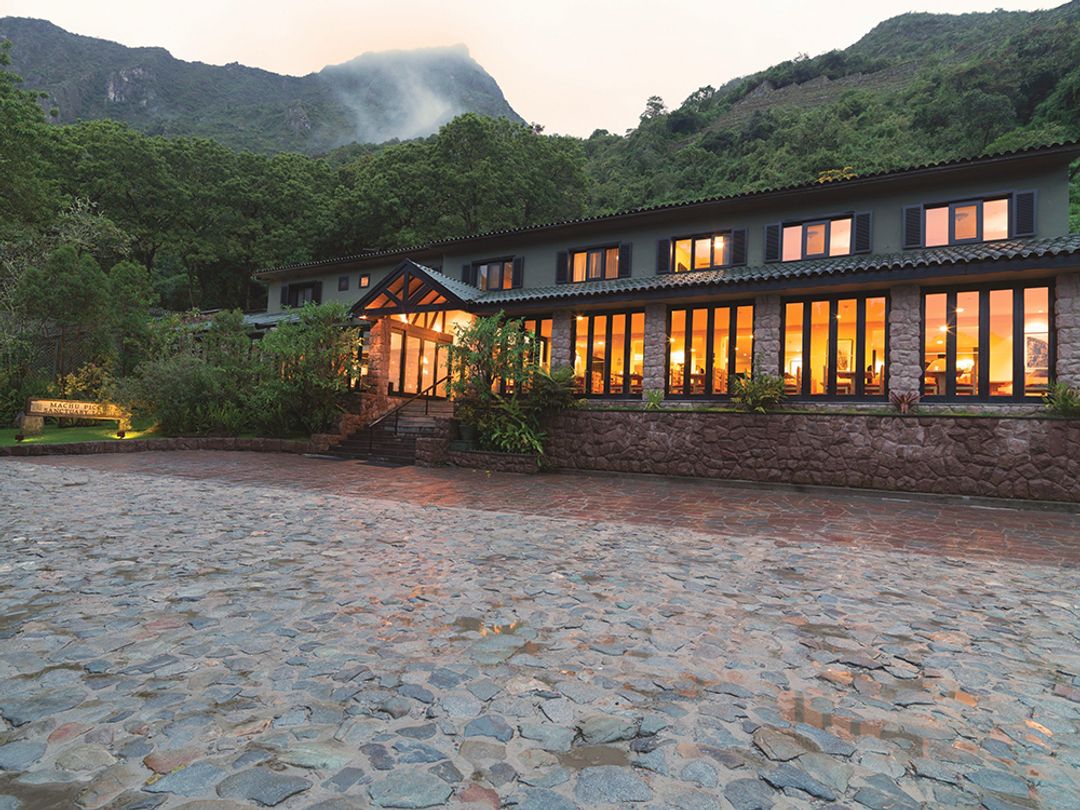
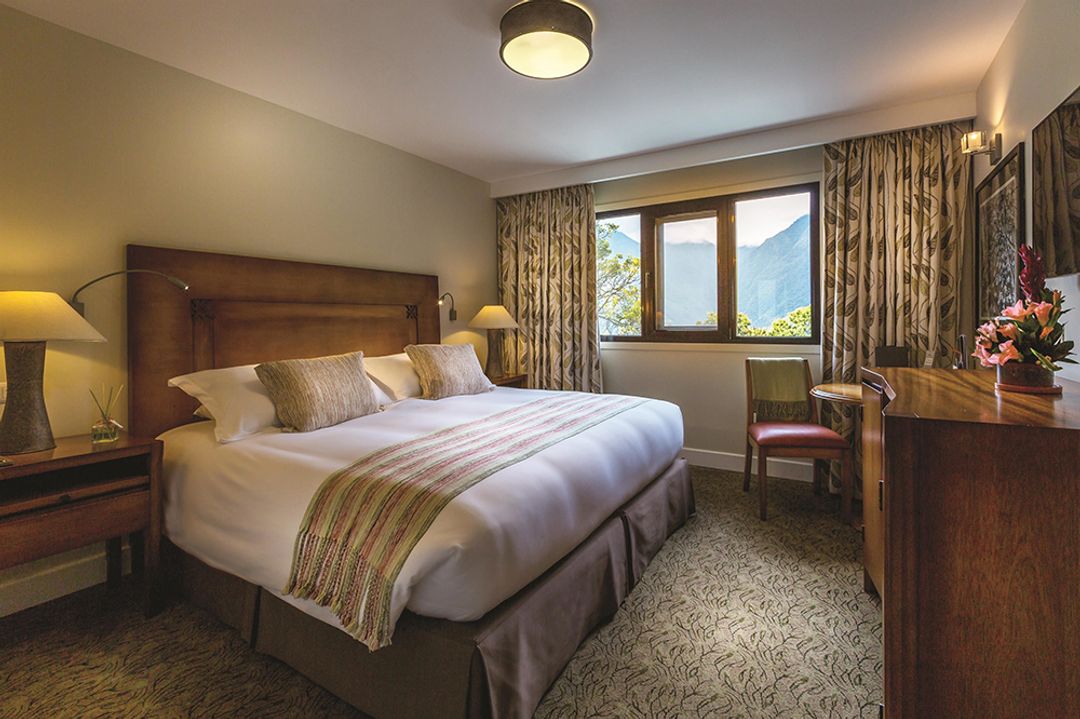
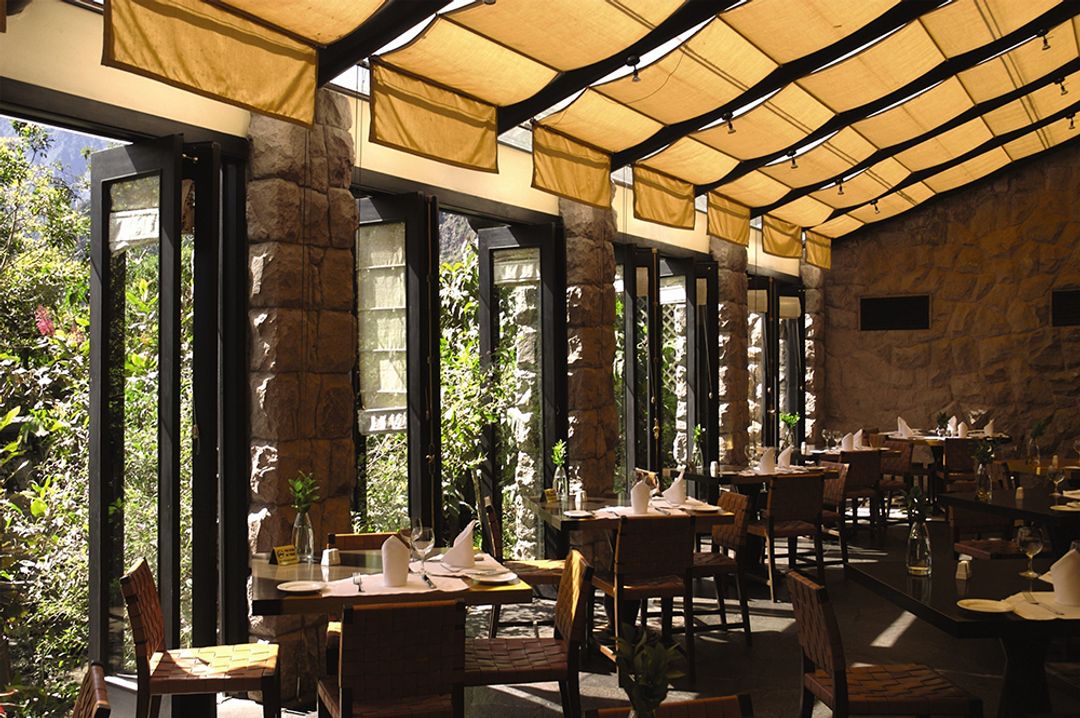
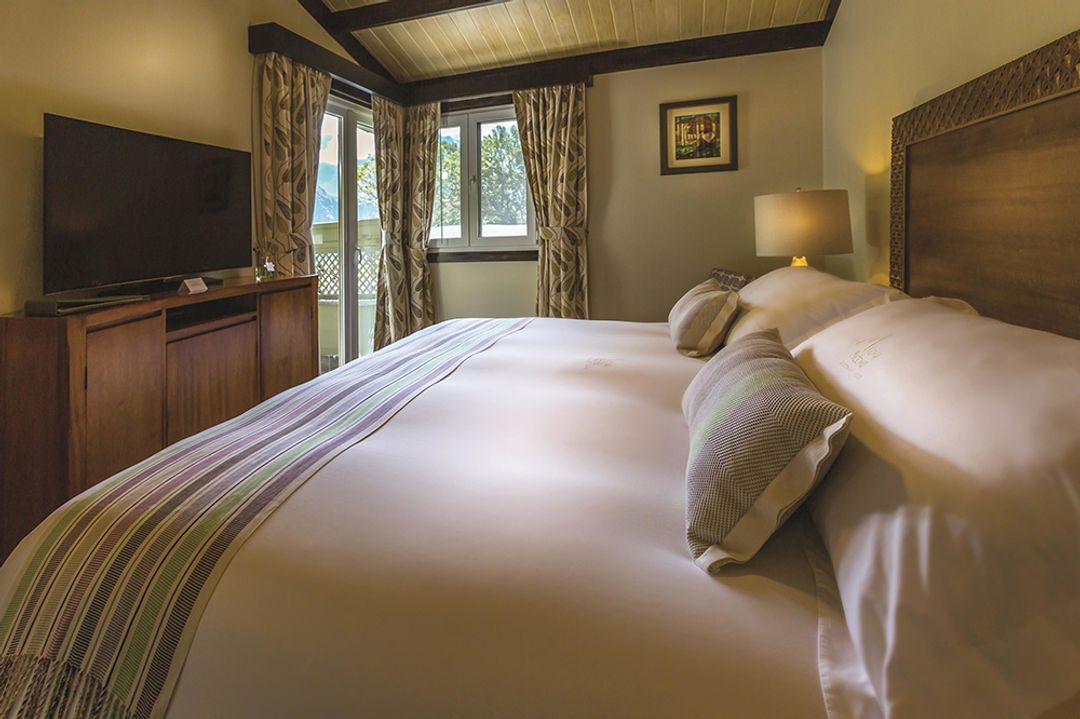
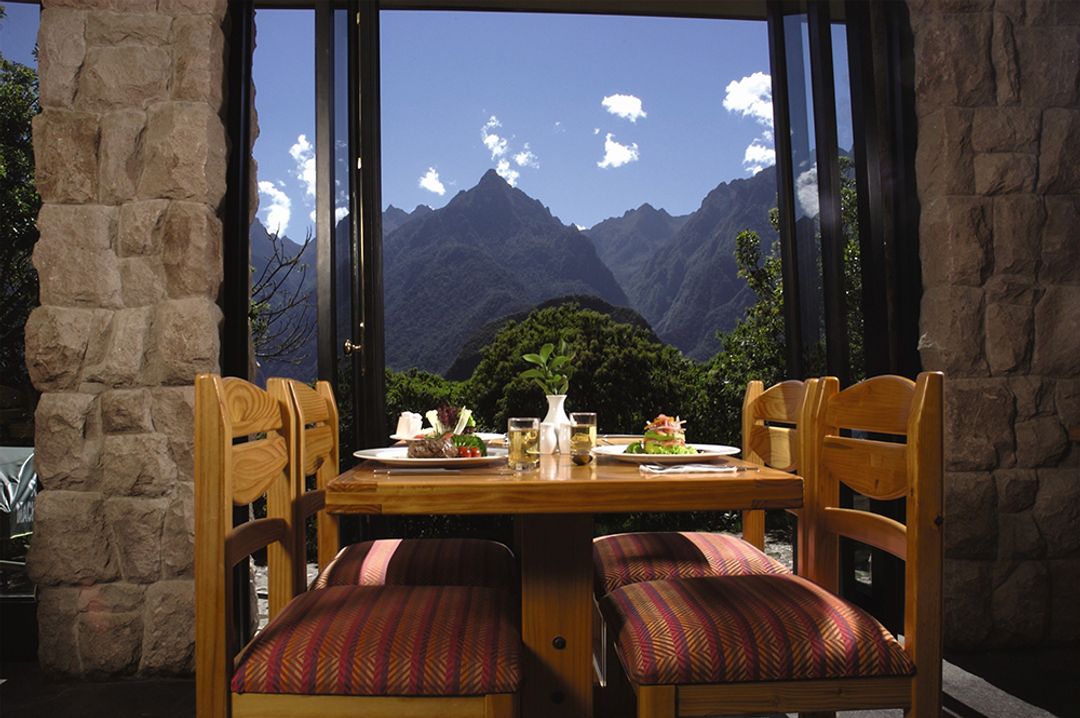
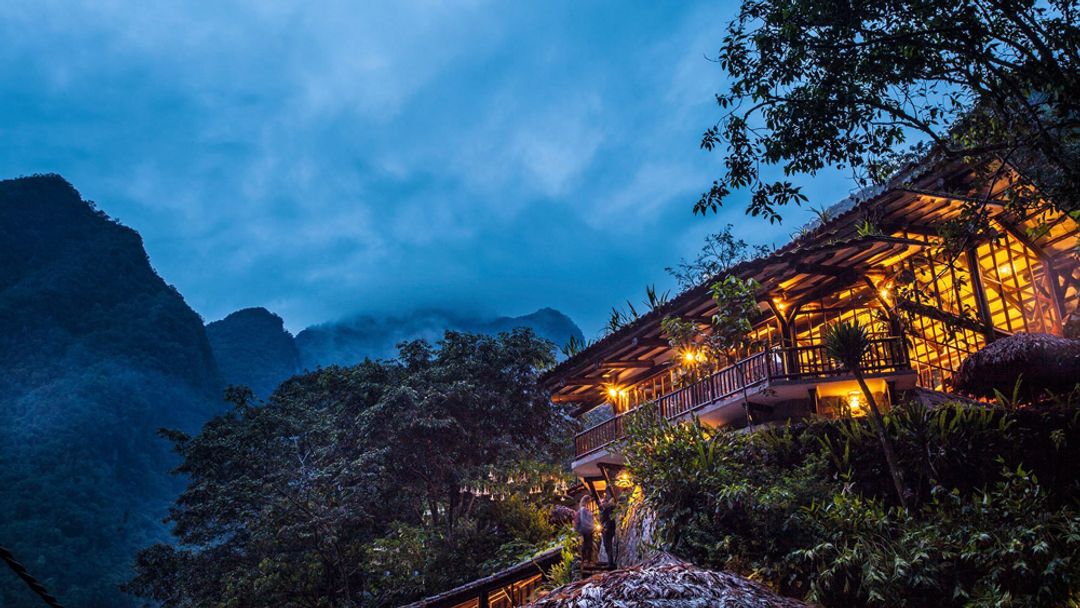
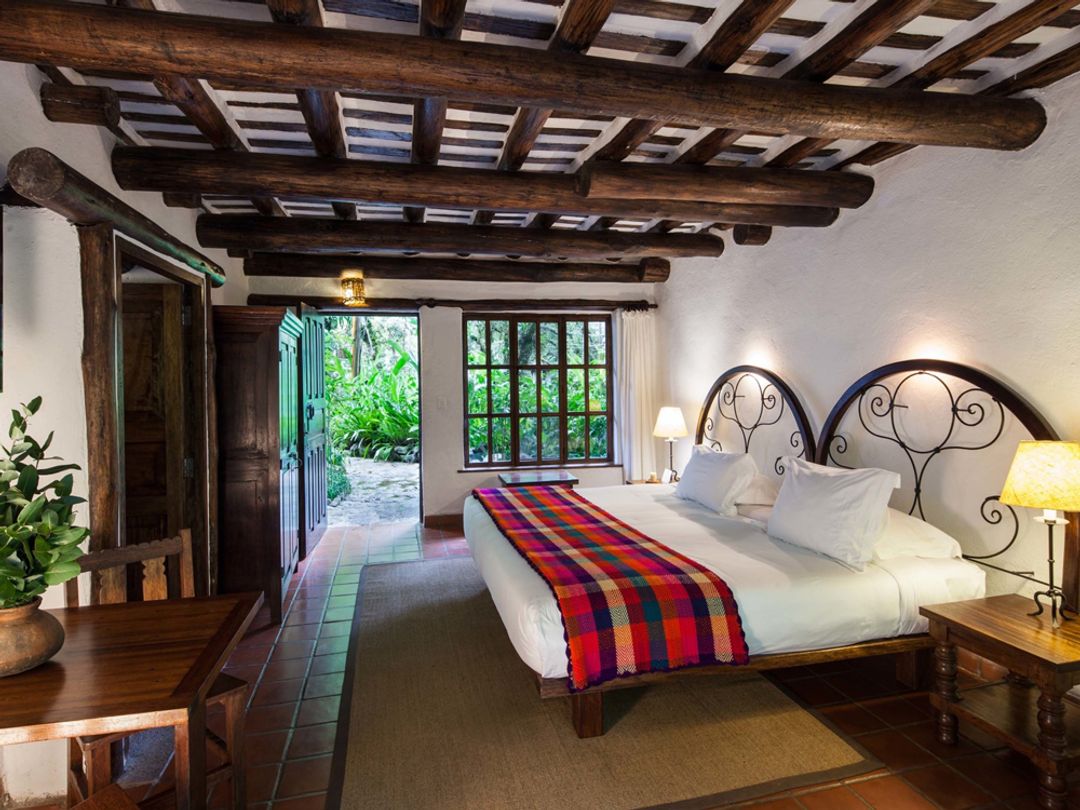
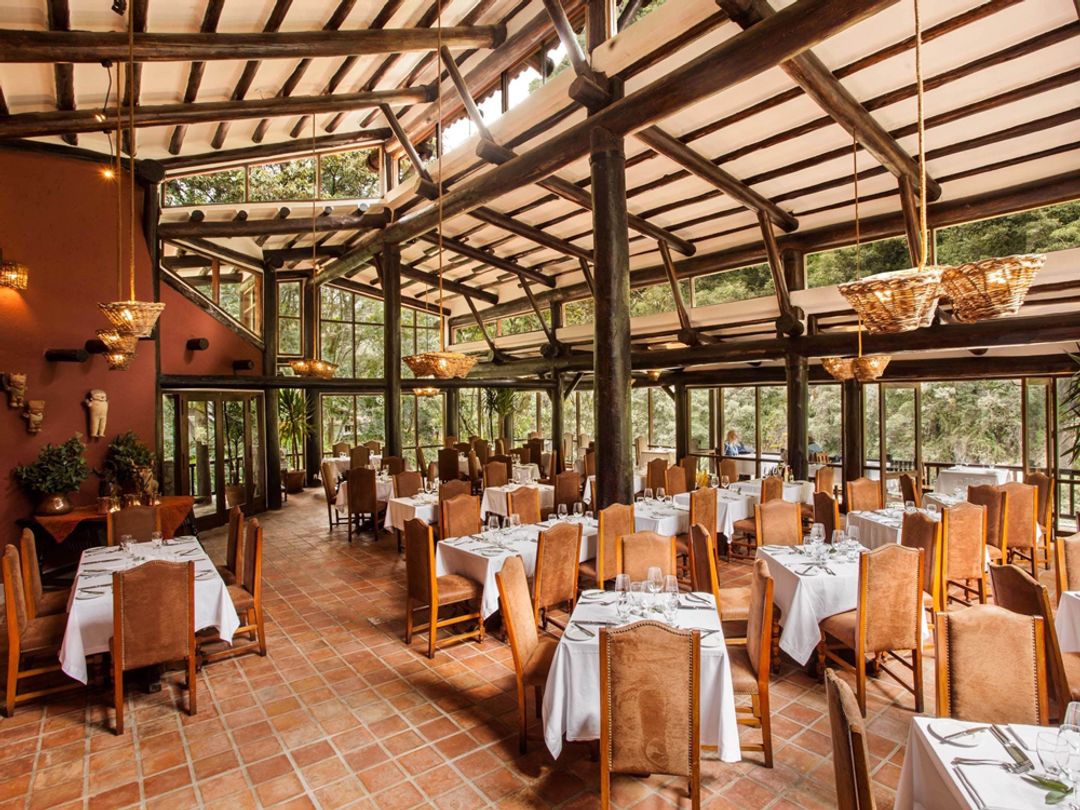
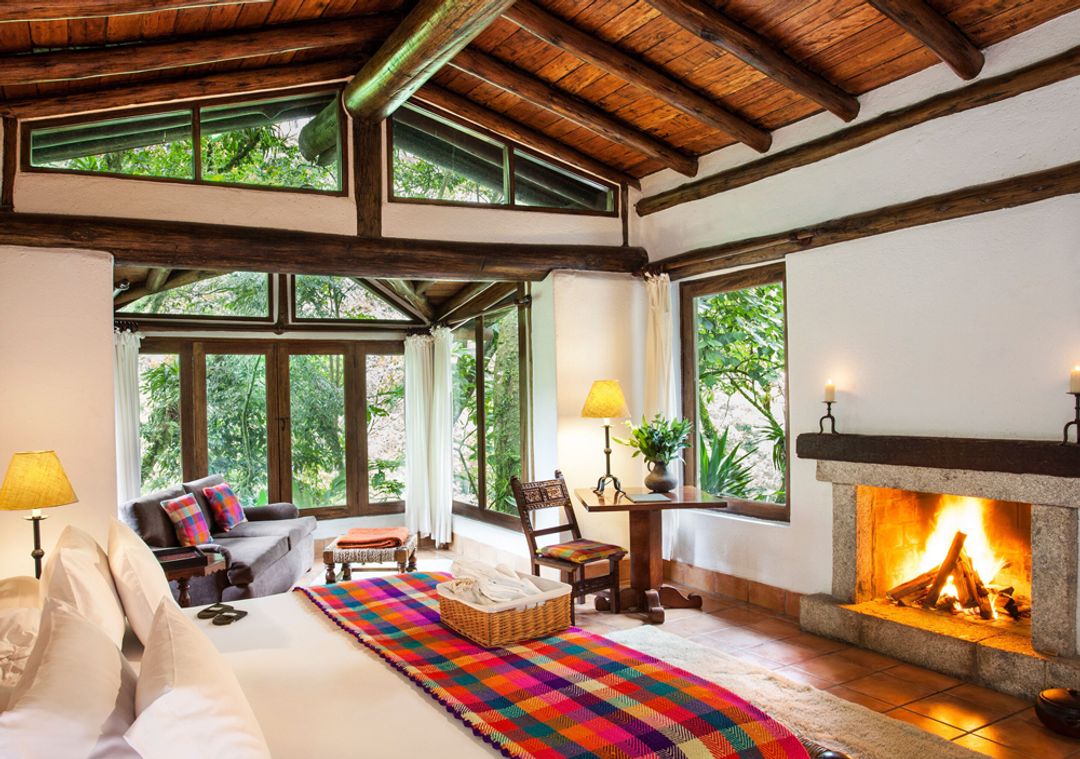
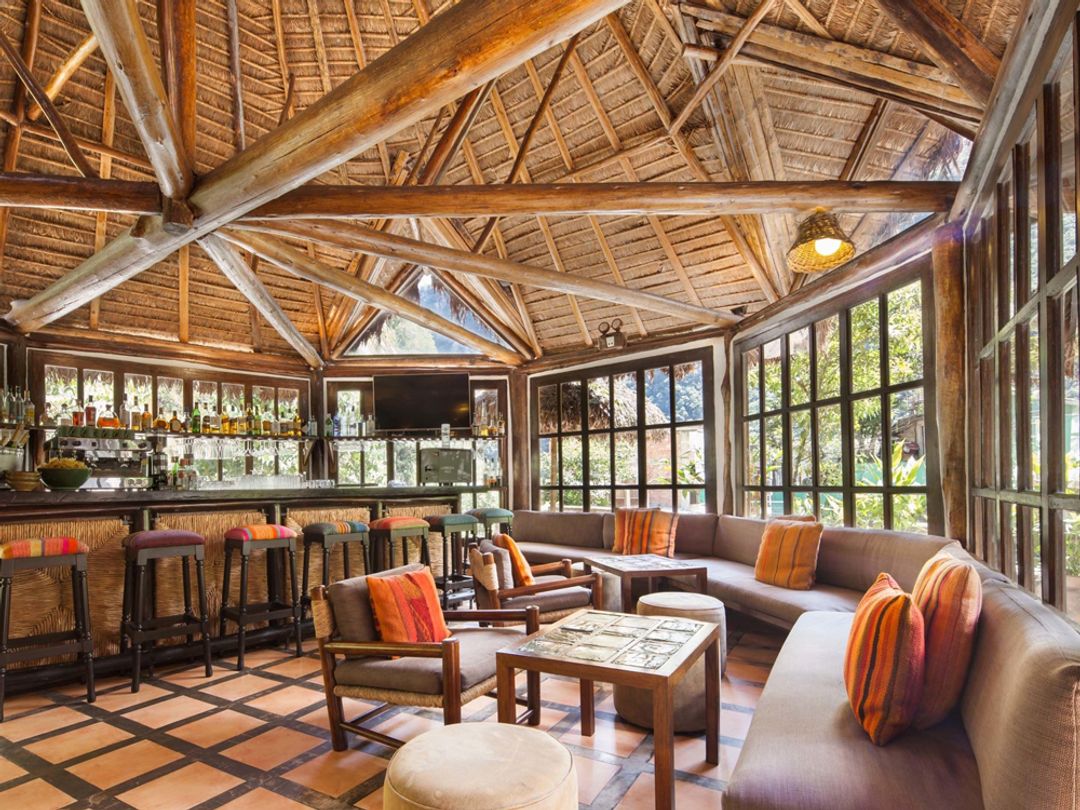
The question of where to sleep near Machu Picchu is, at its core, a question of how close you want to get to the site — and what you're willing to trade for that proximity. The two properties on this platform represent genuinely different answers, separated by both altitude and philosophy. Sanctuary Lodge, a Belmond hotel, occupies the only position that can credibly claim to be at the citadel itself, sitting just outside the main entrance at roughly 2,400 meters above sea level. This is perhaps the most consequential real estate advantage in South American hospitality: guests can walk to the site before the first tour buses arrive and stay until the crowds thin at dusk. The architecture defers entirely to its surroundings — low-slung colonial-revival structures in whitewashed stone that make no effort to compete with the Inca stonework looming behind them, nor should they. The interiors lean on Andean textile traditions, warm earthen tones, and hand-crafted details without overreaching into the kind of ethnographic pastiche that plagues resort hotels in heritage zones. At $1,780 a night, you are paying almost entirely for geography. Inkaterra Machu Picchu Pueblo Hotel takes the opposite approach and is more architecturally interesting for it. Set in Aguas Calientes, the unremarkable transit town in the valley below, the property unfolds across a slope of cloud forest as a loose collection of white casitas connected by stone pathways threaded through serious botanical gardens. Inkaterra has been developing the property since the 1970s and has accumulated over two hundred orchid species on the grounds — the hotel functions as a genuine conservation site as much as an accommodation. The design vocabulary is vernacular Andean rather than Inca-referential, which gives it a quieter, more lived-in quality than you might expect from a jungle lodge at this price. The $394 rate feels honestly calibrated to what the property delivers: ecological immersion, considered materiality, and real removal from the crowds — at the cost of the 25-minute train ride back up to the ruins each morning. Together, these two properties define the choice any serious traveler has to make here: altitude and immediacy with Sanctuary Lodge, or depth and texture with Inkaterra. Neither answer is wrong, but they produce entirely different experiences of the same ancient place.