Best hotels in Wroclaw, Poland | Visually Compare Top Stays Side-by-Side
Welcome to PressBeyond - a curated visual guide to design-driven hotels and the fastest way to compare them.
An Overview of the Boutique & Luxury Hotel Landscape in Wroclaw, Poland
Wrocław earns its reputation through water and stone. The city sits across a dozen islands threaded by branches of the Oder River, and its architecture carries the layered weight of Silesian, Prussian, Habsburg, and postwar Polish history in roughly equal measure. The cathedral island of Ostrów Tumski is the oldest part of the city, a dense cluster of Gothic towers, Baroque chapels, and cobbled lanes that predates the modern city's grid by several centuries. It is also, unusually for a medieval ecclesiastical quarter in central Europe, still lit by gas lamps after dark, which gives the whole island a particular atmospheric density that the rest of Wrocław, for all its pleasures, cannot quite replicate.
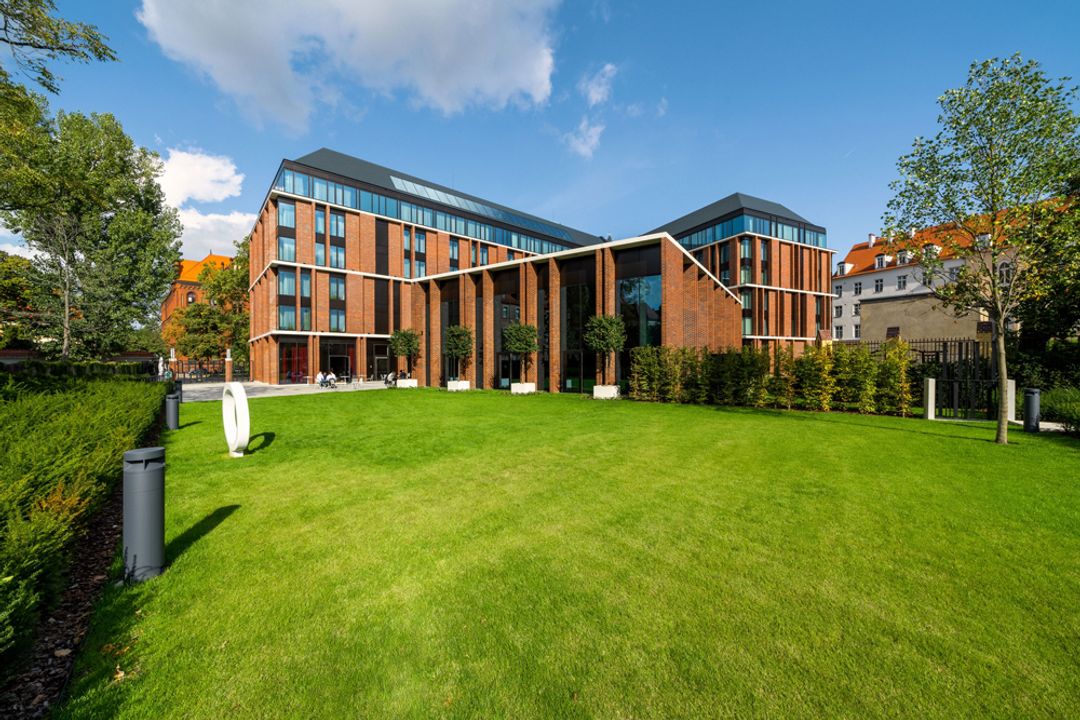
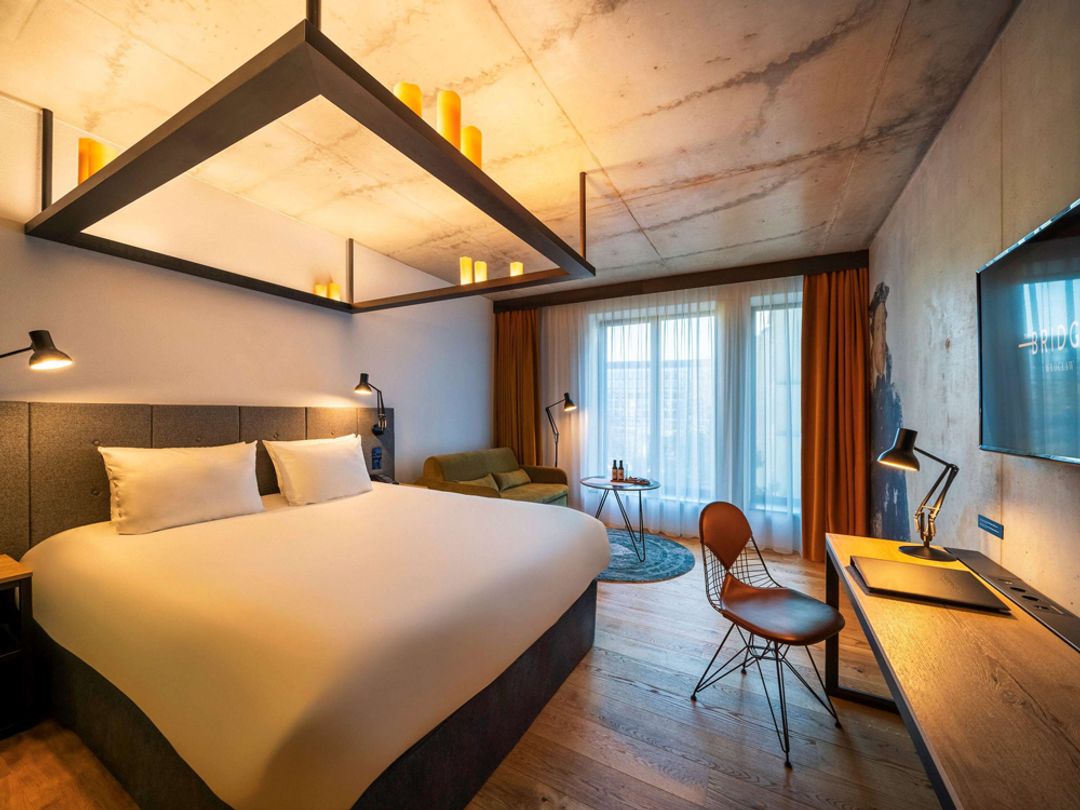
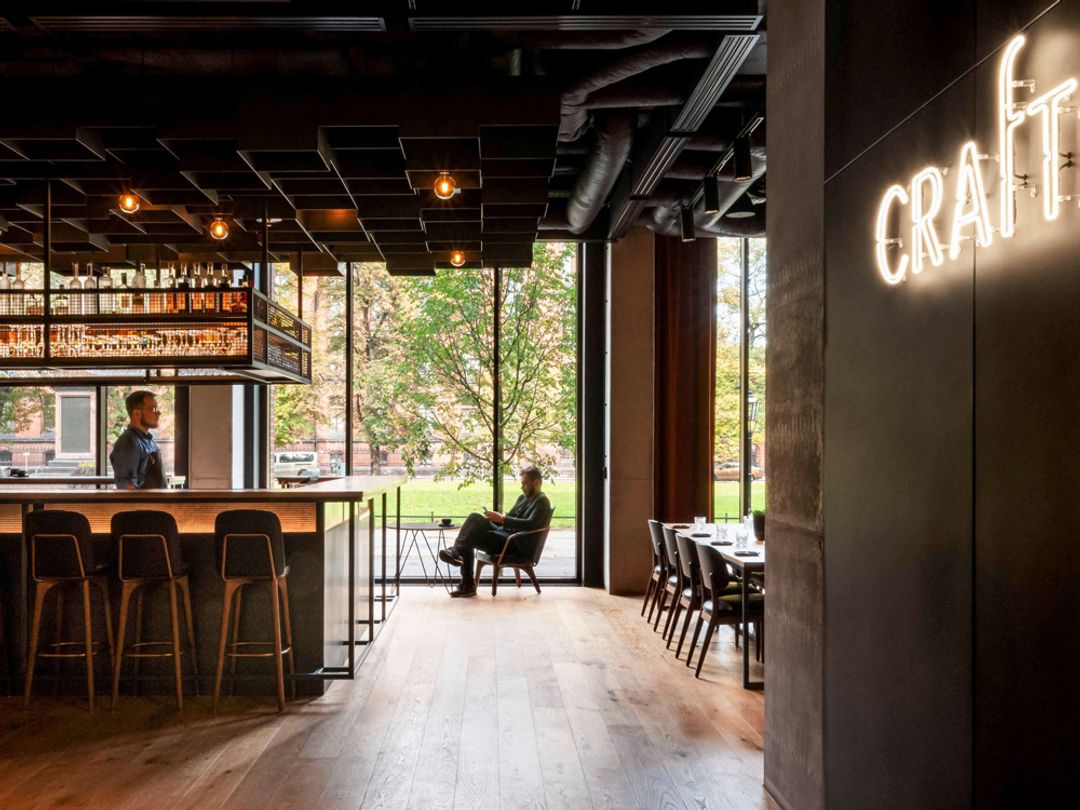
The Bridge Wrocław, part of MGallery's collection of historically grounded properties, occupies a converted tenement building on Ostrów Tumski and makes a clear case for staying on the island rather than in the more commercial Old Town a short walk across the water. The hotel's position is its defining quality: rooms face the cathedral of St. John the Baptist or look out over the river channels, and the immediate neighborhood operates at a pace and a quiet that the market square cannot offer. The interiors work with the building's existing fabric rather than against it, favoring materials that sit honestly alongside exposed brickwork and the visible marks of the structure's earlier life. At $272 a night it sits in the upper tier for Wrocław, where accommodation choices tend to run modest, and it earns that premium through location rather than scale.
For a traveler whose instinct is to read a city through its buildings and its oldest districts first, Ostrów Tumski is the right place to begin, and The Bridge places you inside that reading rather than outside it. Wrocław rewards the kind of attention that comes from staying somewhere specific: the morning walk across the Cathedral Bridge, the Romanesque Church of St. Giles just steps away, the view from the cathedral tower over a city that has been rebuilt, renamed, and reimagined several times over without losing the skeletal structure that makes it worth understanding. The hotel is modest enough in its claims not to distract from any of that.