Best hotels in Kruger National Park | A Curated Visual Guide to Top Stays
Welcome to PressBeyond, the ultimate curated visual guide for design-driven hotels! My name is Will Miller and this is my recommendation for the best boutique and luxury hotel in Kruger National Park.
I am the founder of PressBeyond and I am an ultra-meticulous hotel curator who loves clean visuals. I have individually analyzed and tiered the hotel included in this guide based on a variety of criteria (architecture & design, location, brand & brand affiliation, existing reviews, and my own personal experiences), and importantly, I have hand-selected the leading imagery for this hotel to provide you with easily-digestible, yet detailed and complete, like-for-like, high-level visual profiles. I felt this summarization step was a critical missing piece across existing guides, blogs, and booking platforms. My aim is to make it easier for people to identify hotel environments that resonate with them, along with enabling them to visualize the types of social experiences that those environments help foster. My brain doesn't work when exposed to cluttered content, so my goal was to create the opposite.
Underneath this, we are also a full booking engine offering 5% Venmo cash back along with other exclusive perks. For all of you design-obsessed hotel enthusiasts out there, I hope this guide helps get you to where you see yourself!
An Overview of the Boutique & Luxury Hotel Landscape in Kruger National Park
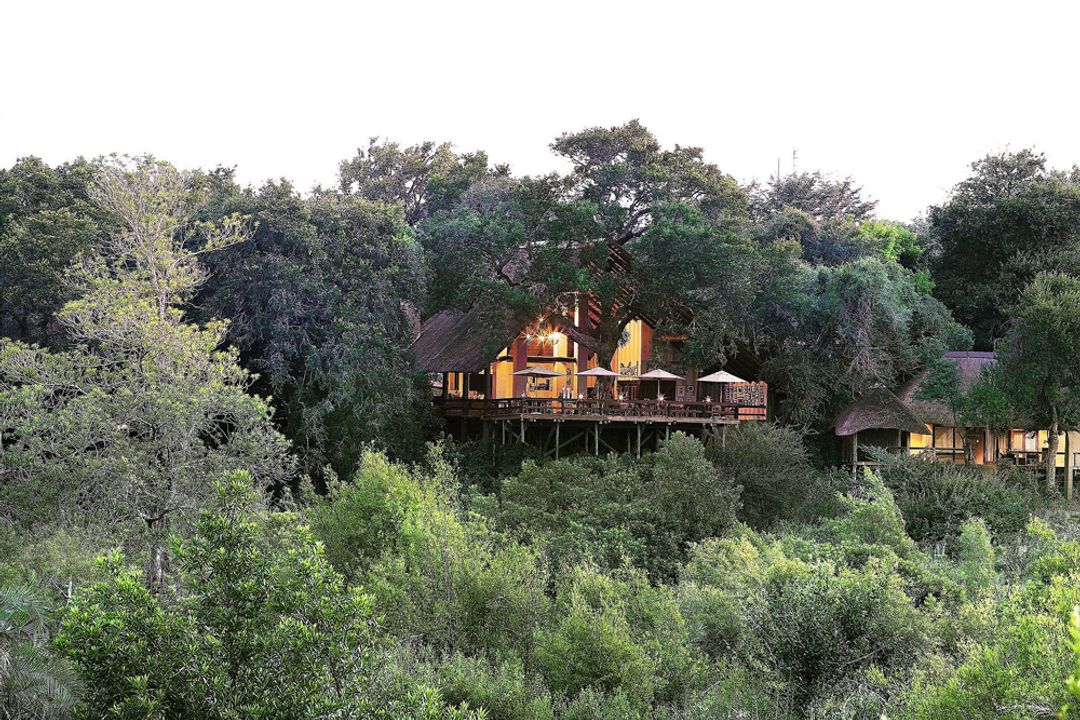
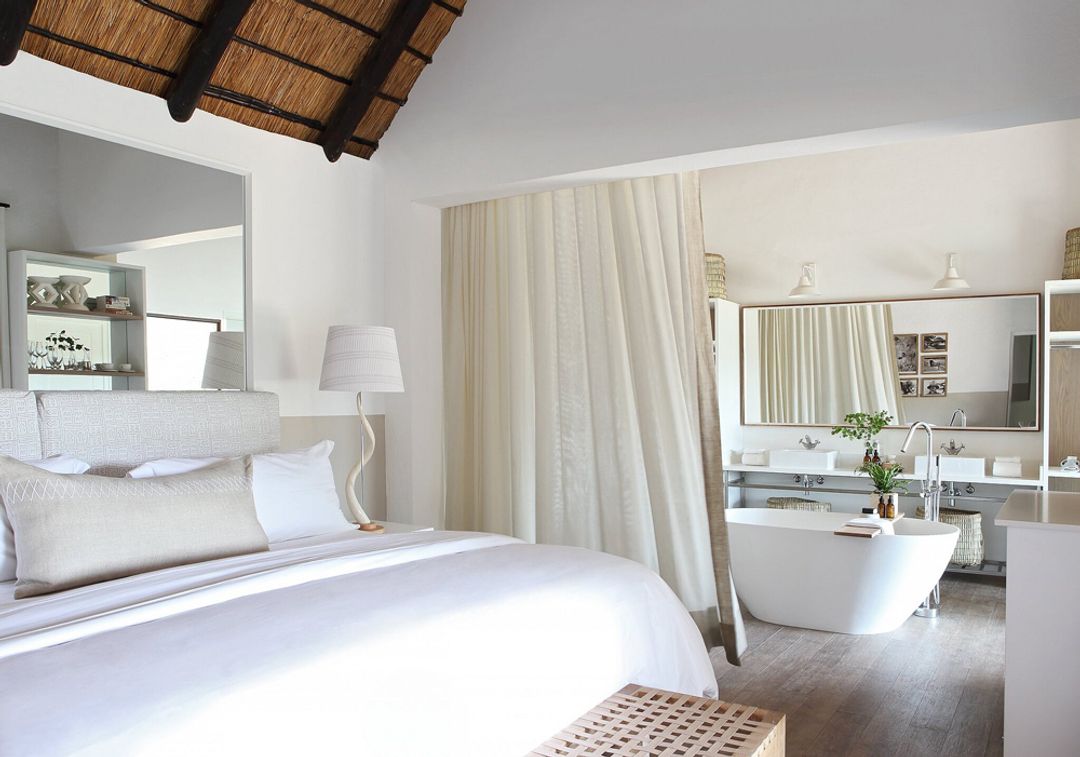
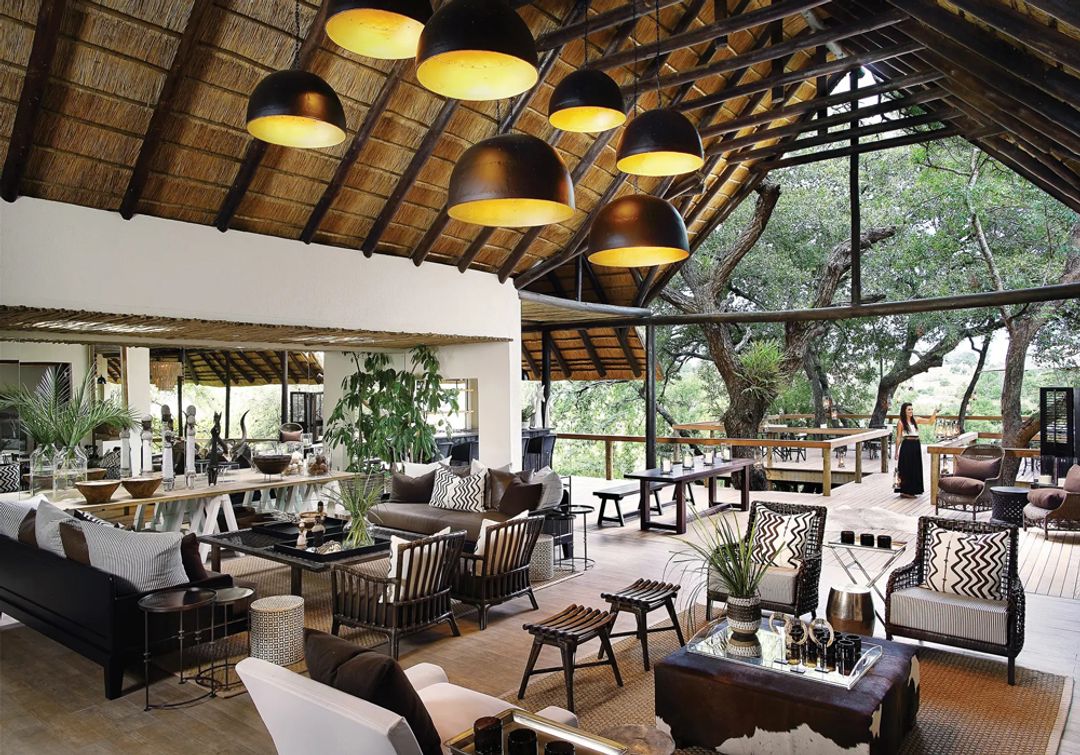
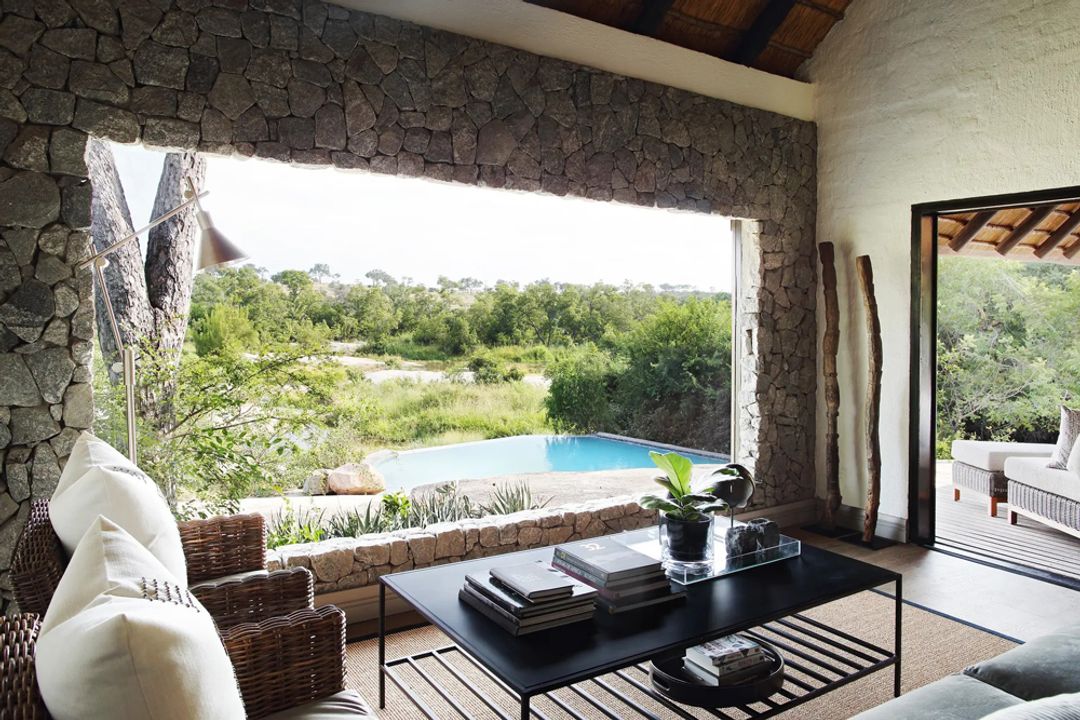
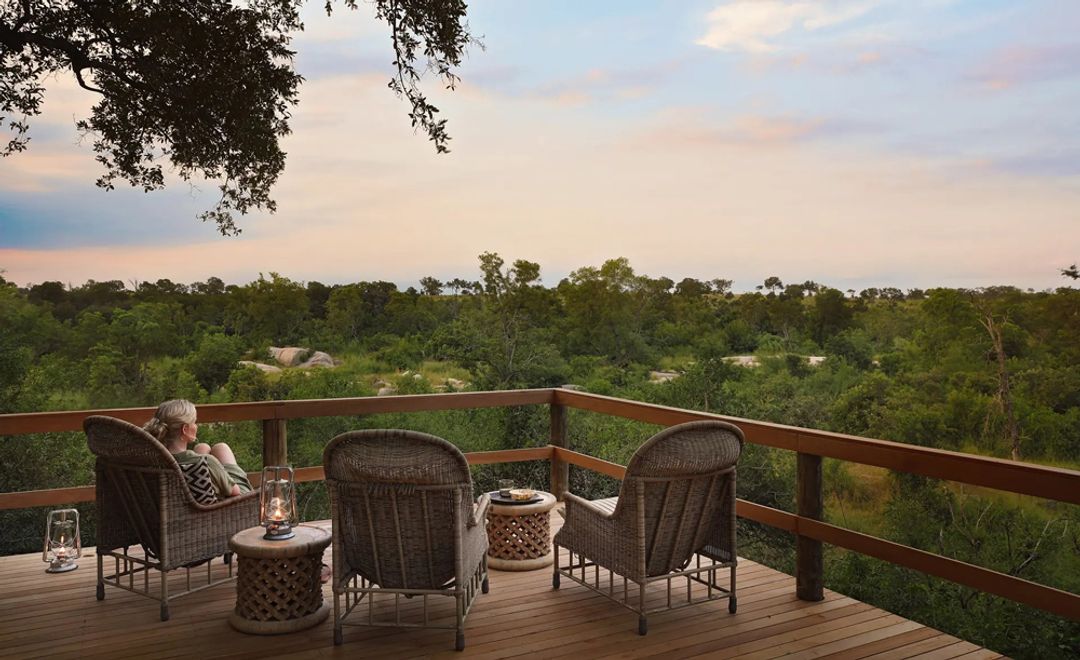
The bush around Sabi Sand does something to your sense of scale. The land is flat in the way that demands attention — not dramatic in the conventional sense, but insistent, spreading outward until the acacia treeline becomes the only architecture that matters. This is the western border of the Greater Kruger ecosystem, where private concessions adjoin the national park and the question of how to build in a place that actively resists human permanence becomes the defining design challenge. The answer, at its best, is not to fight the landscape but to negotiate with it — open sides, thatch, canvas, timber, the kind of materiality that weathers honestly and makes no pretense of outlasting the seasons. Londolozi, which has operated in the Sabi Sand since the 1970s and traces its conservation philosophy back through three generations of the Varty family, understands this negotiation better than almost anywhere else on the continent. Its camps — there are several, each pitched at a different scale of intimacy — read less as hotels than as a series of considered positions in the landscape. Stone and thatch predominate. Plunge pools face the Sand River. The design logic is cumulative and quietly confident: nothing announces itself, but nothing feels provisional either. The interiors draw on a long tradition of East and Southern African safari style — warm textiles, natural fiber, game photography with genuine archival weight — without tipping into the colonial nostalgia that still haunts some of the region's older properties. There is a specific kind of editorial restraint at work here, the result of decades of refinement rather than a single designer's intervention. What makes Londolozi worth understanding as a design destination rather than simply a wildlife one is that the built environment is genuinely subordinate to the experience of place. Decks are positioned for sightlines, not symmetry. The campfire circle is the organizing social space, not the reception. Meals happen outdoors when the light is right. These are decisions that sound obvious in retrospect but are rarely executed with this degree of conviction, particularly at a price point — north of two and a half thousand dollars a night — where the temptation toward heavy-handed luxury can be overwhelming. Sabi Sand earns its reputation through the quality of its game sightings; Londolozi earns its reputation by building something that doesn't compete with them.