Best hotels in Duero Valley, Spain | Visually Compare Top Stays Side-by-Side
Welcome to PressBeyond - a curated visual guide to design-driven hotels and the fastest way to compare them.
An Overview of the Boutique & Luxury Hotel Landscape in Duero Valley, Spain
The Duero River cuts through the high meseta of Castile with a kind of unhurried authority, carving a valley whose vineyards, monasteries, and fortified villages have accumulated over centuries without much concern for what the rest of Spain was doing. This is Ribera del Duero country, the wine appellation that stole attention from Rioja in the 1990s and never fully gave it back. The architecture here tends toward the massive and the medieval: sandstone walls baked to the color of dry wheat, Romanesque church towers, estate buildings that were built to endure rather than to impress. Contemporary design has entered the valley cautiously, mostly through wine tourism, and mostly through the conversion of historic structures rather than the construction of new ones.
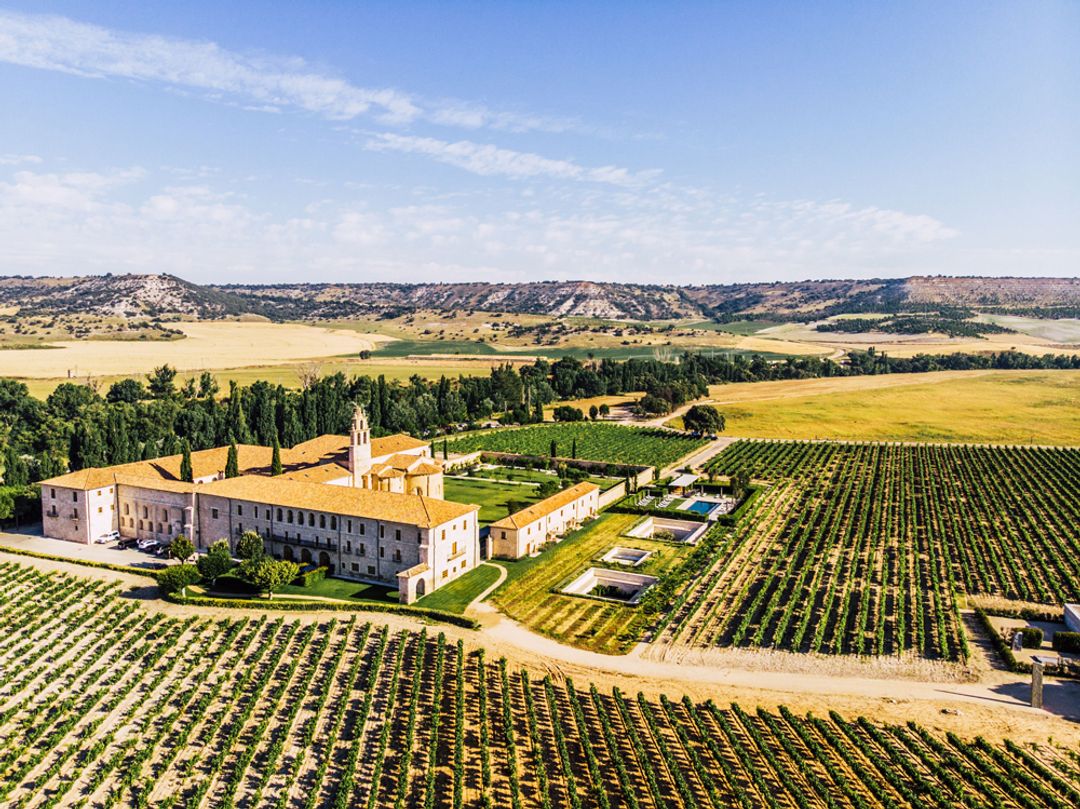
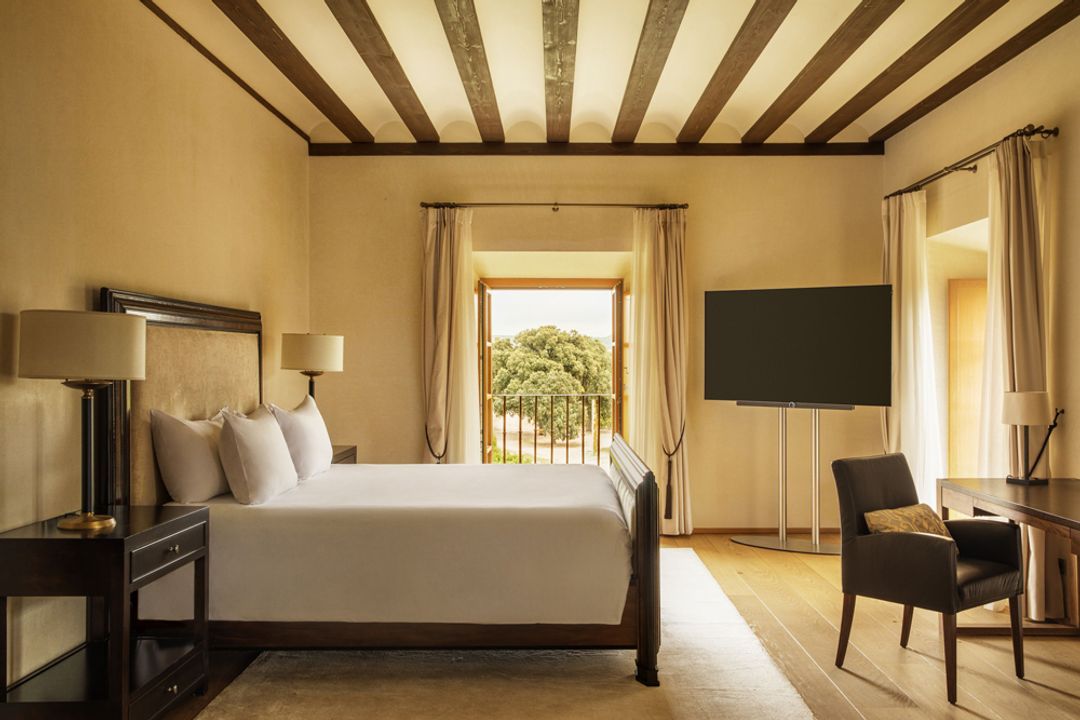
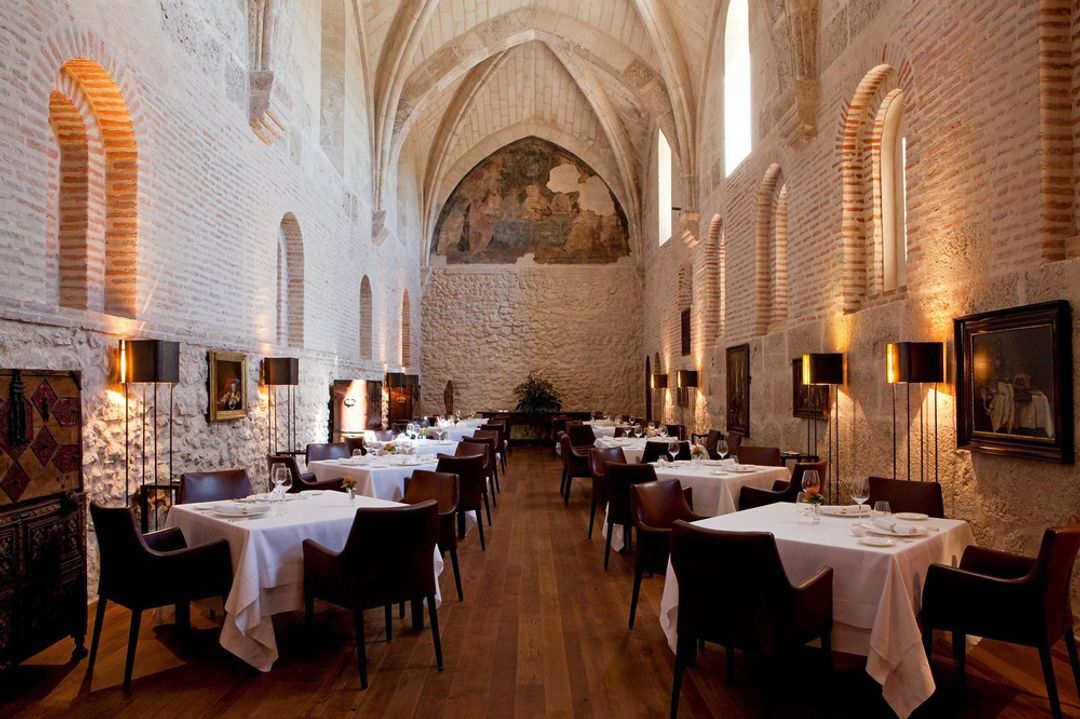
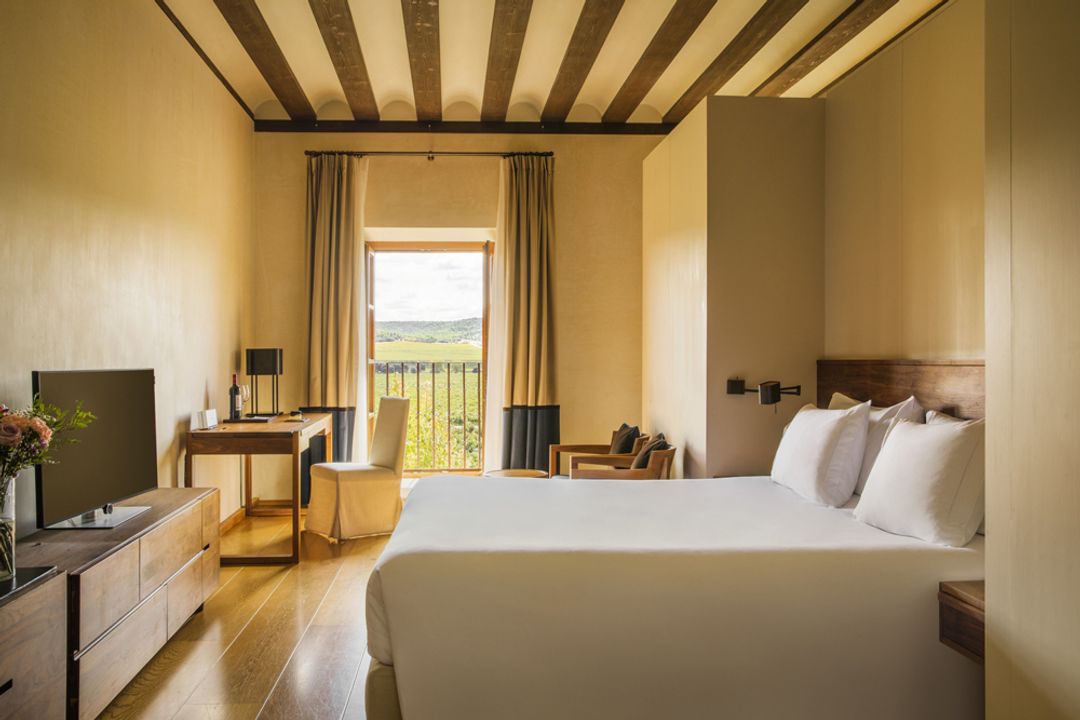
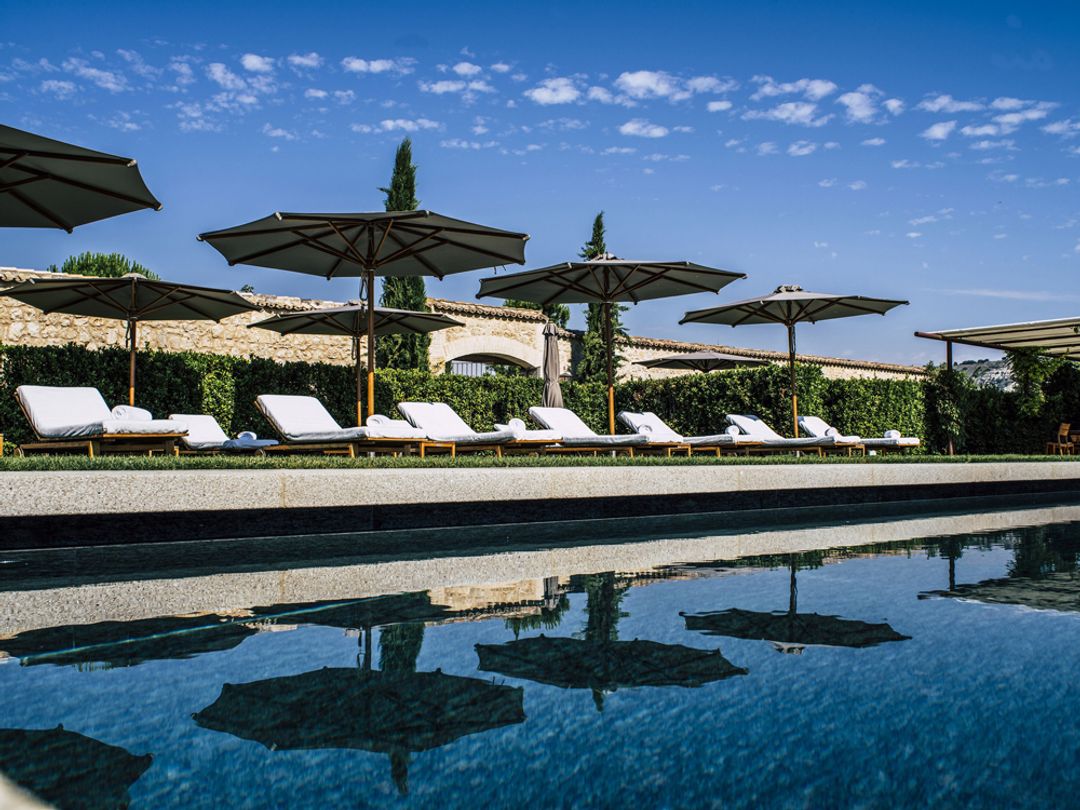
Abadia Retuerta Le Domaine, set within a twelfth-century Augustinian abbey near Sardón de Duarte in the province of Valladolid, is the clearest case study in what that approach can achieve. The conversion preserved the cloister, the chapter house, and the abbey church while inserting a contemporary hotel behind walls that predate the reconquest of the valley by several hundred years. The kitchen garden, the estate vineyards, the wine cellars running beneath the property: all of it operates as a working winery as much as a hotel, and the guest experience is shaped by that agriculture in ways that feel genuinely earned rather than decorative. The rooms are done in a restrained palette that defers to the stonework rather than competing with it, and the spa, housed in the former stables, carries the same sensibility: materials that acknowledge the age of the building without fetishizing it.
For a traveler whose interest in a place runs through its materials and its land rather than its urban amenities, Abadia Retuerta rewards patience with the drive out of Madrid and the deliberate pace of the valley itself. There are no serious competing properties at this level within the appellation. The wine list is, predictably, exceptional, anchored by the estate's own Pago Negralada and Pago Valdebellón bottlings. But the more lasting impression is the building: the way a Romanesque arcade can hold afternoon light, the silence of a medieval cloister in February, the specific weight of a place that has been many things over a thousand years and is, currently, somewhere to sleep exceptionally well.