Best hotels in Formentera, Spain | Visually Compare Top Stays Side-by-Side
Welcome to PressBeyond - a curated visual guide to design-driven hotels and the fastest way to compare them.
An Overview of the Boutique & Luxury Hotel Landscape in Formentera, Spain
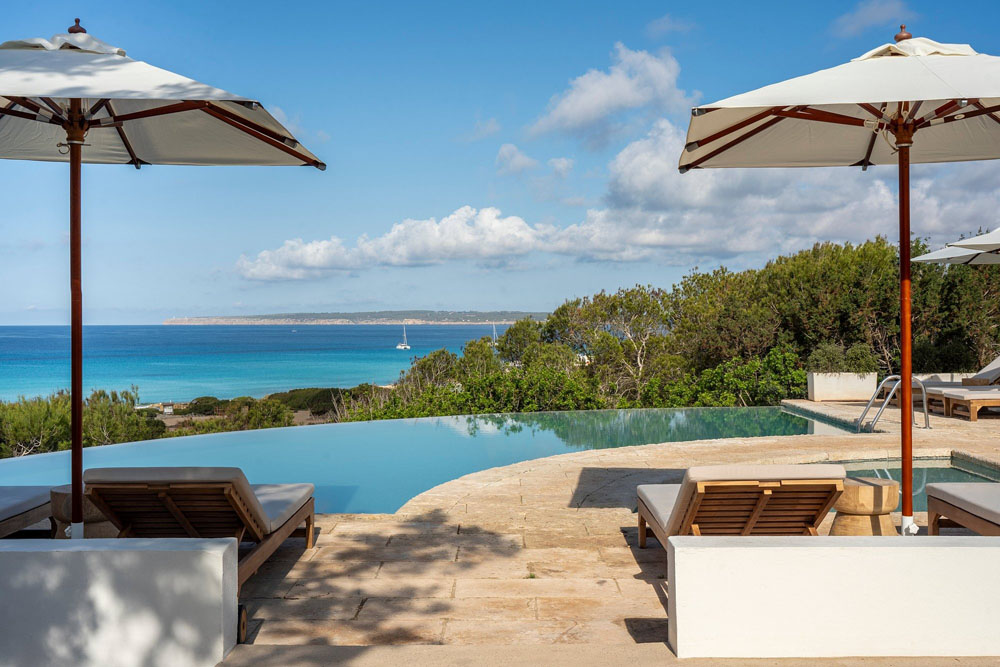
Formentera does not perform for you. The smallest of Spain's inhabited Balearic islands arrives on its own terms: flat pine scrubland, salt flats that turn pink at dusk, and a coastline where the water moves through shades of turquoise that feel chemically improbable. Architecture here has never been about statement. The vernacular is whitewashed farmhouse, low to the ground, with walls thick enough to keep the heat at bay and shutters the color of oxidized copper. The two properties on this platform reflect that restraint, while occupying opposite ends of the island's coastal geography.
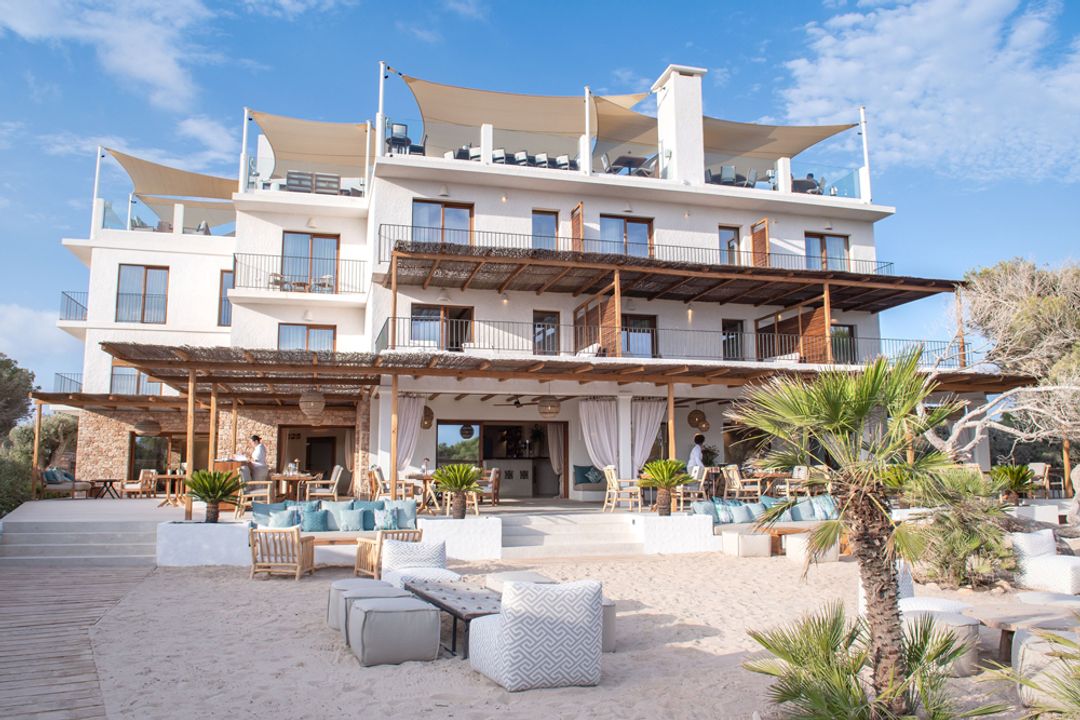
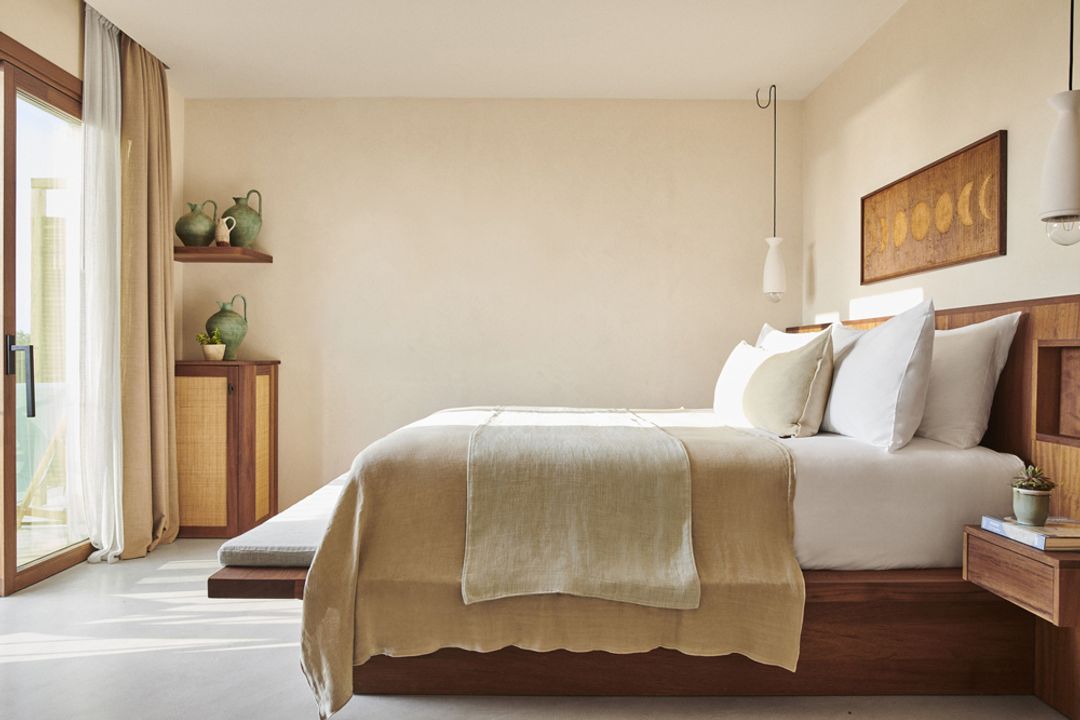
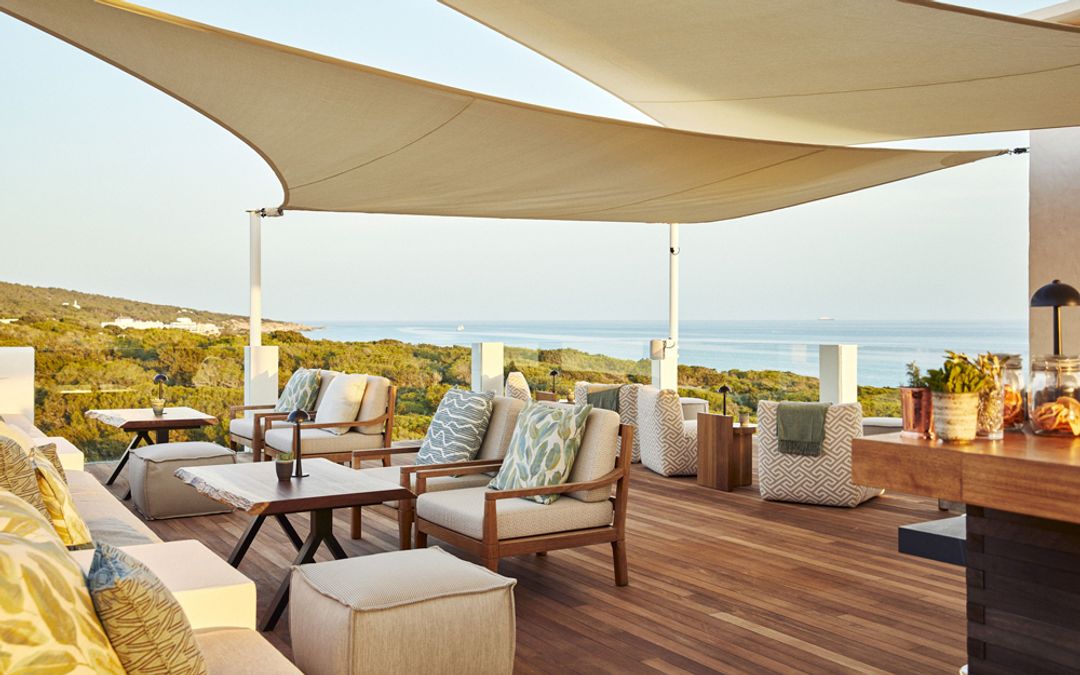
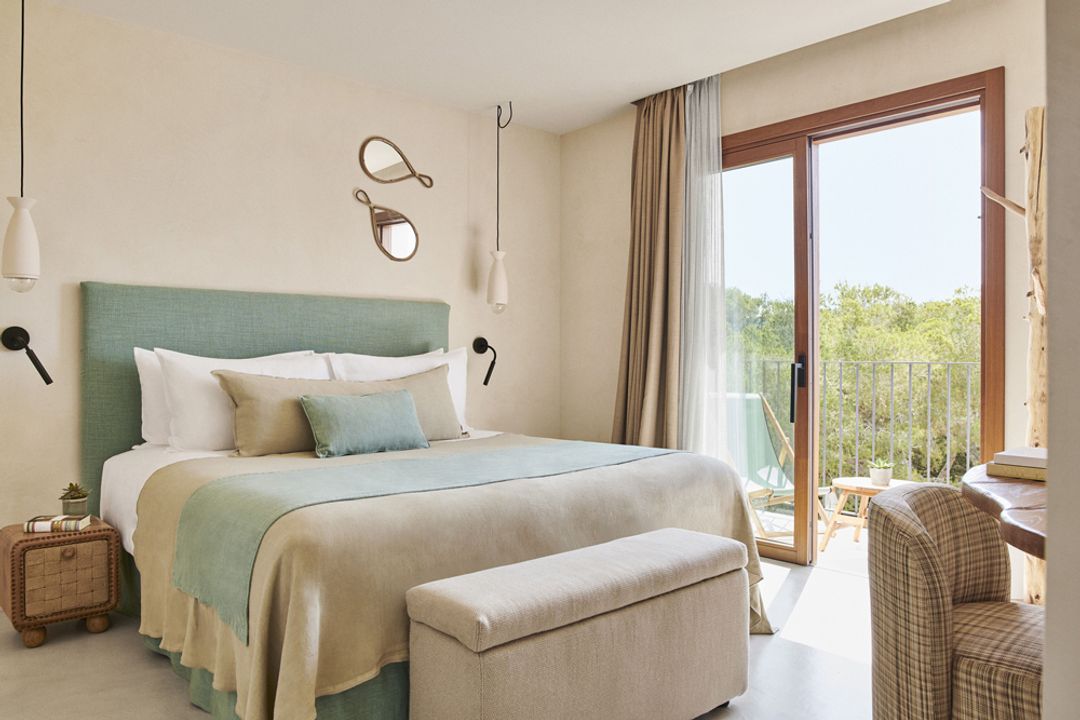
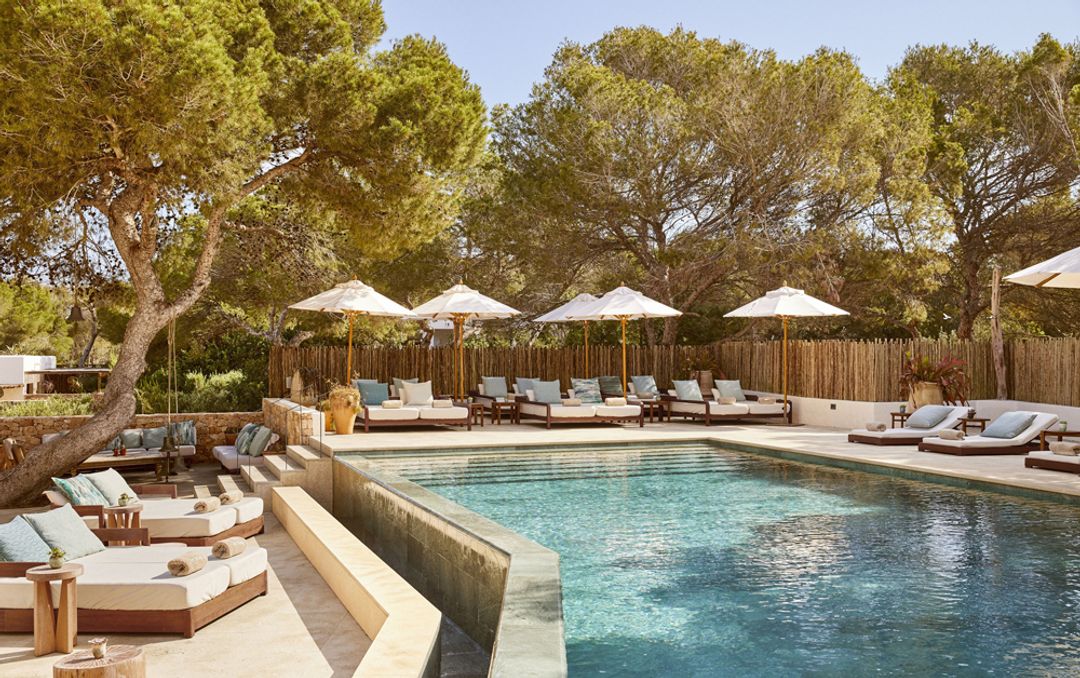
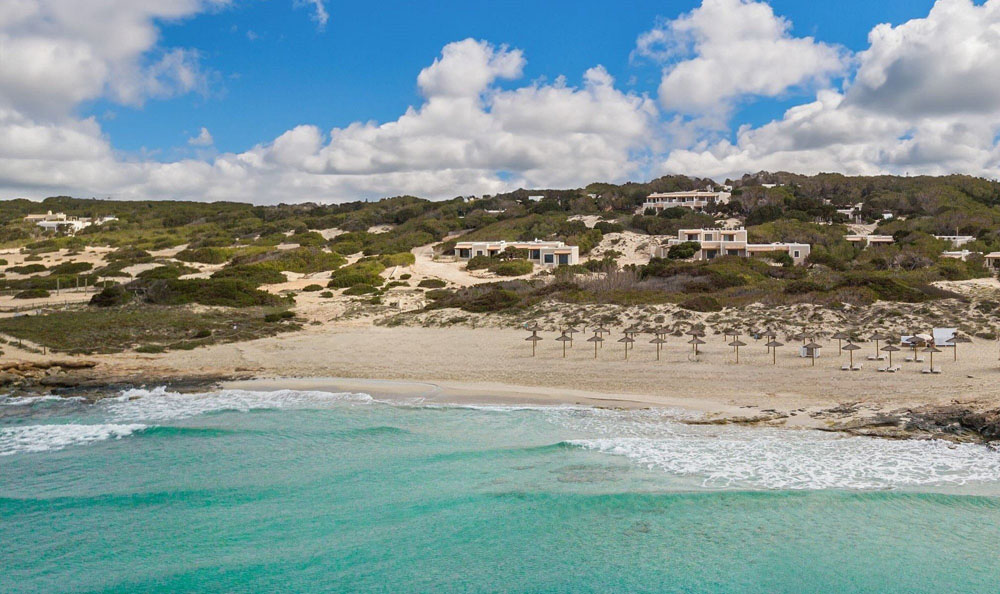
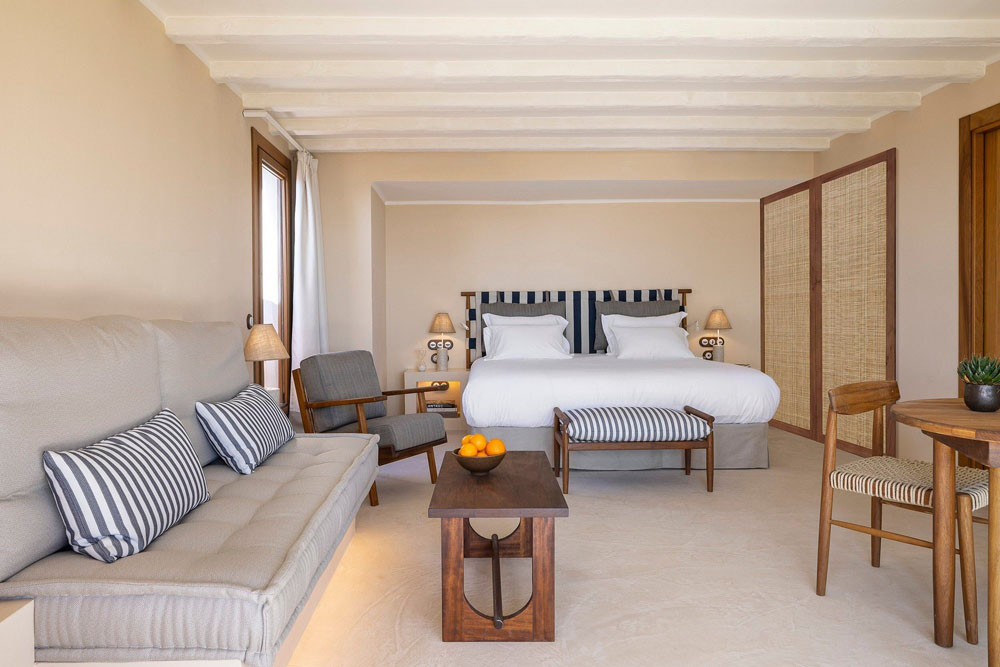
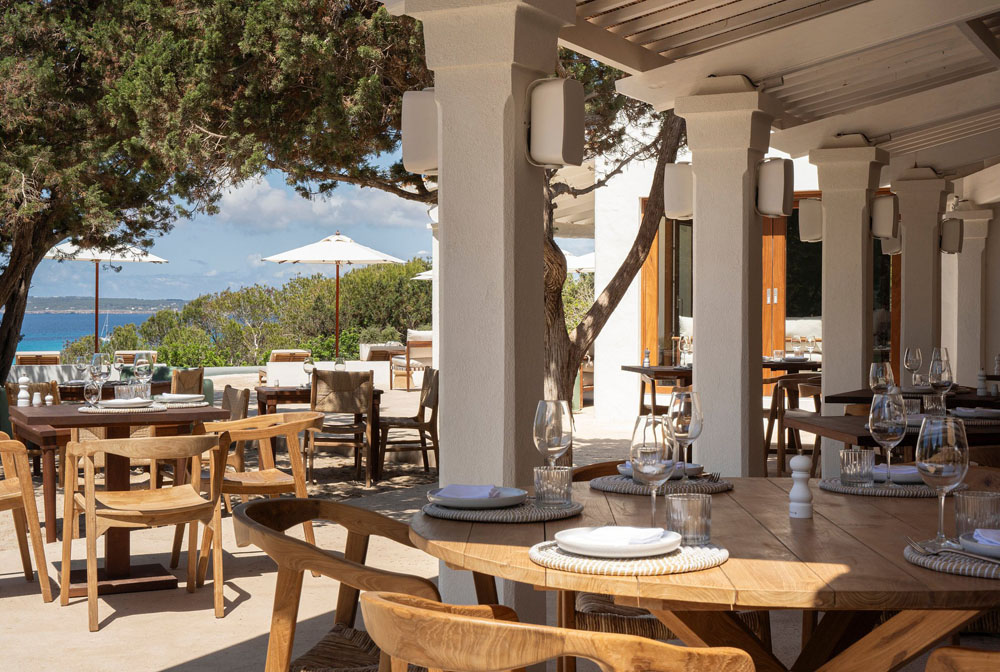
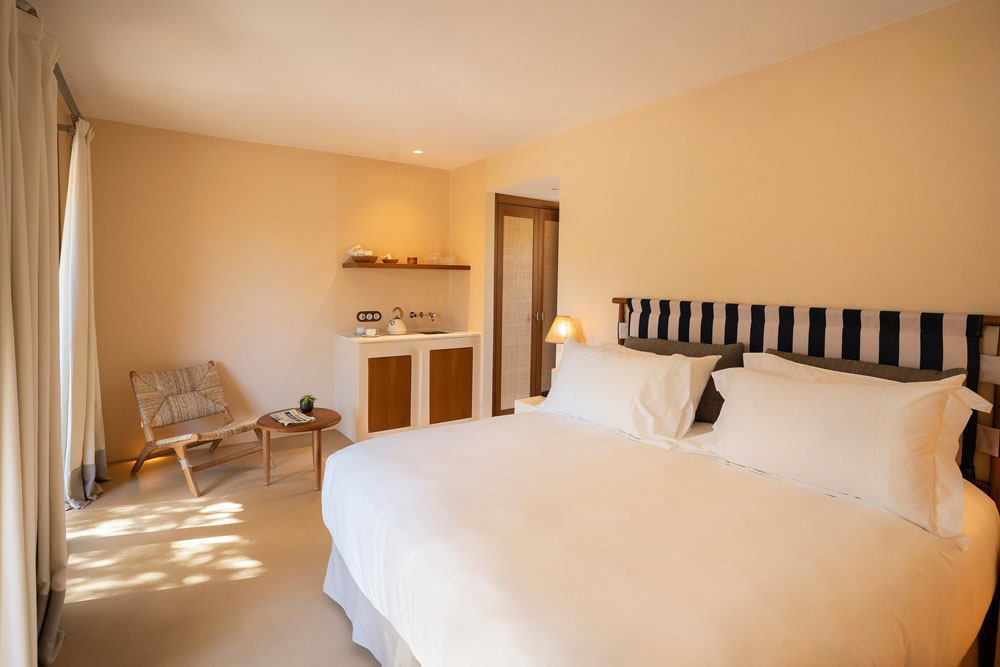
Teranka, at Playa des Arenals on the northeastern shore, is Formentera's most considered exercise in contemporary hospitality. The property reads as an extension of the Ibizan-Formenteran building tradition, with low white volumes, natural stone, and an insistence on materials that weather honestly rather than age apologetically. The price point, well above a thousand dollars a night, reflects not ostentation but scarcity: this corner of the island is calm, the beach is among the finest in the Balearics, and Teranka has understood that restraint itself is a premium. Anyone whose instinct is to notice how a building meets the ground will find something here worth the scrutiny.
Further south, along the long wild arc of Migjorn Beach, Dunas de Formentera offers a more accessible but still carefully positioned stay. Migjorn is Formentera's longest beach and retains a particular quality of emptiness even in high summer, buffered by dunes and scrub rather than promenade. The hotel takes its name and its cues from this landscape, with an informal ease that suits the beach's character. At roughly five hundred dollars a night it sits in a different register from Teranka, though both properties share an understanding that Formentera rewards travelers who have come specifically to be somewhere rather than to be seen somewhere. The island has no airport of its own, no casino, no luxury retail corridor. You arrive by ferry from Ibiza, and the island's smallness, which takes about forty minutes to cross end to end, is the point. These two properties, separated by coast and by considerable distance in price, each ask the same thing of their guests: to slow down enough to notice what is actually there.