Best hotels in Málaga, Spain | Visually Compare Top Stays Side-by-Side
Welcome to PressBeyond - a curated visual guide to design-driven hotels and the fastest way to compare them.
An Overview of the Boutique & Luxury Hotel Landscape in Málaga, Spain
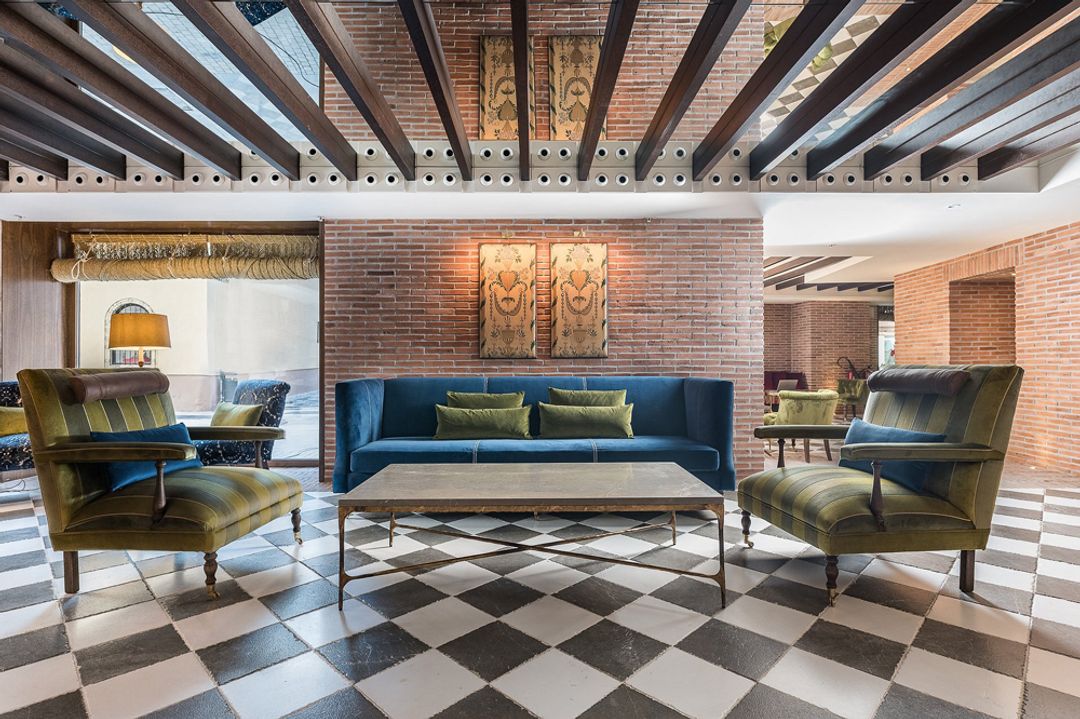
Málaga earns its architectural credentials slowly, through accumulation rather than spectacle. The Phoenicians, Romans, Moors, and a sustained period of Belle Époque prosperity all left legible traces in the fabric of the city, and those layers determine where the most interesting places to stay have landed. Two properties represent the platform here, and they are genuinely unlike each other, in location, in architectural DNA, and in what kind of stay they produce.
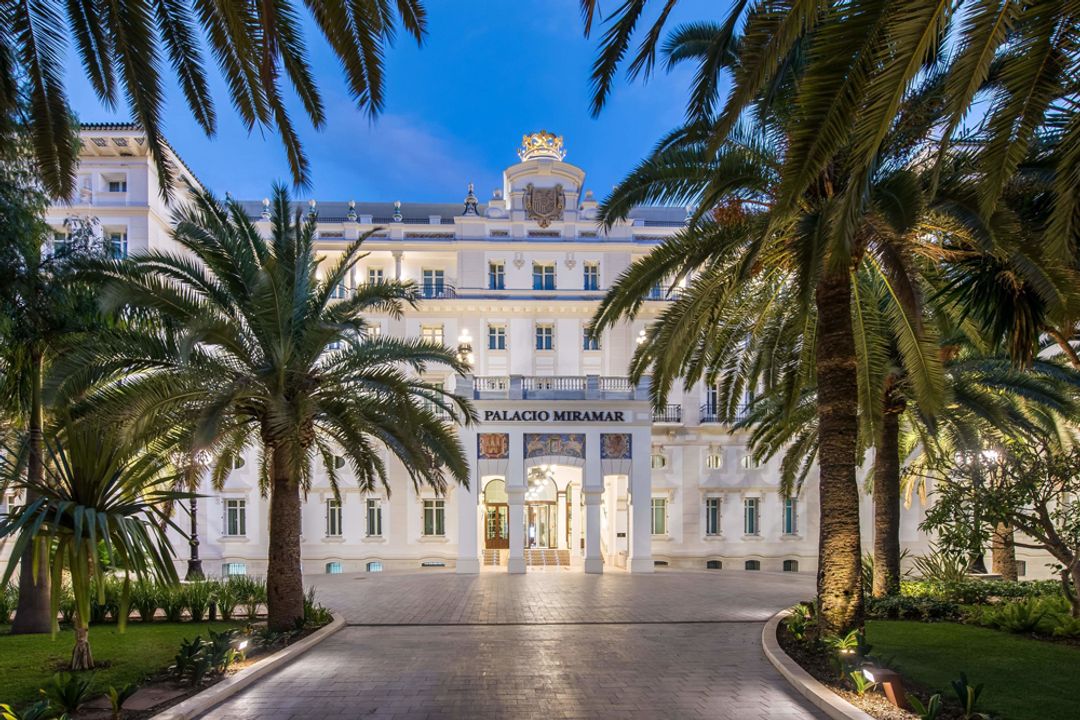
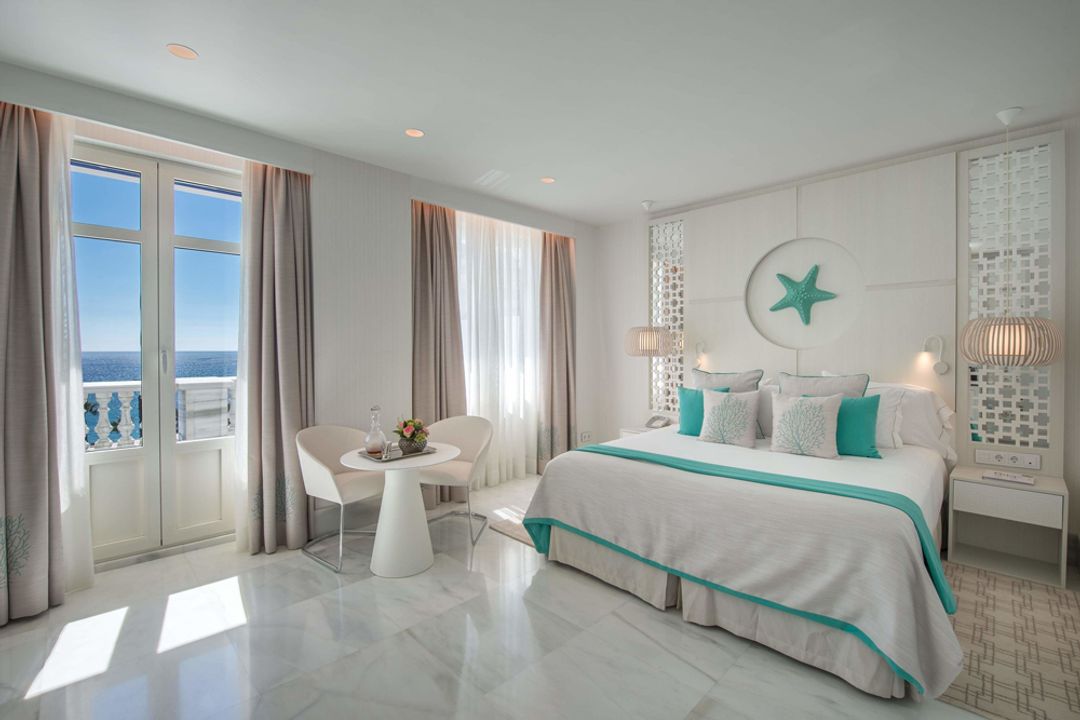
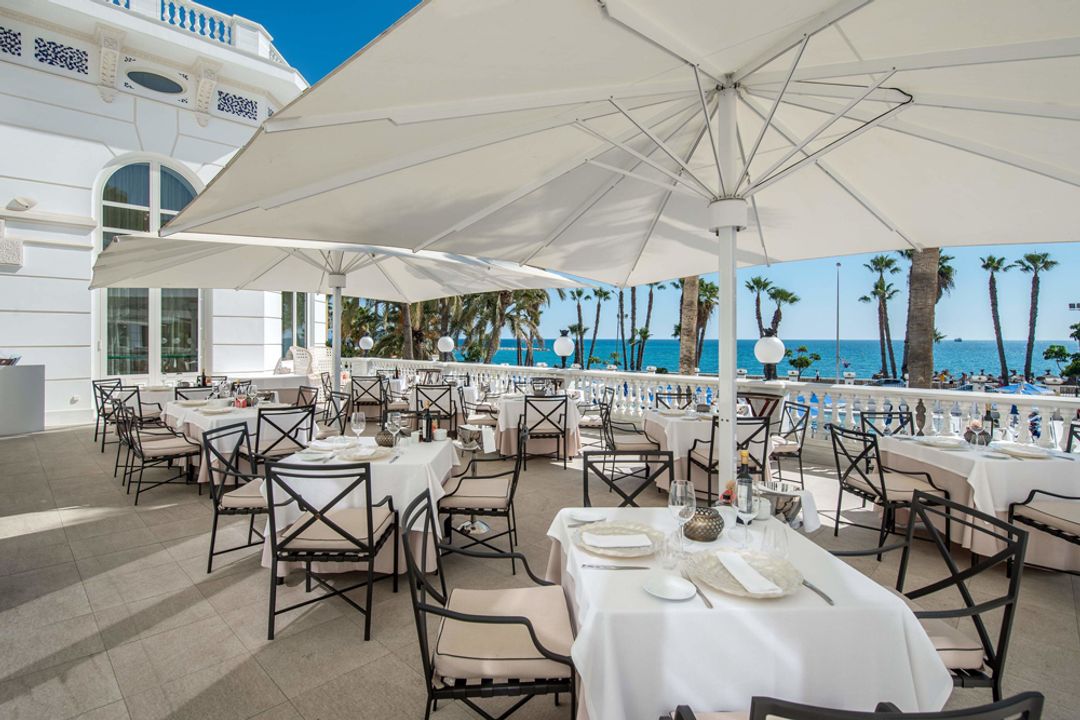
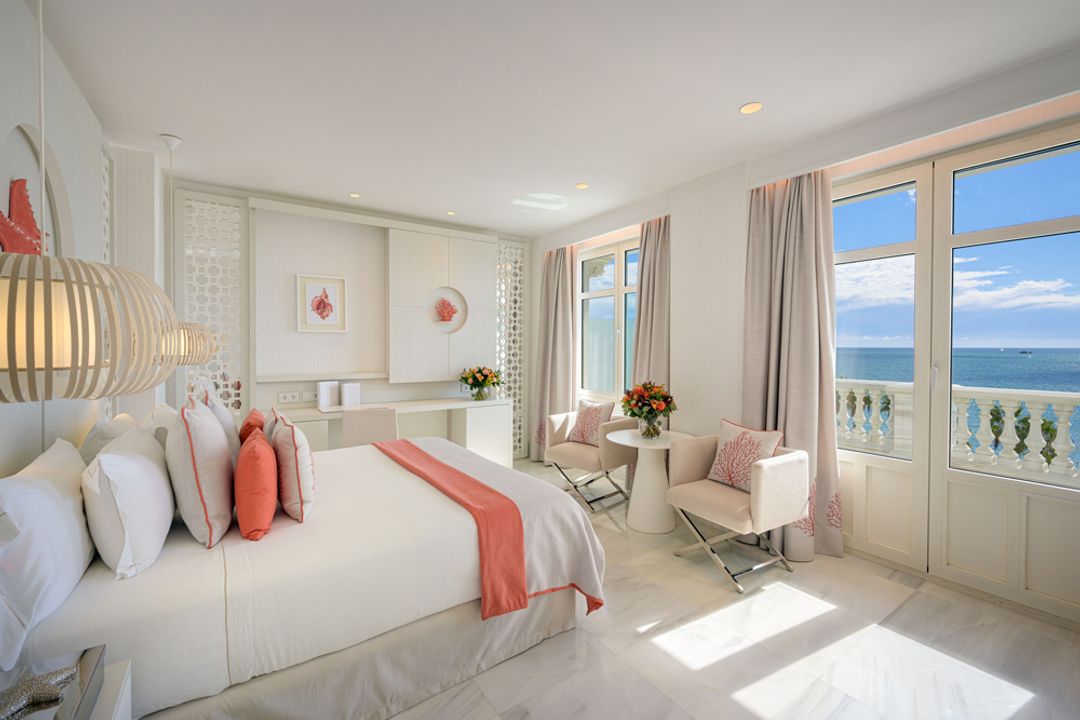
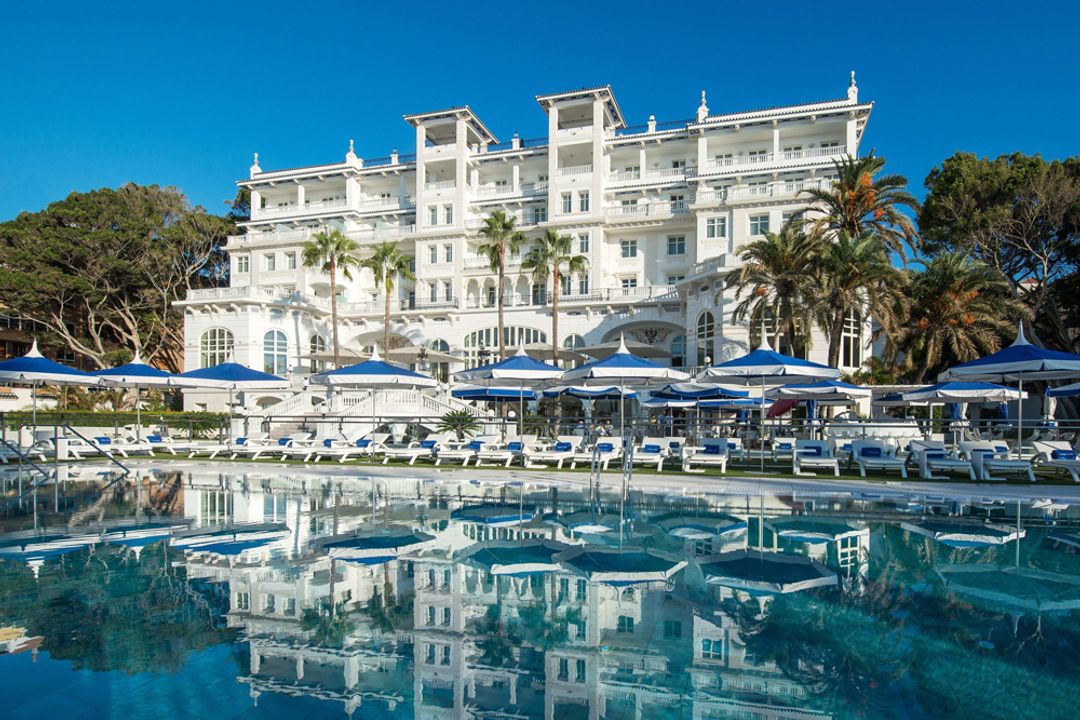
The Gran Hotel Miramar occupies a palace on the Caleta seafront that was built in 1926 to designs referencing the Mudejar revival style, all horseshoe arches, ornate tilework, and a facade that turns ostentatiously toward the Mediterranean. It was originally conceived as a grand hotel, fell into government use for decades as the seat of Andalucía's regional parliament, and was restored and reopened in 2017 after a meticulous rehabilitation. The building's weight is part of the experience. Guests who respond to that kind of institutional grandeur, to rooms where the ceiling height feels like a historical statement, will find the Miramar's position between the old port and the Caleta beach to be exactly the right remove from the centro, close enough to walk in, far enough to feel apart from it.
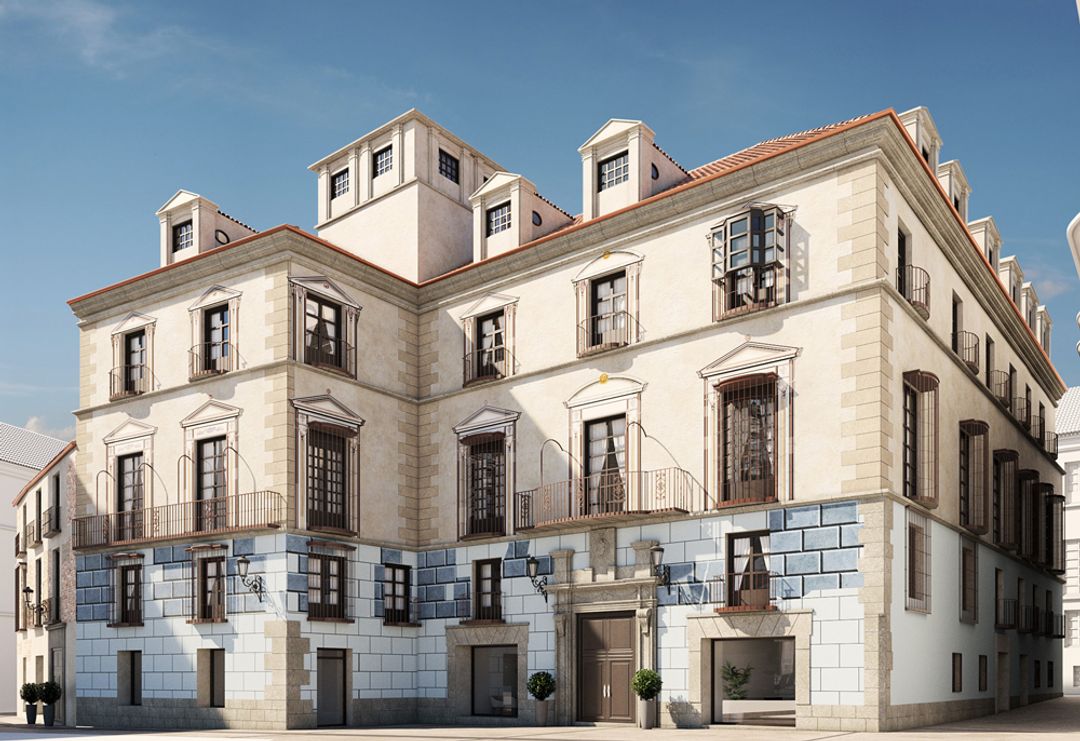
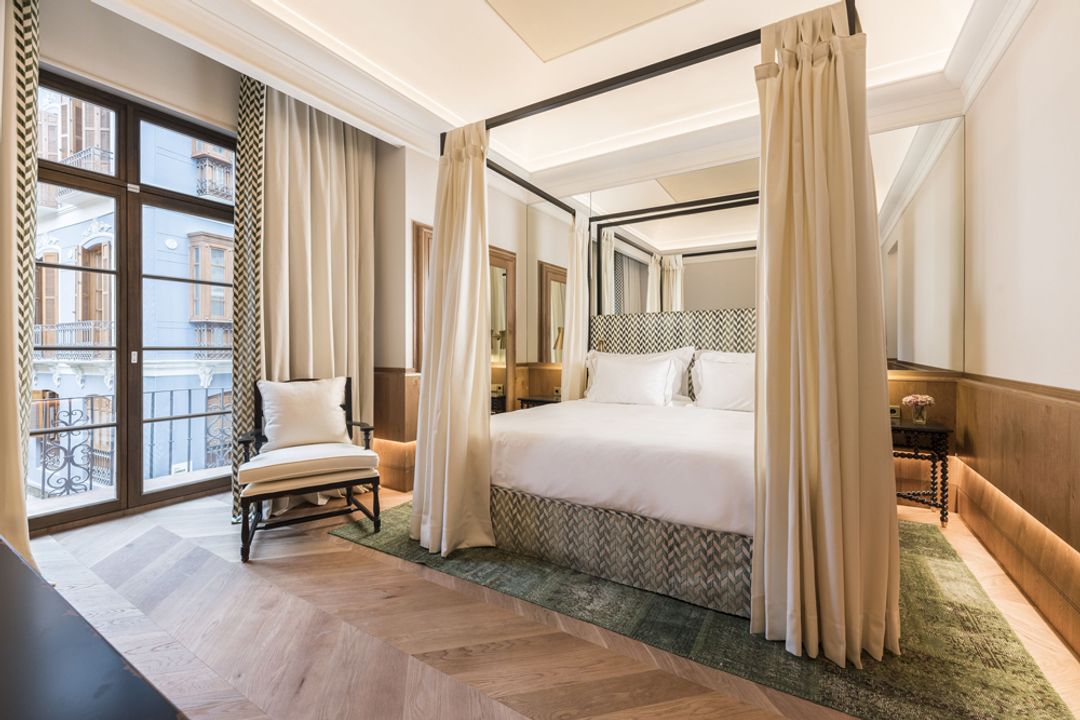
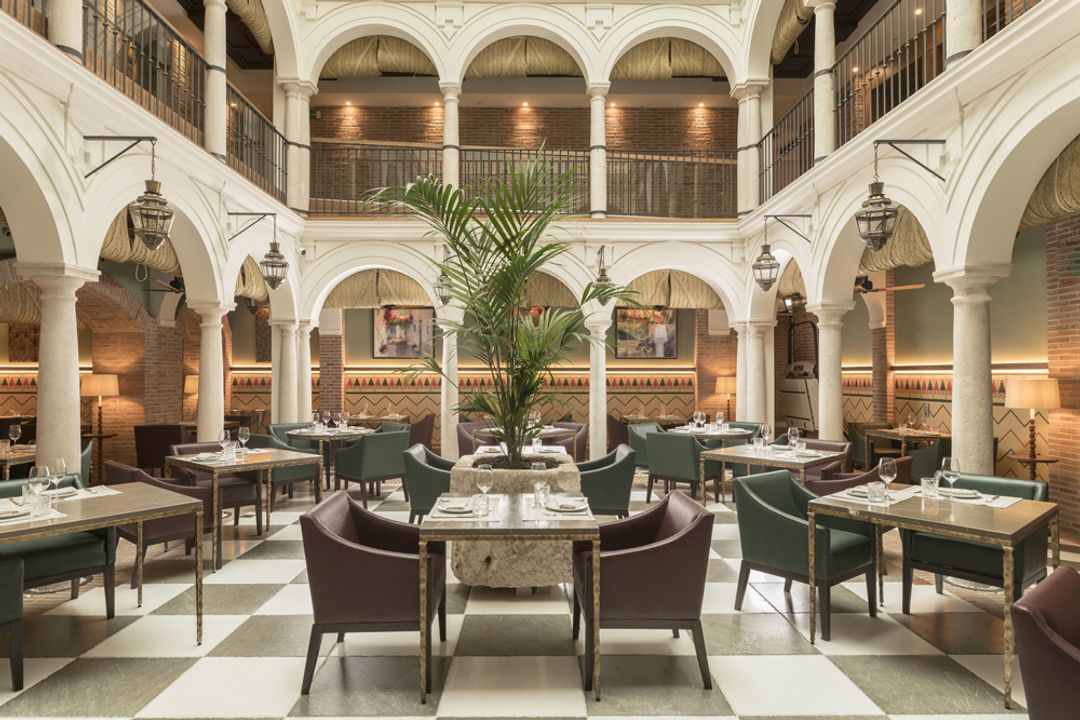
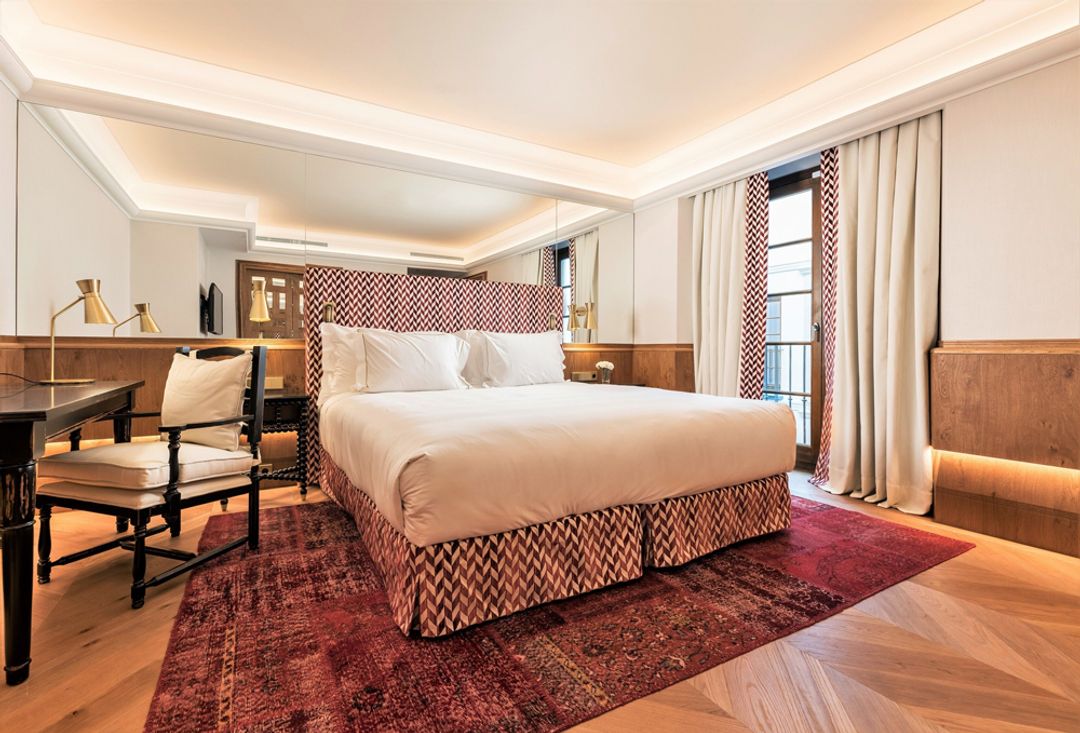
Palacio Solecio sits inside the historic center, on Calle Granada, which cuts through one of the most dense and rewarding stretches of the city's pedestrian fabric, a few minutes from the Picasso Museum and the Roman theatre. The building is a restored 18th-century palace, and the renovation, completed in 2018, kept the courtyard and the original structural envelope intact while threading contemporary interiors through the historic shell. That tension between contained antiquity and clean contemporary detailing gives Solecio a different kind of appeal: it suits a traveler who wants the city to press in close, who moves through Málaga on foot and wants to return each evening to somewhere that feels embedded rather than elevated. At a lower nightly rate than the Miramar, it represents the stronger choice for anyone whose priorities run toward proximity to the city's best museum quarter rather than toward the symbolism of a seafront palace. Both hotels are worth understanding on their own terms. The choice between them is really a question of whether you want Málaga at arm's length or right outside the door.