Best hotels in Central Highlands, Sri Lanka | Visually Compare Top Stays Side-by-Side
Welcome to PressBeyond - a curated visual guide to design-driven hotels and the fastest way to compare them.
An Overview of the Boutique & Luxury Hotel Landscape in Central Highlands, Sri Lanka
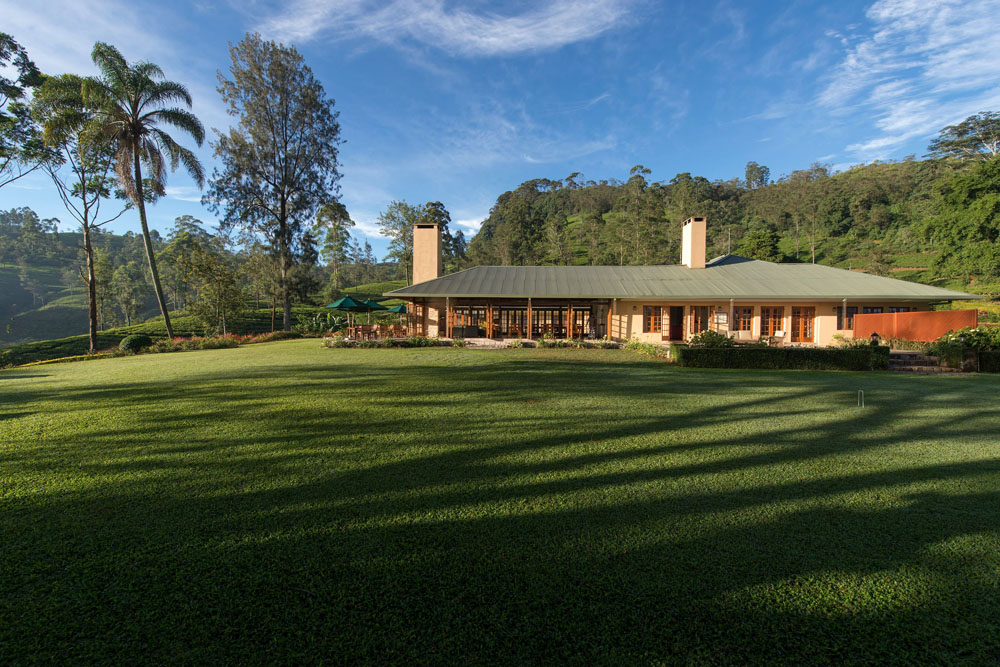
The Central Highlands of Sri Lanka are defined by elevation and industry in equal measure. The terrain rises sharply from the coastal lowlands into a landscape of mist, cloud forest, and carefully terraced hillside — a geography shaped less by urban planning than by the demands of tea cultivation. The British colonial enterprise that transformed these highlands in the nineteenth century left behind a particular built typology: the bungalow. These structures, scattered across the estates of Nuwara Eliya, Dickoya, and the Bogawantalawa Valley, were designed not for grandeur but for function, built to house the planters who managed the tea gardens at altitude. They sit low to the land, with wide verandahs that catch the view across the slopes, and their interiors tend toward the practical comforts of colonial domesticity rather than any architectural ambition. That restraint is, paradoxically, what makes them so compelling now.
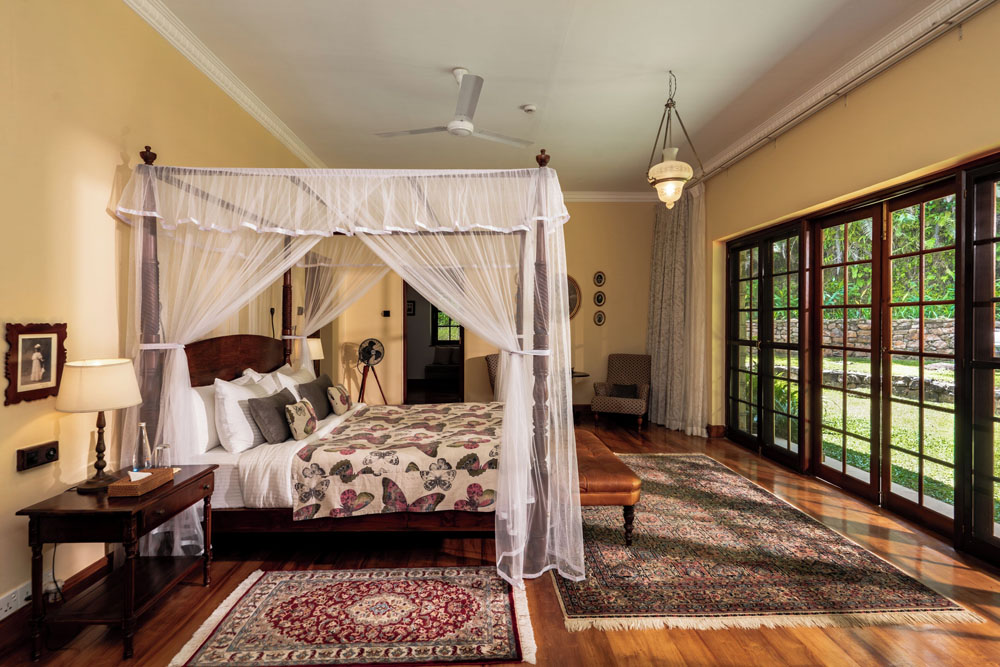
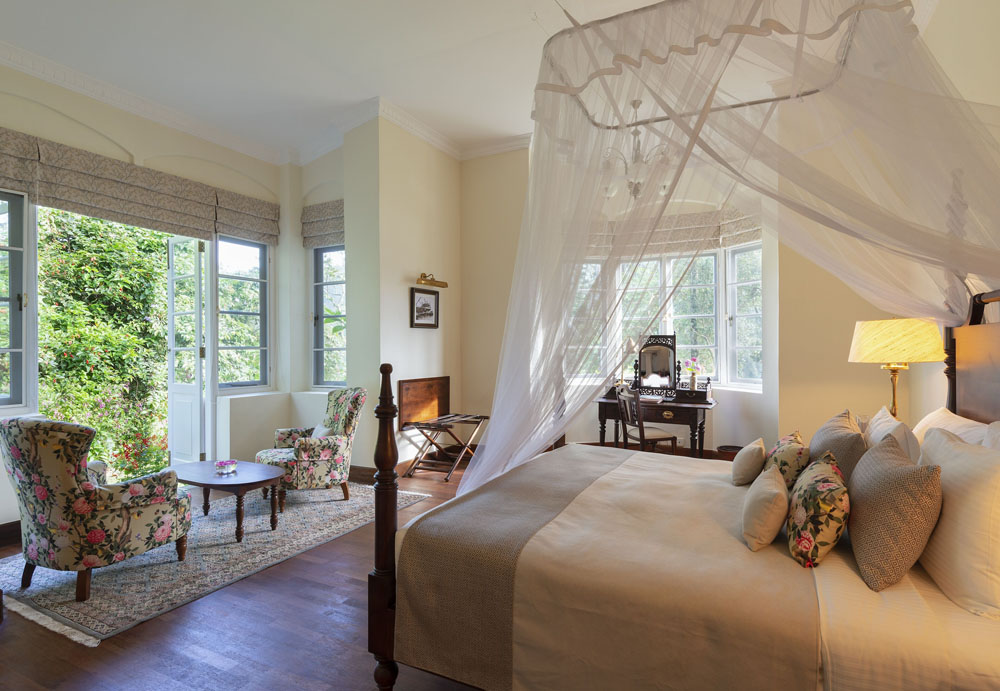
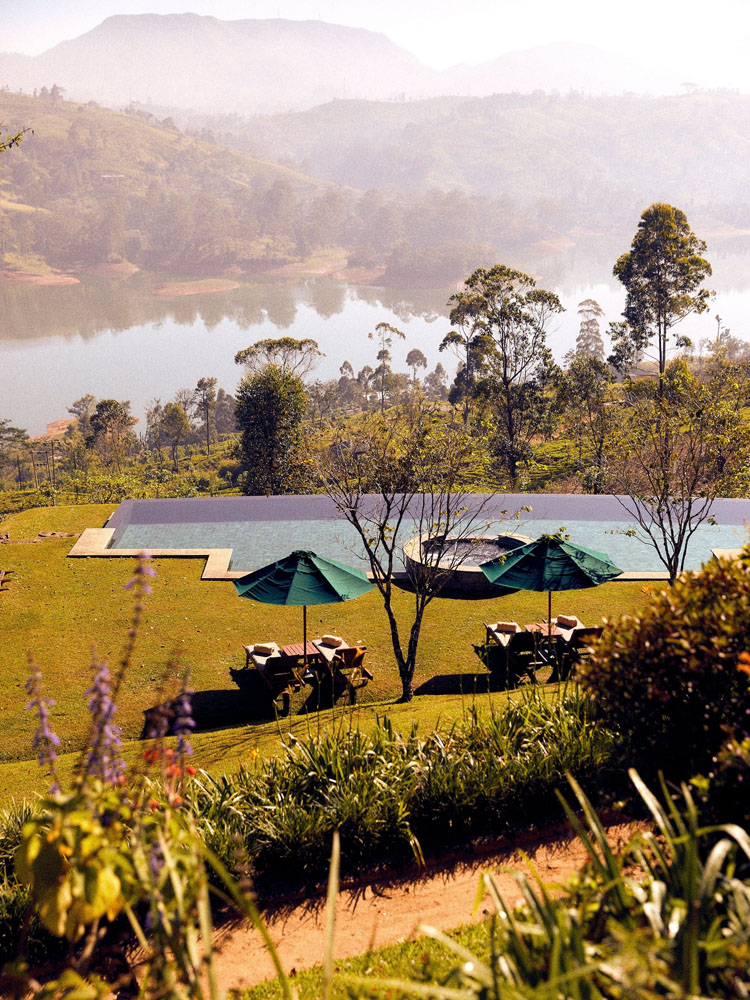
Ceylon Tea Trails, spread across four of these historic bungalows in the Bogawantalawa Valley, is the most thoughtful realization of what the planter's bungalow can offer as a hospitality experience. The property is operated by Resplendent Ceylon, the same group behind the Cape Weligama and Wild Coast Tented Lodge, and the approach here is consistent with their broader thinking: conservation over reinvention, atmosphere over spectacle. The bungalows, which include Summerville, Tientsin, Norwood, and Castlereagh, retain their period character without becoming museum pieces. Fireplaces, antique furniture, and preserved architectural fabric coexist with the kind of considered comfort that makes a stay genuinely livable rather than merely picturesque. Each bungalow occupies a distinct position on the estate, with private access to the surrounding tea gardens and the reservoir at Castlereagh Lake forming a quiet and unhurried backdrop.
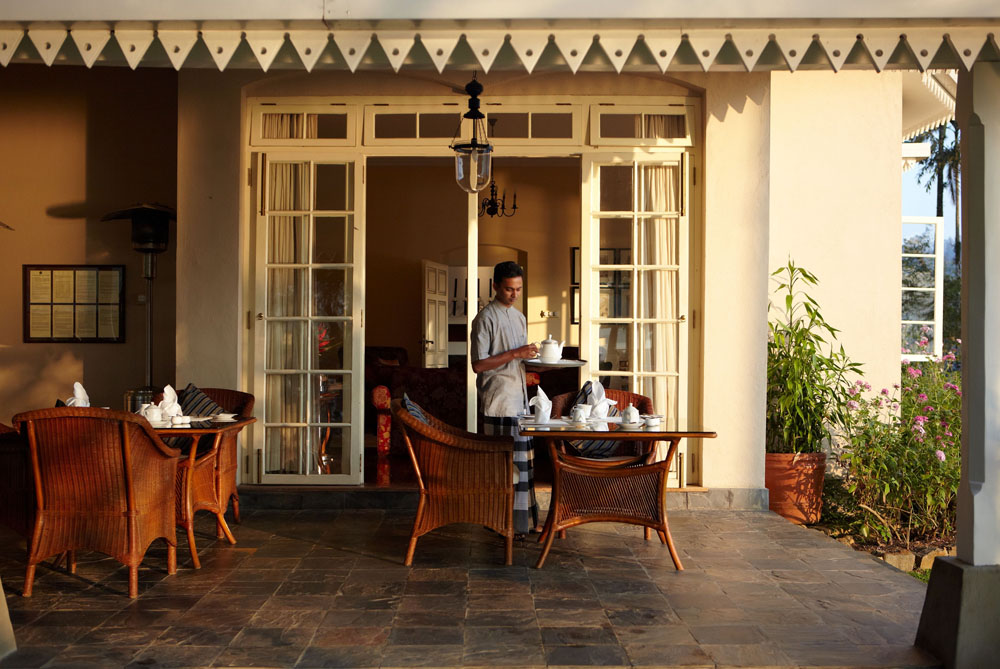
What matters here, for the traveler who comes to actually inhabit a landscape rather than photograph it, is the cumulative effect of the place. Walking the estate paths between bungalows, taking tea in the afternoon on a verandah above rows of tea bushes in full growth, the architecture reads not as nostalgia but as something still fit for purpose. The Highlands offer very little in the way of contemporary hotel design, and Ceylon Tea Trails makes no effort to compensate for that. It simply does what the original structures were always meant to do: provide shelter at altitude while the landscape does its work.