Best hotels in Tunis, Tunisia | Visually Compare Top Stays Side-by-Side
Welcome to PressBeyond - a curated visual guide to design-driven hotels and the fastest way to compare them.
An Overview of the Boutique & Luxury Hotel Landscape in Tunis, Tunisia
Tunis holds two cities inside one: the medina, a UNESCO-listed labyrinth of Hafsid-era streets, Andalusian courtyard houses, and Ottoman mosques, and then the French colonial ville nouvelle, its wide avenues and stucco facades still carrying the formal ambitions of a nineteenth-century Mediterranean power. Neither of those cities is where the three hotels on this list actually sit. The accommodation that draws international travelers has migrated north, to the Gulf of Tunis coastline, where the suburbs of Gammarth and the engineered lakeside district of Les Berges du Lac offer what the old city cannot: space, security infrastructure, and views across open water.
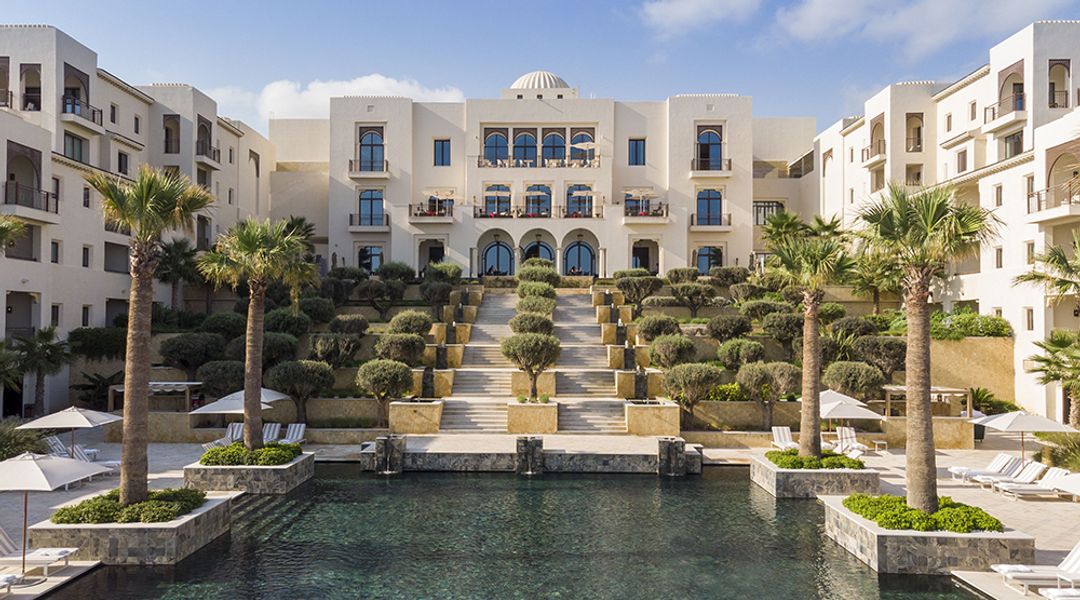
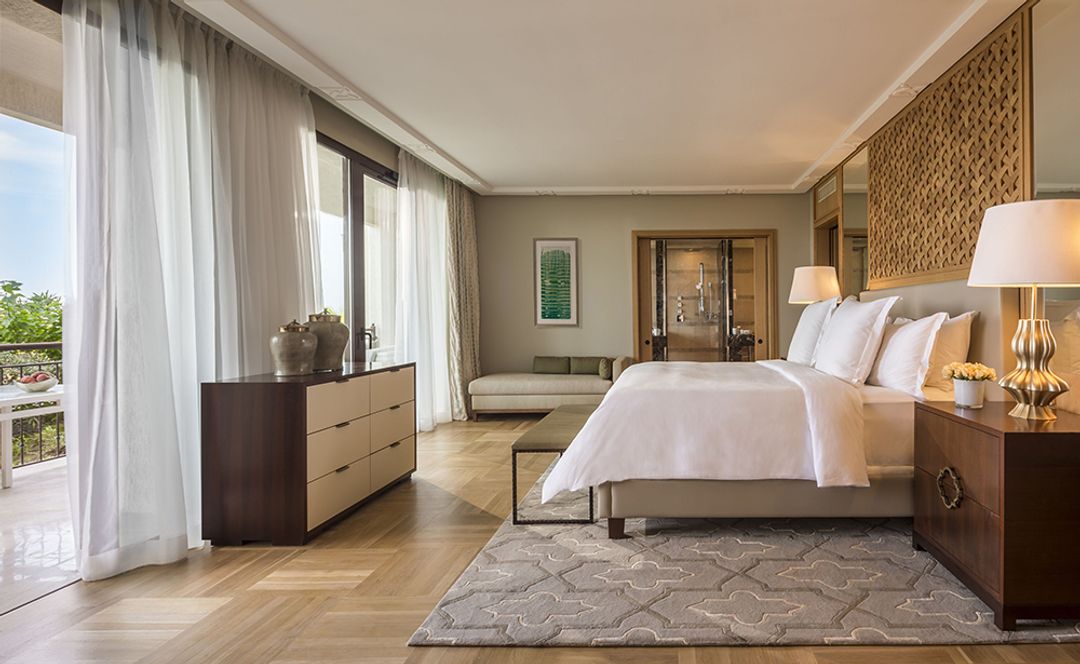
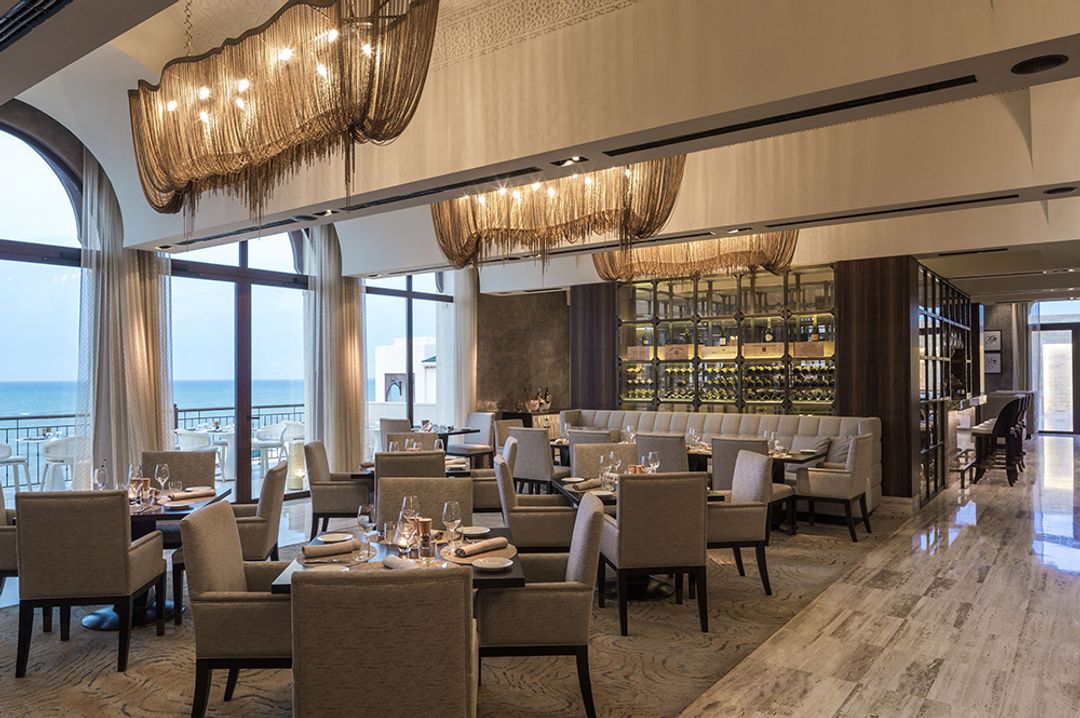
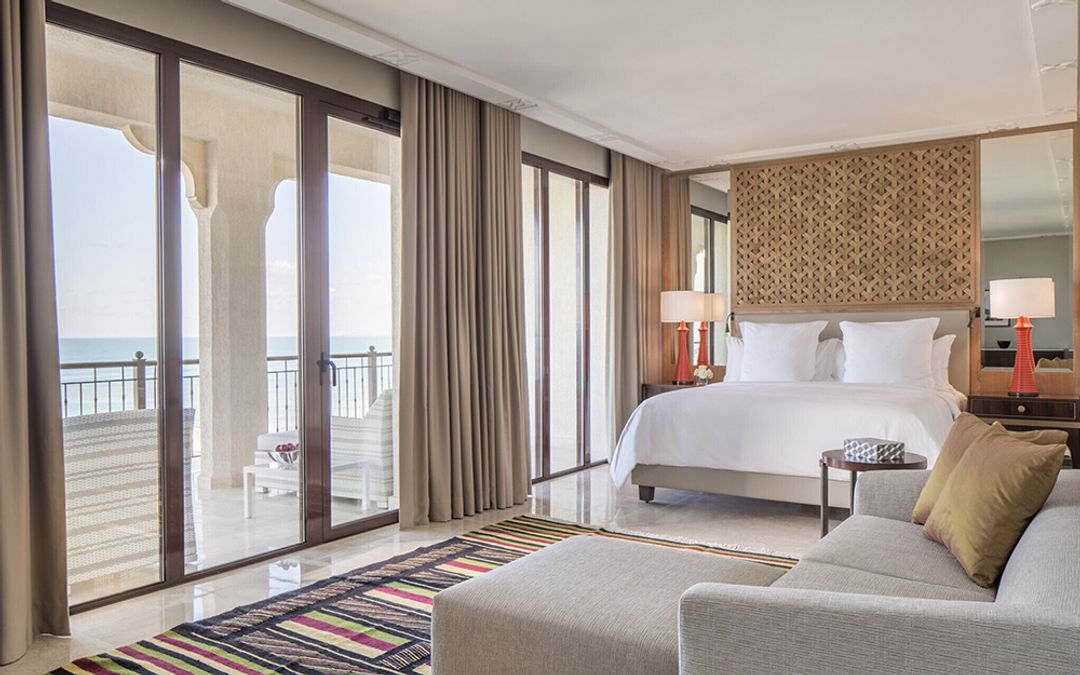
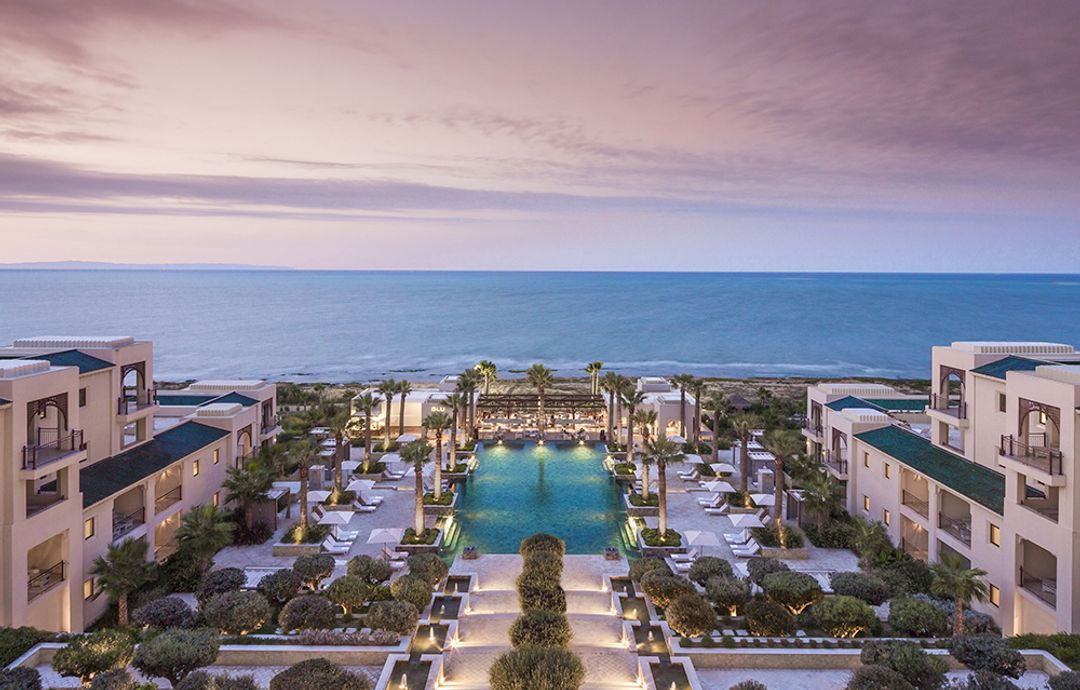
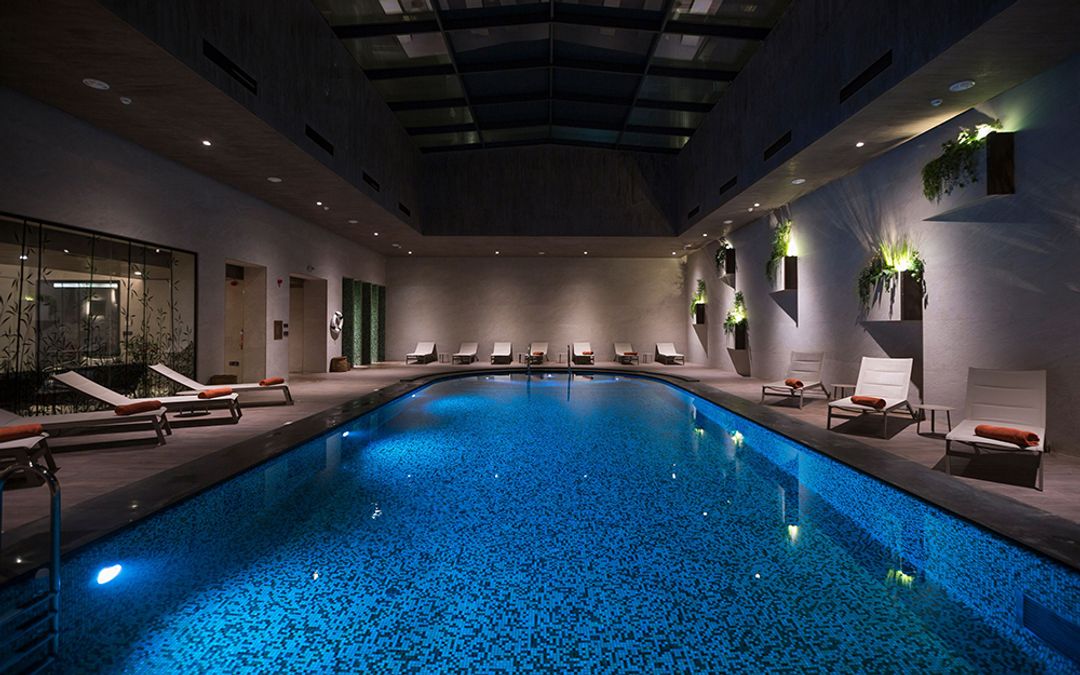
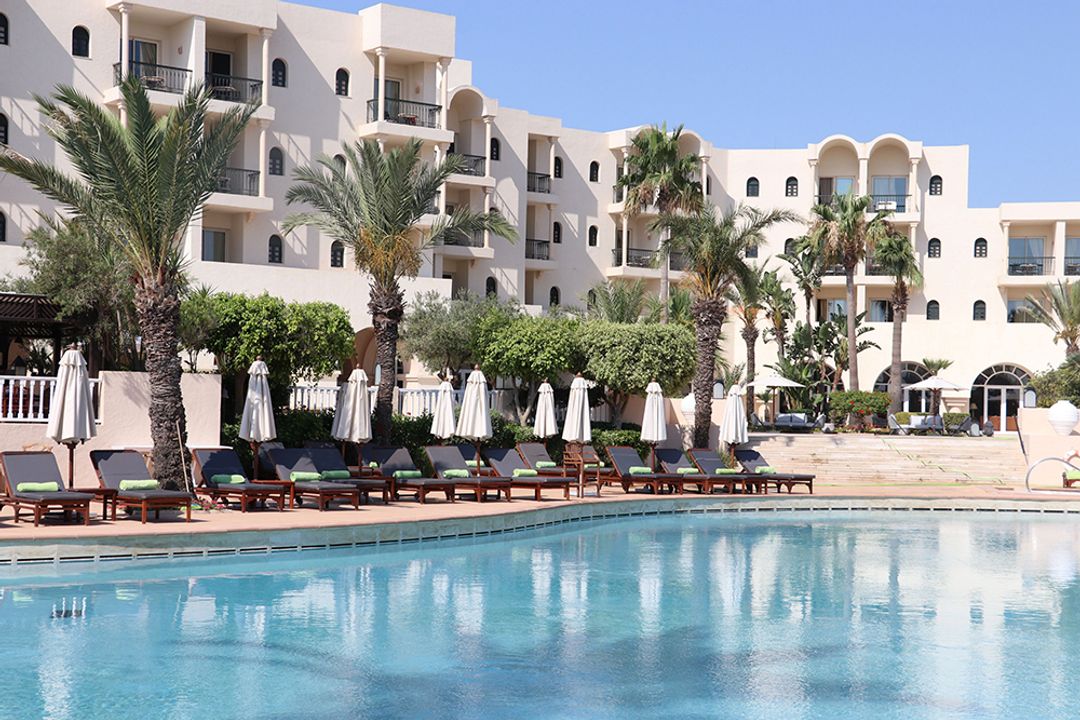
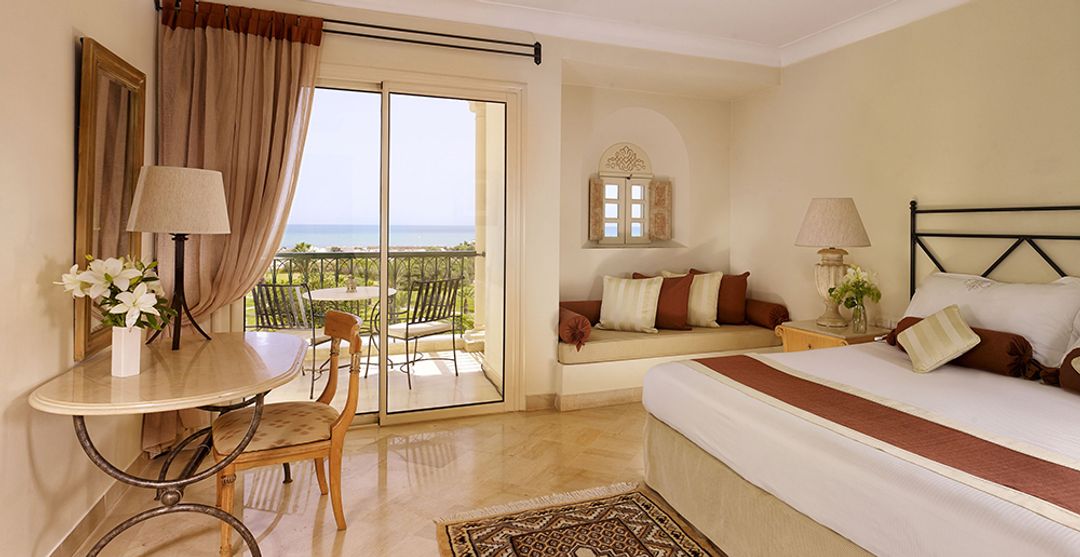
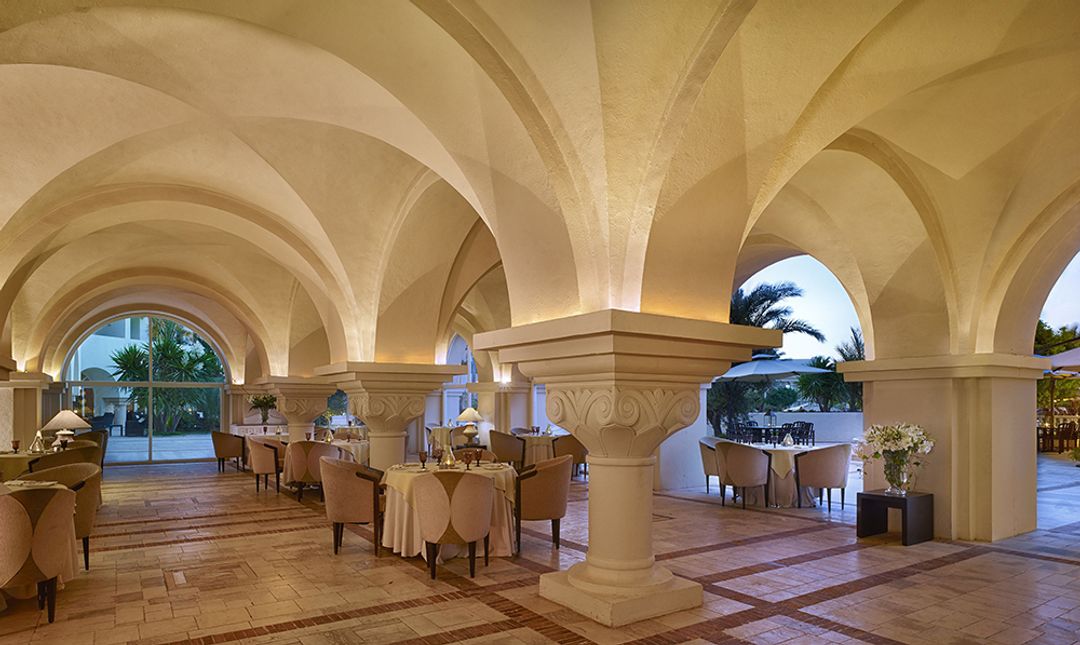
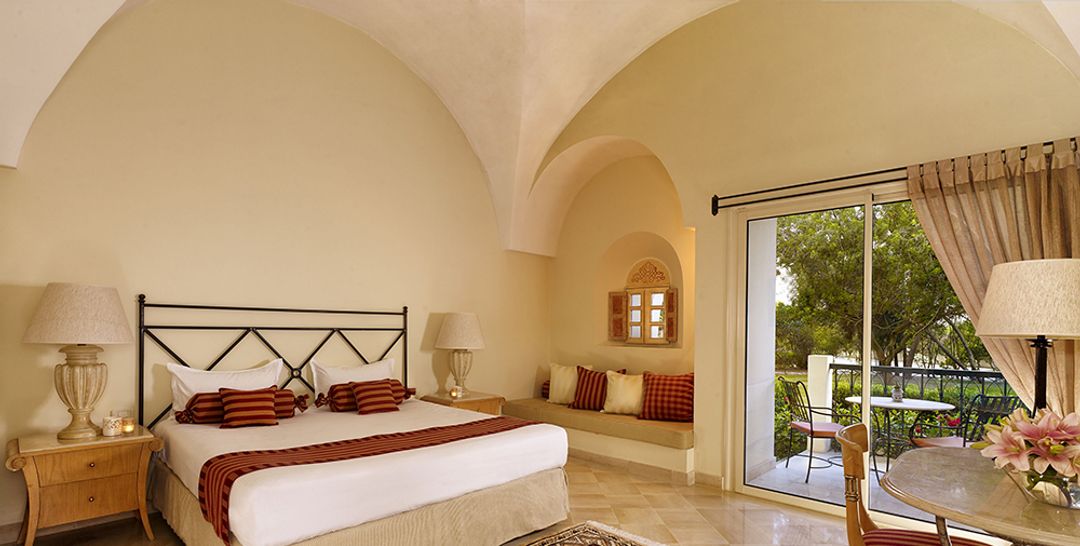
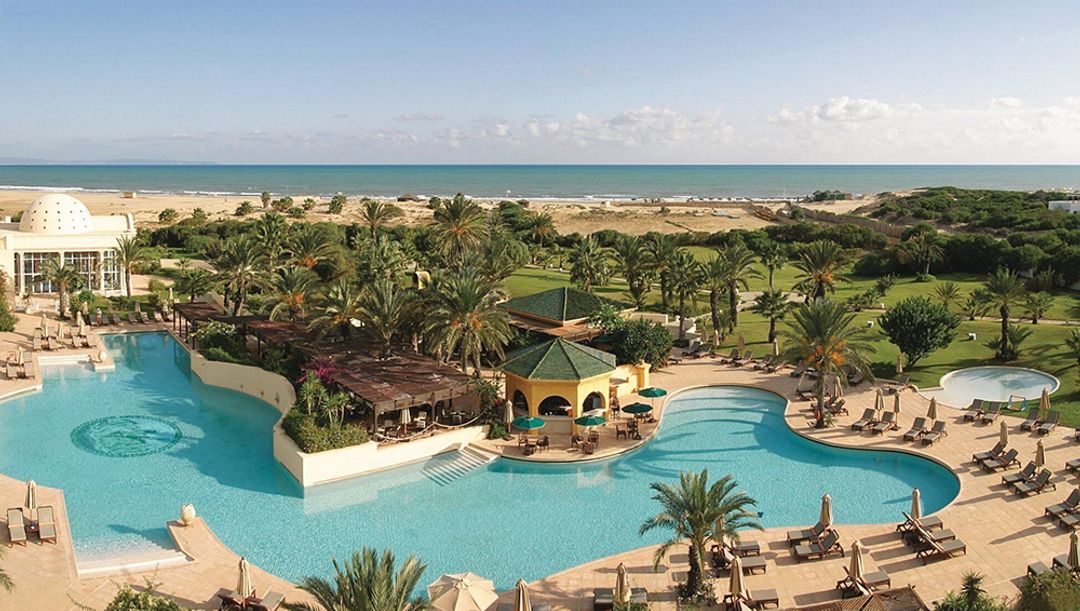
Gammarth is where the Four Seasons Tunis and The Residence Tunis occupy adjacent positions on the peninsula's sandy northern edge, both oriented toward the Mediterranean rather than the capital behind them. The Four Seasons, which opened in 2016, was designed around a low-rise villa arrangement that steps down toward a private beach, with interiors calibrated to the warm palette of local stone and hand-crafted tilework. It is a property that reads as resort rather than urban hotel, and anyone staying here should plan deliberately for excursions into the medina or to the Bardo National Museum, neither of which is within walking reach. The Residence Tunis, operated by Cenizaro Hotels, is a longer-standing property occupying the same coastal stretch with a more intimate scale; its thalassotherapy spa and contained garden architecture have aged into something genuinely quiet, suited to travelers who want the Gulf of Tunis without the choreography of a full luxury resort.
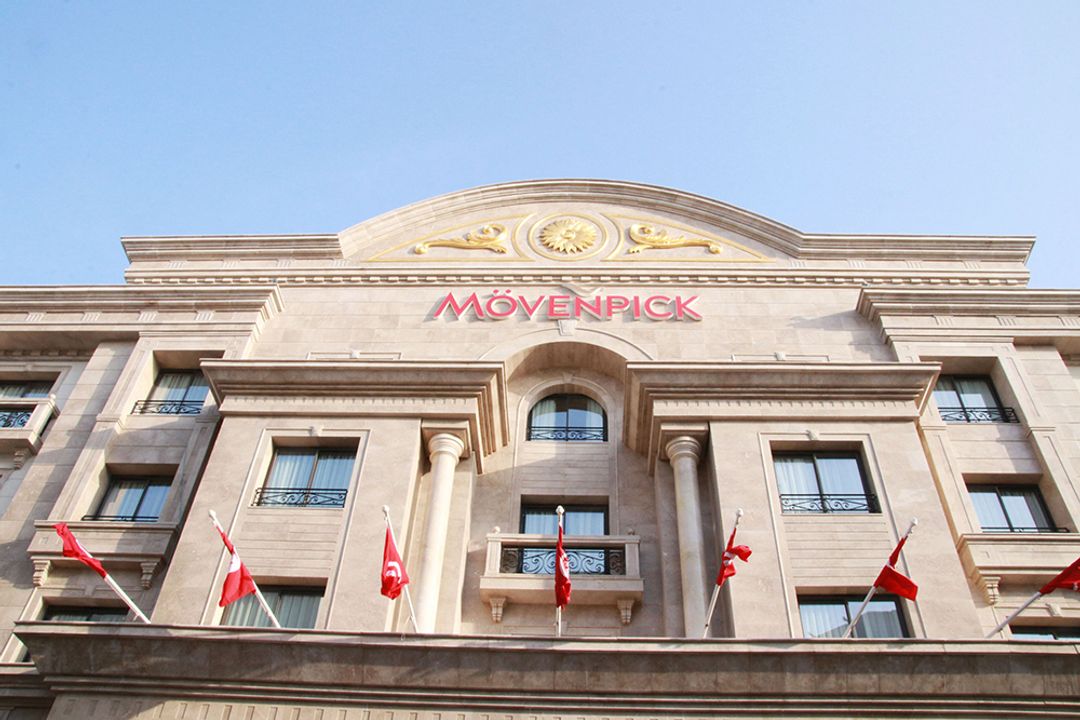
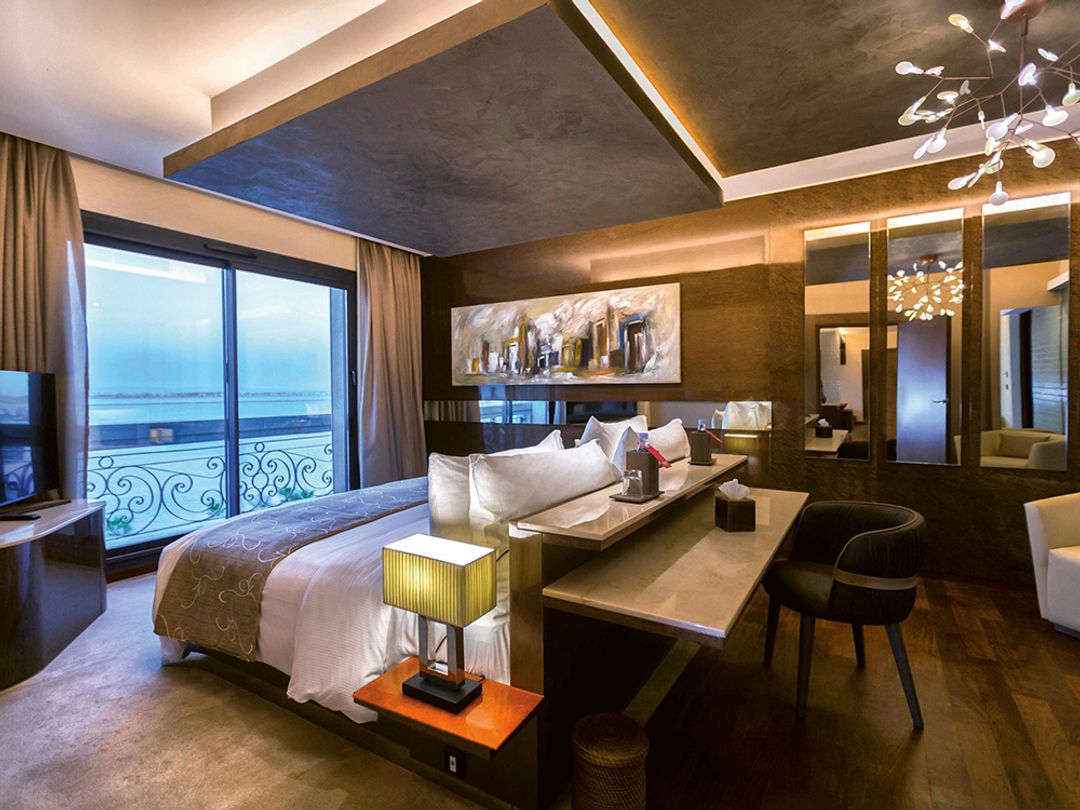
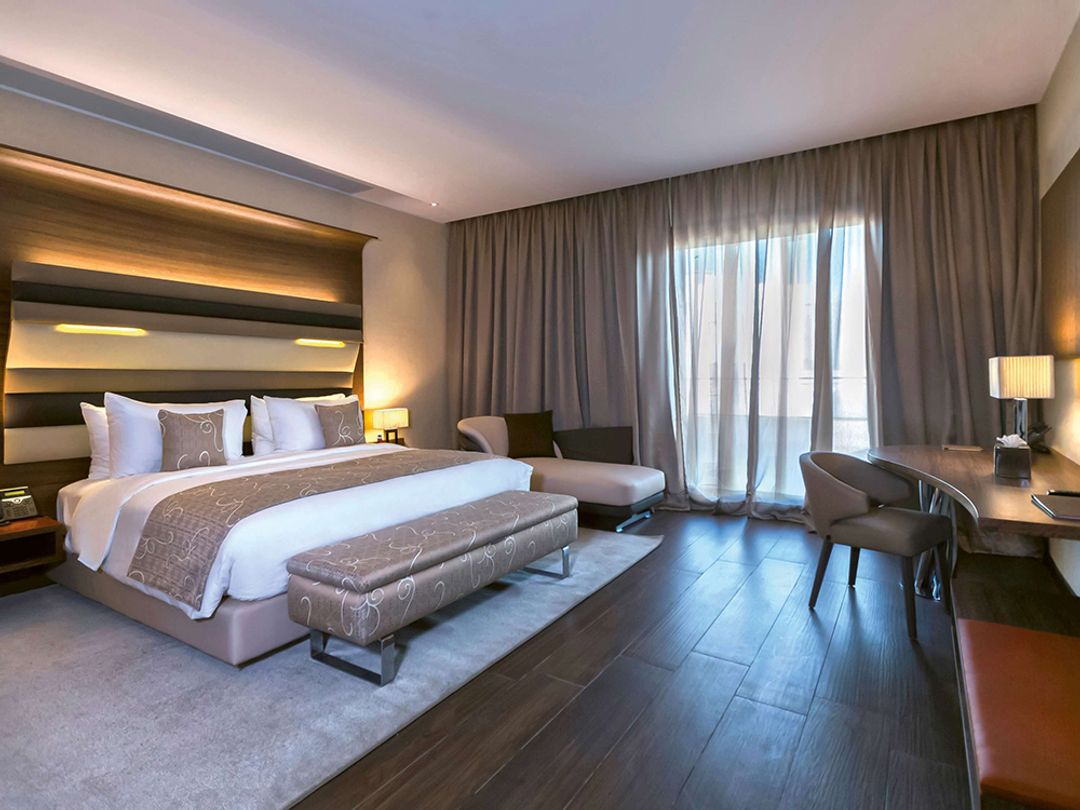
The third option sits in an entirely different setting. The Mövenpick Hotel du Lac Tunis rises above Les Berges du Lac, the planned business and diplomatic district developed on reclaimed land along the northern shore of Lac de Tunis during the 1990s. Its architecture is unmistakably corporate in origin, but the position over the water gives it something the coastal resorts lack: proximity to the city's commercial and governmental structures, and a straightforward transfer to the medina by taxi. For anyone in Tunis on business, or for anyone whose instinct is to use a hotel as a base for genuine urban engagement rather than as a destination in itself, this is the more functional choice, even at its higher nightly rate.