Best hotels in Tucson, Arizona | Visually Compare Top Stays Side-by-Side
Welcome to PressBeyond - a curated visual guide to design-driven hotels and the fastest way to compare them.
An Overview of the Boutique & Luxury Hotel Landscape in Tucson, Arizona
Tucson earns its reputation through geology before architecture. The city sits in the Sonoran Desert at roughly 2,400 feet, ringed by five separate mountain ranges, and the quality of light here — flat white at noon, then burning amber and coral from late afternoon until well past sunset — shapes everything built within it. Adobe construction, ramadas, thick masonry walls, deep-set portals, and shaded outdoor rooms are not stylistic choices but practical ones refined over centuries of Native American, Spanish colonial, and Mexican vernacular building. The result is a city whose built environment feels genuinely calibrated to its landscape in ways that Phoenix, for all its scale, rarely manages.
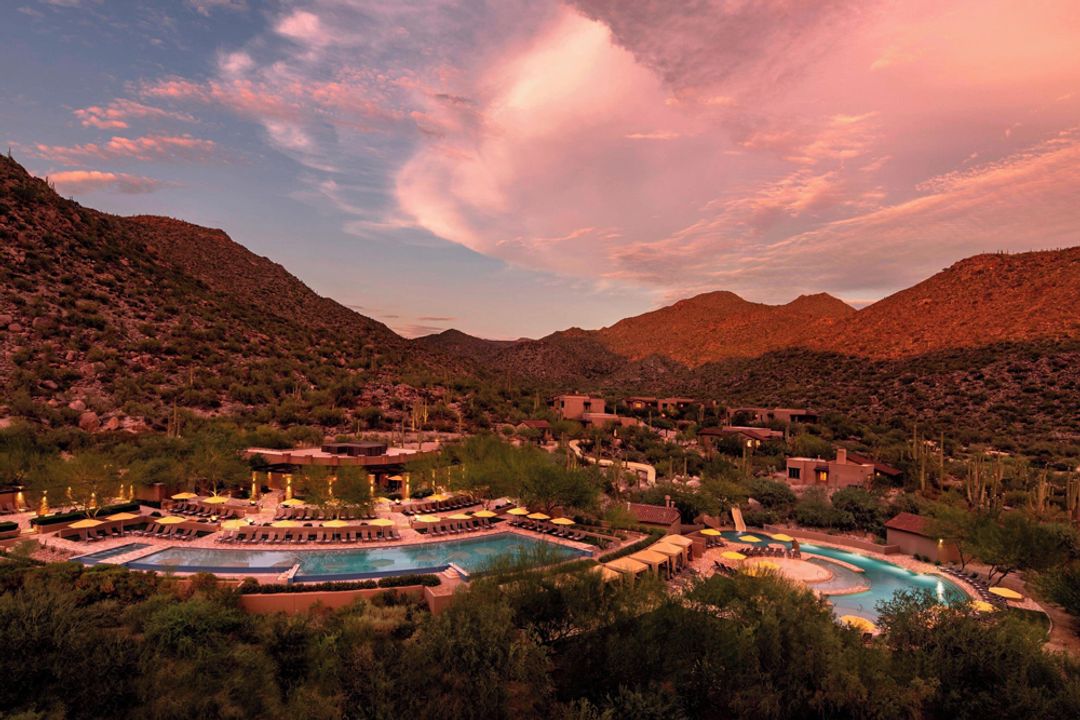
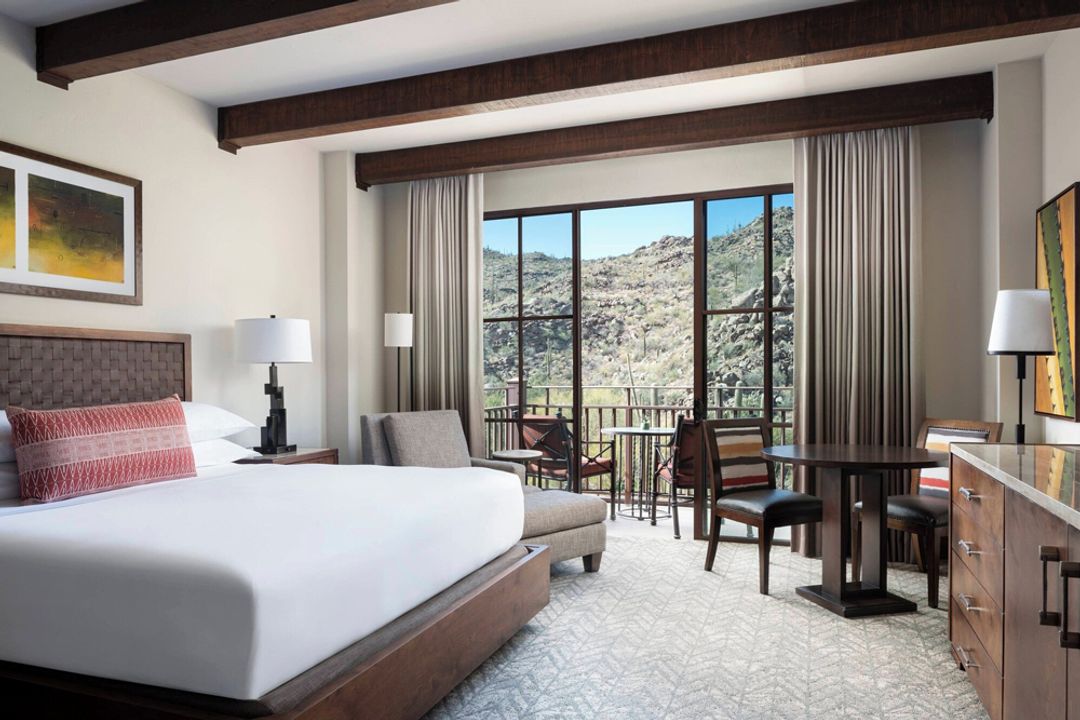
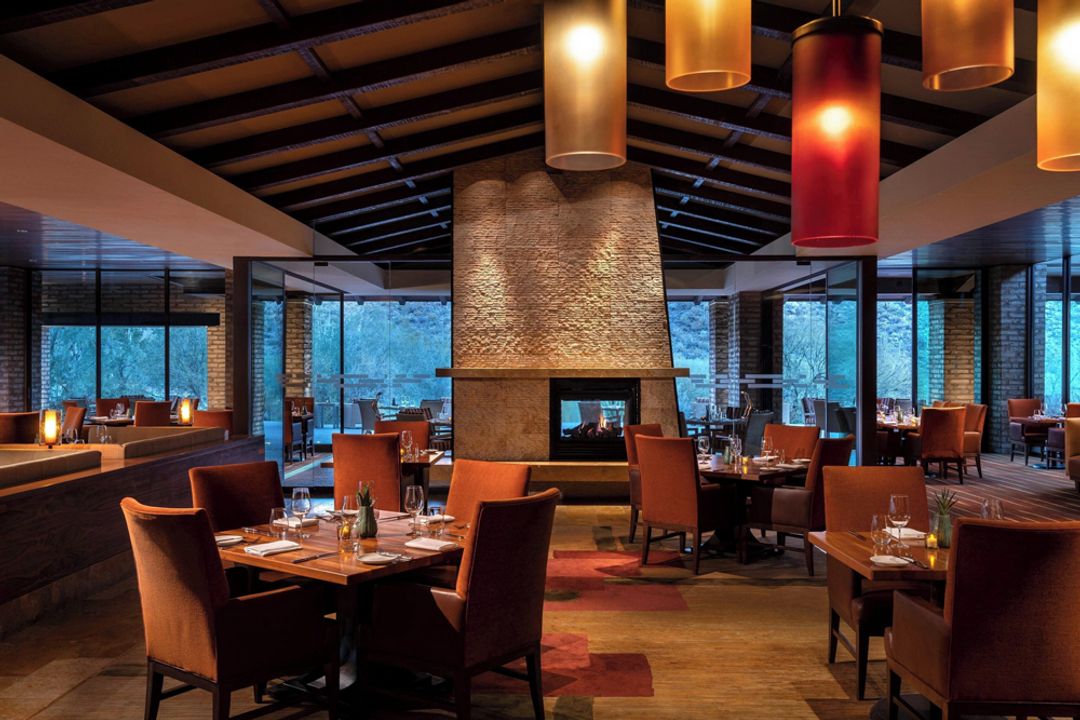
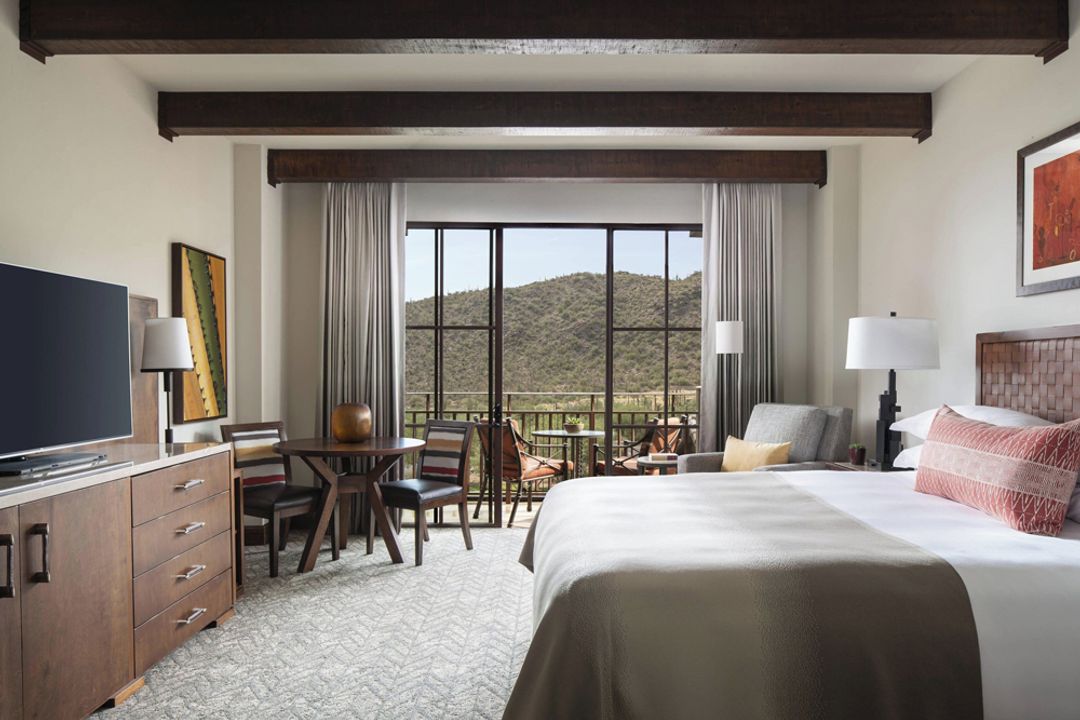
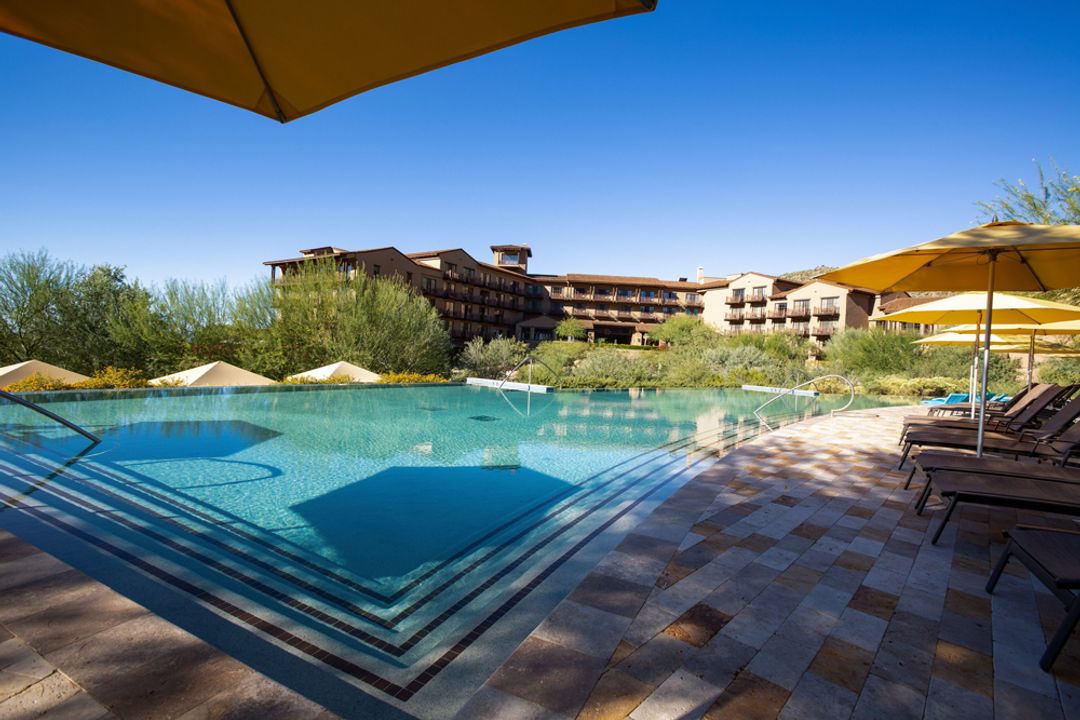
The most architecturally considered accommodation in the region sits north of the city proper, in Marana, where the Santa Catalina Mountains give way to the Tortolita range and the saguaro cacti grow in dense, undisturbed stands. The Ritz-Carlton Dove Mountain was developed within the Dove Mountain master-planned community and opened in 2009, positioned at an elevation that keeps it several degrees cooler than the valley floor and affords sightlines across both mountain ranges simultaneously. The resort's low-rise desert architecture works with the natural grade of the land rather than flattening it, using warm stone cladding and terracotta tones that read as honest responses to the terrain rather than applied Southwestern pastiche. Outdoor living is central to how the property functions: fire features, heated pools, and covered terraces are designed for the long transitional seasons that define the Sonoran calendar, when evenings cool rapidly after warm days and staying outside becomes the natural impulse. The adjacent Ritz-Carlton Golf Club offers courses designed by Jack Nicklaus, though the draw for anyone whose instinct is to notice materials and landscape is as much the maintained desert preserve surrounding the property as the sport itself.
Tucson as a destination rewards slower attention. The downtown core, with the Barrio Viejo historic district and the collection of mid-century commercial buildings along Congress Street, offers a walkable counterpoint to the resort's remove. Mission San Xavier del Bac, the late-eighteenth-century Spanish colonial church often called the White Dove of the Desert, remains one of the most significant pieces of architecture in the American Southwest and is twenty minutes from the city center. Dove Mountain is the considered base for this kind of trip: unhurried, spatially generous, and close enough to a city that has more to teach than it initially lets on.