Best hotels in Asheville | A Curated Visual Guide to Top Stays
Welcome to PressBeyond, the ultimate curated visual guide for design-driven hotels! My name is Will Miller and this is my recommendation for the best boutique and luxury hotel in Asheville.
I am the founder of PressBeyond and I am an ultra-meticulous hotel curator who loves clean visuals. I have individually analyzed and tiered the hotel included in this guide based on a variety of criteria (architecture & design, location, brand & brand affiliation, existing reviews, and my own personal experiences), and importantly, I have hand-selected the leading imagery for this hotel to provide you with easily-digestible, yet detailed and complete, like-for-like, high-level visual profiles. I felt this summarization step was a critical missing piece across existing guides, blogs, and booking platforms. My aim is to make it easier for people to identify hotel environments that resonate with them, along with enabling them to visualize the types of social experiences that those environments help foster. My brain doesn't work when exposed to cluttered content, so my goal was to create the opposite.
Underneath this, we are also a full booking engine offering 5% Venmo cash back along with other exclusive perks. For all of you design-obsessed hotel enthusiasts out there, I hope this guide helps get you to where you see yourself!
An Overview of the Boutique & Luxury Hotel Landscape in Asheville
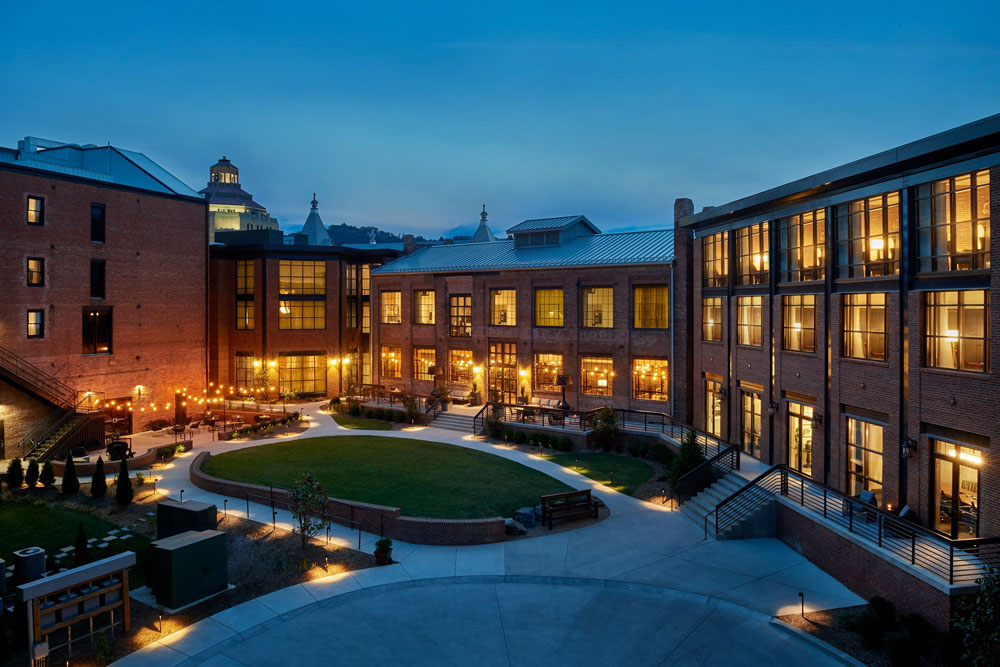
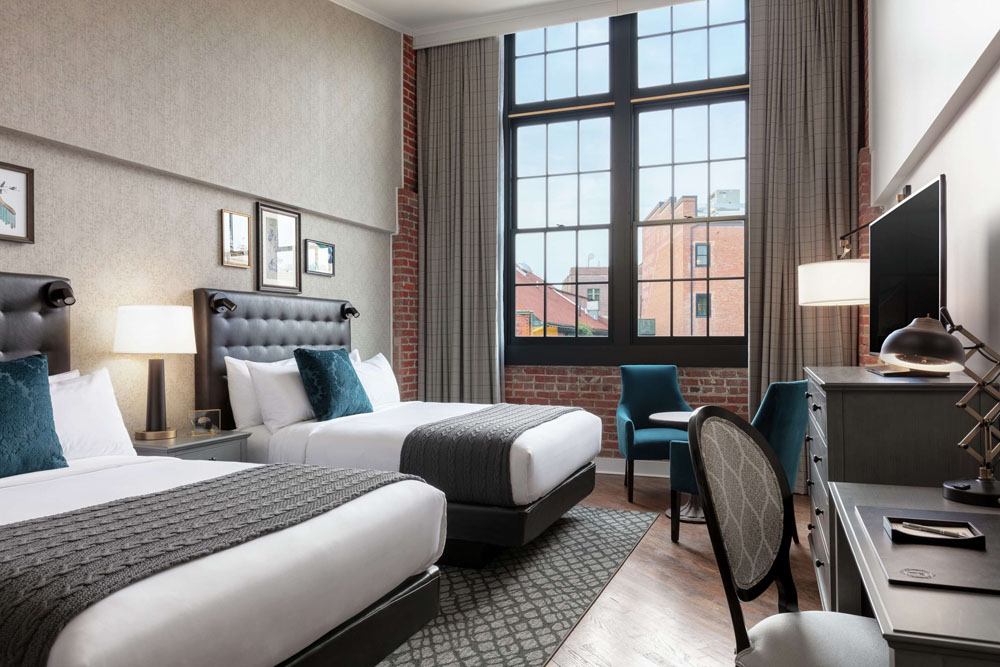
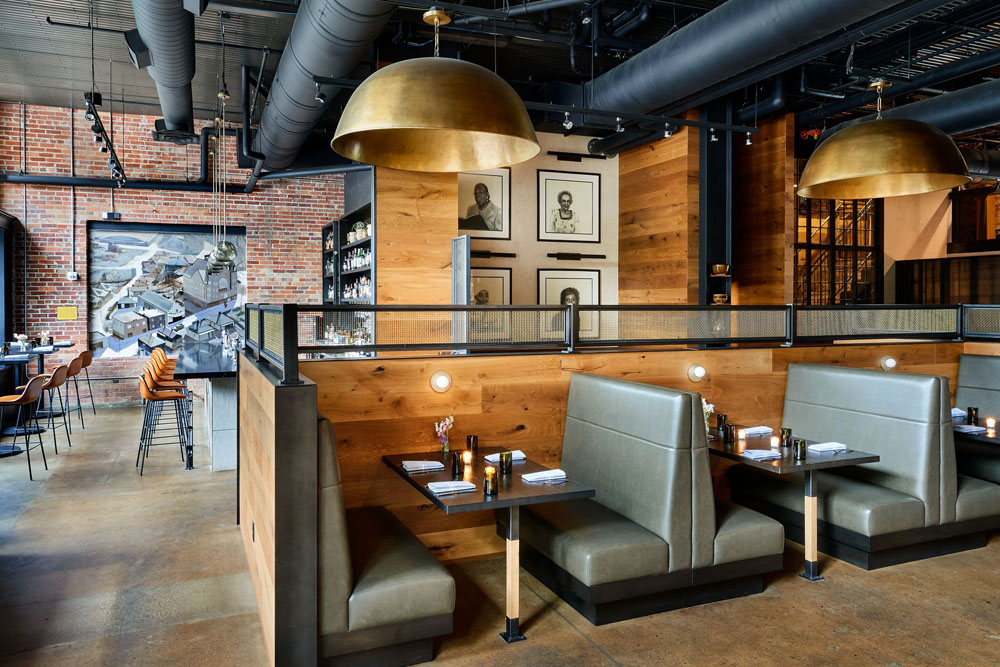
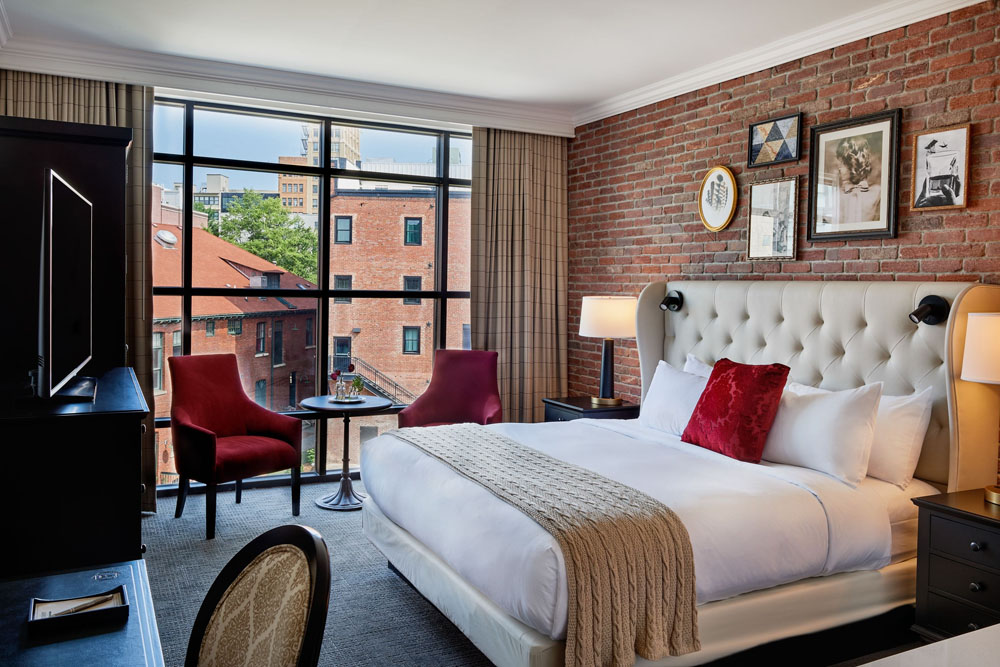
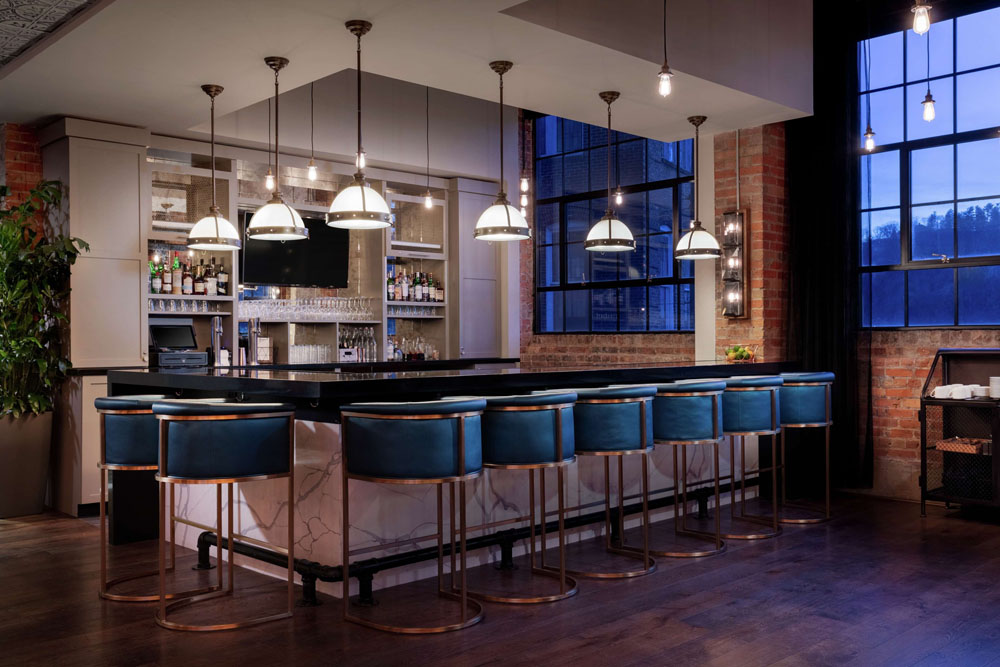
Asheville has one of the most architecturally coherent downtowns in the American South, a circumstance owed almost entirely to timing. The city boomed in the 1920s, attracted serious money from the Vanderbilts and their orbit, and then effectively froze when the Depression hit — leaving behind an unusually intact collection of Art Deco commercial buildings that nobody got around to demolishing. The result is a walkable core where the terra cotta ornament and geometric brickwork of the 1920s read as a continuous design statement rather than isolated preservation victories. That built environment sets a particular tone: materiality matters here in a way that isn't always true of smaller American cities, and travelers who pay attention to surfaces and structures tend to leave with more than they expected. The Block, Asheville's historically Black business district just east of downtown, is where that architectural attentiveness finds its most purposeful contemporary expression. The Foundry Hotel occupies a former industrial complex on Foundry Street, its name drawn directly from its working-class past. The building's conversion retained the heavy timber framing and exposed brick that defined its original function, and the interior design carries that industrial honesty through without aestheticizing it into mere decoration. Guest rooms maintain the structural rawness while introducing considered furnishings, and the hotel's restaurant, Benne on Eagle, occupies what was once the Eagle and Phenix neighborhood's social heart — the food program is rooted in Appalachian and African American culinary traditions, which gives the whole property a cultural grounding unusual in adaptive reuse hospitality. Staying on The Block rather than in the denser Arts District to the west is a deliberate choice, and the Foundry rewards it. The neighborhood has a quieter texture than the gallery-and-cocktail-bar stretch of Lexington Avenue, and the hotel sits at the intersection of Asheville's architectural legacy and a more complicated civic history that most visitors skip over entirely. For a traveler whose interest in a place extends to how buildings accumulate meaning over time — what gets built, what gets preserved, and for whom — the Foundry is not simply the most design-credible option in the city. It is, at this point, the most honest argument for why Asheville deserves serious attention in the first place.