Best hotels in Great Smoky Mountains (NC) | Visually Compare Top Stays Side-by-Side
Welcome to PressBeyond - a curated visual guide to design-driven hotels and the fastest way to compare them.
An Overview of the Boutique & Luxury Hotel Landscape in Great Smoky Mountains (NC)
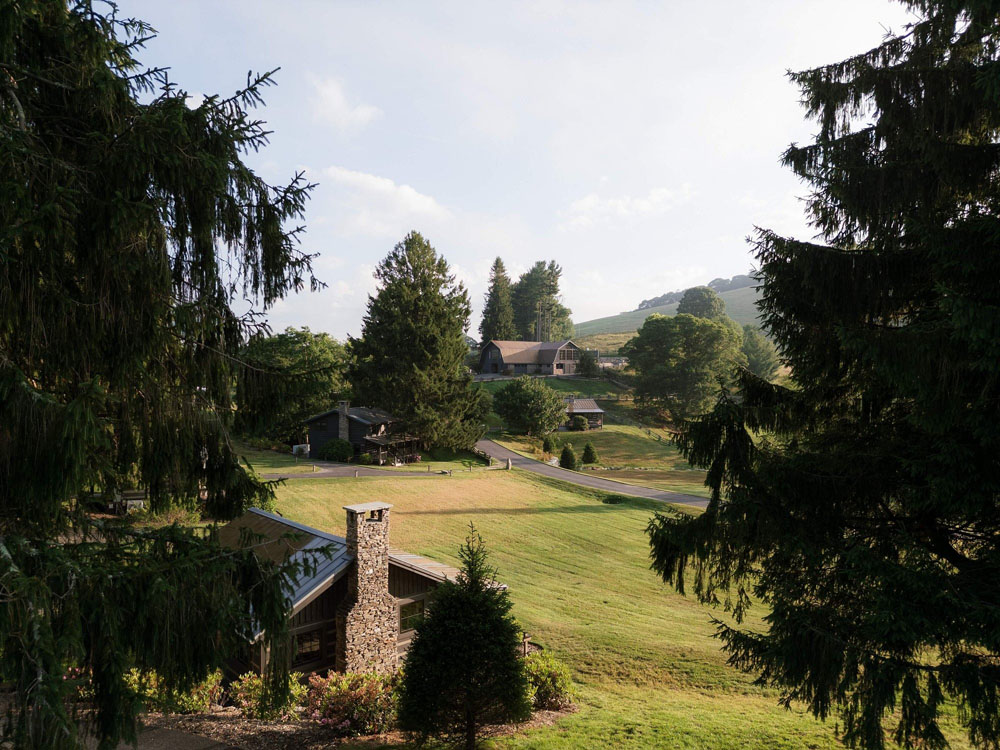
The western North Carolina highlands operate by a different sense of time. The Blue Ridge Parkway curves through elevations above four thousand feet, and the Great Smoky Mountains National Park sits at the eastern edge of a chain of working valleys where cattle ranches and second-growth forest have coexisted for generations. It is not resort country in any conventional sense. The architecture here has always been functional before decorative, shaped by timber framing, stone foundation, and the practical need to survive winters at altitude. What makes the two properties on this platform worth understanding is that both work within that vernacular rather than against it, and both sit at price points that reflect genuine remoteness and genuine rarity.
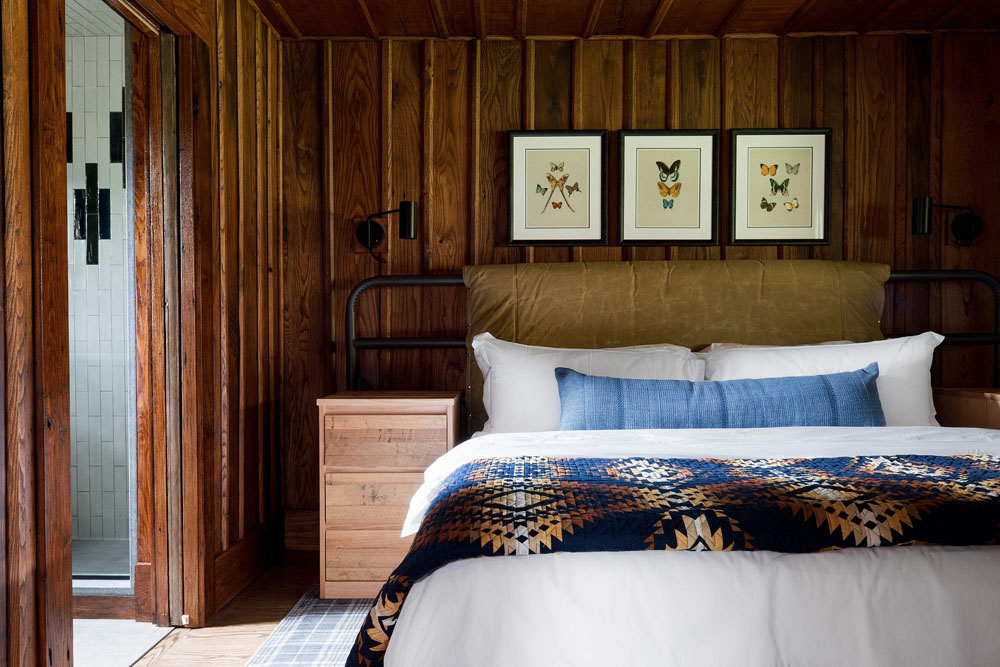
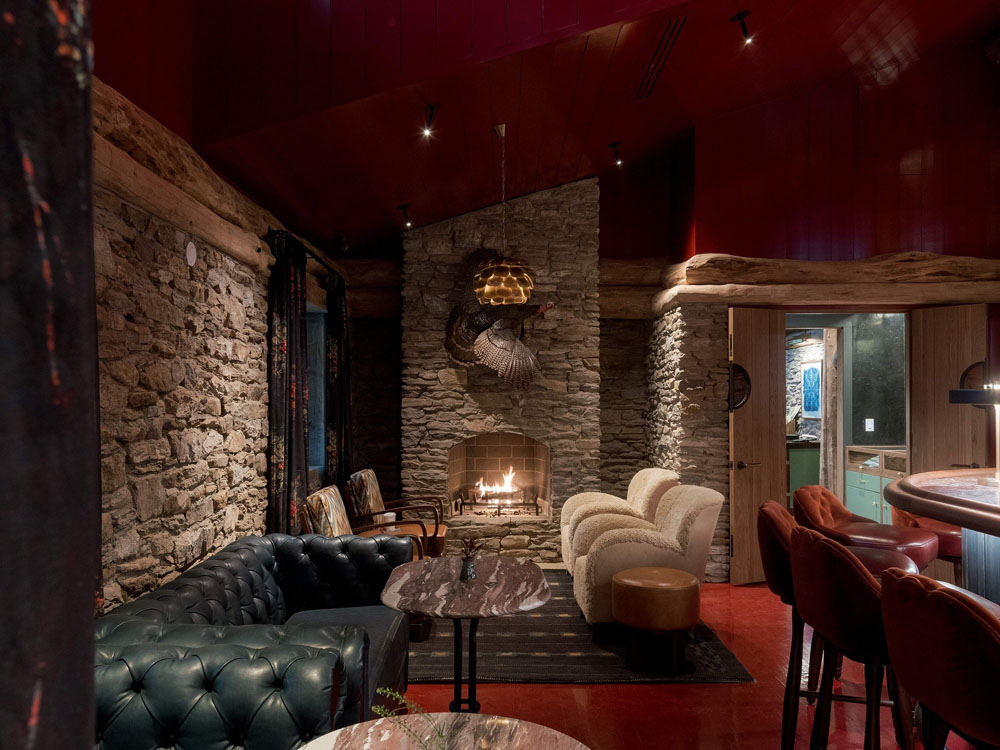
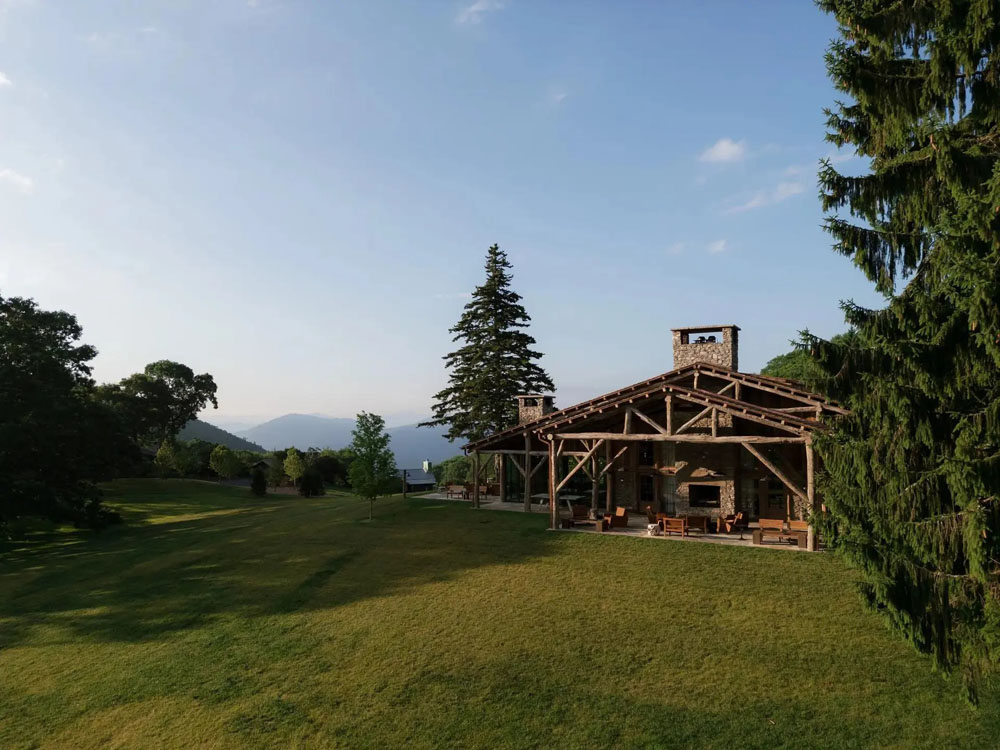
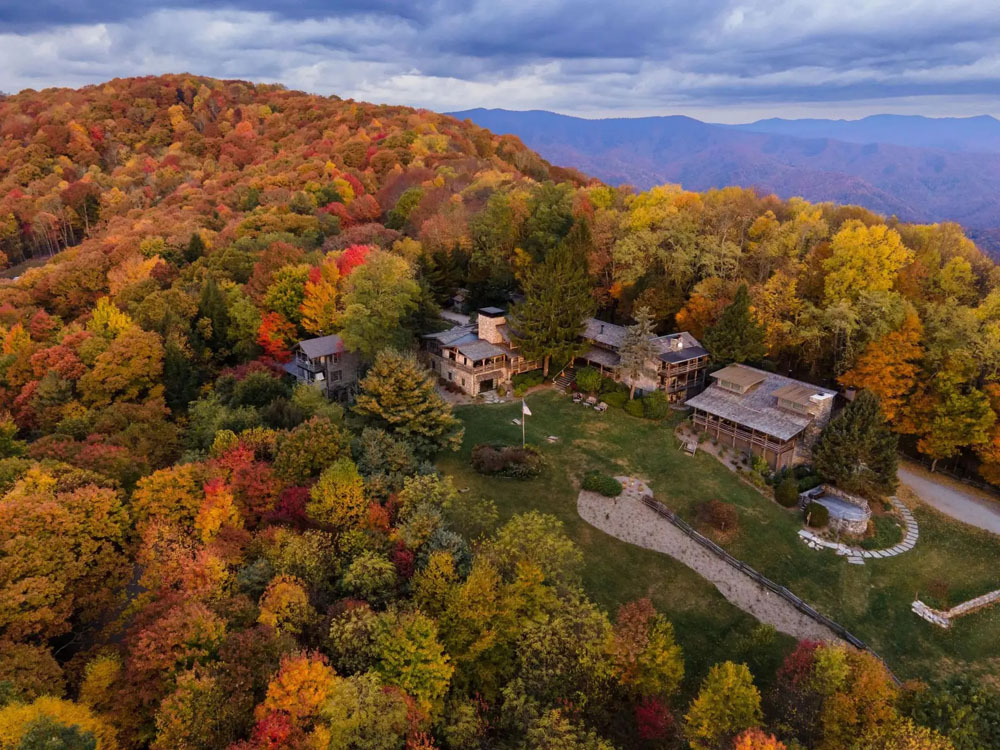
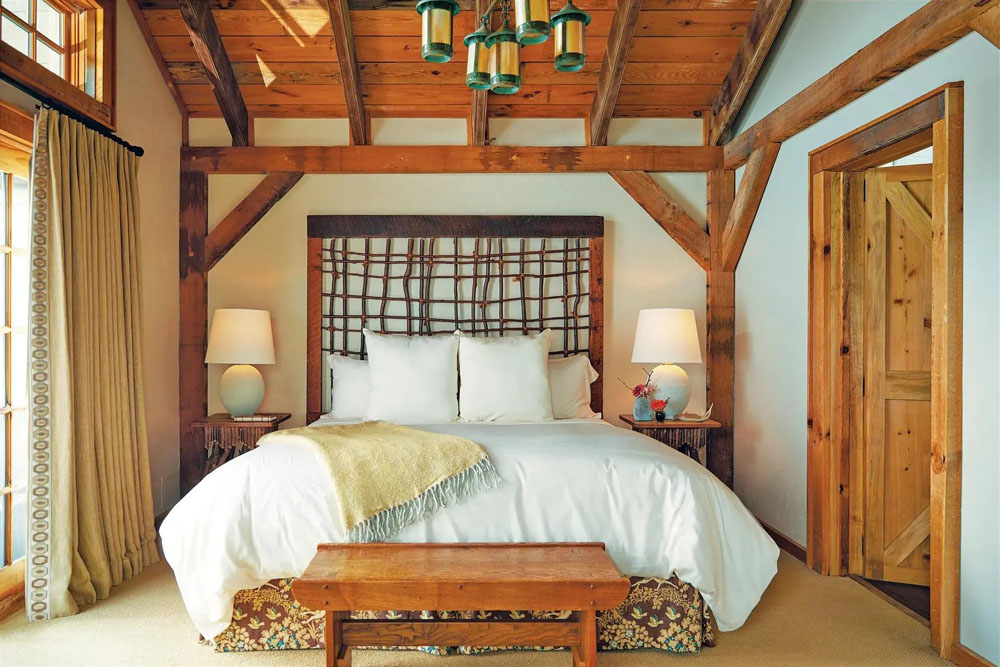
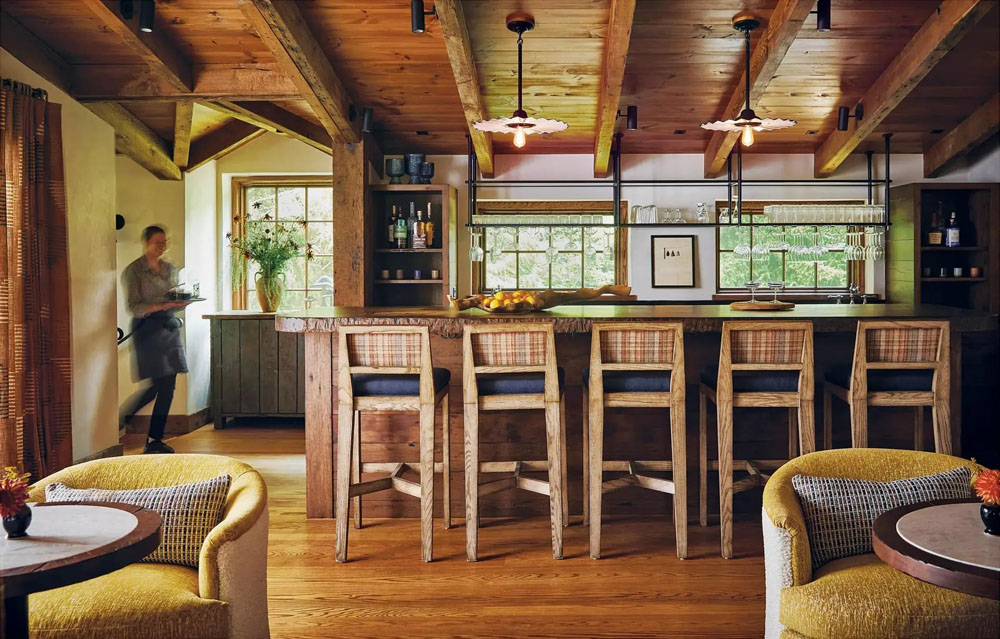
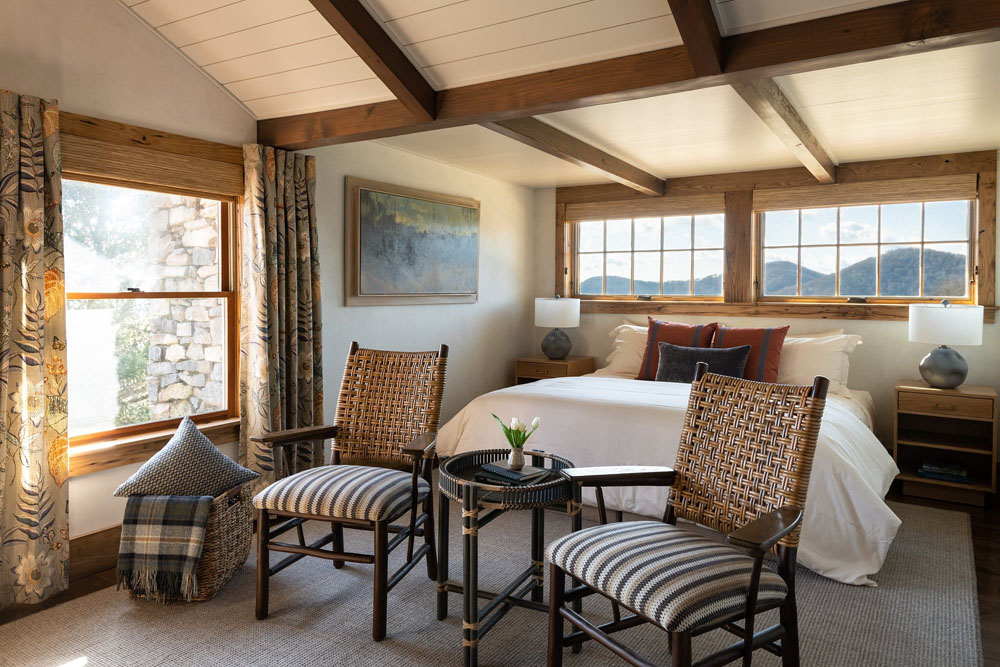
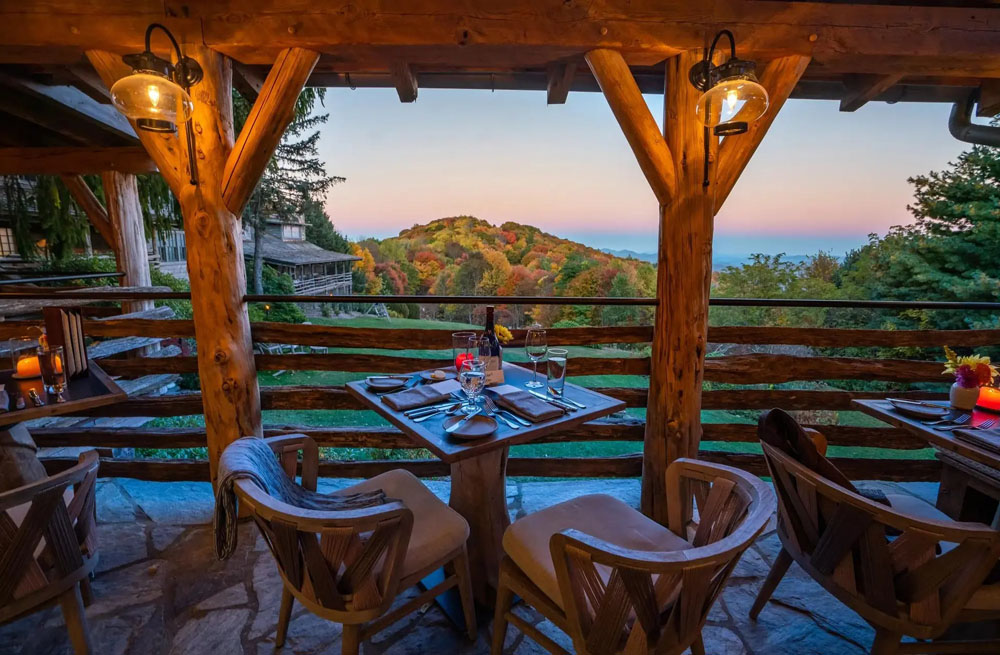
Cataloochee Ranch in Maggie Valley has operated as a mountain ranch since 1939, and its identity rests on continuity rather than renovation theater. The property sits at five thousand feet, with cabins and lodge rooms that reference Appalachian building materials honestly, unfinished wood, stone fireplaces, covered porches oriented toward the ridgeline. At around $750 a night it is not asking you to pay for novelty. The Swag, positioned at the end of a private road on a Cataloochee ridge that shares a boundary fence with the national park itself, is a different proposition but a related one. Dan and Deener Matthews built it in the 1970s from salvaged Appalachian structures, including a church, a corn crib, and a log cabin, reassembled into something that reads as both archival and deeply inhabitable. At $900 a night it is among the more expensive small properties in the South, and the price reflects access as much as accommodation: there is no phone signal, no down-the-road alternative, and the park boundary begins where the garden ends.
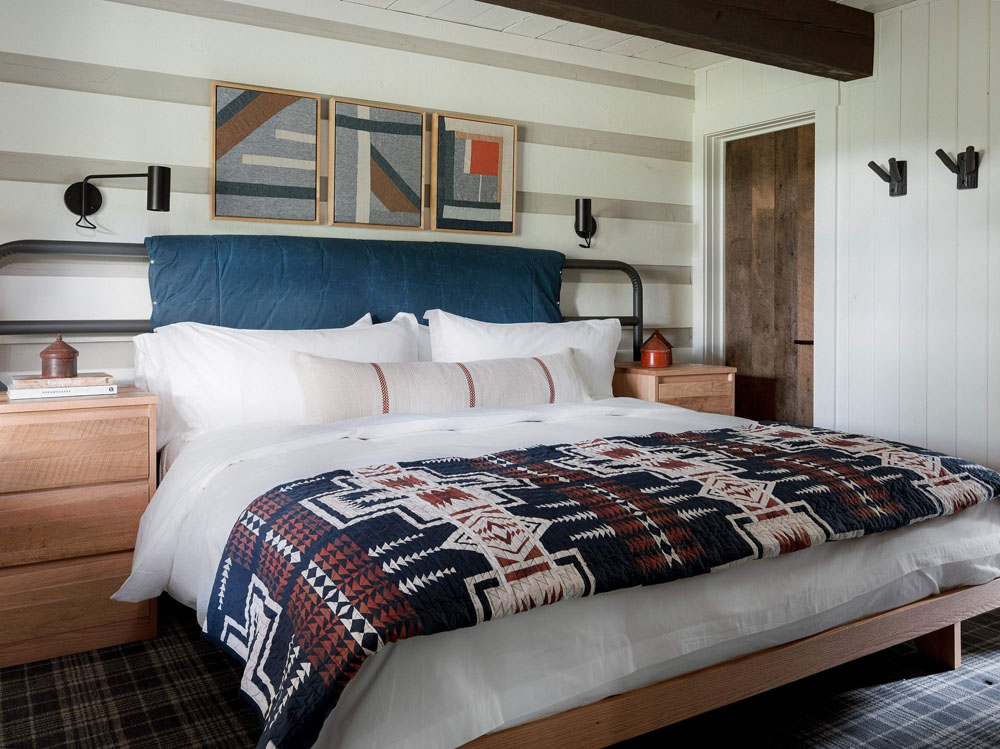
Anyone drawn to landscapes first and interiors second will feel the rightness of both properties immediately. They share a commitment to materiality that predates the current fashion for reclaimed timber and textured plaster, because that commitment was never fashionable here, only necessary. The choice between them is essentially a choice of scale and mood. Cataloochee Ranch carries the sociable weight of a working ranch with a long guest history. The Swag is smaller, more private, and more architecturally specific in its provenance. Both ask you to come for the elevation and stay for the silence, which in this part of Appalachia is still genuinely available.