Best hotels in Tulsa | A Curated Visual Guide to Top Stays
Welcome to PressBeyond, the ultimate curated visual guide for design-driven hotels! My name is Will Miller and these are my recommendations for the best boutique and luxury hotels in Tulsa.
I am the founder of PressBeyond and I am an ultra-meticulous hotel curator who loves clean visuals. I have individually analyzed and tiered each hotel included in this guide based on a variety of criteria (architecture & design, location, brand & brand affiliation, existing reviews, and my own personal experiences), and importantly, I have hand-selected the leading imagery for each hotel to provide you with easily-digestible, yet detailed and complete, like-for-like, high-level visual profiles. I felt this summarization step was a critical missing piece across existing guides, blogs, and booking platforms. My aim is to make it easier for people to identify hotel environments that resonate with them, along with enabling them to visualize the types of social experiences that those environments help foster. My brain doesn't work when exposed to cluttered content, so my goal was to create the opposite.
Underneath this, we are also a full booking engine offering 5% Venmo cash back along with other exclusive perks. For all of you design-obsessed hotel enthusiasts out there, I hope this guide helps get you to where you see yourself!
An Overview of the Boutique & Luxury Hotel Landscape in Tulsa
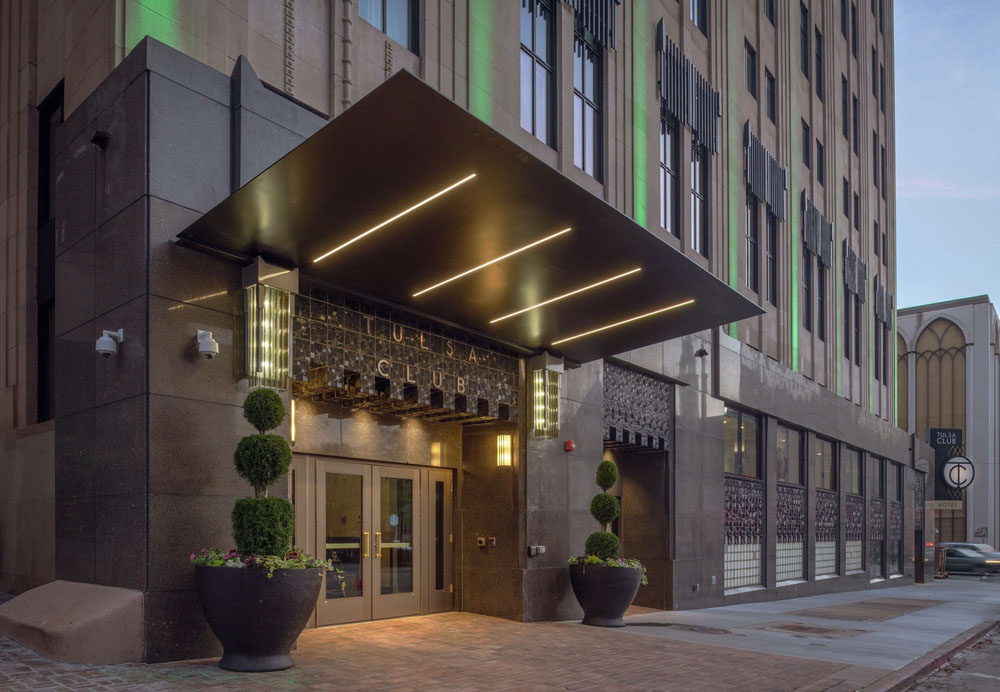
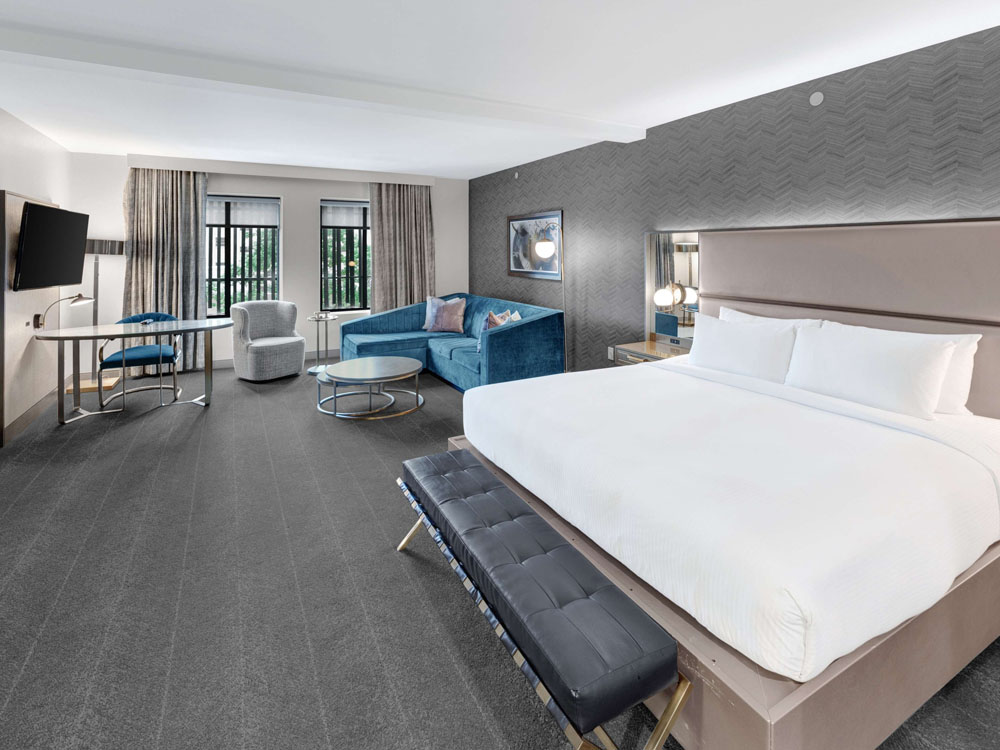
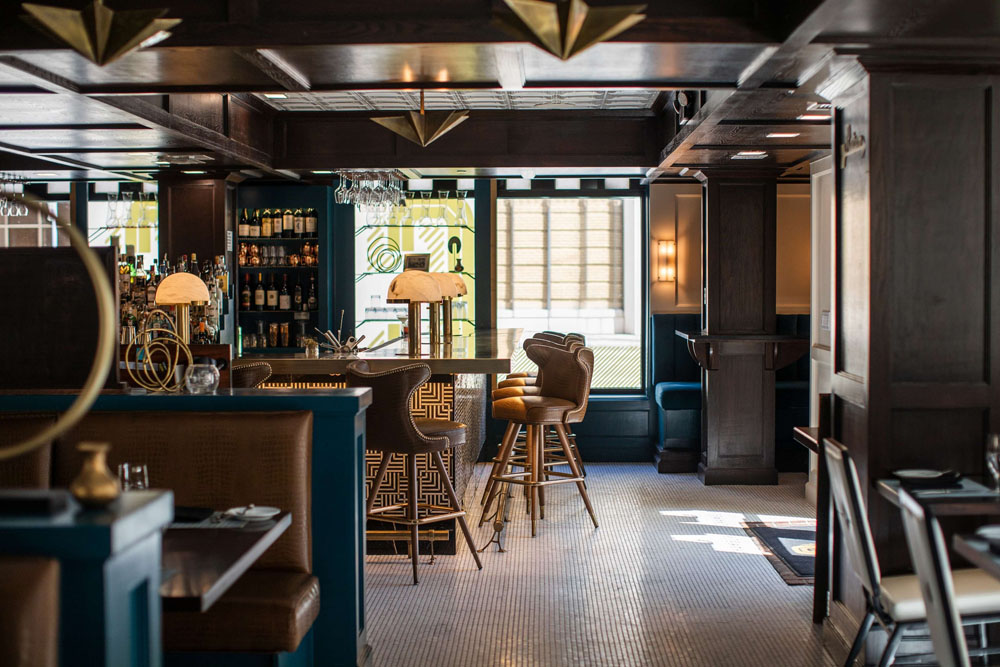
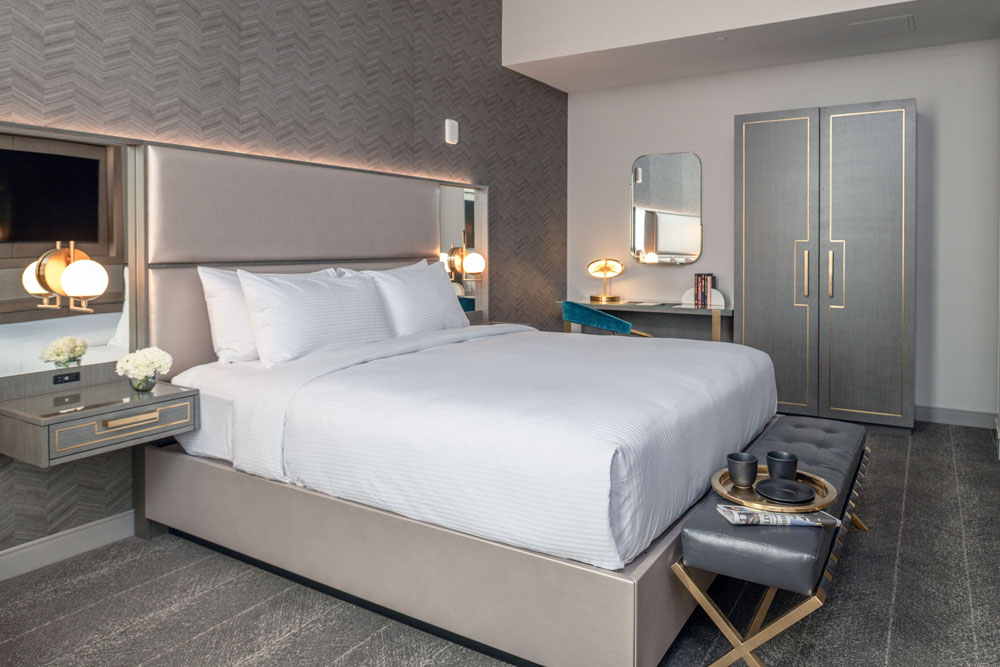
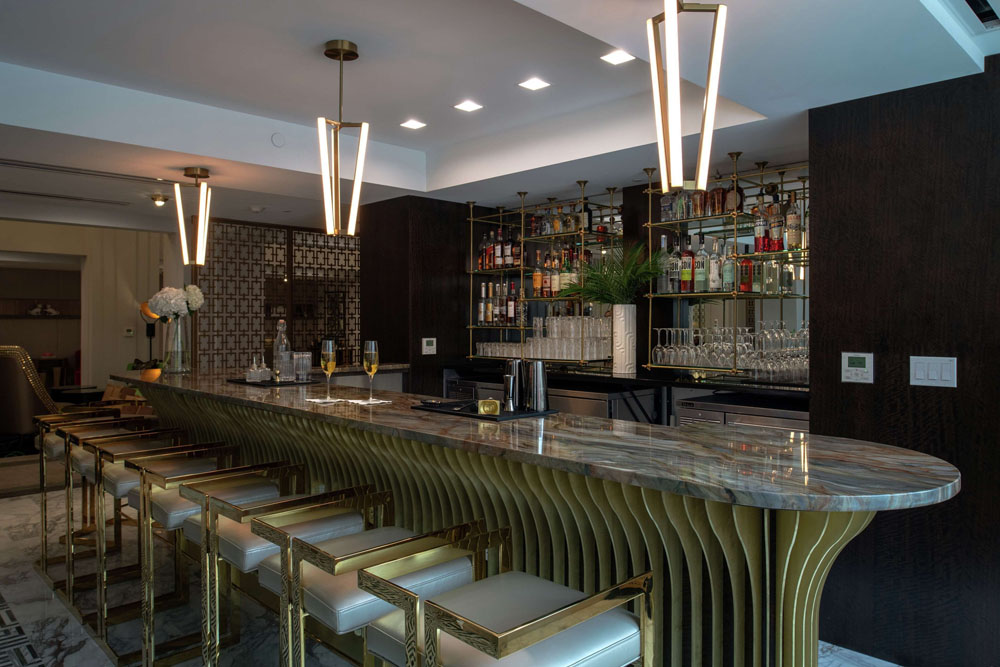
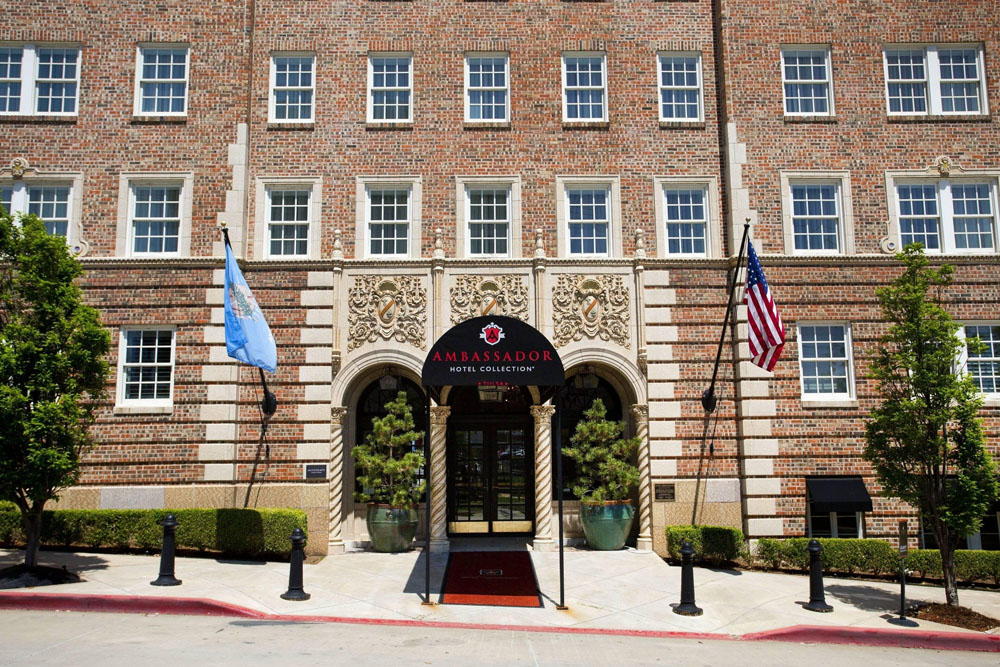
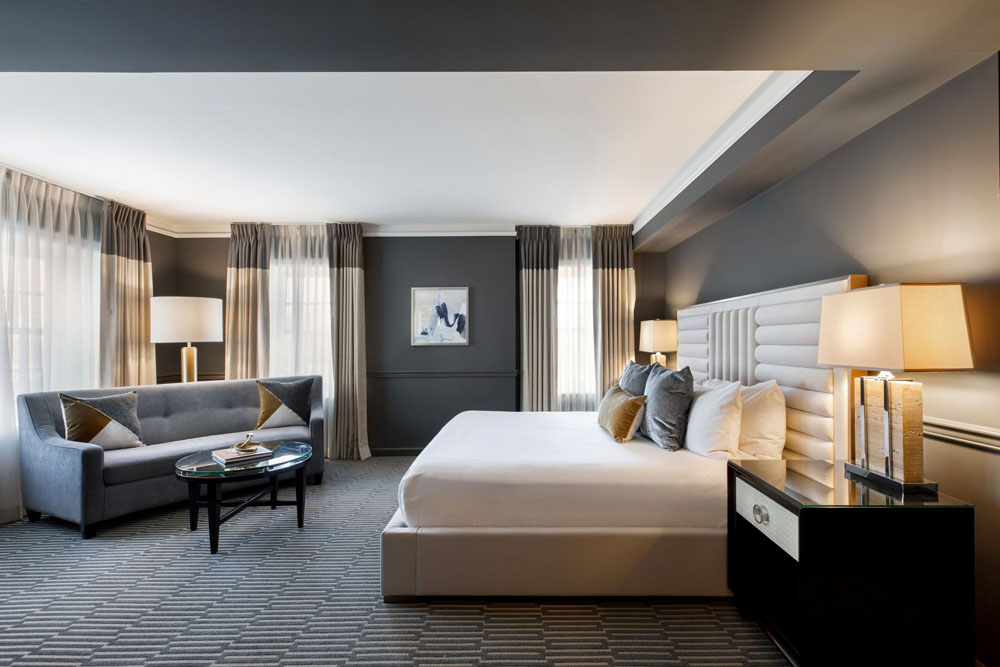
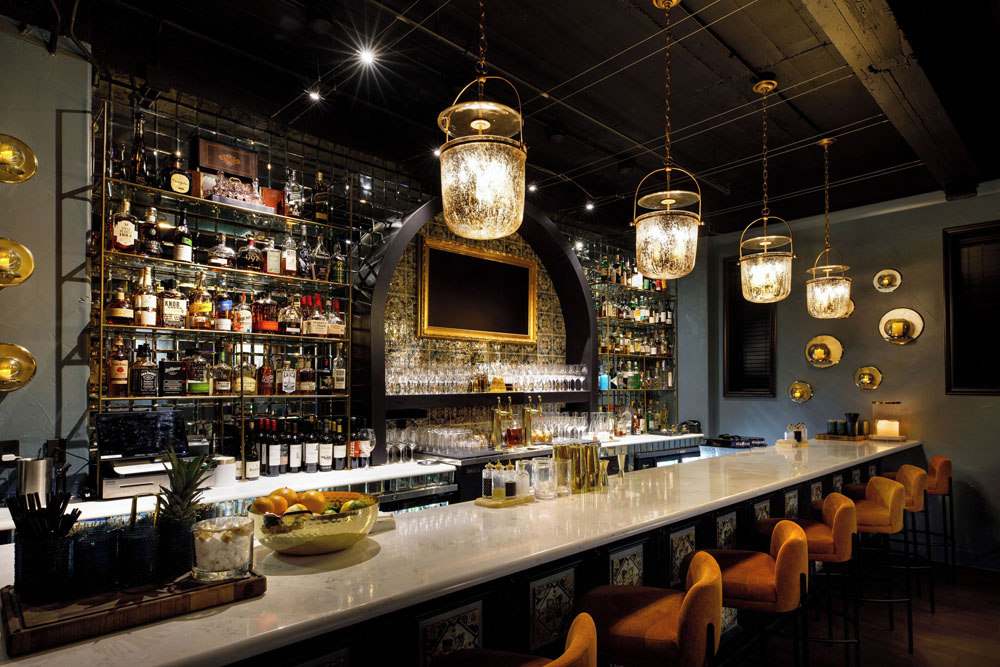
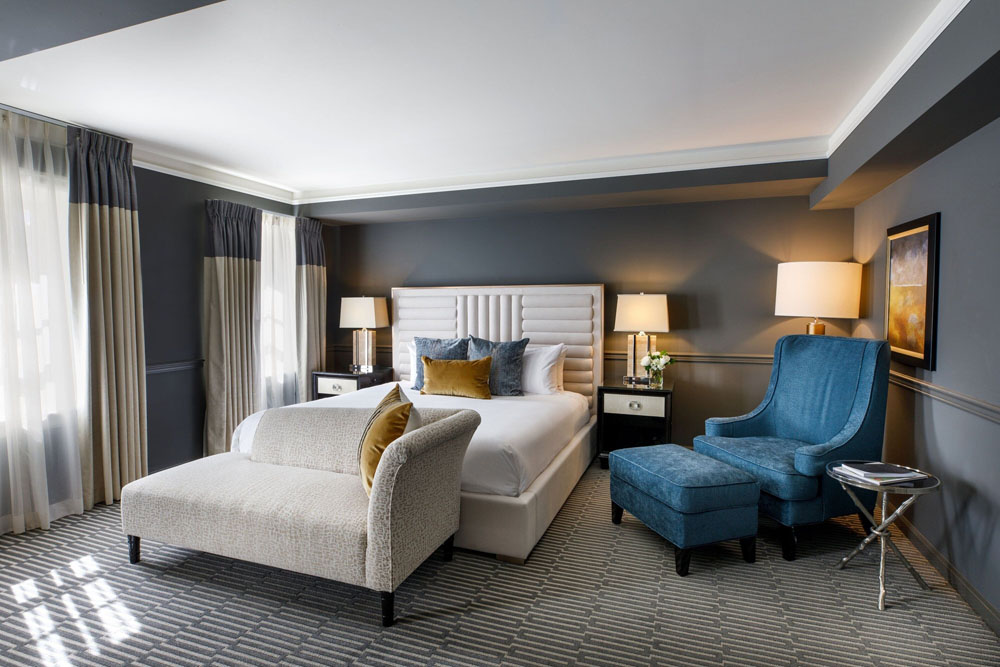
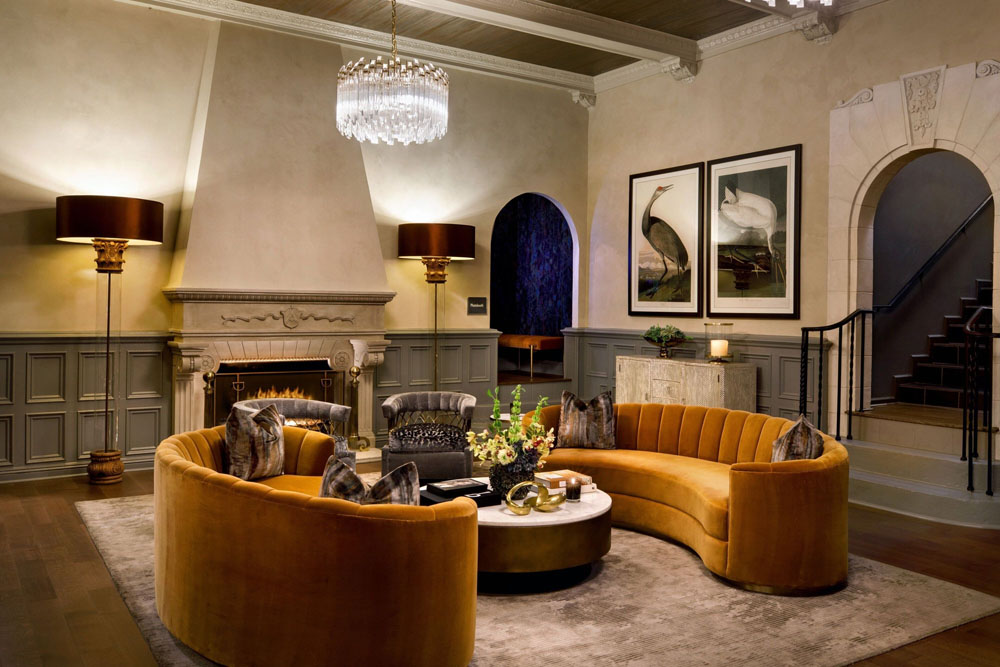
Tulsa built its identity in oil money and Art Deco ambition, and the residue of both is still legible in the bones of downtown. The city holds one of the most concentrated collections of Deco commercial architecture in the country — a fact that surprises visitors who arrive expecting the generic midcentury sprawl of the American interior. The Tulsa Club Hotel, occupying a 1927 building in what the city now calls the Deco District, is the most direct entry point into that history. Originally a private social club for the city's petroleum aristocracy, the building was restored and opened as a Curio Collection property, and its public spaces retain the geometry and material richness that made Tulsa's downtown a minor monument of the style. At $158 a night it represents genuine architectural value — a chance to sleep inside a building that would have been celebrated in any American city of comparable ambition. The Ambassador Hotel operates at a different register entirely. Situated in Riverview, a quieter residential corridor west of downtown near the Arkansas River, the Autograph Collection property occupies a 1929 building with its own heritage weight, originally constructed as a luxury apartment tower. The restoration here leans toward a certain decorative richness — deep color, considered detail — that suits a traveler looking for something more intimate than the civic grandeur of the Tulsa Club. At $574 per night it is a genuine splurge for this market, and the price requires that the experience justify it not through scale but through atmosphere and service. For those arriving for a wedding, an extended cultural visit, or simply unwilling to compromise on the quality of a room, the Ambassador delivers a level of considered hospitality rare in a city this size. What these two properties share is a commitment to Tulsa's pre-war built fabric at a moment when most American cities were tearing theirs down. The design-conscious traveler would do well to treat either stay as a starting point for exploring the broader Deco corridor — the Philtower, the Boston Avenue Methodist Church, the Philcade — rather than simply a place to deposit luggage. Tulsa rewards the pedestrian willing to look up, and both hotels position a guest within easy reach of the architecture that makes the city worth visiting in the first place.