Best hotels in Puerto Rico | A Curated Visual Guide to Top Stays
Welcome to PressBeyond, the ultimate curated visual guide for design-driven hotels! My name is Will Miller and these are my recommendations for the best boutique and luxury hotels in Puerto Rico.
I am the founder of PressBeyond and I am an ultra-meticulous hotel curator who loves clean visuals. I have individually analyzed and tiered each hotel included in this guide based on a variety of criteria (architecture & design, location, brand & brand affiliation, existing reviews, and my own personal experiences), and importantly, I have hand-selected the leading imagery for each hotel to provide you with easily-digestible, yet detailed and complete, like-for-like, high-level visual profiles. I felt this summarization step was a critical missing piece across existing guides, blogs, and booking platforms. My aim is to make it easier for people to identify hotel environments that resonate with them, along with enabling them to visualize the types of social experiences that those environments help foster. My brain doesn't work when exposed to cluttered content, so my goal was to create the opposite.
Underneath this, we are also a full booking engine offering 5% Venmo cash back along with other exclusive perks. For all of you design-obsessed hotel enthusiasts out there, I hope this guide helps get you to where you see yourself!
An Overview of the Boutique & Luxury Hotel Landscape in Puerto Rico
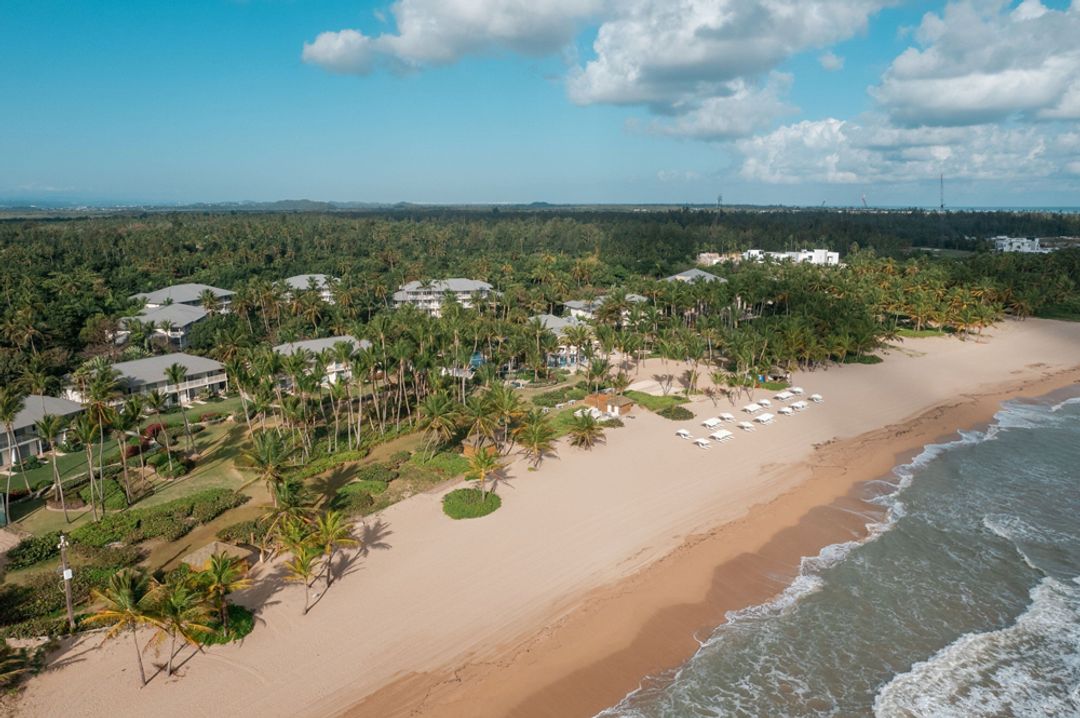
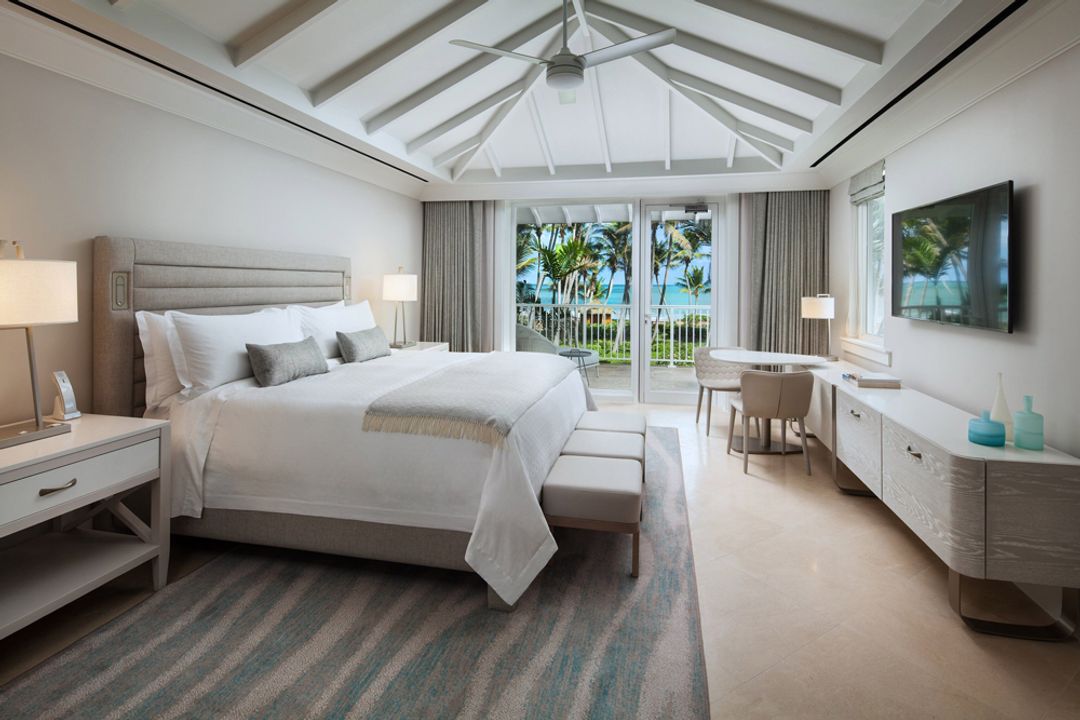
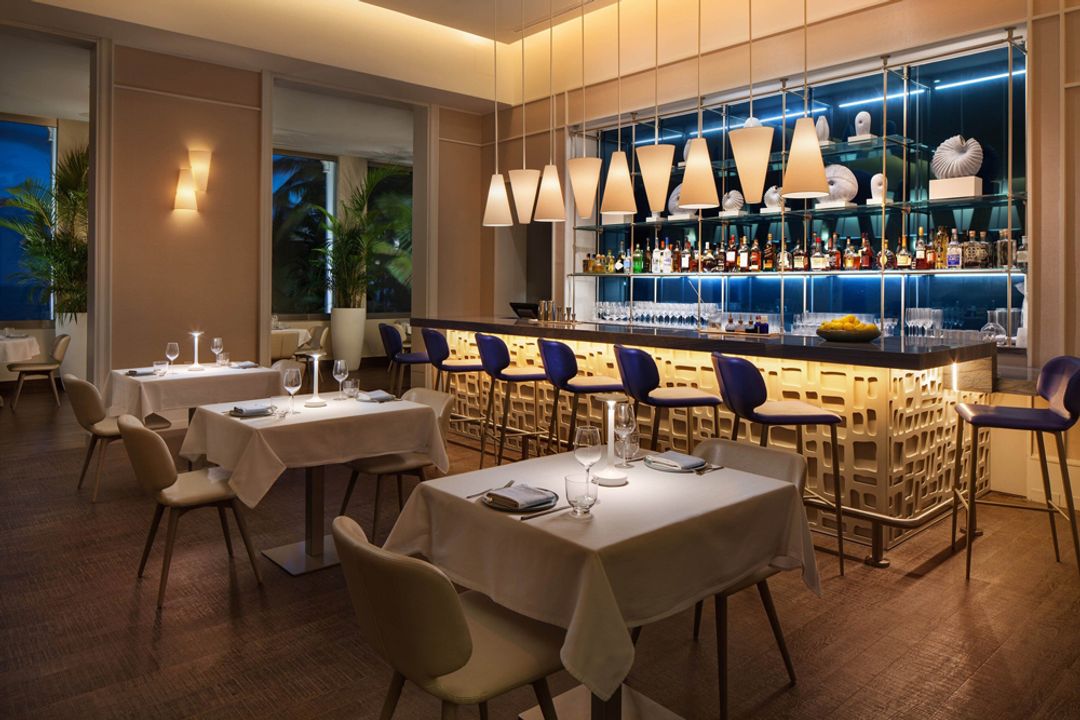
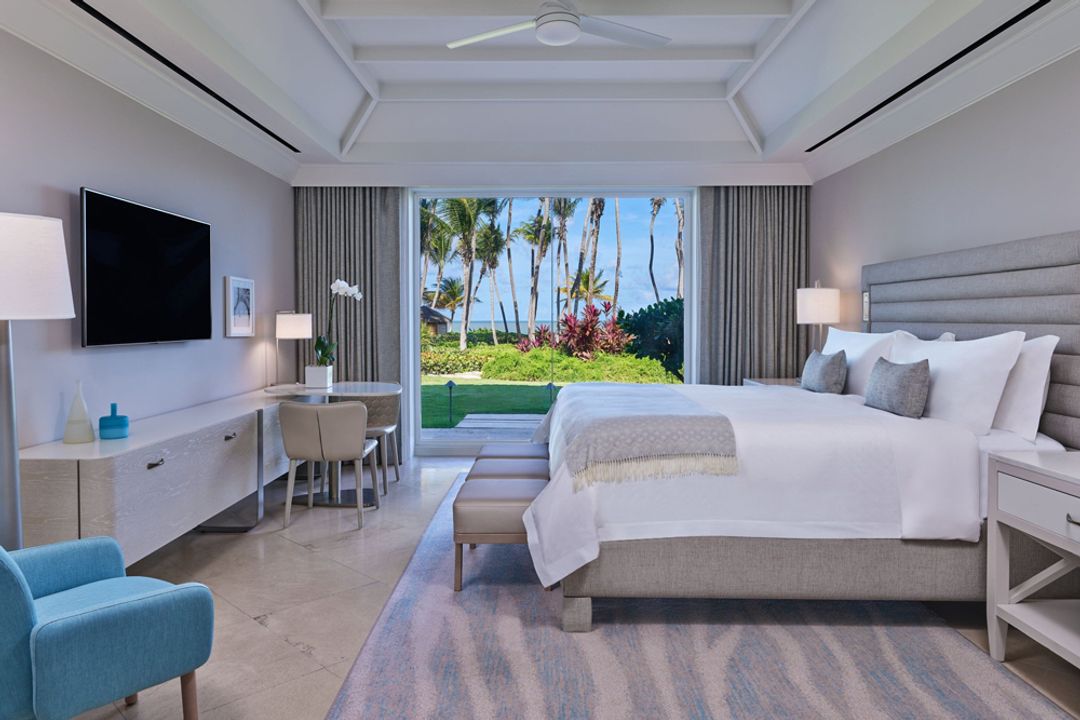
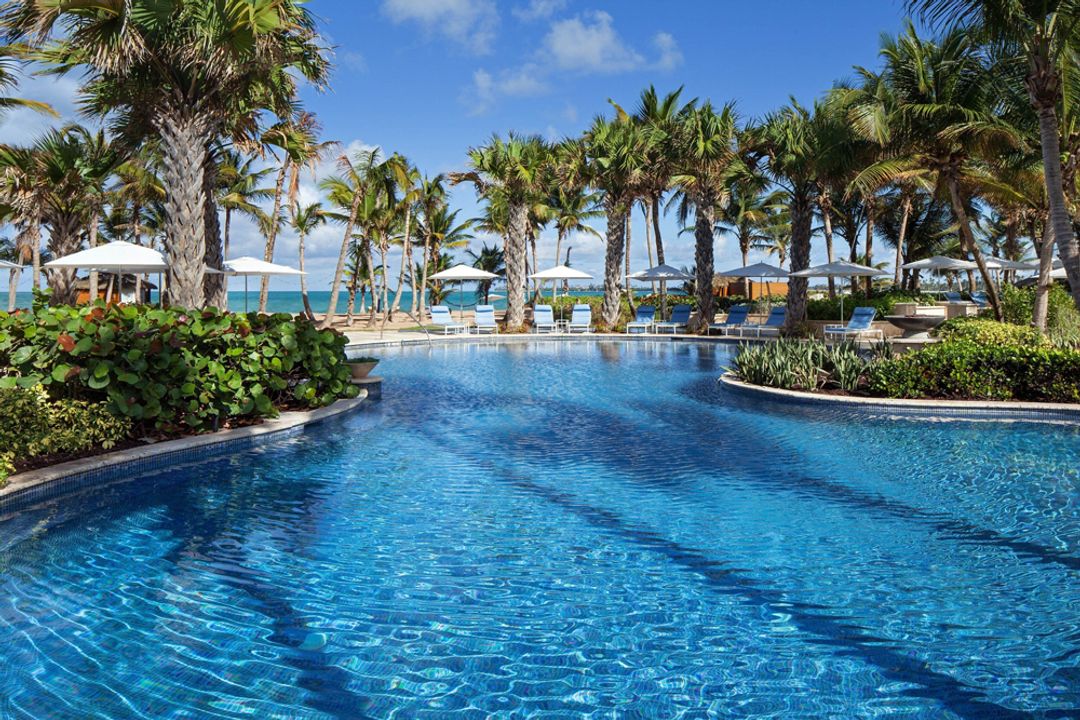
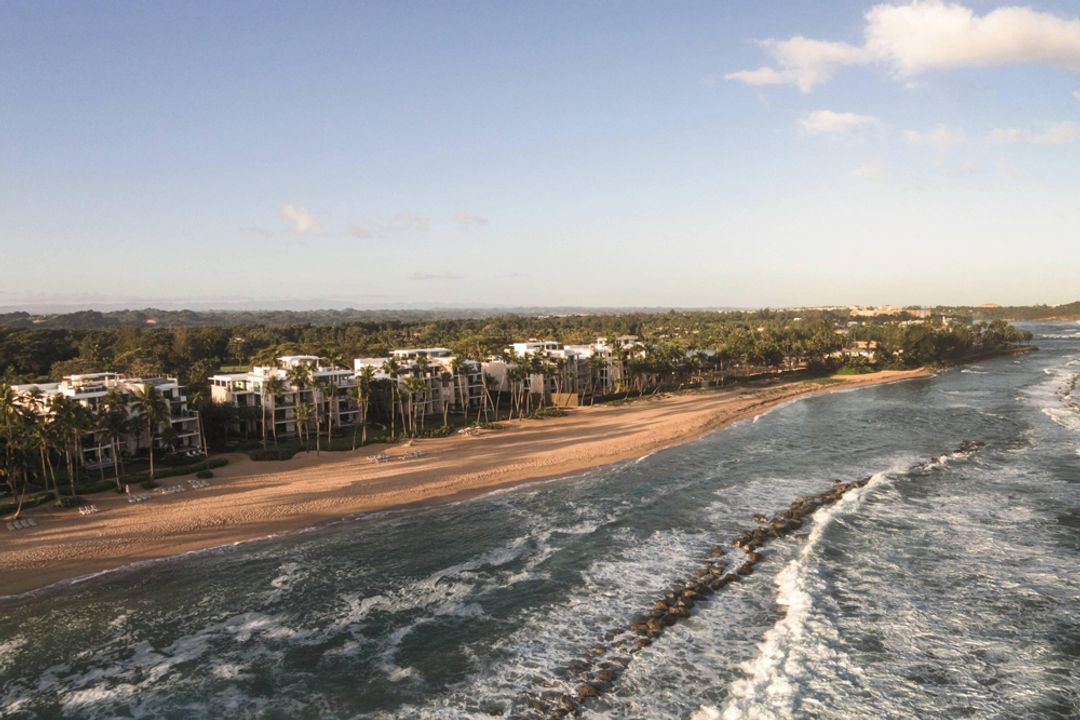
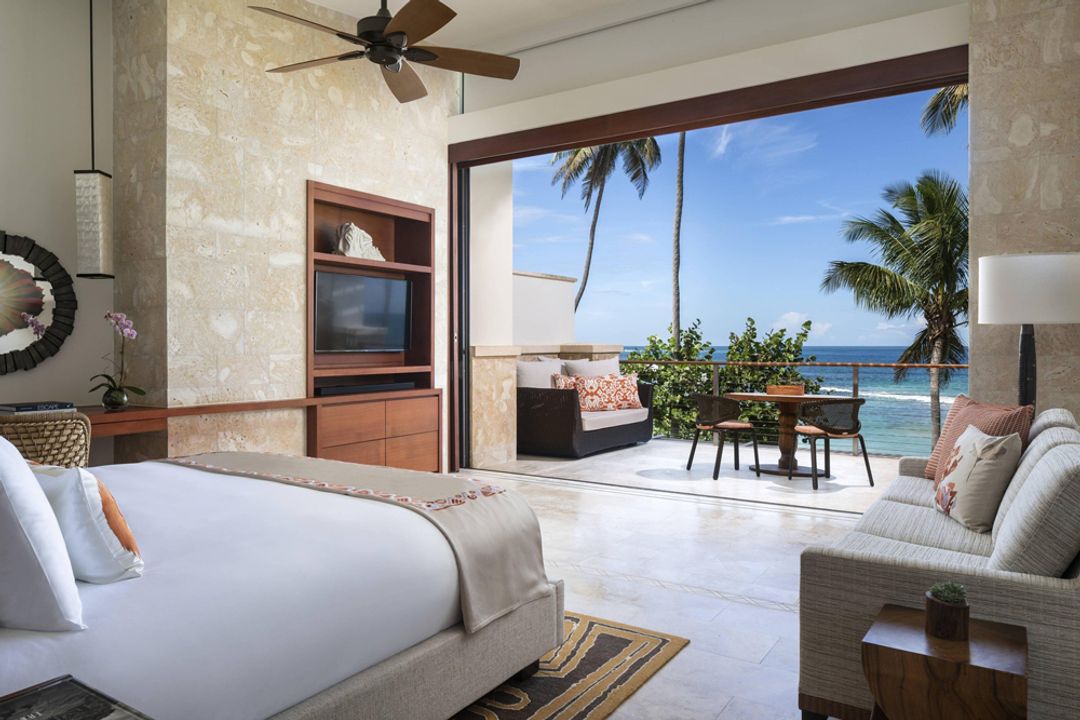
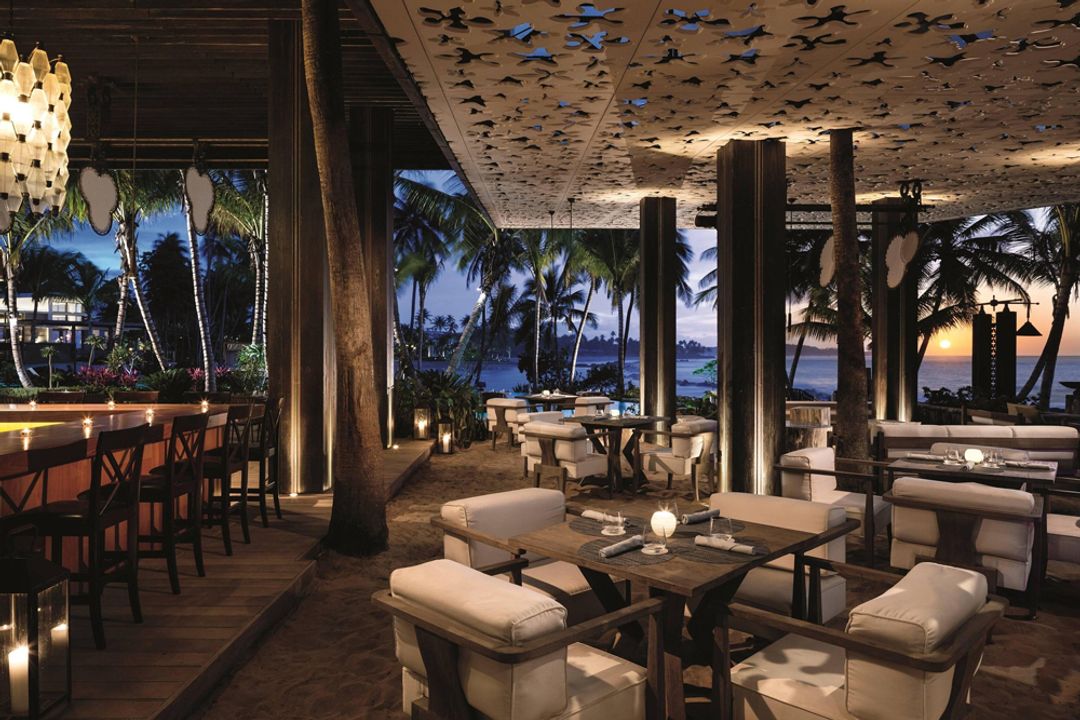
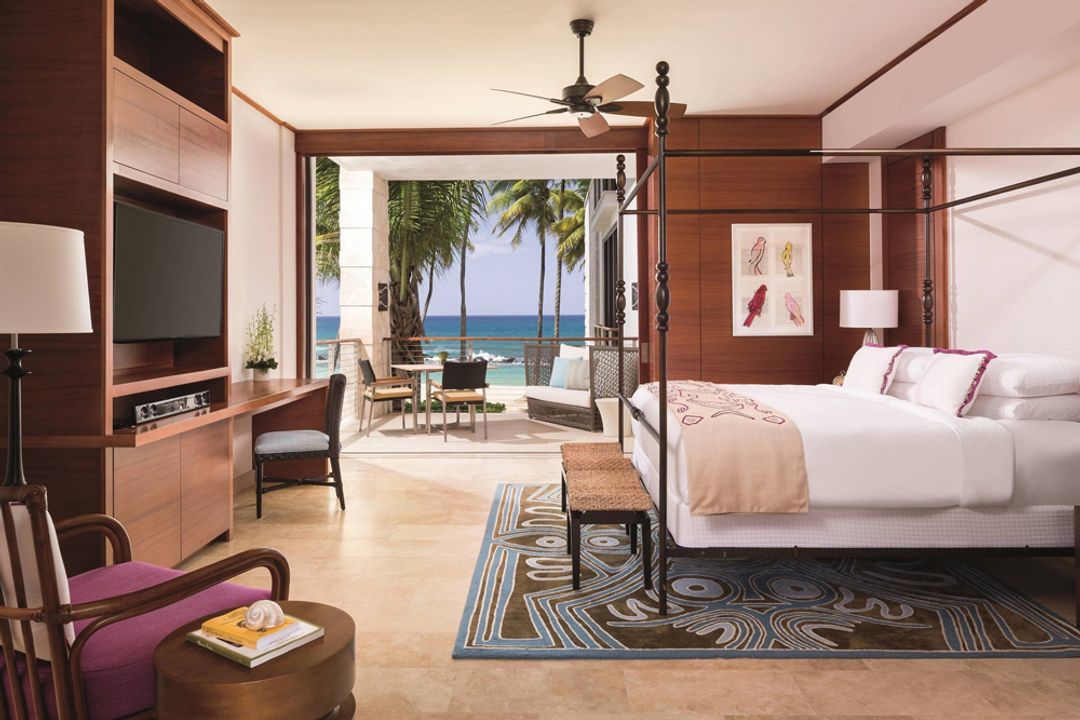
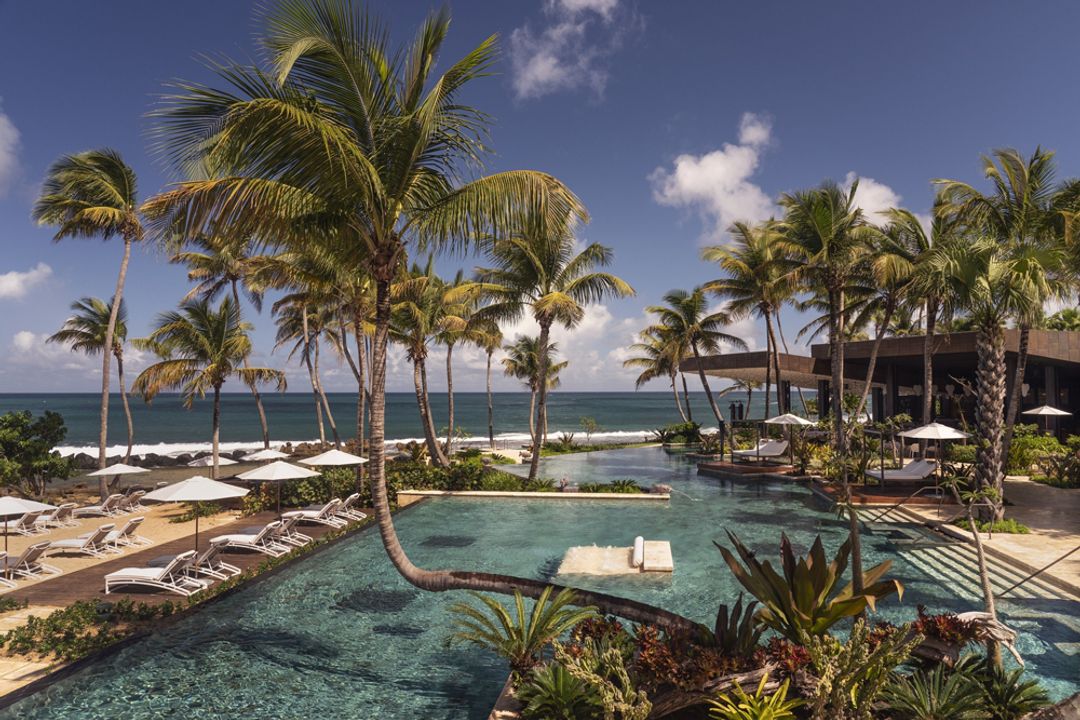
Puerto Rico's most considered hospitality sits not in San Juan's colonial core but along the island's northern coast, where two properties have established themselves as the definitive arguments for staying outside the capital entirely. Both occupy coastal land of exceptional ecological sensitivity — mangroves, wetlands, beach forest — and both are defined as much by their relationship to landscape as by their interior ambition. The tension between enclosure and openness, between designed comfort and something closer to habitat, runs through each address in different ways. Dorado Beach, a Ritz-Carlton Reserve, occupies the former Laurance Rockefeller resort estate west of San Juan — land that Rockefeller developed in the 1950s as a pioneer of what he called conservation through tourism. That inheritance is felt everywhere: in the scale of the property, in the density of the surrounding vegetation, in the deliberate restraint of built footprint relative to grounds. The Reserve designation within the Ritz-Carlton portfolio signals a specific philosophy — fewer rooms, a higher ratio of staff to guests, and an expectation that guests will engage with the natural setting rather than retreat entirely from it. The historic resort structures have been carefully restored, and the overall design approach favors aged materials and local craft over the glossy newness that defines lesser resort work. At $1,592 a night on average, it is one of the most expensive addresses in the Caribbean, and the proposition is entirely about place rather than spectacle. The St. Regis Bahia Beach Resort, positioned within the Espíritu Santo River Estuary reserve on the island's northeastern coast, takes a somewhat different stance. The property was developed on a former coconut plantation and operates within a certified nature reserve, giving it a similar ecological seriousness, though the St. Regis brand identity introduces a more formal register — butler service, a stronger emphasis on interior polish, a resort club aesthetic that sits alongside rather than dissolving into the surrounding landscape. The design language draws on Caribbean residential architecture, with low-slung structures, broad overhangs, and natural material palettes that acknowledge the climate without overclaiming it. Together, these two properties represent a case that Puerto Rico's most architecturally coherent hospitality is coastal, conservation-adjacent, and deliberately removed from the density of San Juan — which makes them a particular kind of proposition for travelers who want the island with room to breathe.