Best hotels in Roanoke | A Curated Visual Guide to Top Stays
Welcome to PressBeyond, the ultimate curated visual guide for design-driven hotels! My name is Will Miller and this is my recommendation for the best boutique and luxury hotel in Roanoke.
I am the founder of PressBeyond and I am an ultra-meticulous hotel curator who loves clean visuals. I have individually analyzed and tiered the hotel included in this guide based on a variety of criteria (architecture & design, location, brand & brand affiliation, existing reviews, and my own personal experiences), and importantly, I have hand-selected the leading imagery for this hotel to provide you with easily-digestible, yet detailed and complete, like-for-like, high-level visual profiles. I felt this summarization step was a critical missing piece across existing guides, blogs, and booking platforms. My aim is to make it easier for people to identify hotel environments that resonate with them, along with enabling them to visualize the types of social experiences that those environments help foster. My brain doesn't work when exposed to cluttered content, so my goal was to create the opposite.
Underneath this, we are also a full booking engine offering 5% Venmo cash back along with other exclusive perks. For all of you design-obsessed hotel enthusiasts out there, I hope this guide helps get you to where you see yourself!
An Overview of the Boutique & Luxury Hotel Landscape in Roanoke
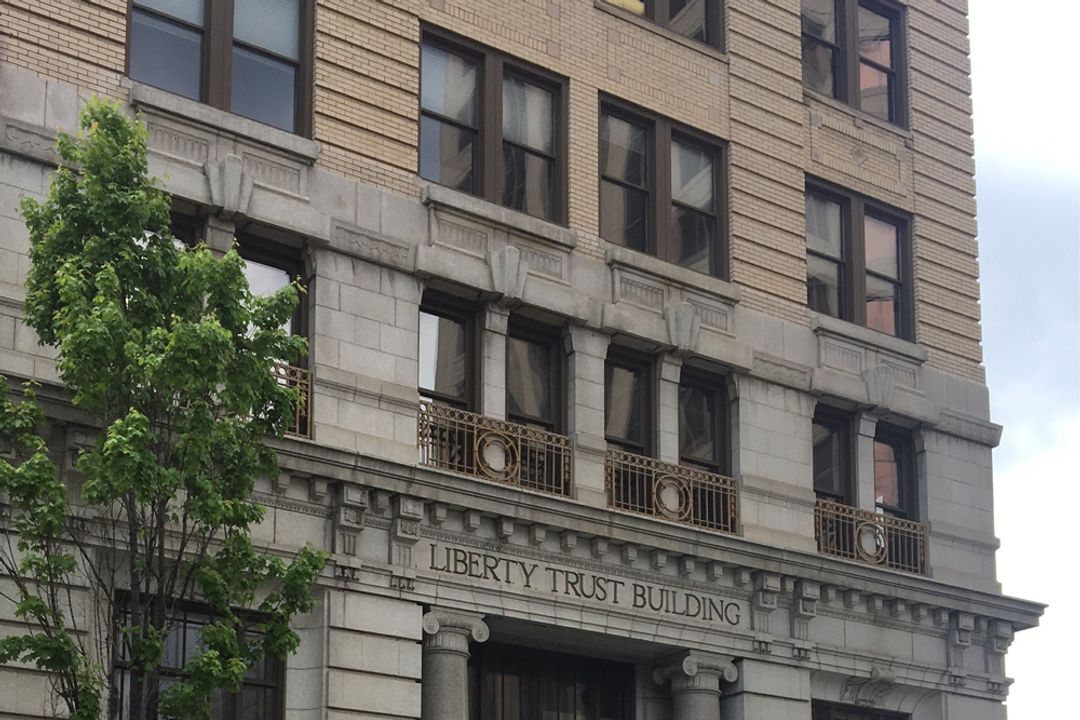
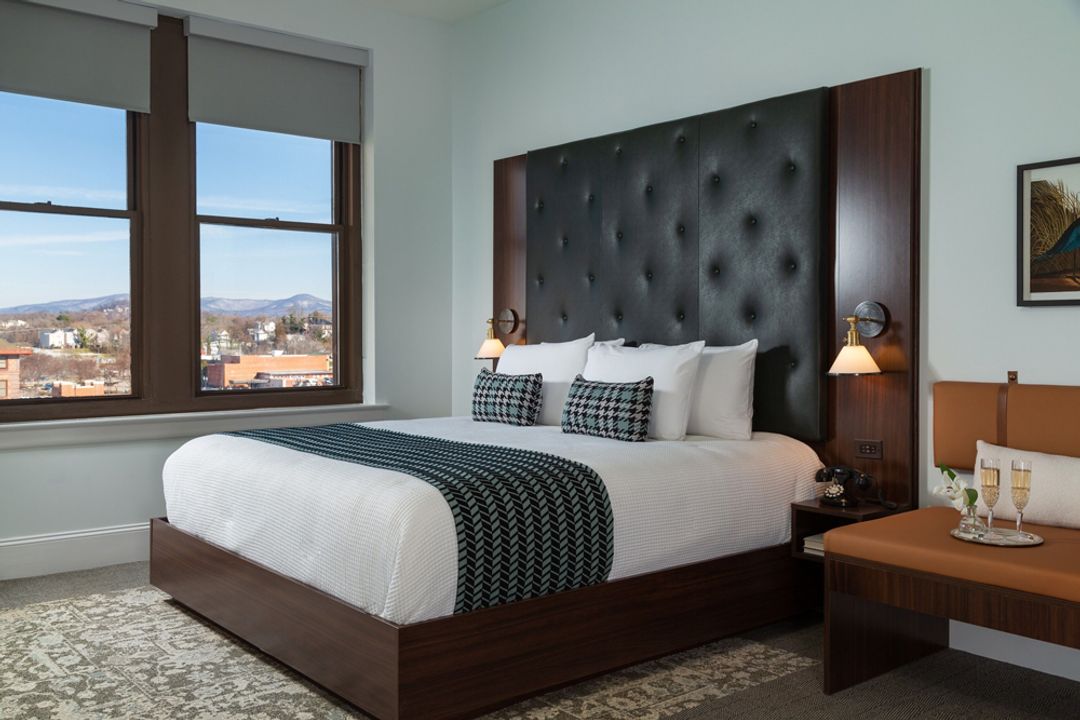
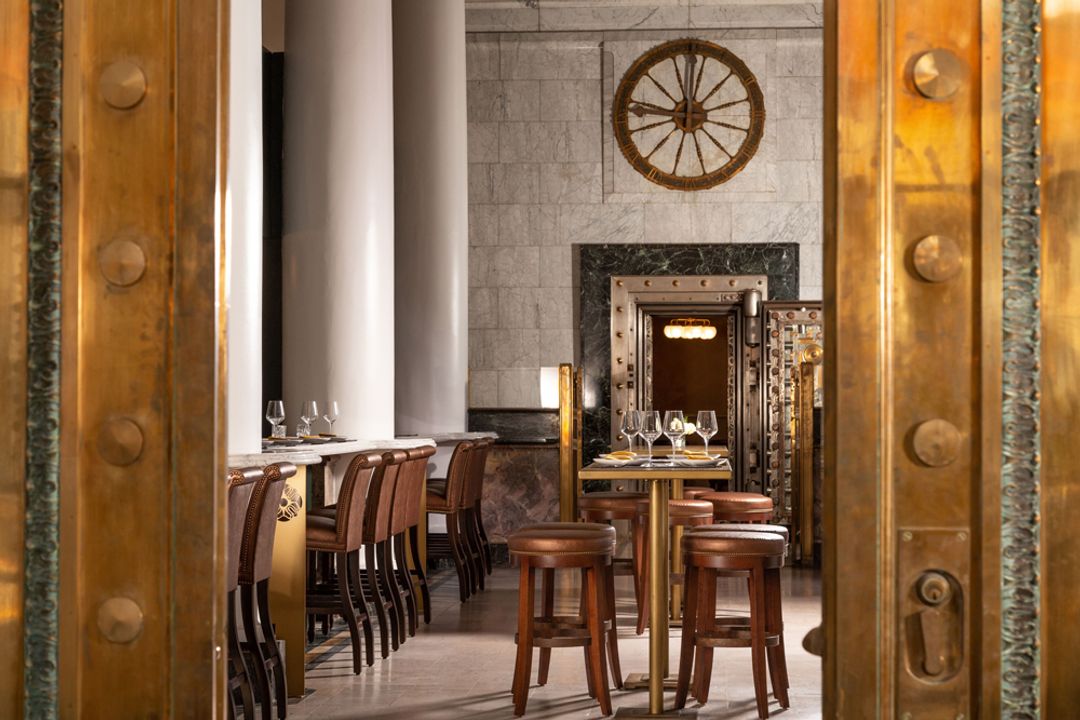
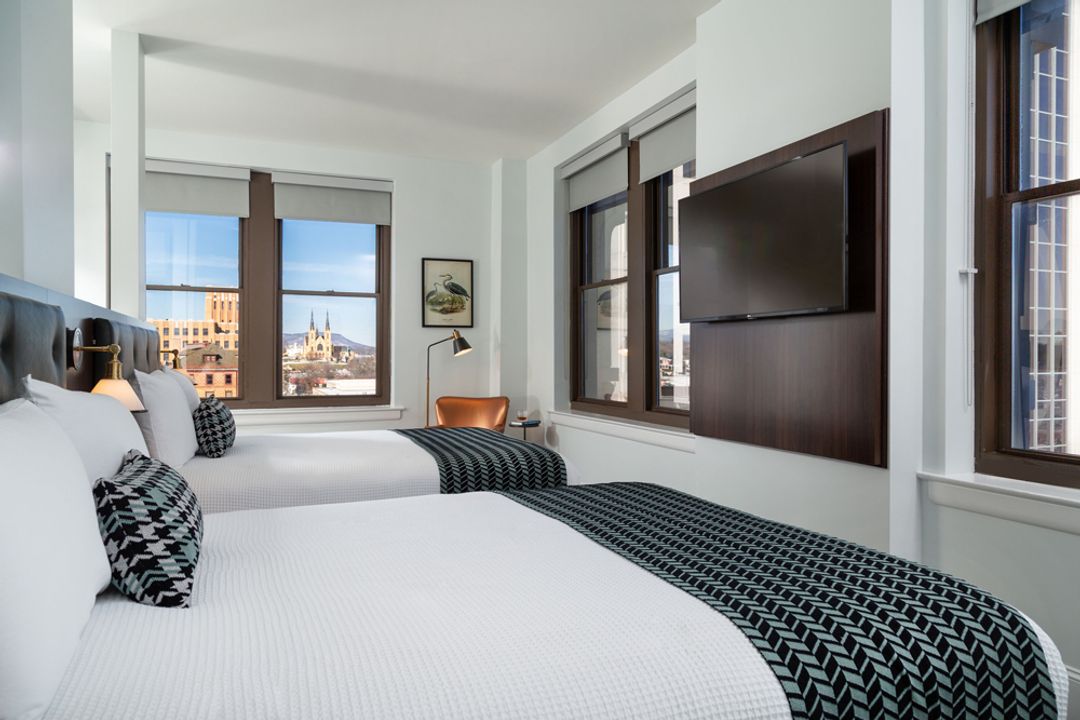
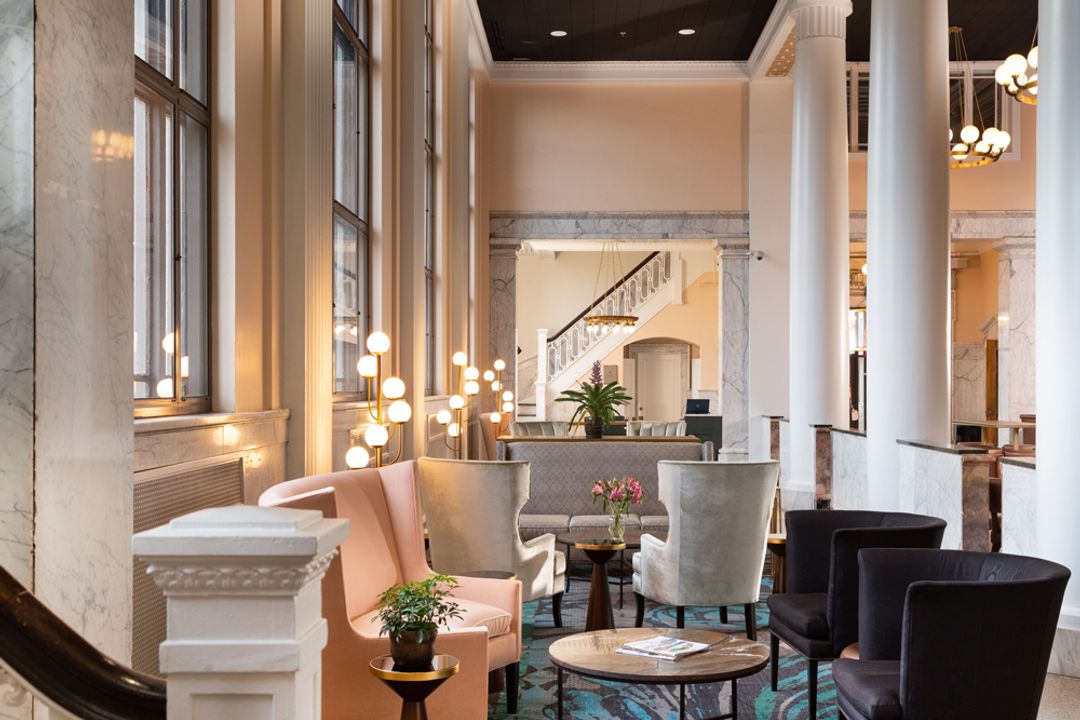
Roanoke sits in a fold of the Blue Ridge Mountains that the railroad essentially built from scratch, and the bones of that industrial origin are still visible in the downtown grid — warehouses with thick masonry walls, terra cotta cornices, cast iron details that survived because nobody had reason to tear them down. The city never went through the kind of speculative boom that erased older commercial fabric in larger American cities, which means its downtown retains a legibility that newer, shinier places have lost. That restraint has made it quietly interesting to architects and preservationists, and it gives a design-conscious traveler something genuinely worth reading in the built environment before they've even checked in. The Liberty Trust, a converted 1910 neoclassical bank building on South Jefferson Street, is the obvious place to stay — and obvious in the best sense, meaning the choice requires no justification. The property occupies what was once the First National Exchange Bank, and the decision to build the hotel program around the existing architecture rather than through it gives the interiors a confidence that adaptive reuse projects sometimes lack. The original banking hall volume has been retained as the lobby, meaning you arrive into a space that has genuine civic presence — coffered ceilings, classical columns, the kind of proportions that a new building would struggle to manufacture. Guest rooms sit above in what were once offices, and the conversion maintains the period character without tipping into nostalgia. At an average rate around $173 a night, it represents the kind of value proposition that makes you wonder why every mid-sized American city hasn't committed more seriously to this model of hospitality. Roanoke rewards the traveler who is willing to let a smaller city set the pace. The Market District, just off Campbell Avenue, has enough independent food and drink to anchor a long weekend, and the Taubman Museum of Art — designed by Randall Stout Architects in 2008, with a roof geometry that draws comparisons to Gehry whether Stout welcomes those comparisons or not — gives the city a genuine architectural conversation piece. The Liberty Trust sits close enough to all of it that a car is largely optional, which in a Virginia city of this scale is itself worth noting. The surrounding mountains are never far from view, and the light they produce in the late afternoon is the kind that makes even an industrial downtown look considered.