Best hotels in Can Tho (Mekong Delta) | Visually Compare Top Stays Side-by-Side
Welcome to PressBeyond - a curated visual guide to design-driven hotels and the fastest way to compare them.
An Overview of the Boutique & Luxury Hotel Landscape in Can Tho (Mekong Delta)
Can Tho is not a city that announces itself through architecture. The capital of the Mekong Delta moves by water, and it is the floating markets, the tangle of river channels, and the rhythmic passage of cargo boats at dawn that define the place far more than any building. The urban core along the Hau River offers the usual Vietnamese provincial mix of French colonial remnants, socialist-era concrete, and the relentless churn of shophouse construction, but none of it is the point. What makes Can Tho worth the journey south from Ho Chi Minh City is the delta itself: the braided waterways, the fruit orchards, the intimate scale of island life that still operates largely outside the tourist circuit.
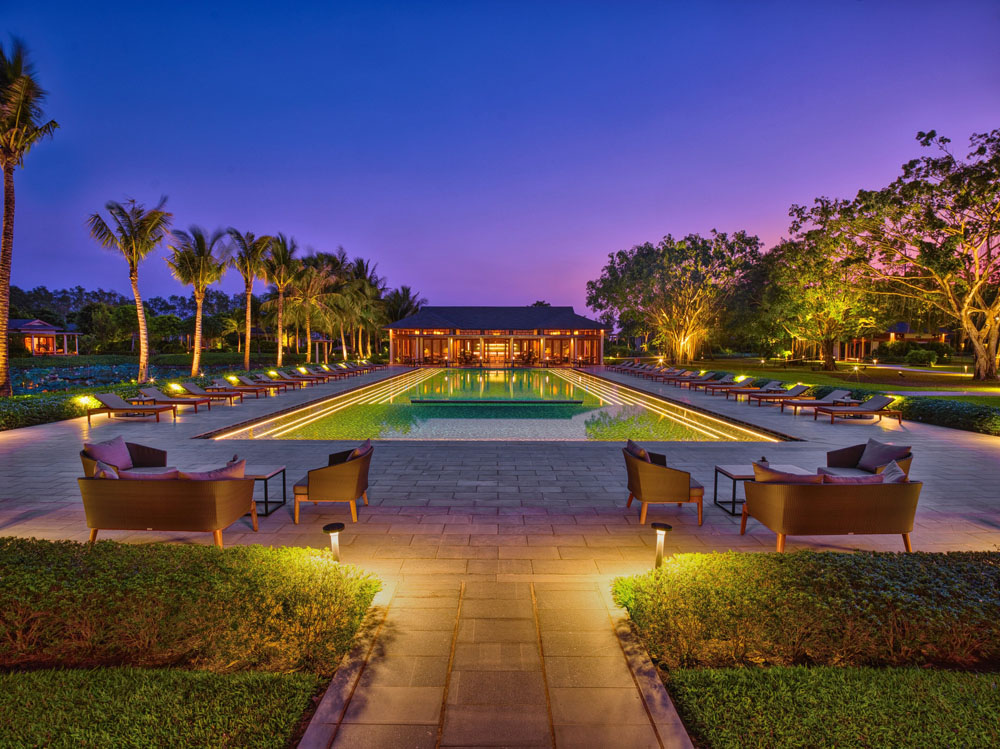
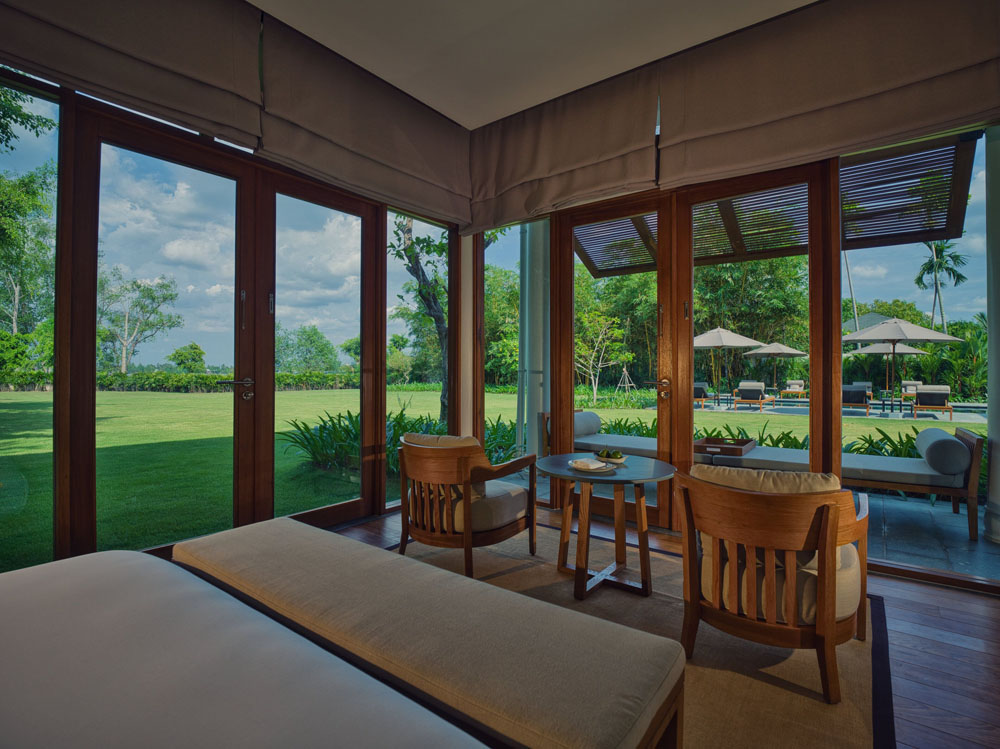
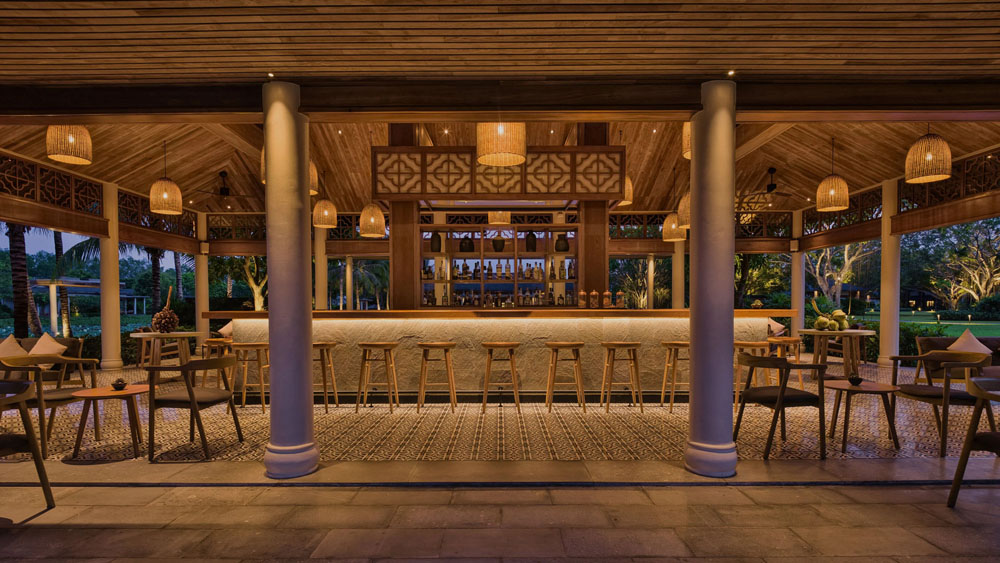
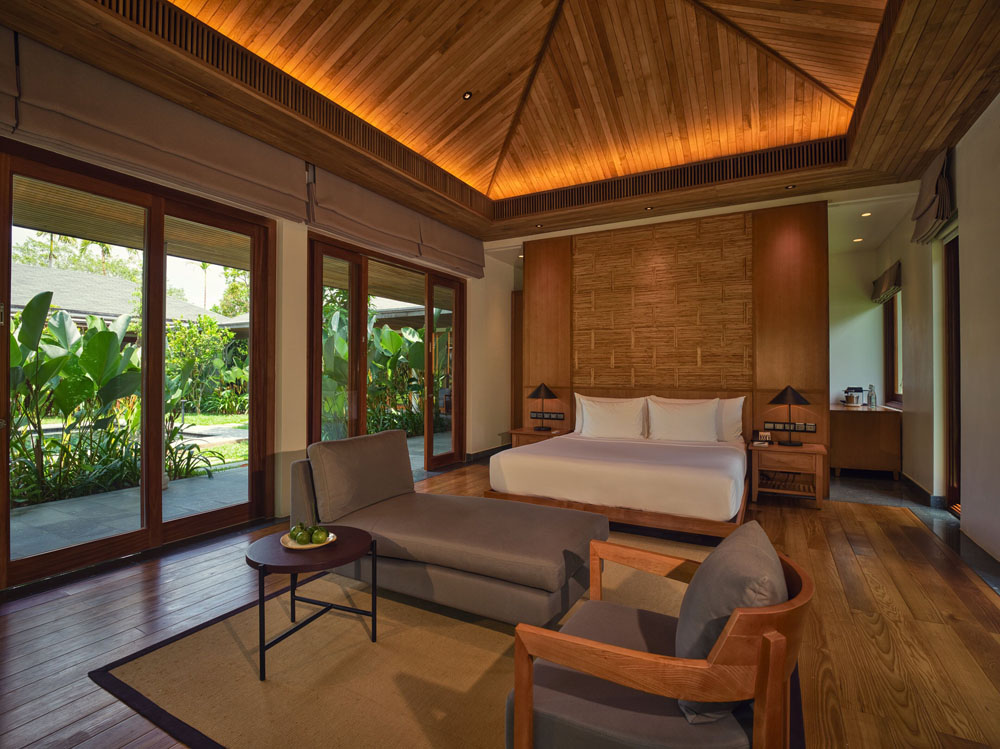
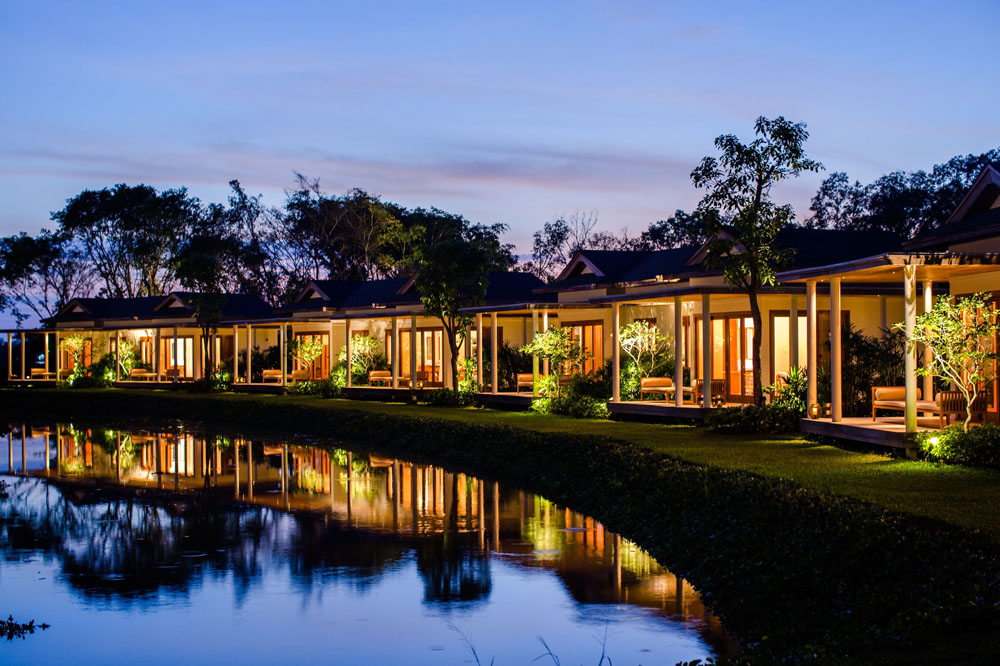
Staying in the city proper is a functional choice, useful for the Cai Rang floating market and convenient for onward travel, but it keeps you at one remove from the thing you actually came to see. The more considered approach is to move out onto the water, or onto the islands that sit within it. Con Au Islet, a slender landmass in the Hau River roughly fifteen minutes by boat from the city center, is where Legacy Mekong has staked its position. The resort works with the geography rather than against it, drawing on vernacular delta architecture, timber construction, and the kind of unhurried horizontal massing that suits a place where the horizon is always water. It is a property scaled to the landscape rather than imposed upon it, and that restraint is its clearest virtue. The rooms and communal spaces open toward the river, and the surrounding fruit gardens and rice paddies are treated as part of the experience rather than backdrop.
For the traveler who comes to the Mekong Delta with serious intent, Legacy Mekong functions as both a base and a context. Guided boat excursions, cycling through orchard paths, and early morning market visits are all more meaningful when you are already living inside the delta's cadence rather than commuting in from a city hotel. At $231 a night it sits at the upper end of what the region offers, but the positioning on Con Au Islet, and the relative seriousness with which the property approaches its setting, make the premium defensible. Can Tho is not a design destination in any conventional sense, but Legacy Mekong gives a thoughtful traveler a genuinely good reason to be there.