Best hotels in Hue | Visually Compare Top Stays Side-by-Side
Welcome to PressBeyond - a curated visual guide to design-driven hotels and the fastest way to compare them.
An Overview of the Boutique & Luxury Hotel Landscape in Hue
Hue carries its imperial past differently than most former capitals. The Nguyen dynasty's walled Citadel, constructed from the early nineteenth century onward and modeled in part on Beijing's Forbidden City, still dominates the north bank of the Perfume River — a vast, moat-ringed complex of pavilions, gates, and ceremonial halls that survived both colonial administration and the devastation of the 1968 Tet Offensive in fragmentary but deeply atmospheric form. The city that grew up around it has never quite shed that sense of being organized around a monument to something lost. Which makes it, for a certain kind of traveler, extraordinarily compelling.
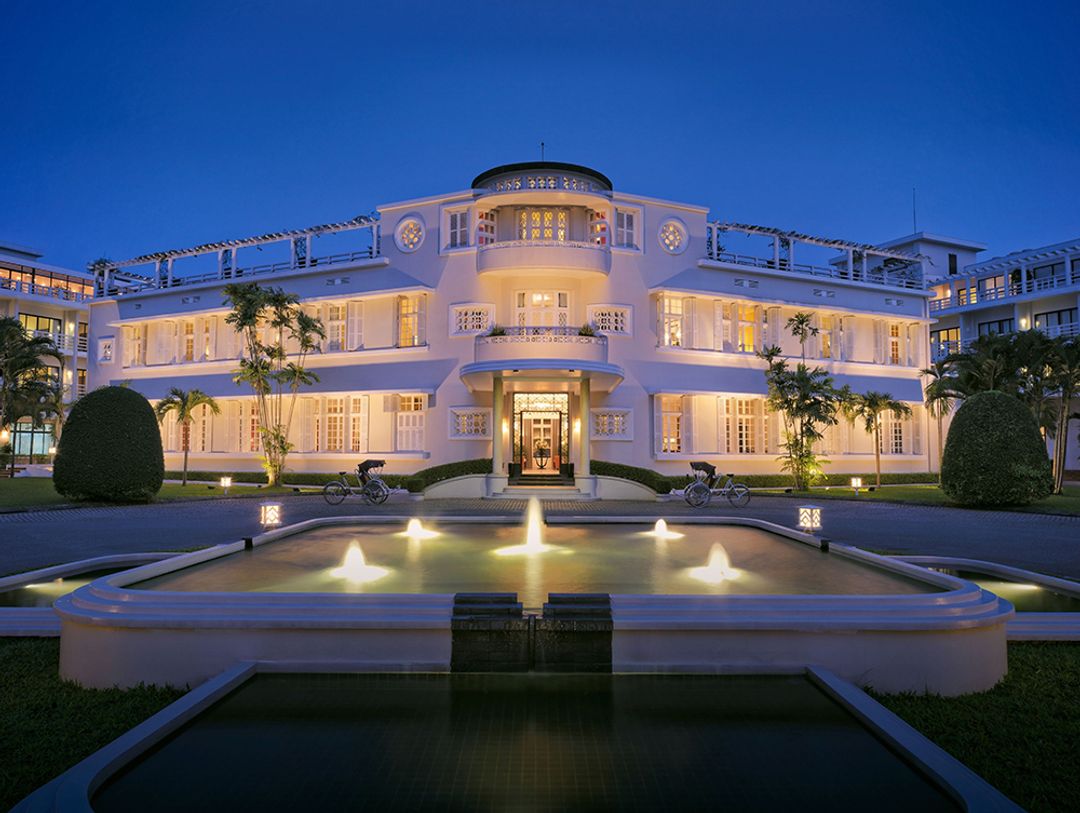
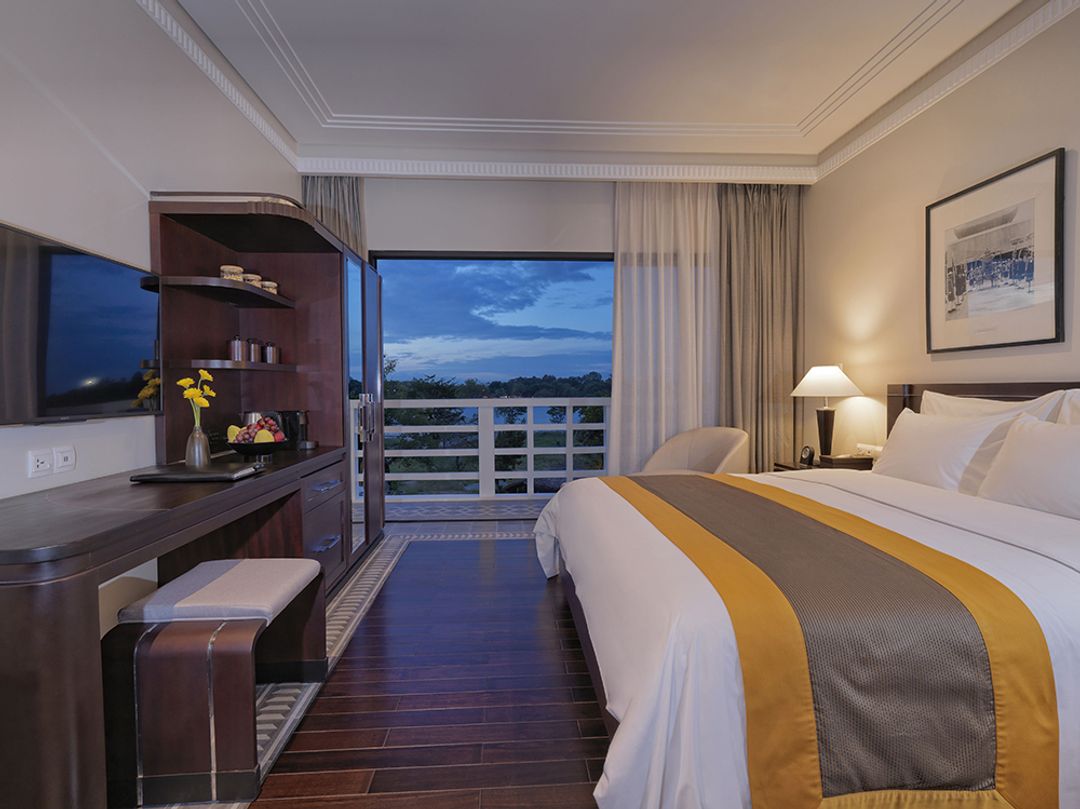
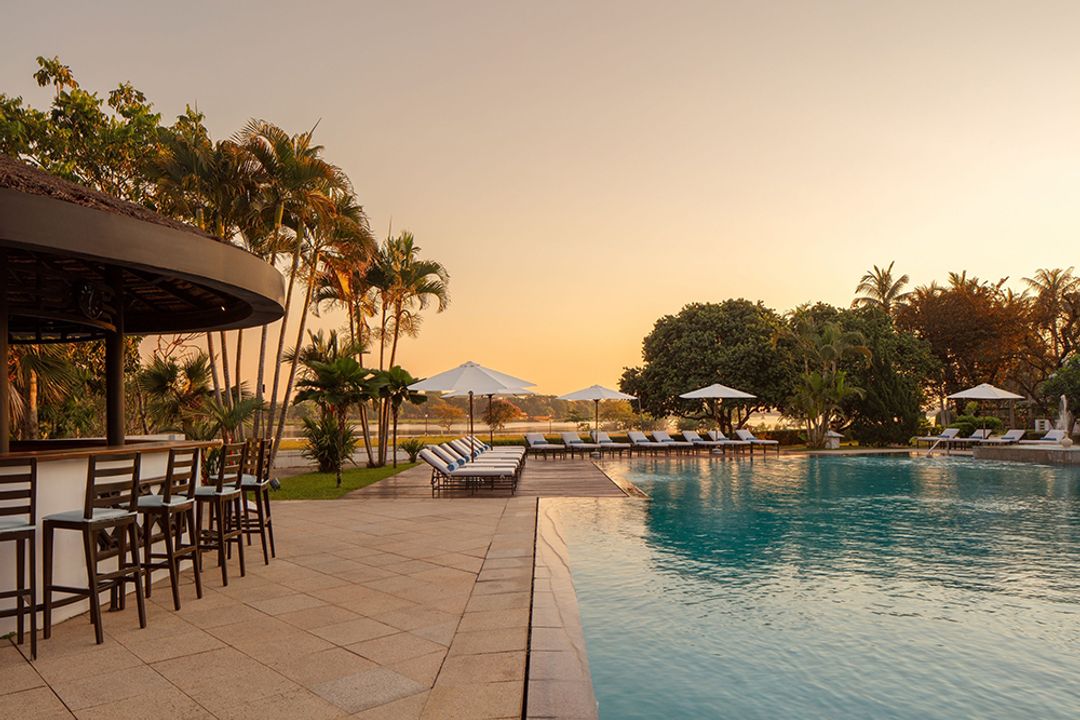
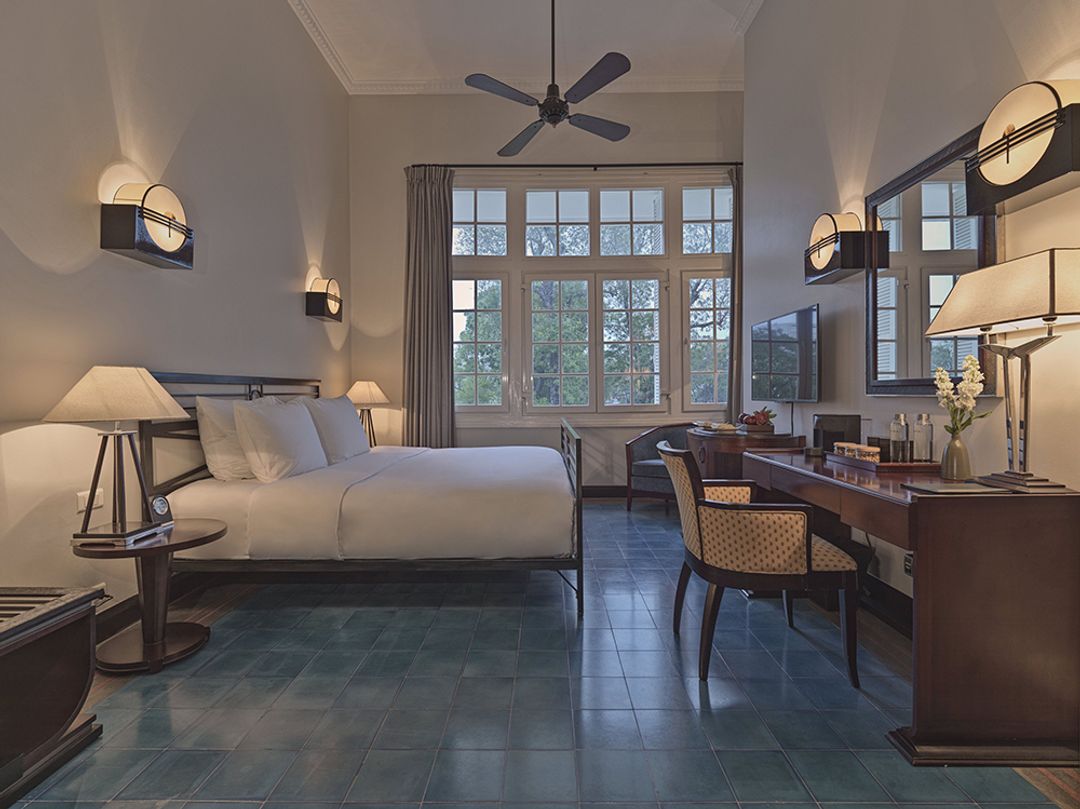
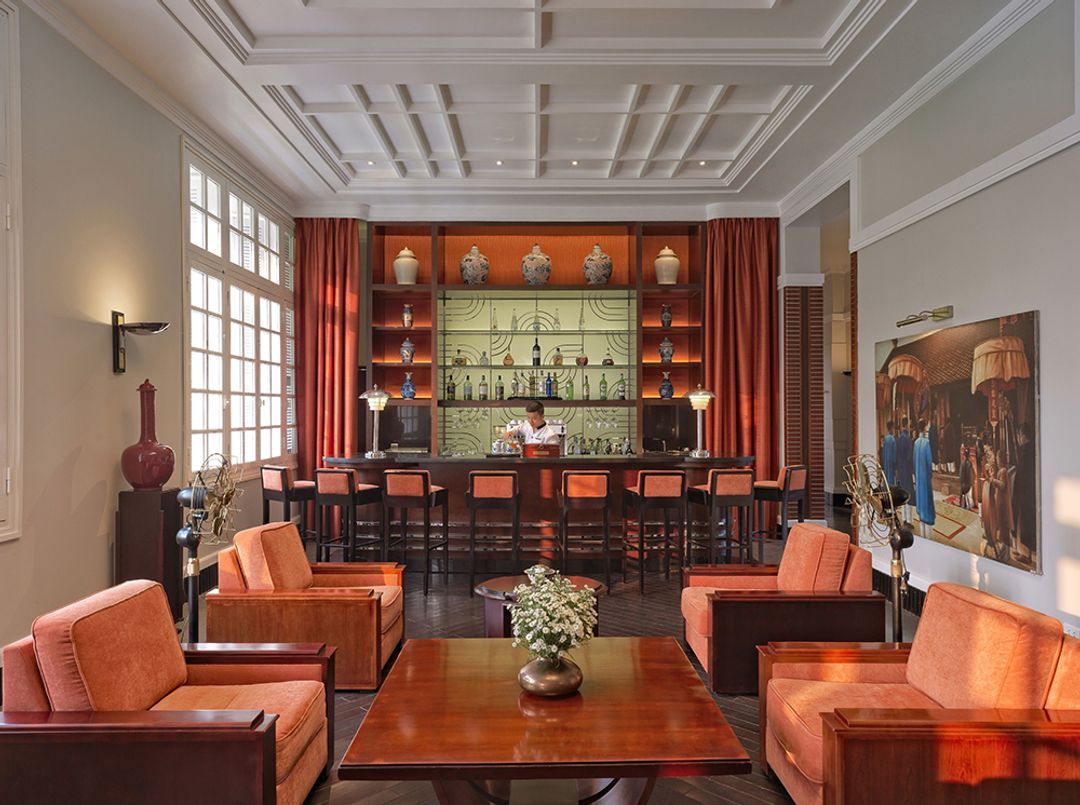
The Perfume River is the axis around which Hue makes its most coherent architectural argument. The French colonial presence left its clearest mark on the south bank, where wide riverside streets and colonial-era administrative buildings survive in various states of elegant decay. It is here, occupying a former French Résidence Supérieure built in 1930, that Azerai La Residence Hue sits — the single property on this platform and, frankly, the right reason to come. The building's Art Deco bones have been handled with considerable restraint under Azerai's stewardship, the interiors calibrated to feel spare without being cold: louvered shutters, teak, a long swimming pool that addresses the river directly. Adrian Zecha, who founded Azerai after his years building Aman, brings a similar philosophy to scale and quietude here — no excess, no theatrical gestures, just a serious building given room to be itself. At an average rate around $147 per night, it occupies a position that feels almost anomalous given the quality of the architecture and setting.
What Hue asks of a visitor is patience and a tolerance for melancholy — qualities the city rewards with the royal tombs scattered across the pine-forested hills to the south, the covered Dong Ba market, the boat journeys upriver to Thien Mu Pagoda. None of this is undiscovered, but it retains a density of historical texture that more visited Vietnamese cities have gradually traded away. Staying at La Residence means having the river as a constant orientation point, the Citadel visible across the water in the early morning light, and a base that matches the seriousness of what surrounds it.