Best hotels in Mui Ne | A Curated Visual Guide to Top Stays
Welcome to PressBeyond, the ultimate curated visual guide for design-driven hotels! My name is Will Miller and this is my recommendation for the best boutique and luxury hotel in Mui Ne.
I am the founder of PressBeyond and I am an ultra-meticulous hotel curator who loves clean visuals. I have individually analyzed and tiered the hotel included in this guide based on a variety of criteria (architecture & design, location, brand & brand affiliation, existing reviews, and my own personal experiences), and importantly, I have hand-selected the leading imagery for this hotel to provide you with easily-digestible, yet detailed and complete, like-for-like, high-level visual profiles. I felt this summarization step was a critical missing piece across existing guides, blogs, and booking platforms. My aim is to make it easier for people to identify hotel environments that resonate with them, along with enabling them to visualize the types of social experiences that those environments help foster. My brain doesn't work when exposed to cluttered content, so my goal was to create the opposite.
Underneath this, we are also a full booking engine offering 5% Venmo cash back along with other exclusive perks. For all of you design-obsessed hotel enthusiasts out there, I hope this guide helps get you to where you see yourself!
An Overview of the Boutique & Luxury Hotel Landscape in Mui Ne
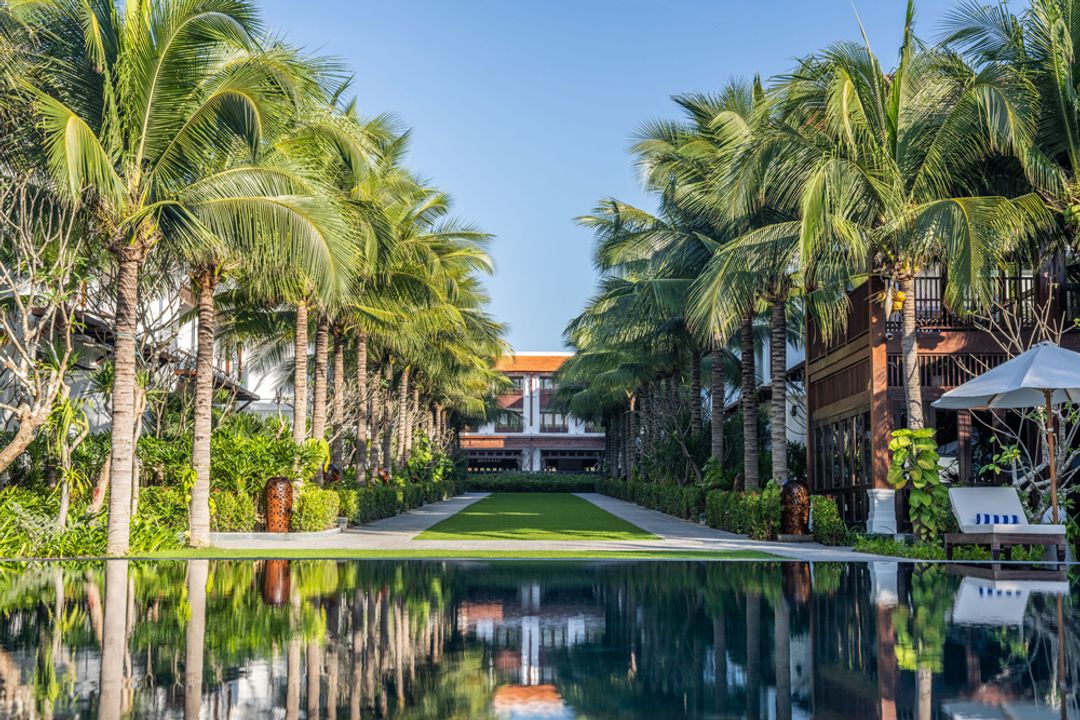
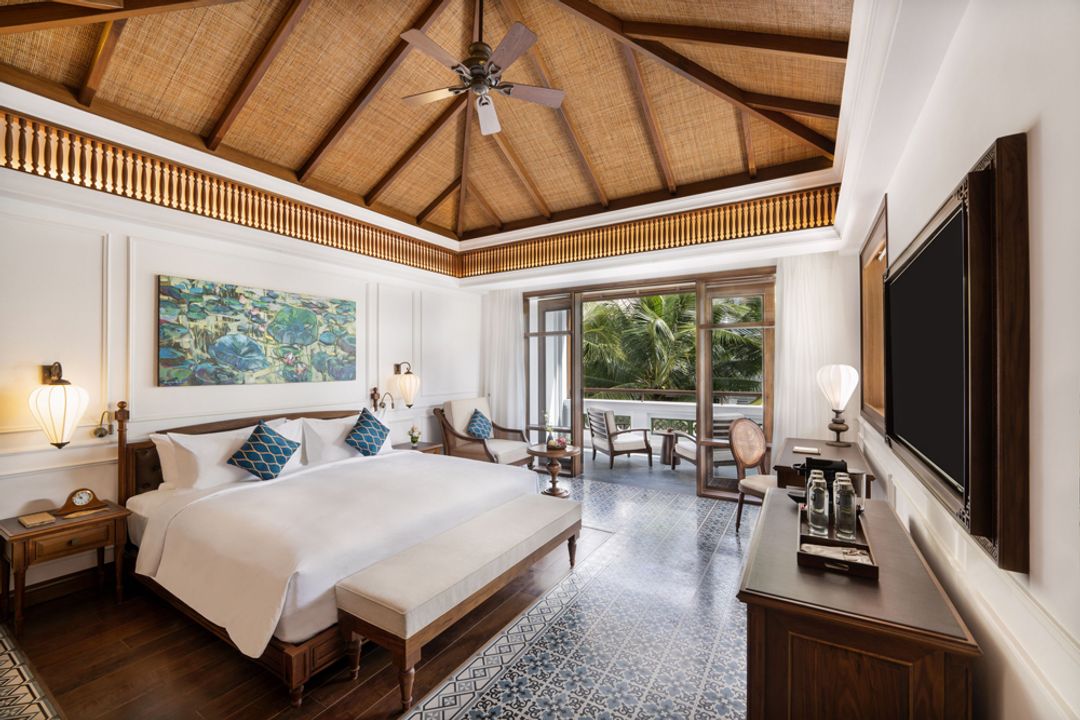
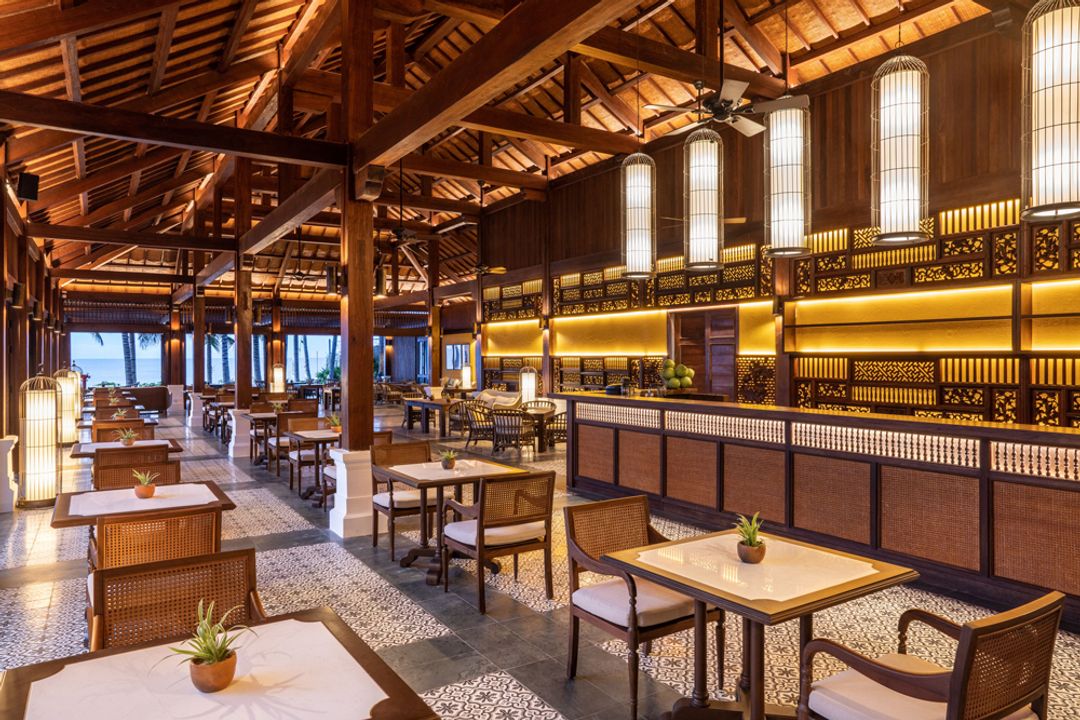
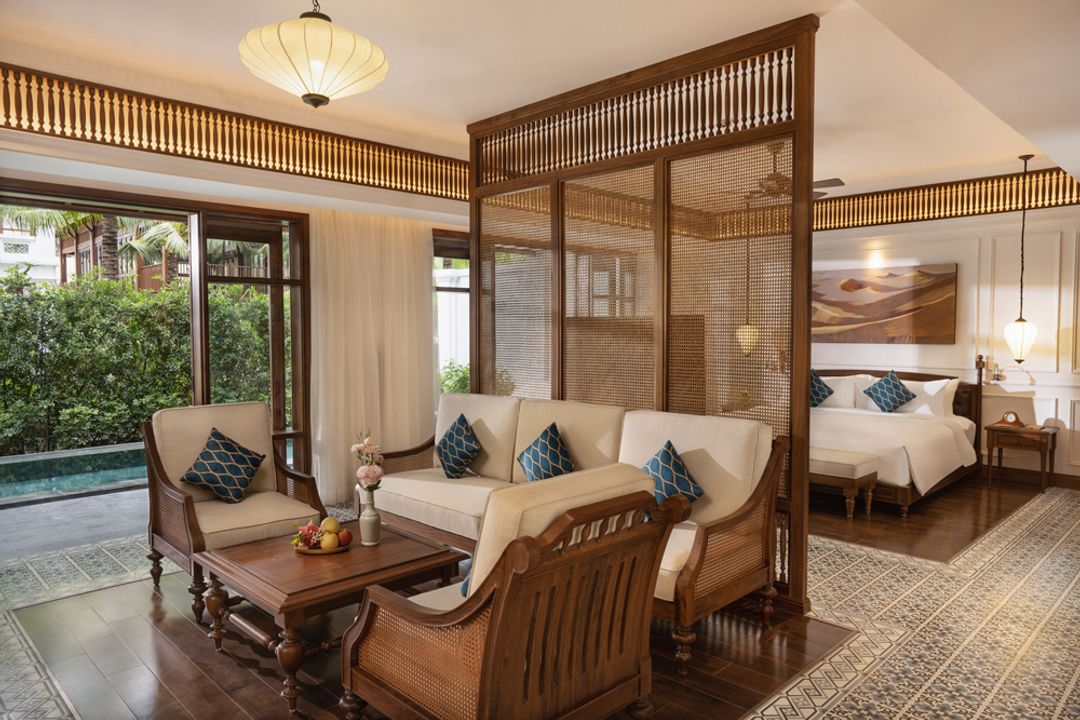
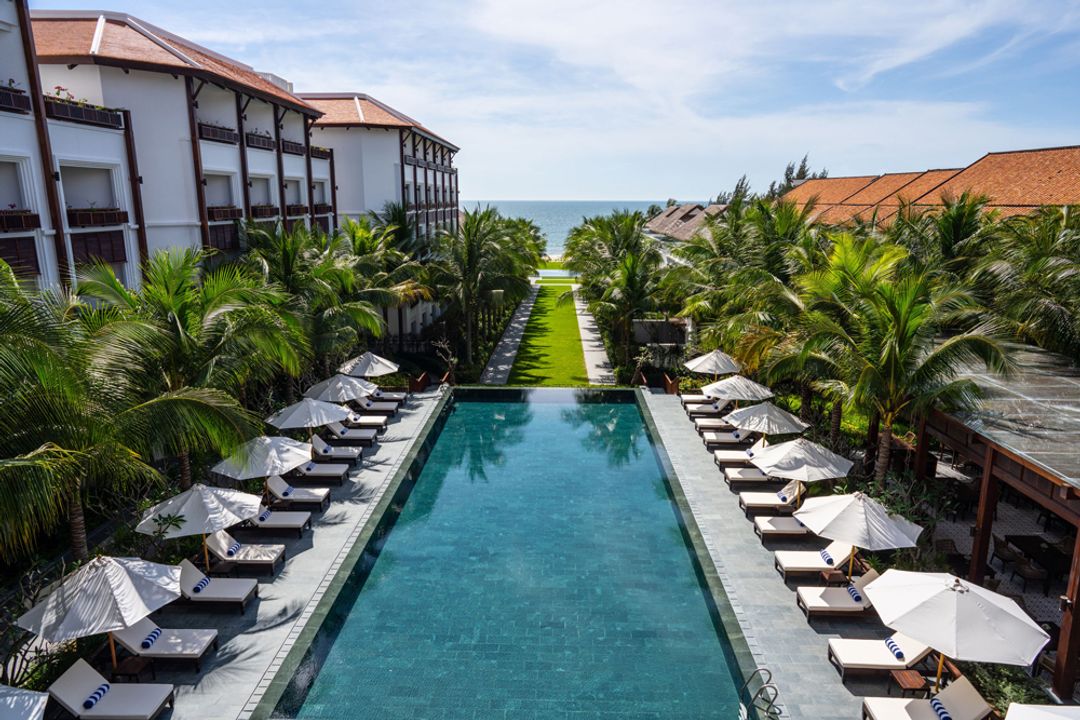
Mui Ne exists at an angle to the rest of Vietnam's coastline — literally and figuratively. The narrow finger of land that juts into the South China Sea southeast of Phan Thiet has a geography that resists easy categorization: red and white sand dunes that push improbably close to fishing villages, a fishing harbor still working at its original scale, and a coastal road where the architecture shifts between French colonial remnants and the low-slung resort vernacular that spread along this stretch of coast after international tourism discovered it in the 1990s. The light here is particular — harder and more direct than in Hoi An, the air saltier and drier, the landscape more openly dramatic. It is not a city destination in any conventional sense. It rewards travelers who come for the specific rather than the comprehensive. The design sensibility that works in Mui Ne tends toward immersion in landscape rather than urban reference. Resorts that anchor themselves to the dunes, the casuarina trees, and the raw South China Sea horizon hold up better over time than those that import stylistic gestures from elsewhere. The Anam Mui Ne, set within Phan Thiet, understands this instinctively. Its architecture draws on Indochine classicism — the colonial-inflected vocabulary of pitched roofs, louvered shutters, terracotta tones, and shaded verandas — and applies it with enough restraint to let the setting read clearly rather than being crowded out by decorative intention. The property reads more as an estate arranged across its site than as a hotel assembled to a brief, and that spatial generosity matters here, where the draw is as much the quality of an afternoon as any single amenity. At a rate that holds around $150 per night, The Anam Mui Ne occupies a position that is genuinely rare along this coast: high design attention without the escalating price point that similar ambition commands in Danang or further north. For a traveler interested in Vietnamese architectural history and the slow refinement of an Indochine aesthetic that was largely erased elsewhere, Phan Thiet and this particular property make a coherent, well-reasoned case. Mui Ne is not a destination to pass through quickly. The dunes at dawn, the fishing fleet returning by mid-morning, the stillness of the afternoons — these are things the place offers freely, and a hotel that frames them without overwhelming them is the only kind worth booking.