Best hotels in Baku, Azerbaijan | Visually Compare Top Stays Side-by-Side
Welcome to PressBeyond - a curated visual guide to design-driven hotels and the fastest way to compare them.
An Overview of the Boutique & Luxury Hotel Landscape in Baku, Azerbaijan
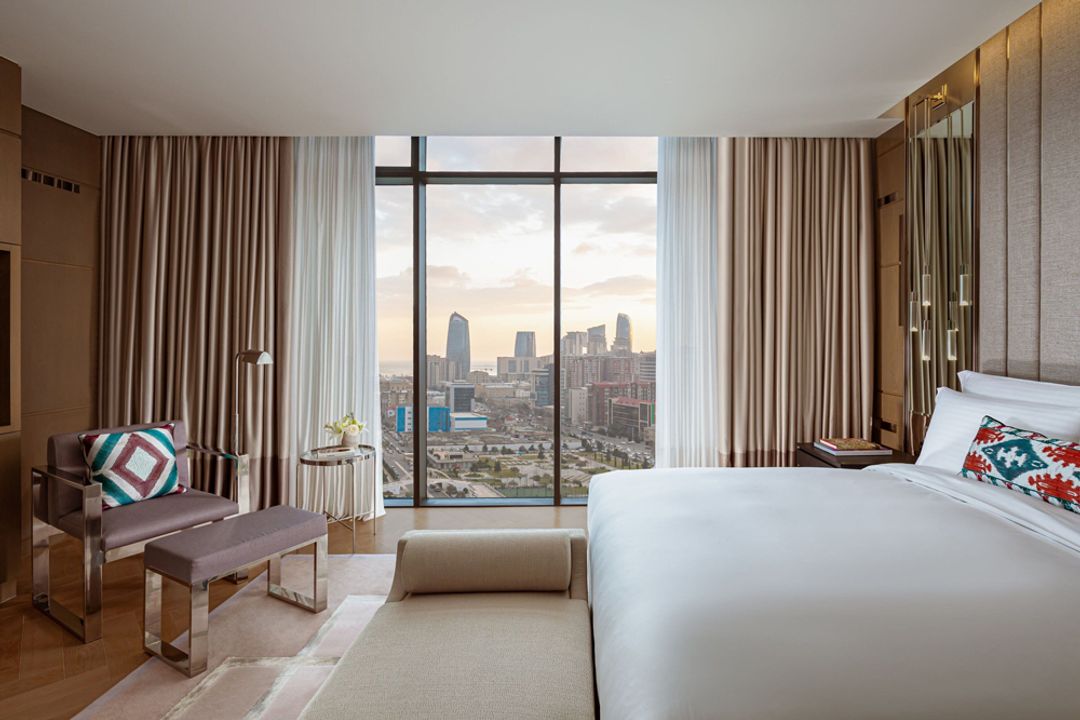
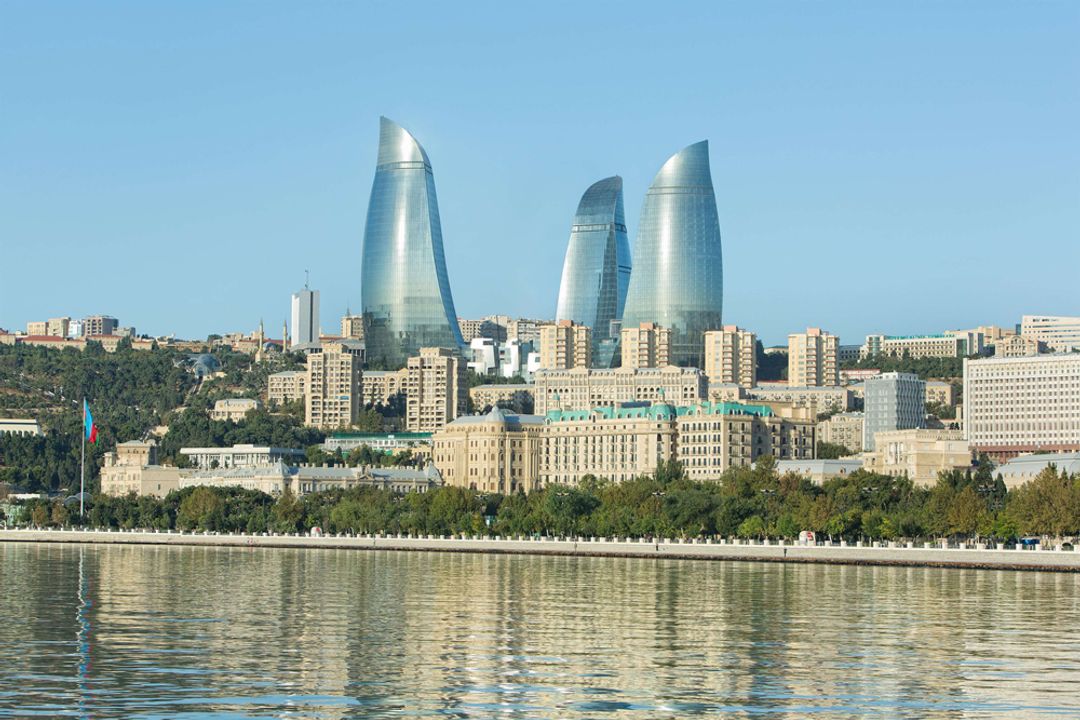
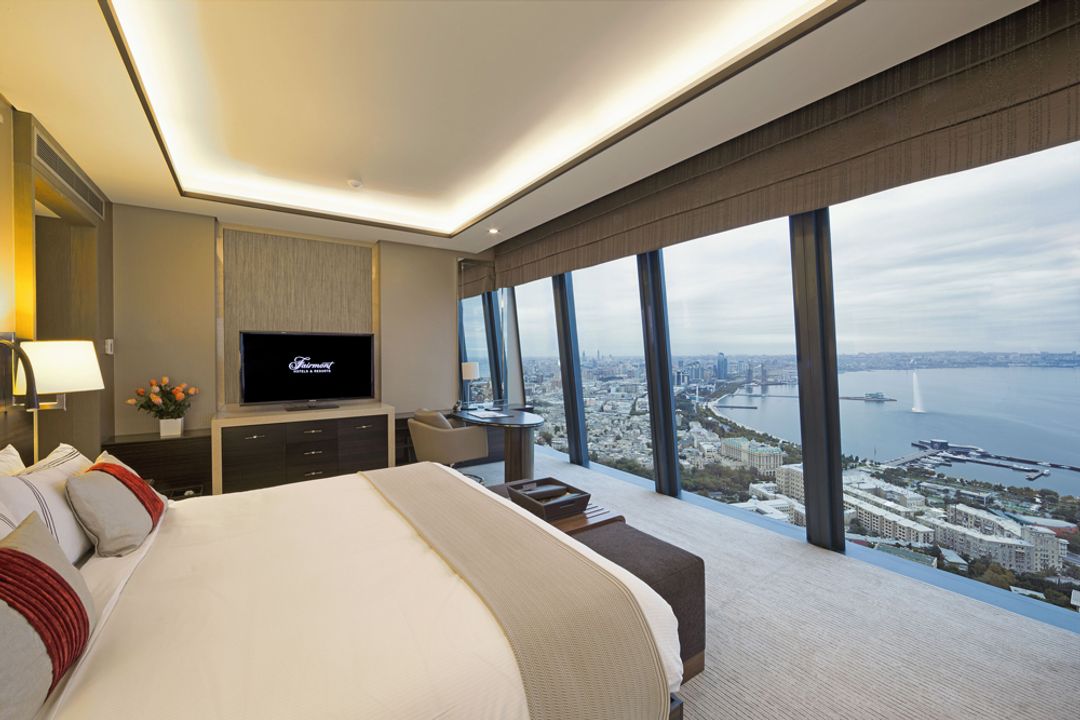
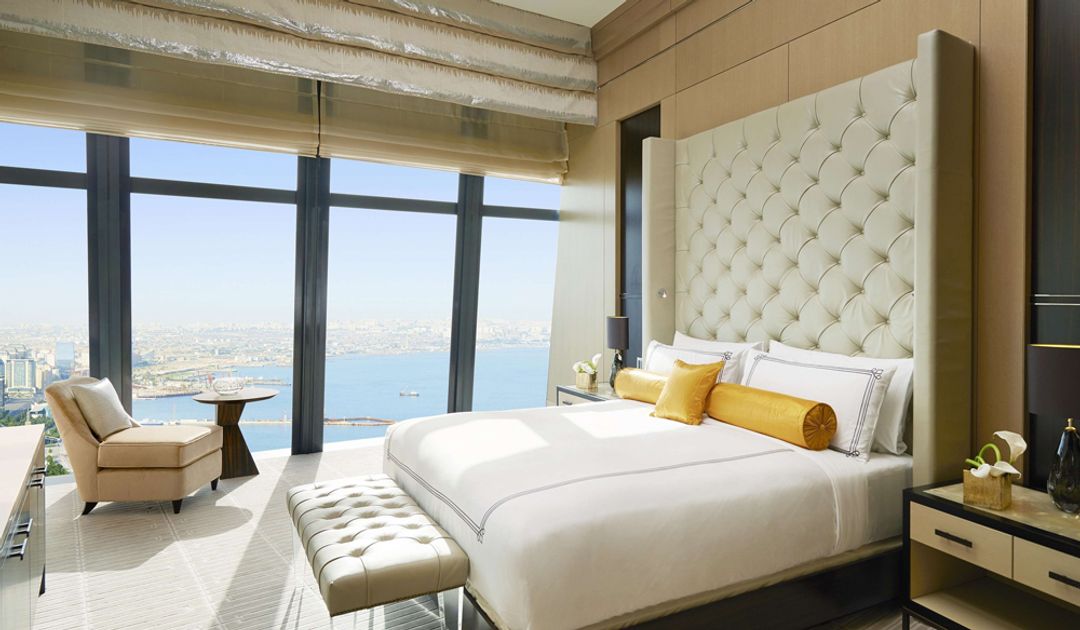
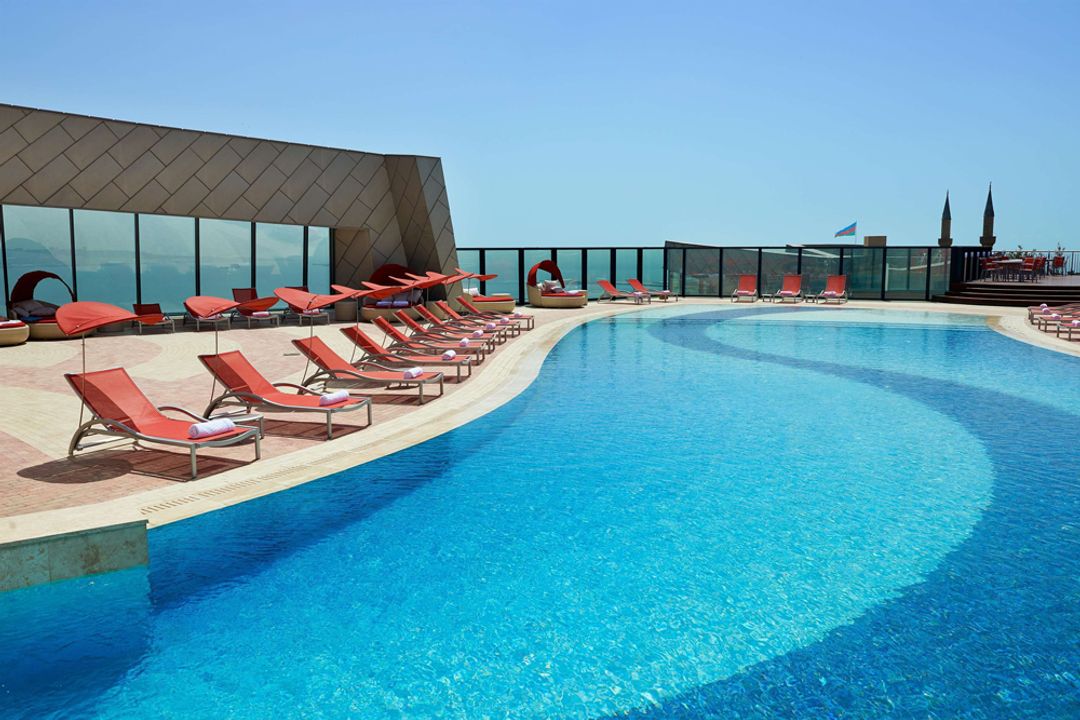
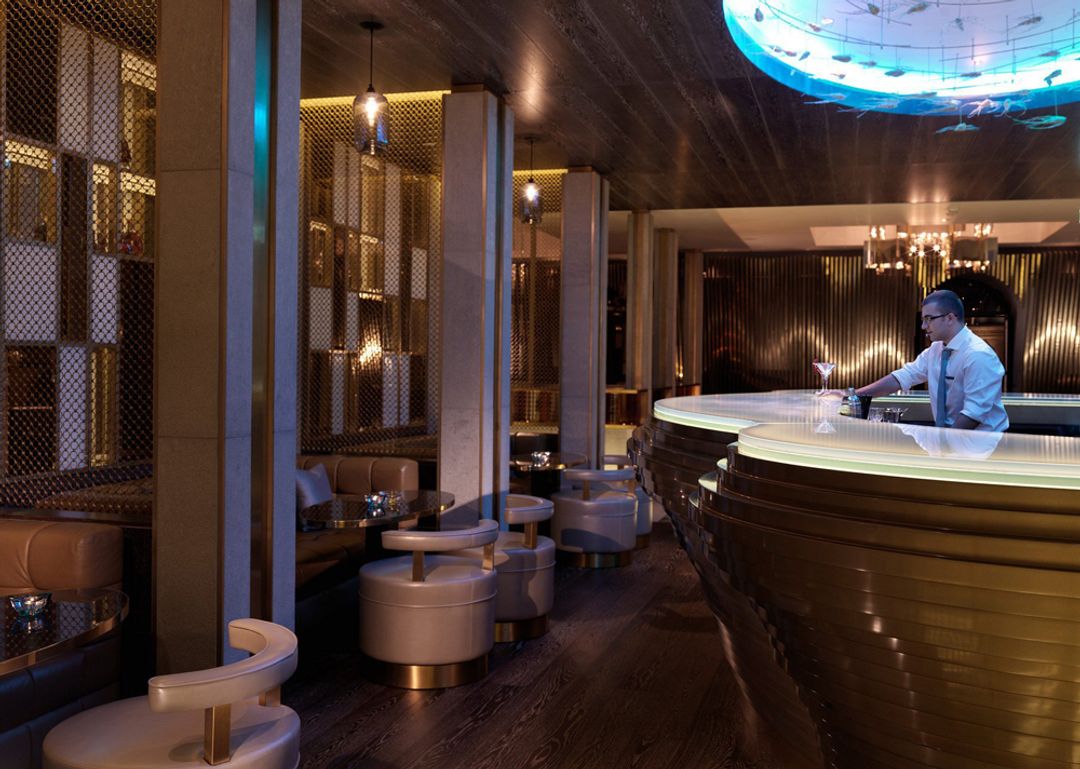
Baku is a city built on oil money twice over, and the architecture knows it. The first fortune, extracted in the late nineteenth century, produced the limestone wedding-cake mansions of the Inner City and the broad European boulevards that surround them, their facades borrowing freely from Venice, Paris, and the Habsburgs. The second fortune, flowing again since the 1990s, produced the Flame Towers, the three steel-and-glass fins that rise above Highland Park and have become the city's unmistakable silhouette. It is inside one of those towers that the Fairmont Baku operates, at an average of $433 a night, with Caspian views that shift from pewter to gold depending on the hour. The building is theatrical from the outside and the hotel leans into that theatricality, with a scale and material palette that suits a city still very much in the business of announcing itself.
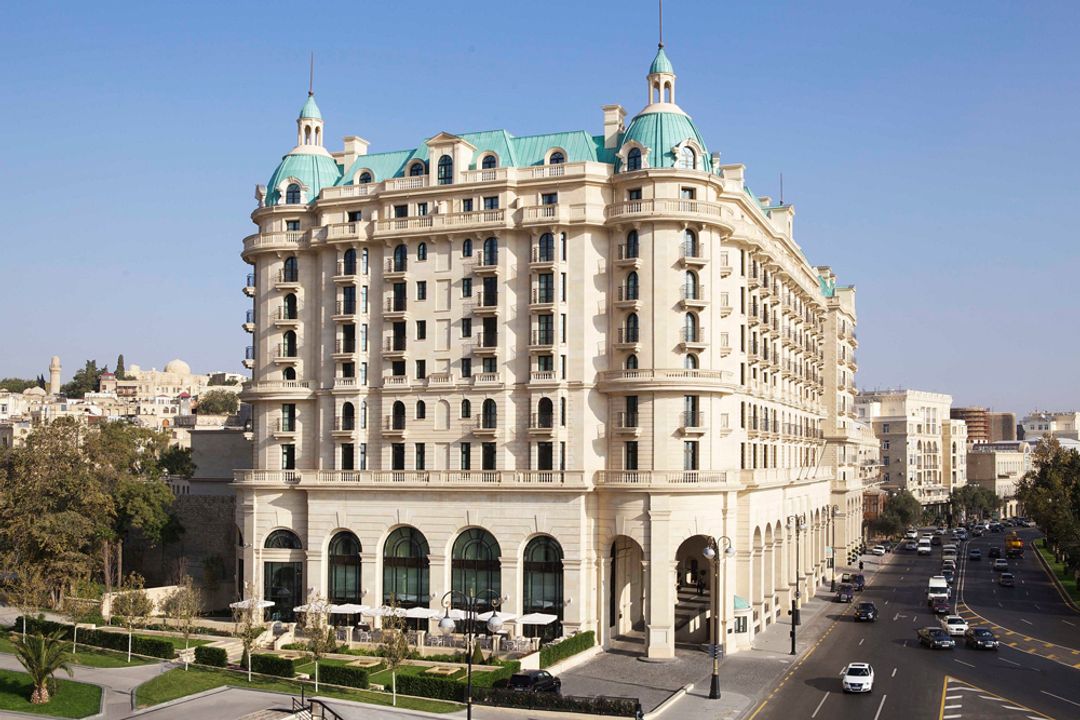
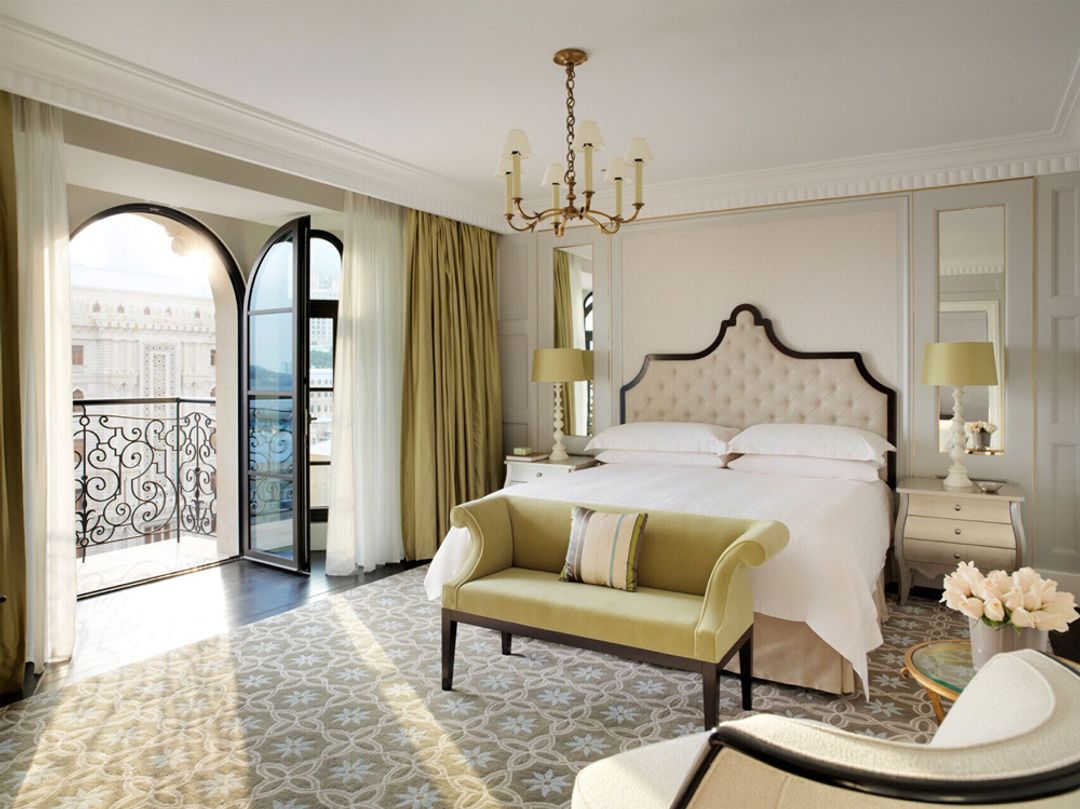
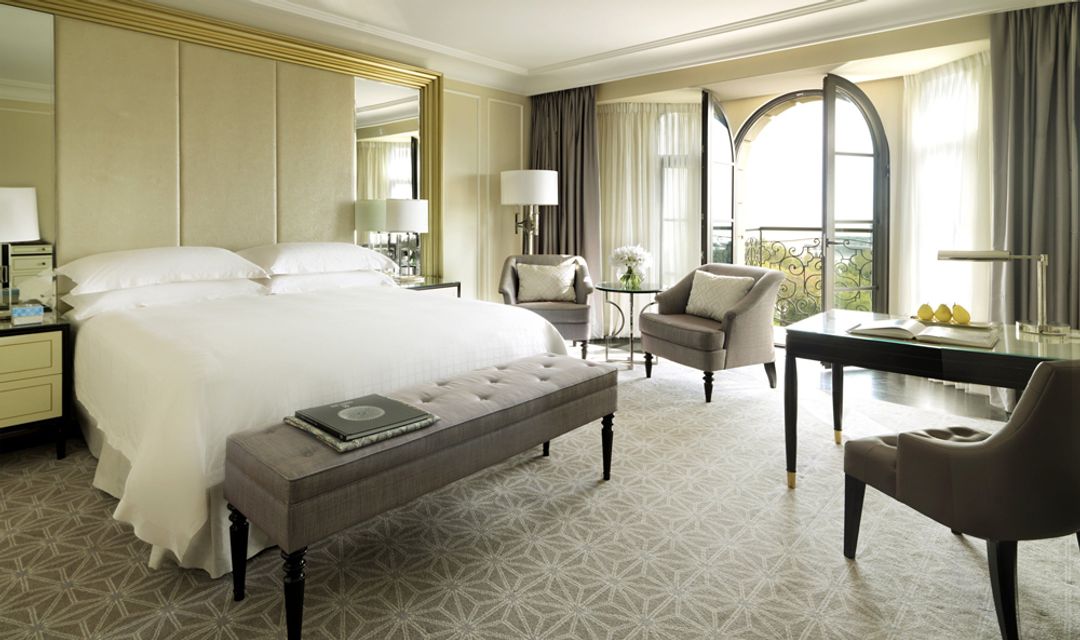
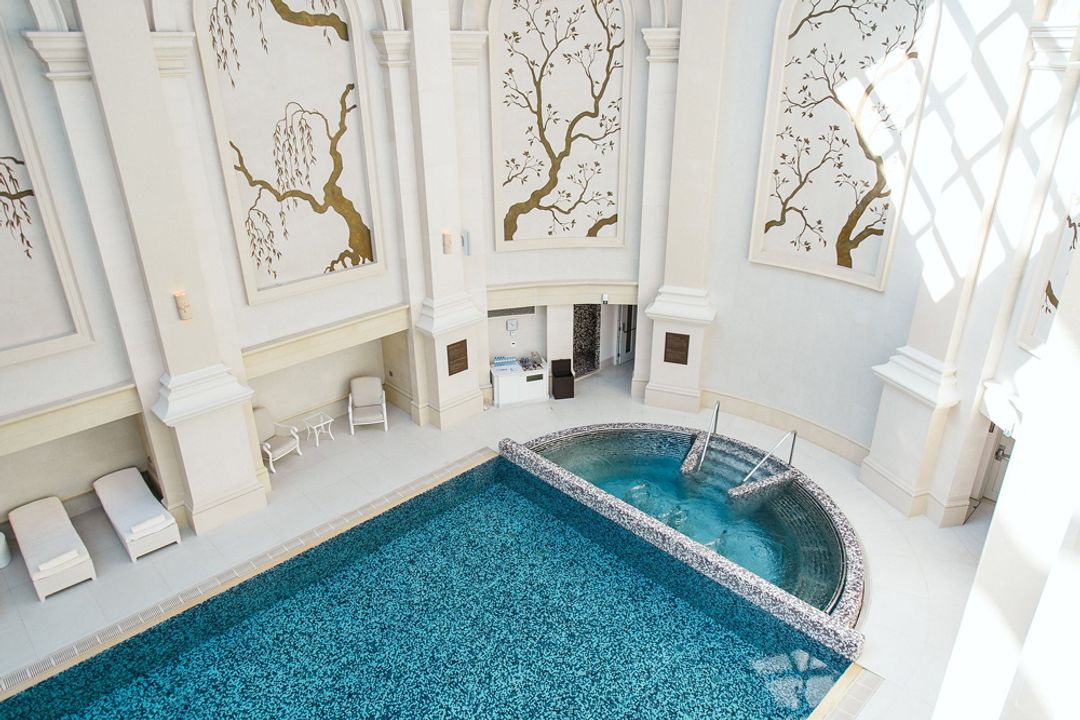
Down on Neftchiler Avenue, closer to the waterfront boulevard and the old city walls, the Four Seasons Hotel Baku occupies a restored neoclassical building from the first oil boom, its nineteenth-century envelope containing a contemporary interior that sits in productive tension with the ornate stonework outside. This is a different proposition from the Fairmont, quieter in ambition and more grounded in the layered urban fabric that makes central Baku so cinematically strange, where a restored caravanserai might share a block with a government ministry dressed in limestone columns. The Four Seasons benefits from being embedded in that fabric rather than hovering above it.
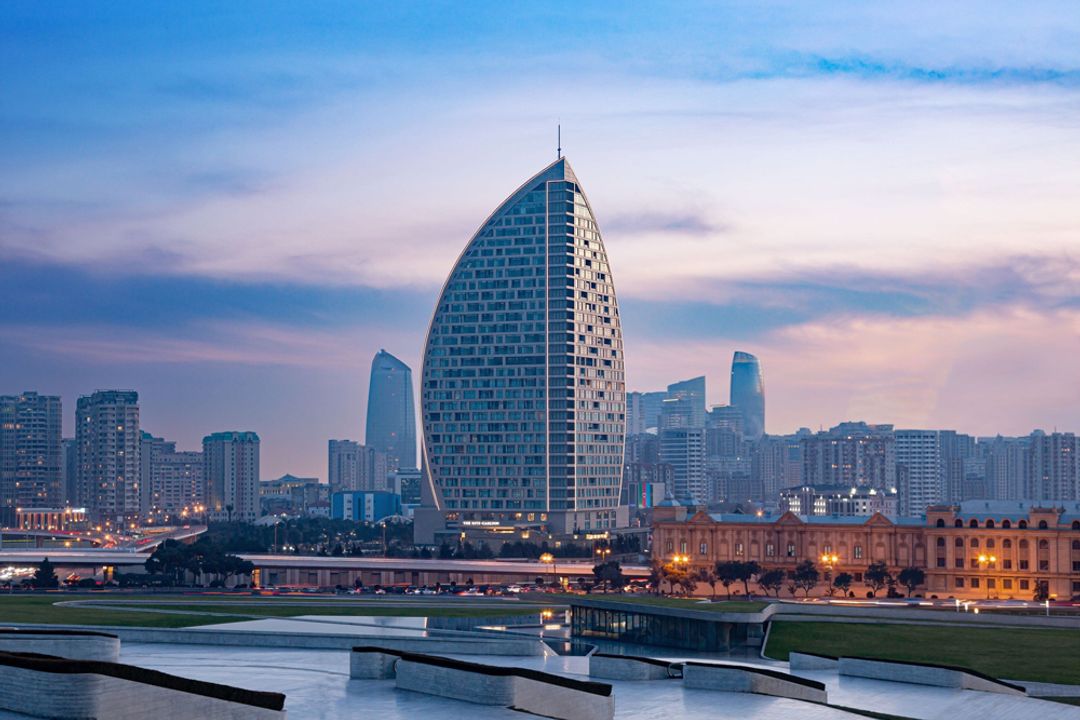
The Ritz-Carlton Baku, in the Nasimi District, threads between the two in both geography and character. At $294 a night it is the more accessible of the three at this level, and its position in Nasimi places it among the city's commercial and cultural pulse rather than at its scenic extremes. For the traveler who wants to read the city through its streets rather than from a tower, Nasimi offers a working Baku of cafes, galleries, and the broad promenade along the Caspian. All three properties operate at a genuinely high standard, and the choice between them is less about quality than about which version of Baku's self-image you want to sleep inside: the triumphalist new skyline, the restored grandeur of the oil barons, or the everyday city somewhere in between.