Best hotels in Rio de Janeiro | A Curated Visual Guide to Top Stays
Welcome to PressBeyond, the ultimate curated visual guide for design-driven hotels! My name is Will Miller and these are my recommendations for the best boutique and luxury hotels in Rio de Janeiro.
I am the founder of PressBeyond and I am an ultra-meticulous hotel curator who loves clean visuals. I have individually analyzed and tiered each hotel included in this guide based on a variety of criteria (architecture & design, location, brand & brand affiliation, existing reviews, and my own personal experiences), and importantly, I have hand-selected the leading imagery for each hotel to provide you with easily-digestible, yet detailed and complete, like-for-like, high-level visual profiles. I felt this summarization step was a critical missing piece across existing guides, blogs, and booking platforms. My aim is to make it easier for people to identify hotel environments that resonate with them, along with enabling them to visualize the types of social experiences that those environments help foster. My brain doesn't work when exposed to cluttered content, so my goal was to create the opposite.
Underneath this, we are also a full booking engine offering 5% Venmo cash back along with other exclusive perks. For all of you design-obsessed hotel enthusiasts out there, I hope this guide helps get you to where you see yourself!
An Overview of the Boutique & Luxury Hotel Landscape in Rio de Janeiro
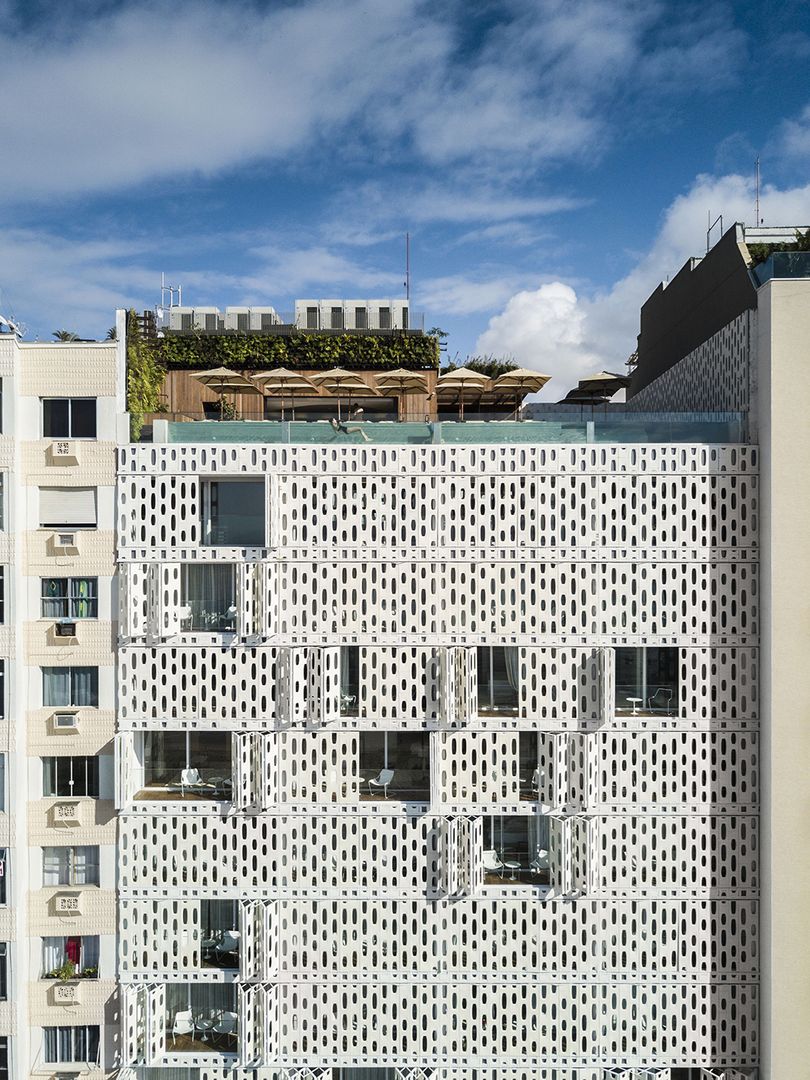
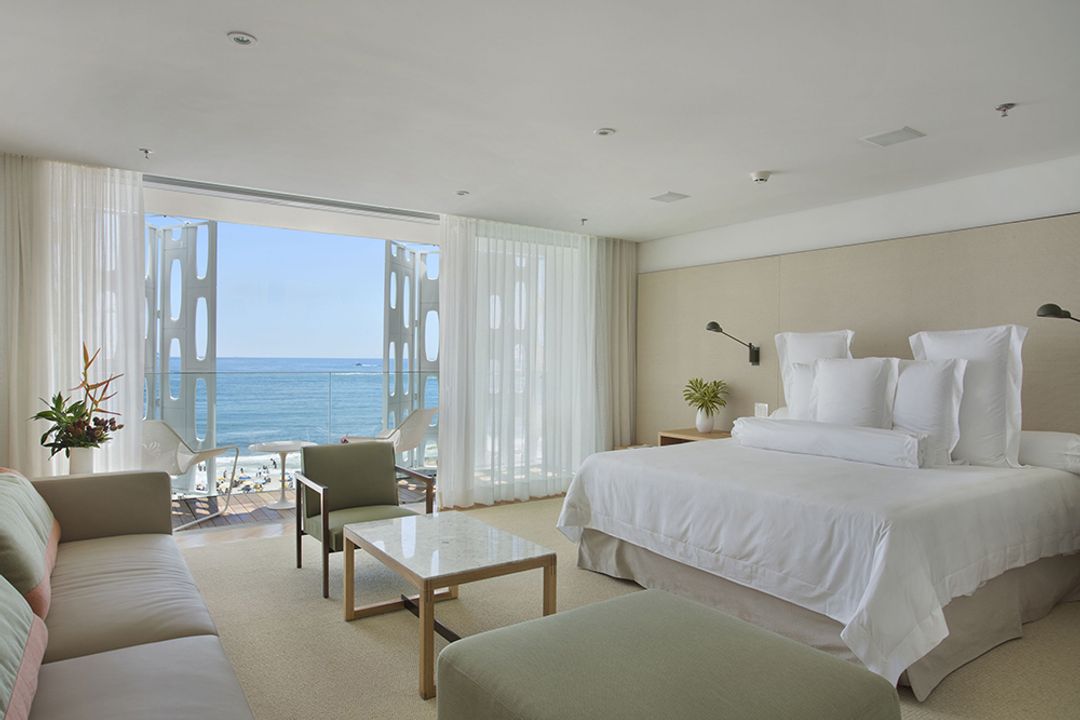
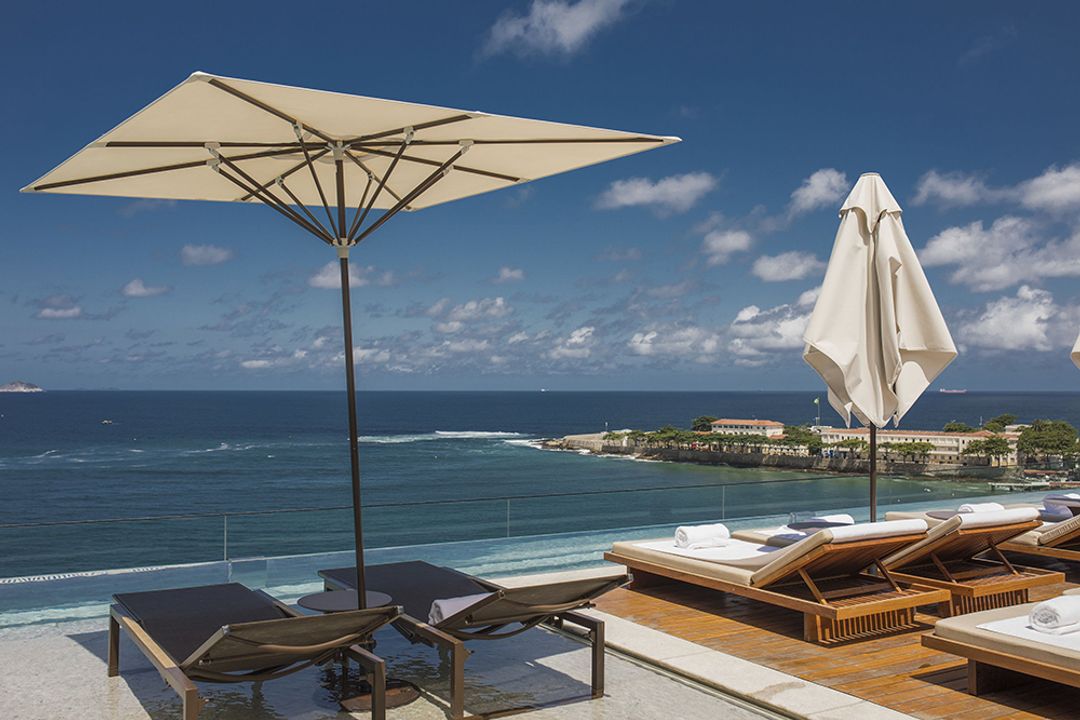
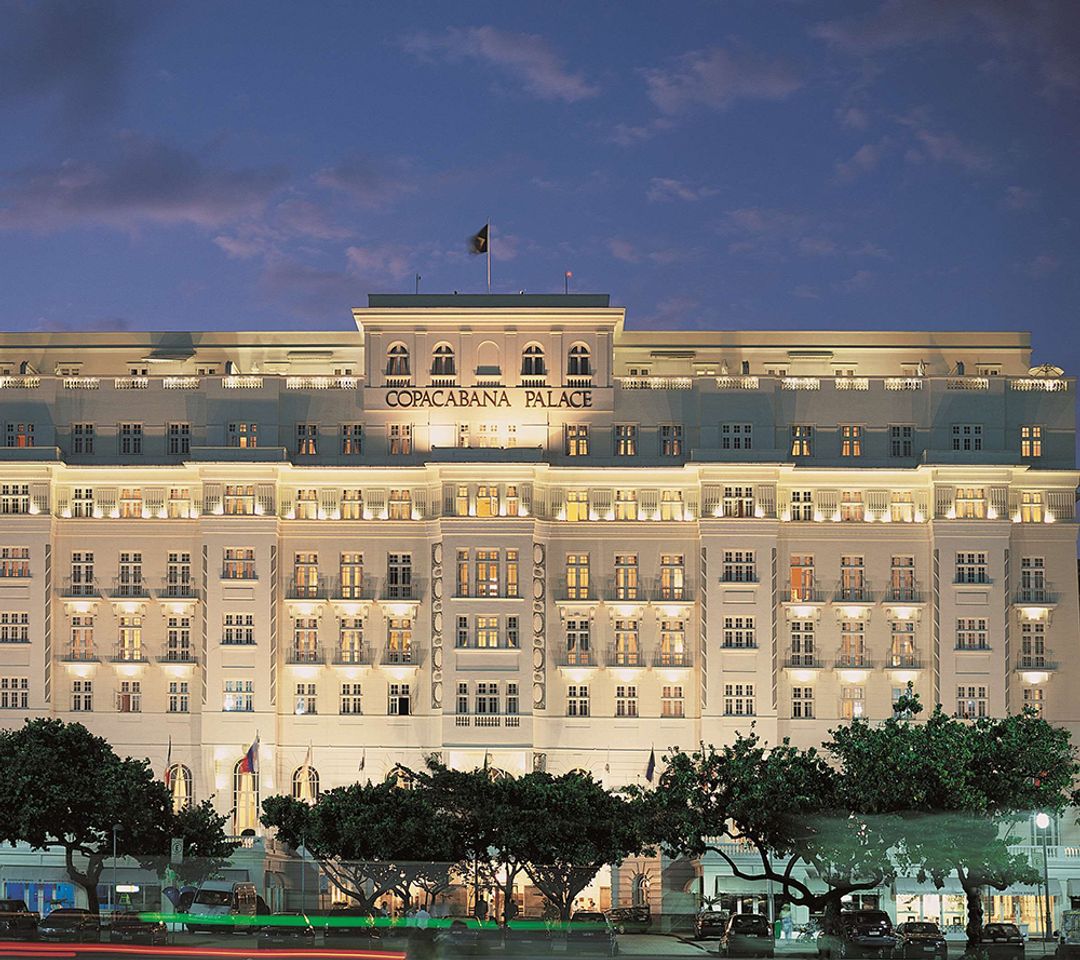
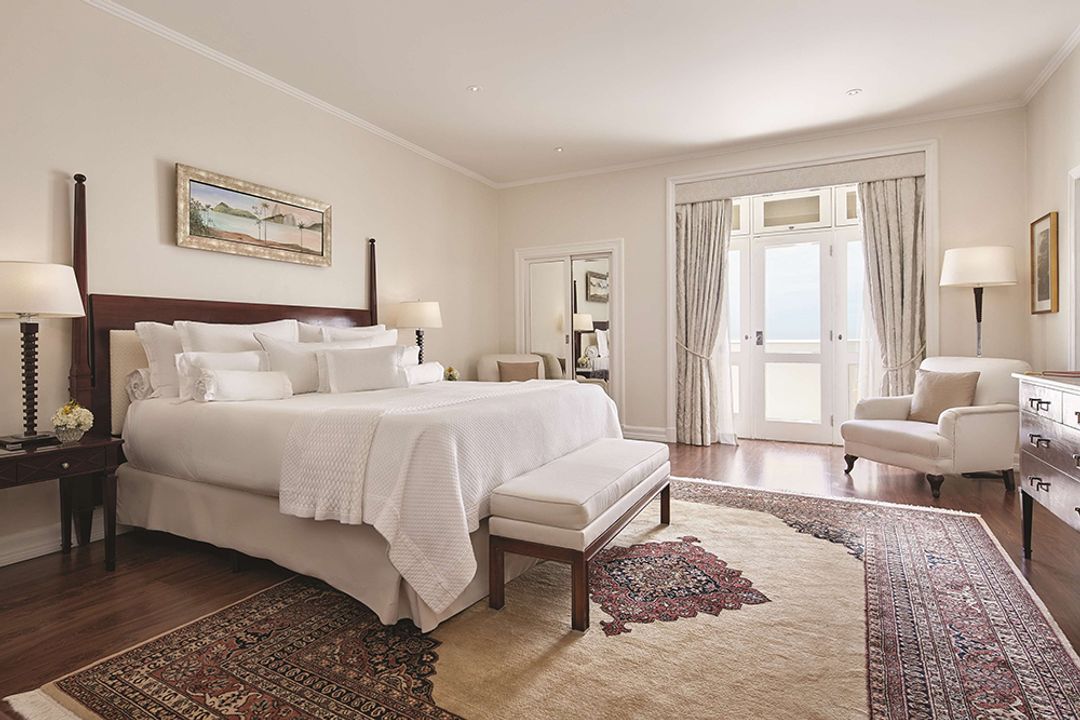
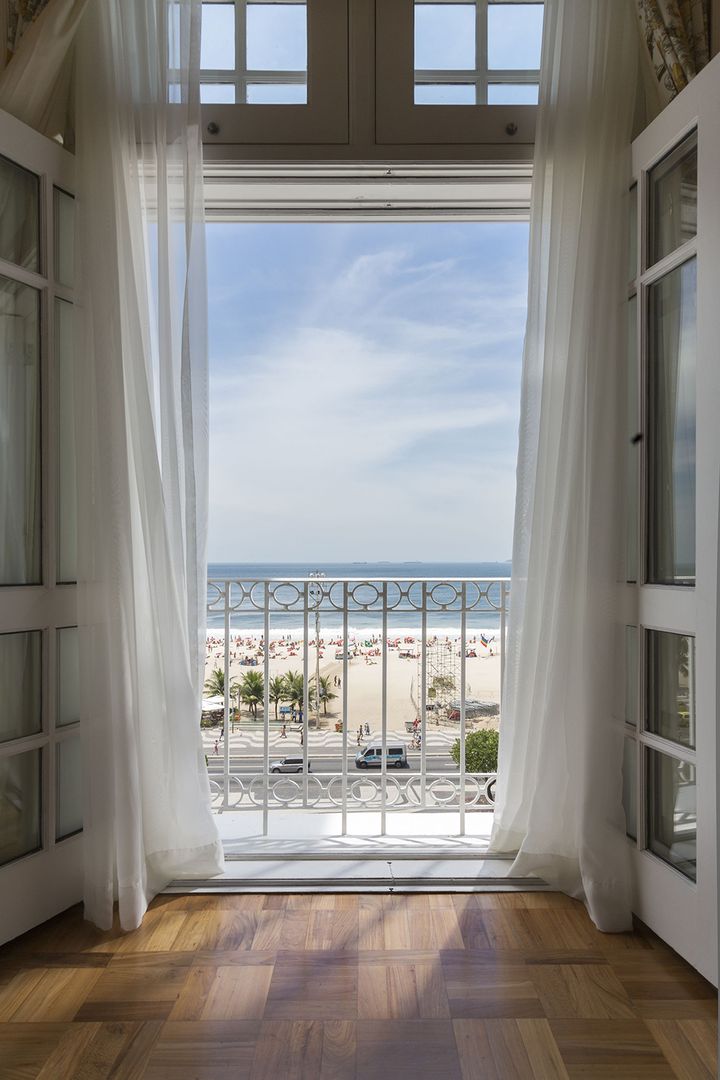
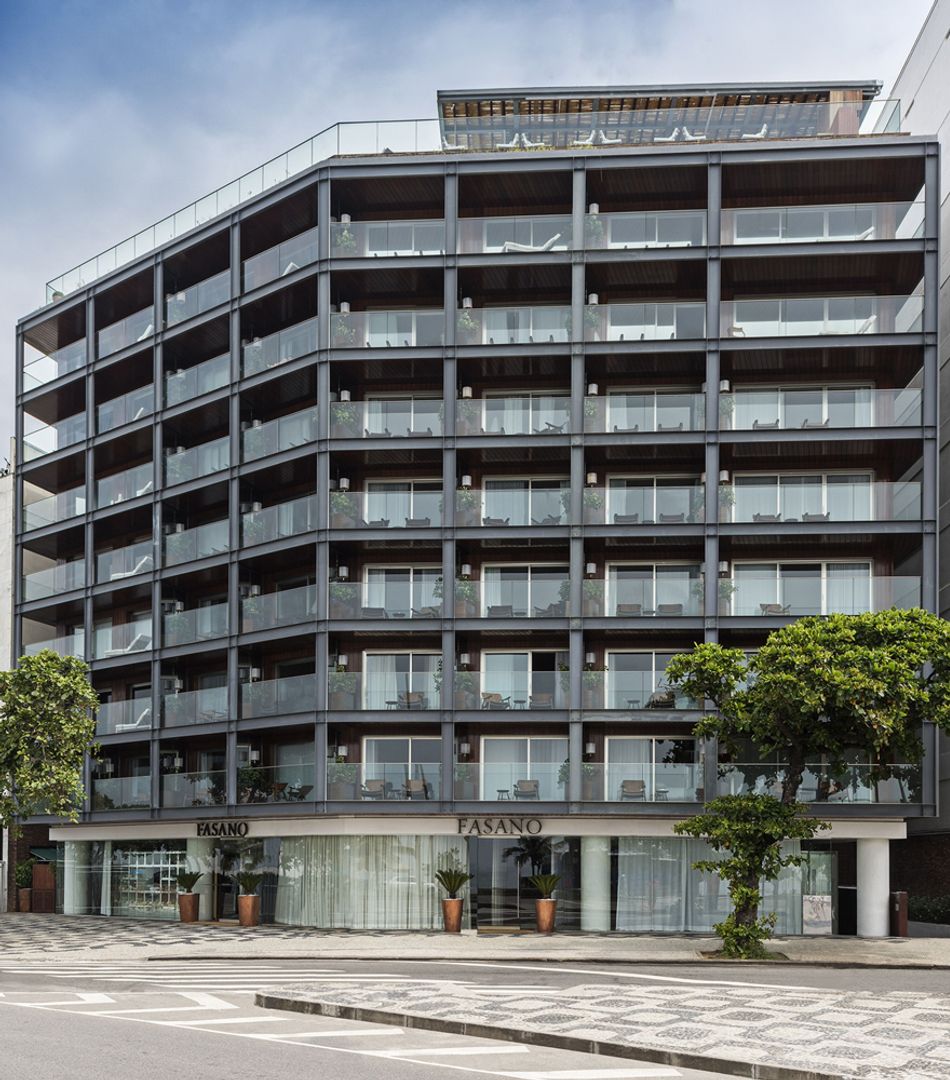
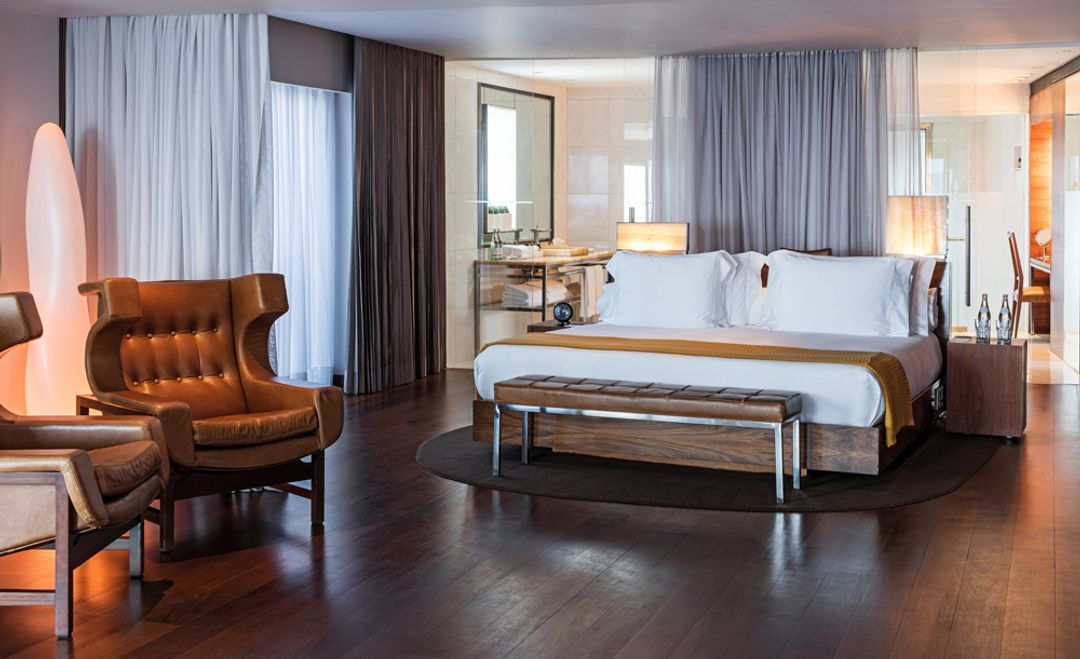
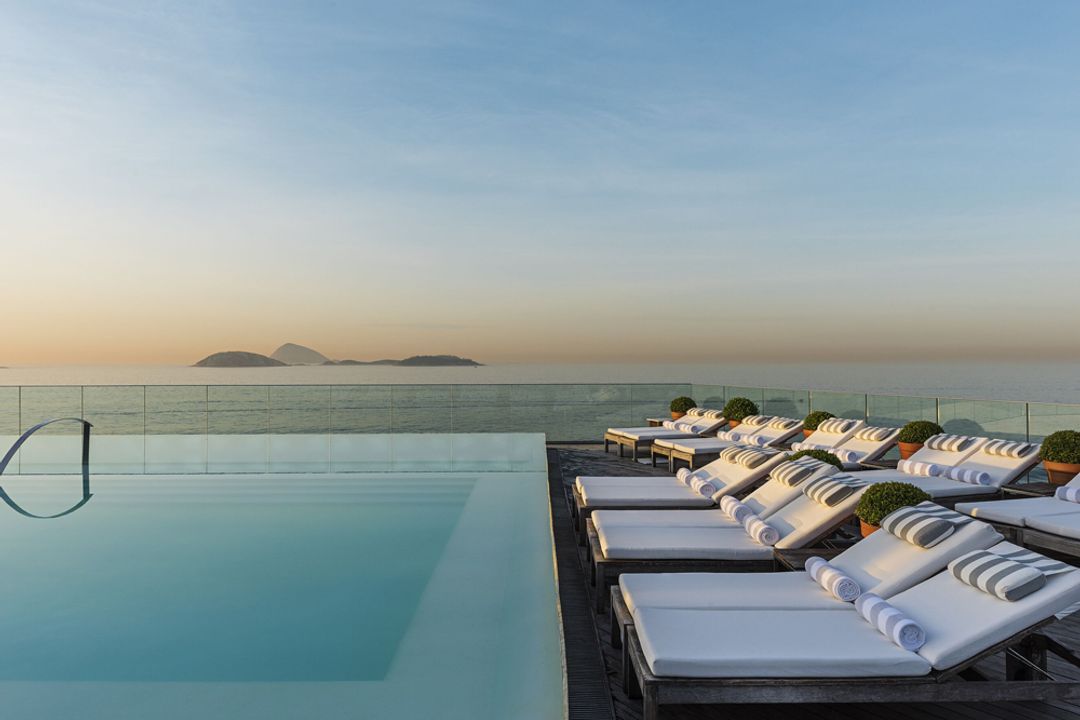
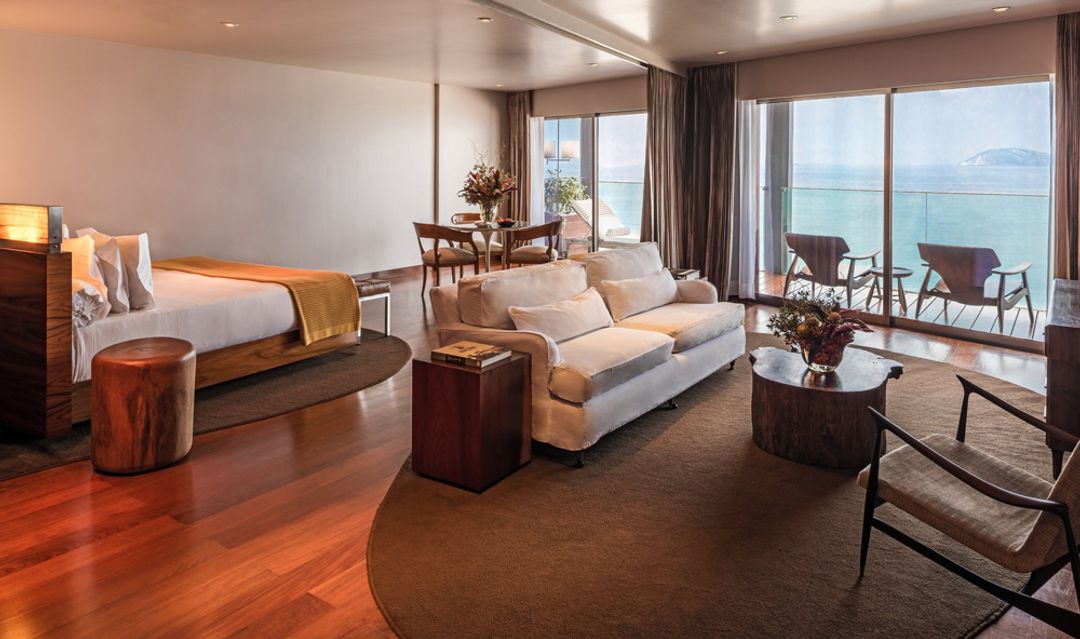
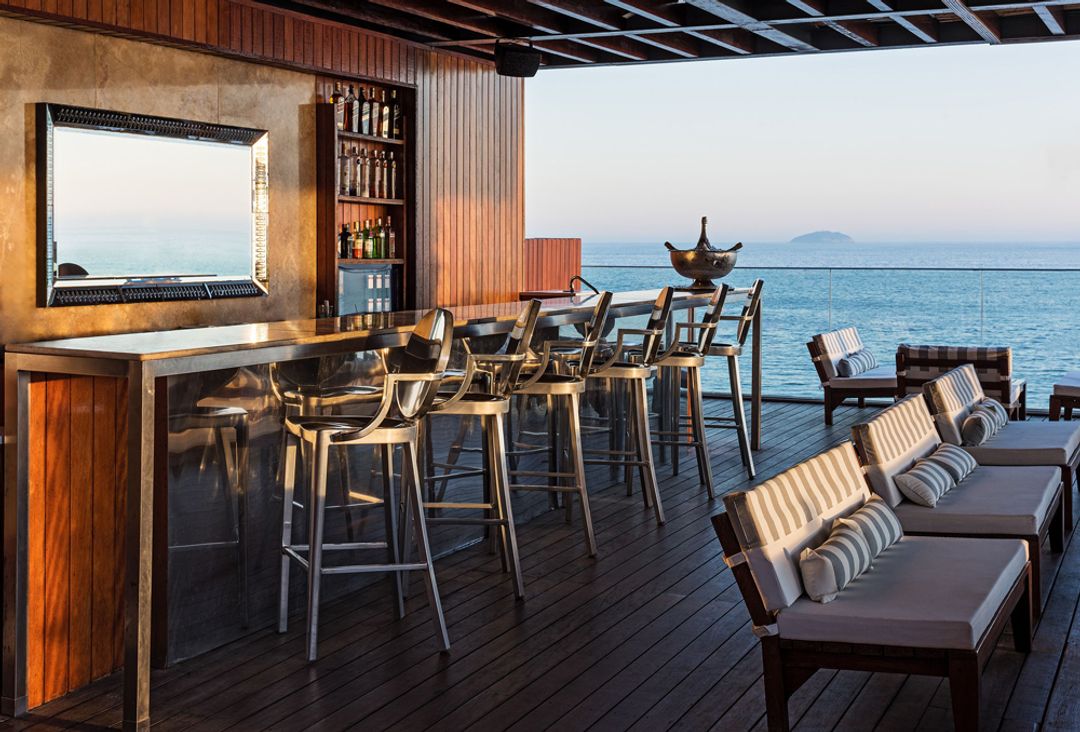
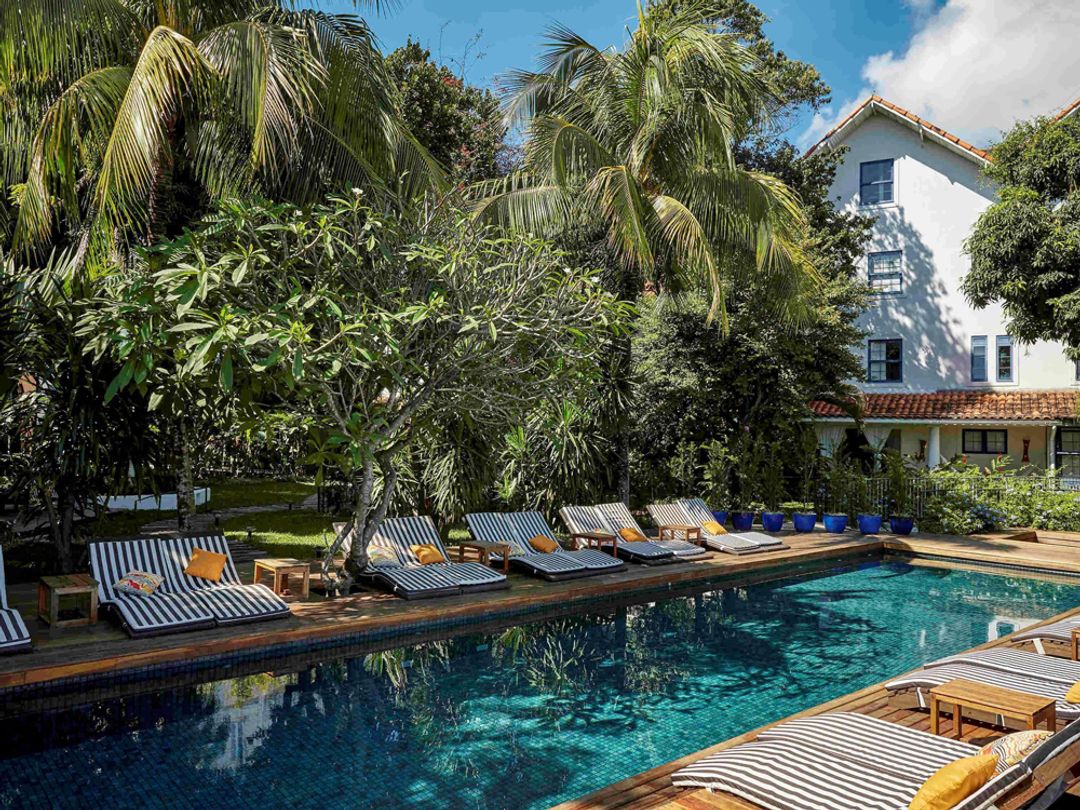
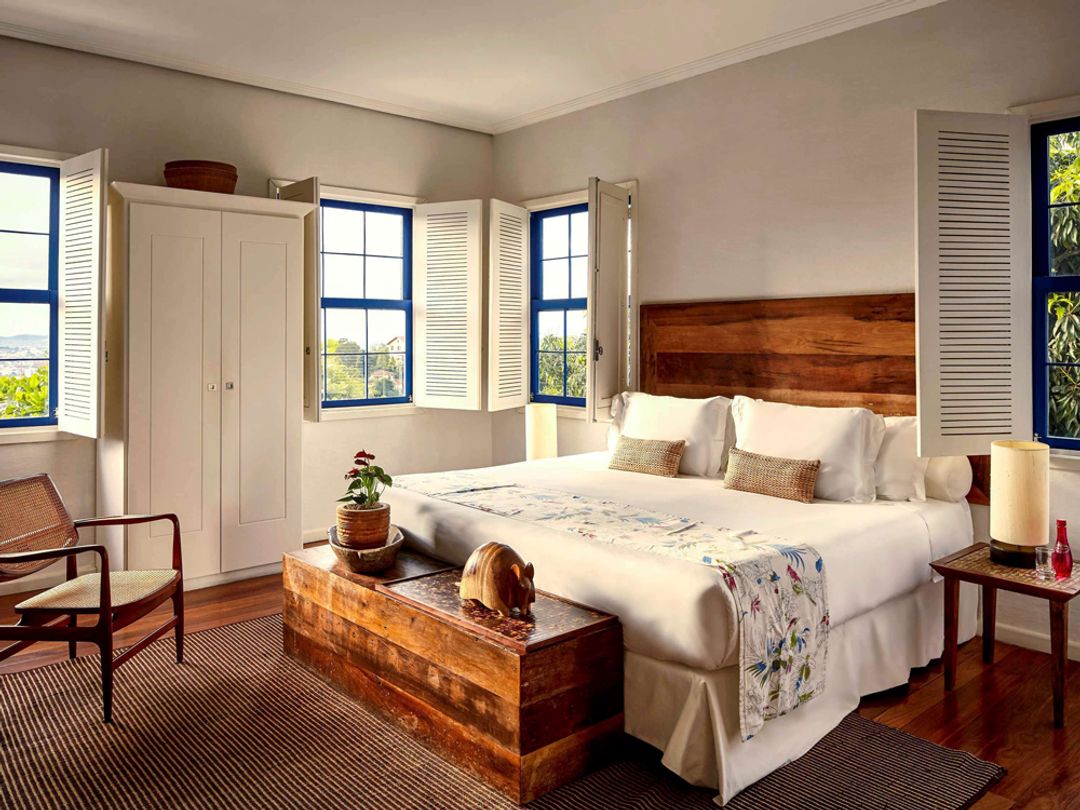
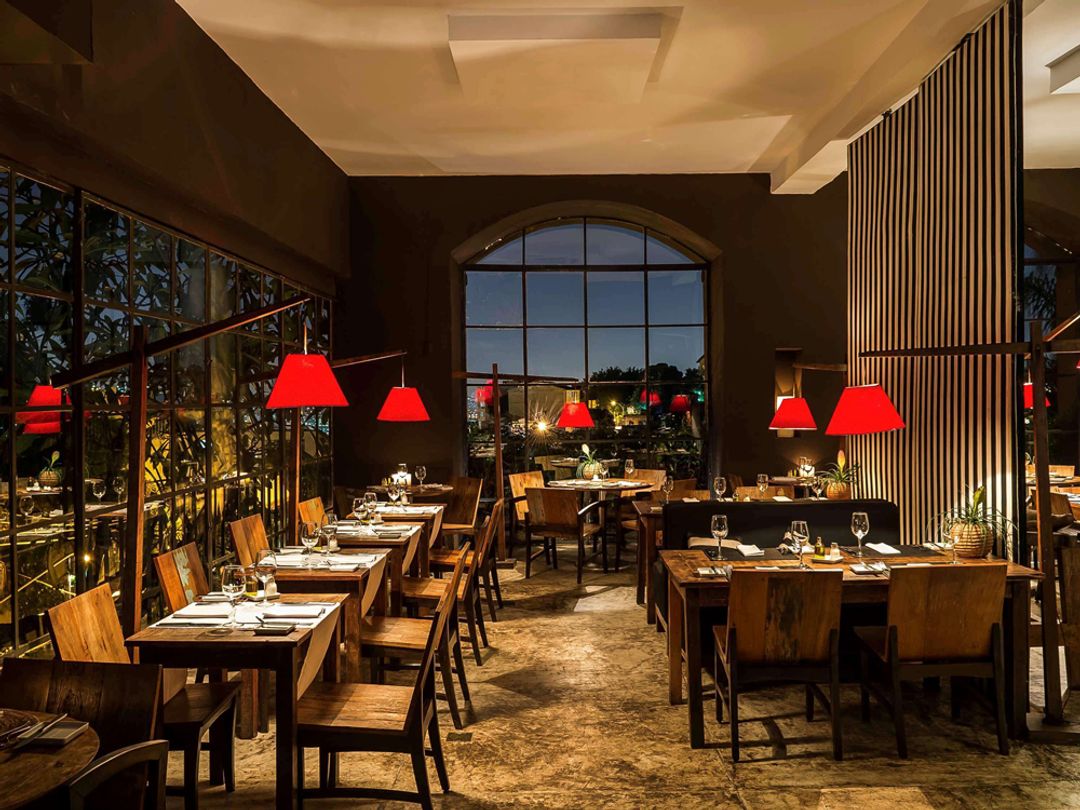
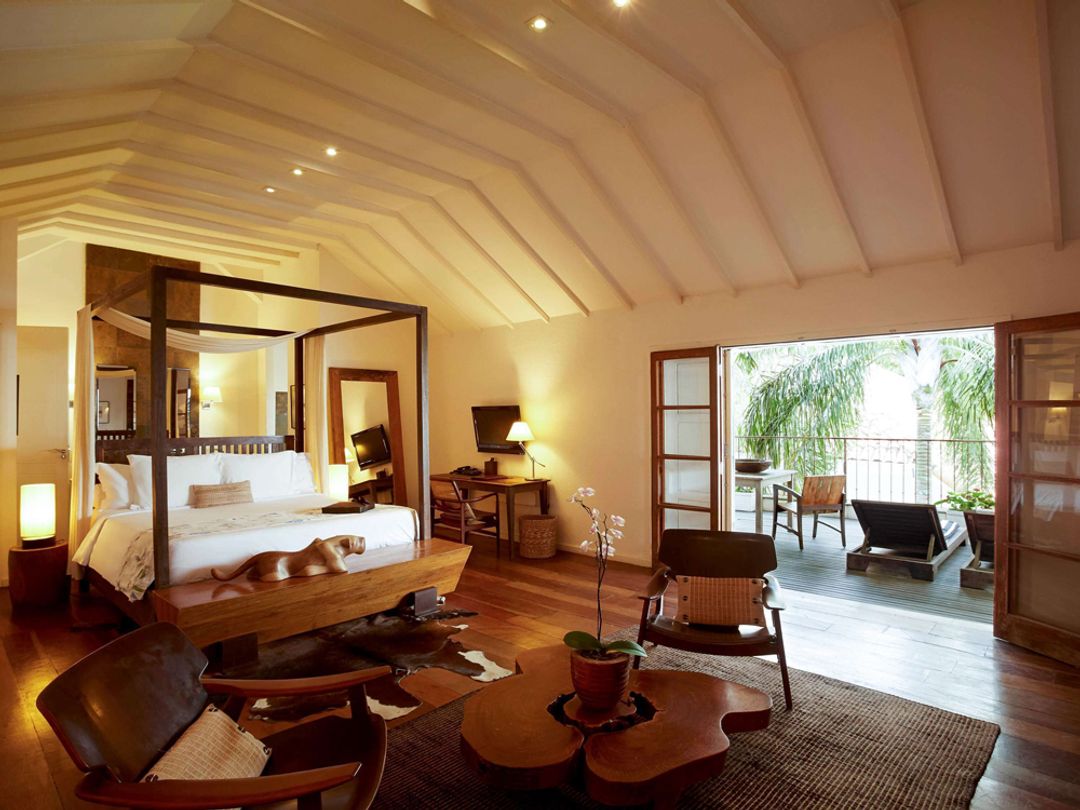
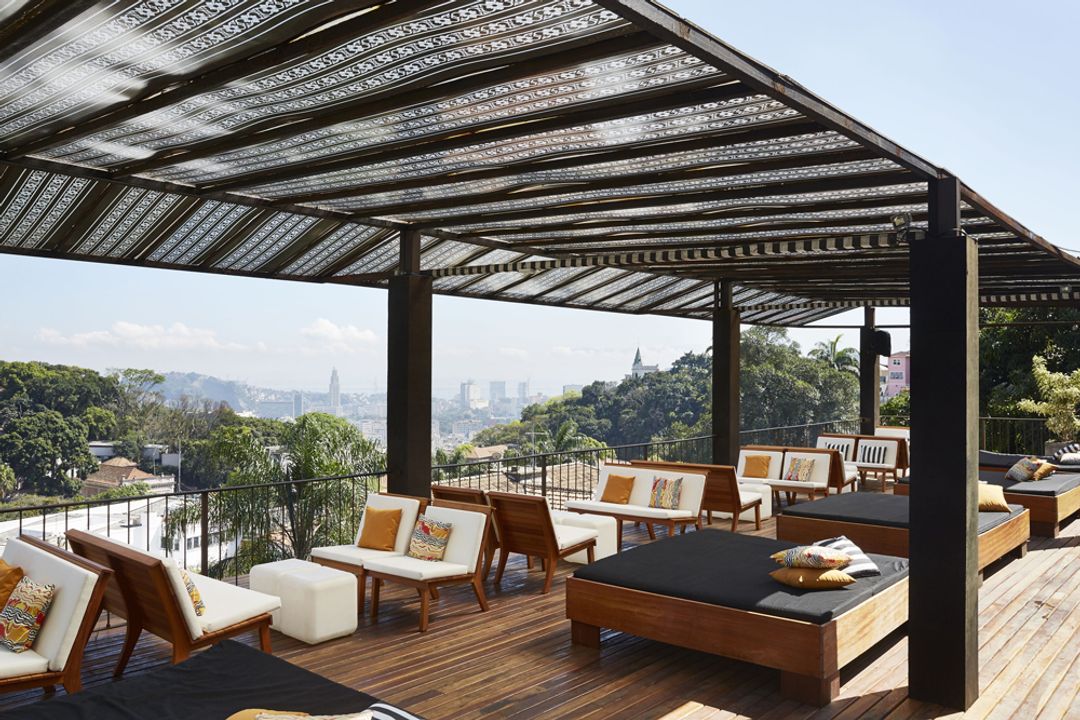
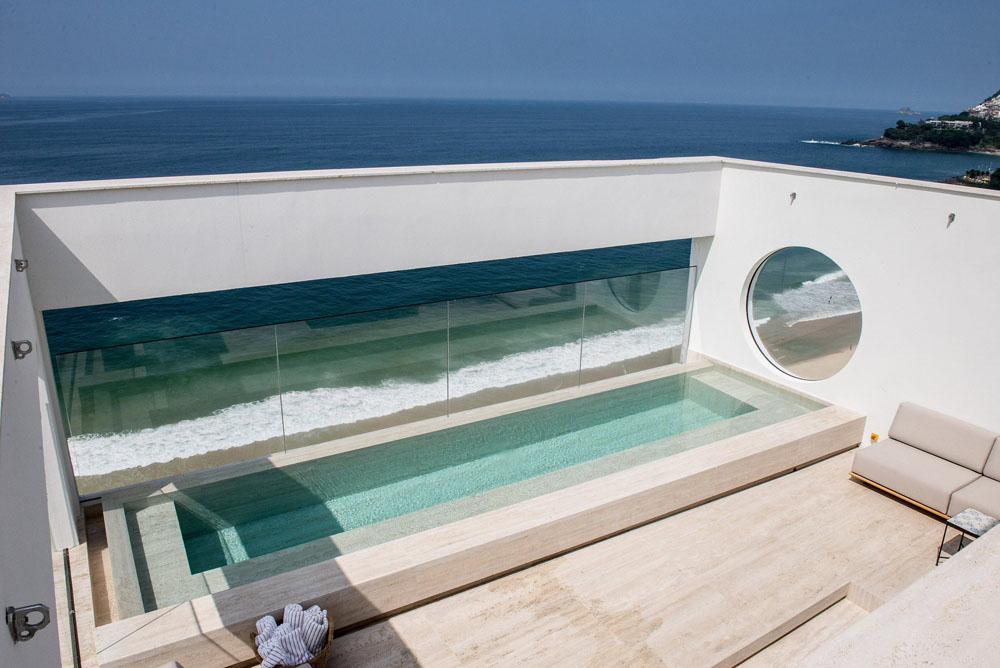
The white horizontal sweep of the Copacabana Palace has faced the Atlantic since 1923, when Joseph Gire — the French architect responsible for much of Rio's belle époque civic face — designed it in a register more Riviera than tropics. That tension has never fully resolved, and it remains part of the hotel's appeal: afternoon light off the ocean floods rooms that still carry the weight of Gire's classical proportions, while the city outside operates on entirely different terms. The Emiliano Rio, a few blocks down the same promenade, represents a more contemporary reckoning with Copacabana. Opened in 2020, it brings the São Paulo Emiliano group's rigorous material sensibility to the beachfront — local stone, restrained palettes, a rooftop pool that frames Sugarloaf with deliberate compositional care. The two hotels sit within walking distance of each other yet occupy different decades of hospitality thinking, which makes Copacabana, despite its density and noise, a genuinely interesting place to read the arc of Brazilian hotel design. Ipanema occupies a different psychological register. The Fasano Rio de Janeiro, designed by Philippe Starck with input from Rogério Fasano himself and completed in 2007, brought a kind of knowing mid-century glamour to the beachfront that felt calibrated to the neighborhood's self-image — slightly cooler, slightly less tourist-facing than Copacabana. The rooftop pool became one of the city's most photographed spaces almost immediately, which is either a testament to the design or a sign that it hit its marks too precisely. Either way, the Fasano remains the obvious choice for travelers whose loyalties run toward design lineage and the group's particular brand of unhurried Brazilian sophistication. The harder argument to make — but worth making — is for Santa Teresa. The MGallery property up in the hillside bairro trades altitude for atmosphere, housed in a restored nineteenth-century mansion with terracotta, colonial archways, and views across the city's topography that no beachfront room can replicate. At $628 a night it prices above its medium quality tier in ways that require some goodwill from the traveler, but Santa Teresa itself is the reason to go: a neighborhood of artists, steep cobblestones, and tram lines that feels genuinely apart from the orla. For anyone who finds Rio most interesting when it pulls away from the postcard and toward the complicated, it makes a persuasive case.