Best hotels in Phnom Penh, Cambodia | Visually Compare Top Stays Side-by-Side
Welcome to PressBeyond - a curated visual guide to design-driven hotels and the fastest way to compare them.
An Overview of the Boutique & Luxury Hotel Landscape in Phnom Penh, Cambodia
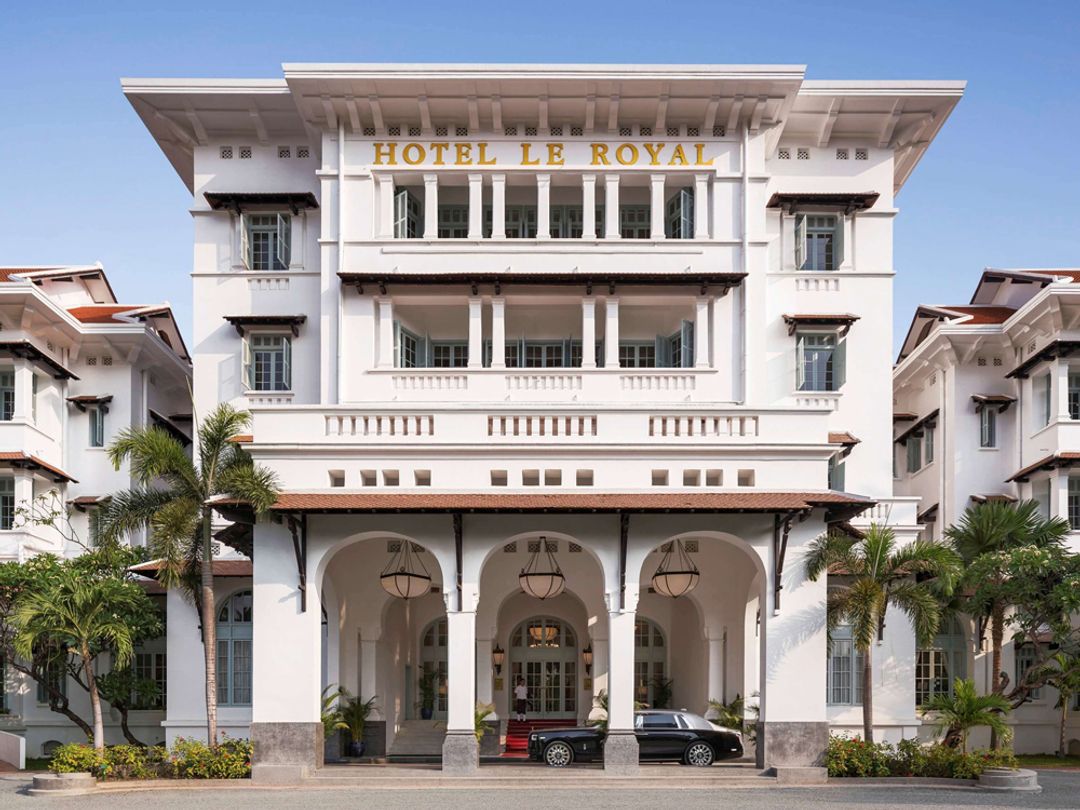
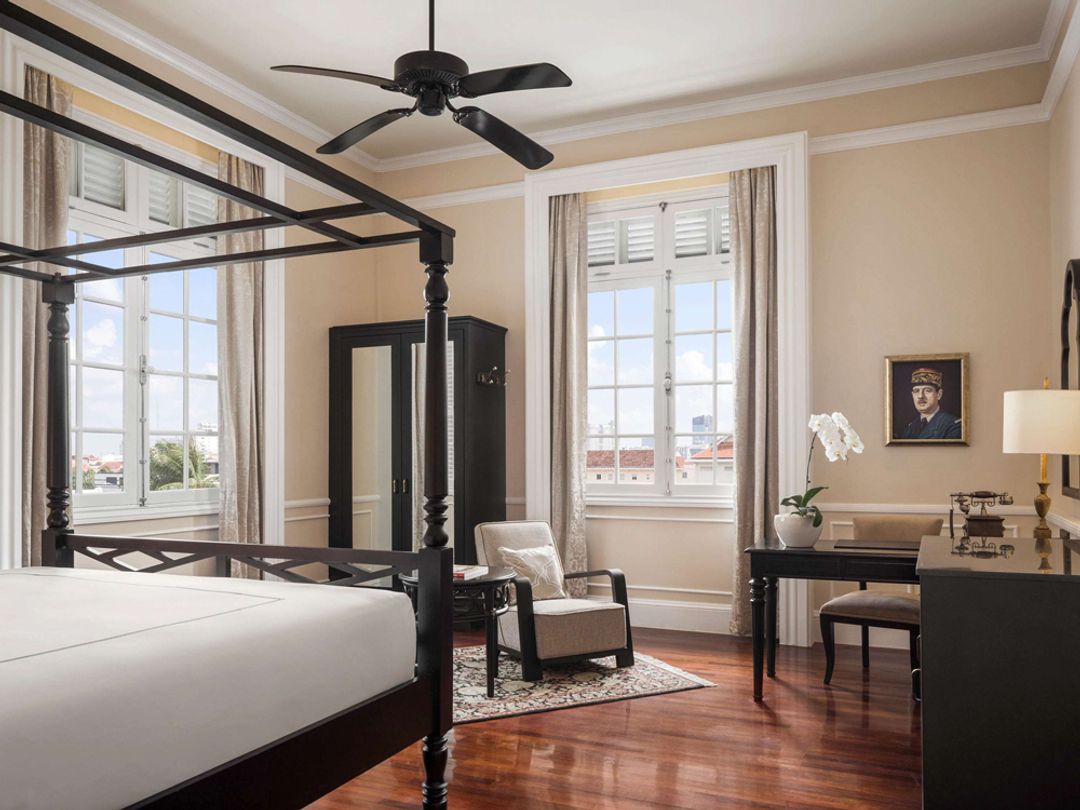
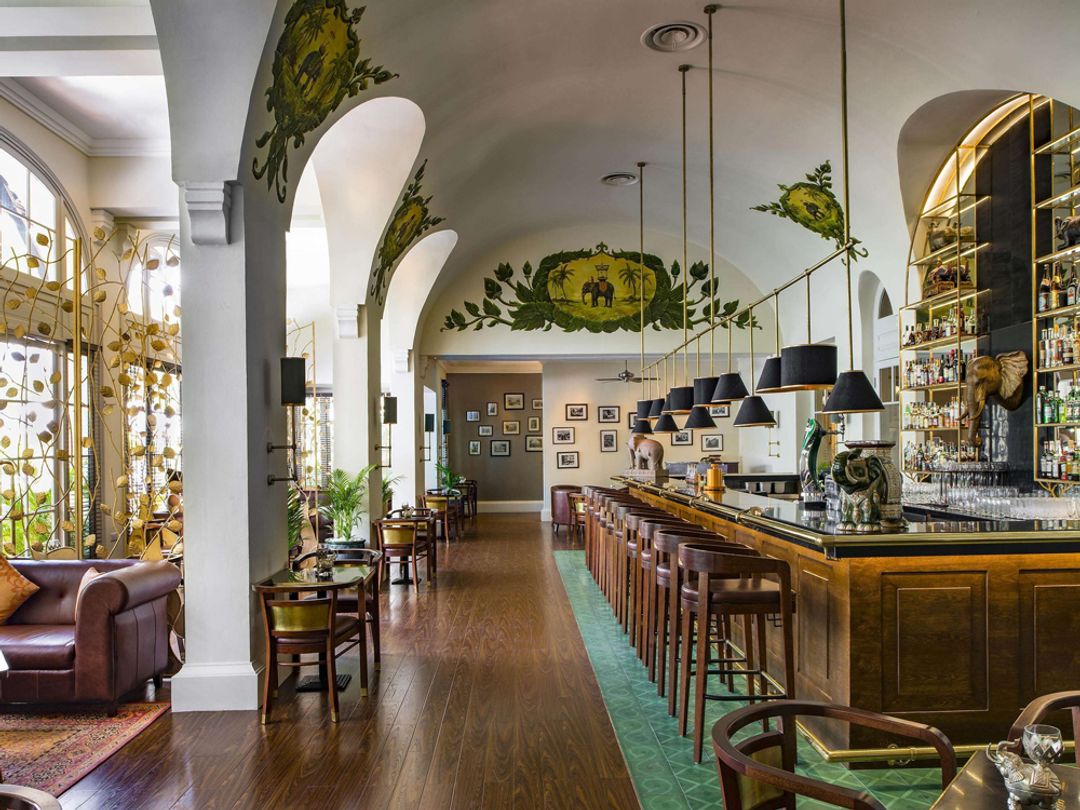
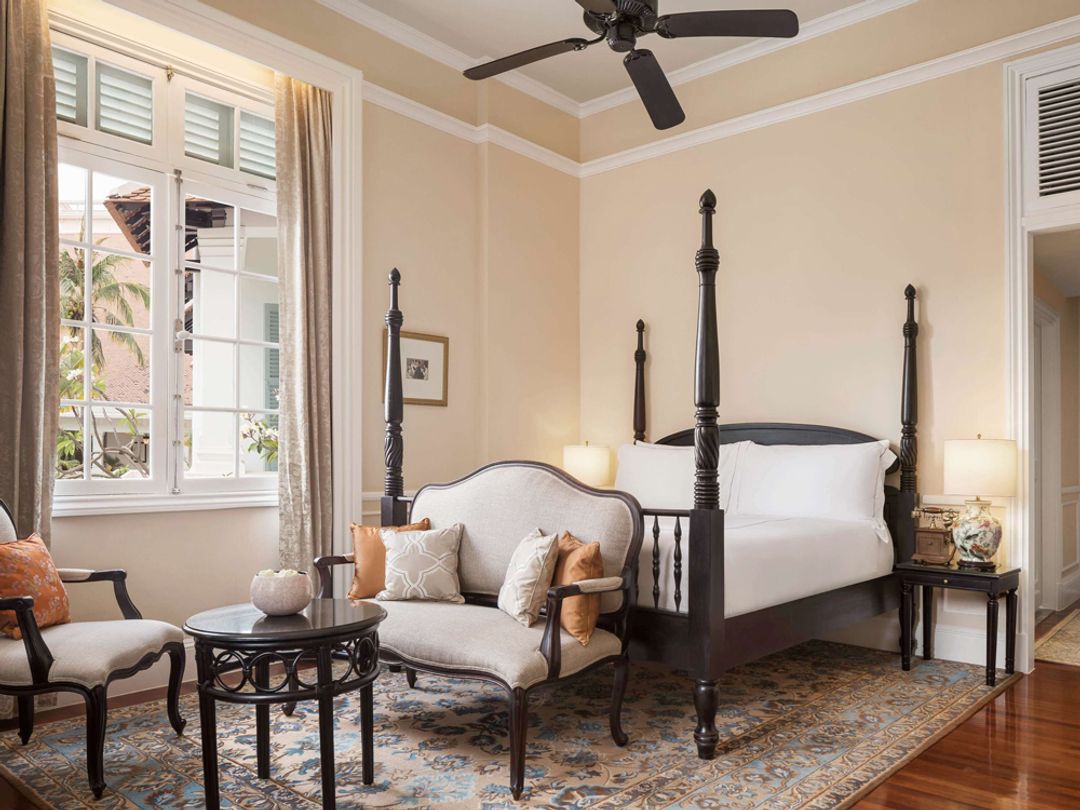
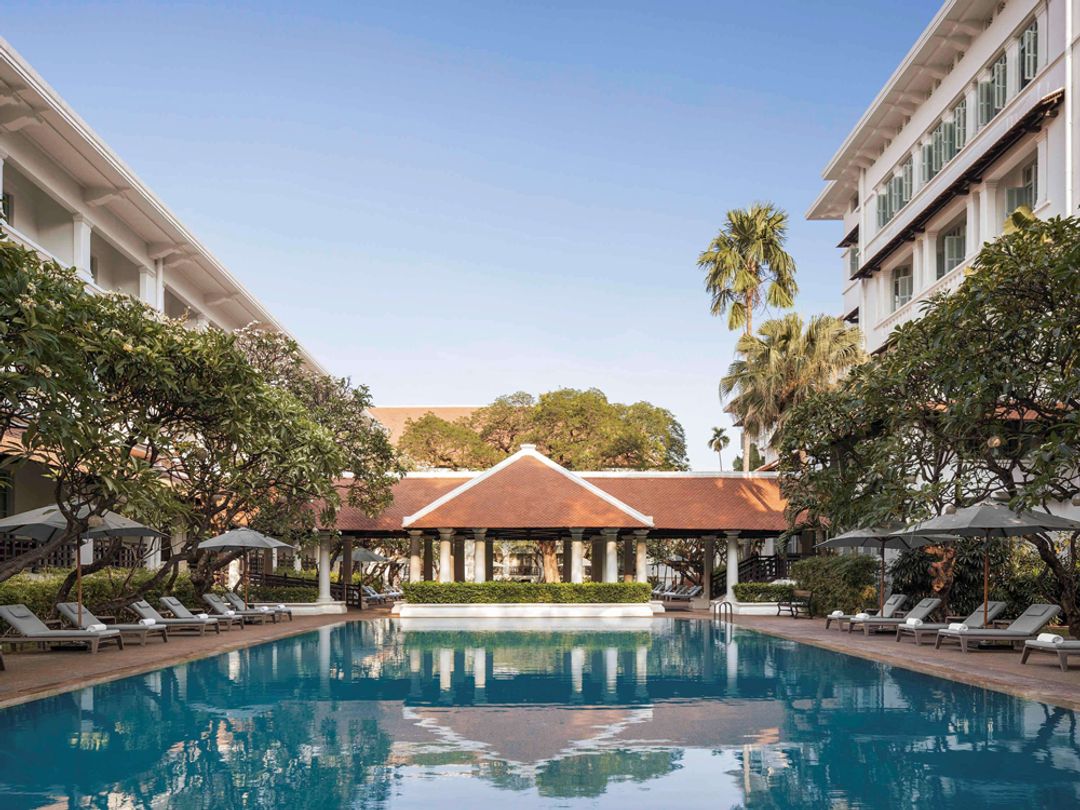
Phnom Penh rewards travelers who pay attention to surfaces. The city carries its French colonial inheritance with an ambivalence that makes its architecture fascinating to read, where pale rendered facades and shuttered balconies sit a block away from brutalist government buildings and the occasional Khmer-inflected New Wave structure from the 1950s and 1960s, when Vann Molyvann and his contemporaries tried to imagine a genuinely Cambodian modernism. Raffles Hotel Le Royal, in the old Daun Penh district near the Royal Palace, belongs to that colonial layer — opened in 1929 and restored to operational elegance by Raffles in 1997, it holds the long memory of the city in its pitched rooflines, its frangipani-shaded terraces, and its Elephant Bar, which became something close to a journalistic institution during the decades Cambodia spent in crisis. Staying there is an exercise in understanding what the city has survived.
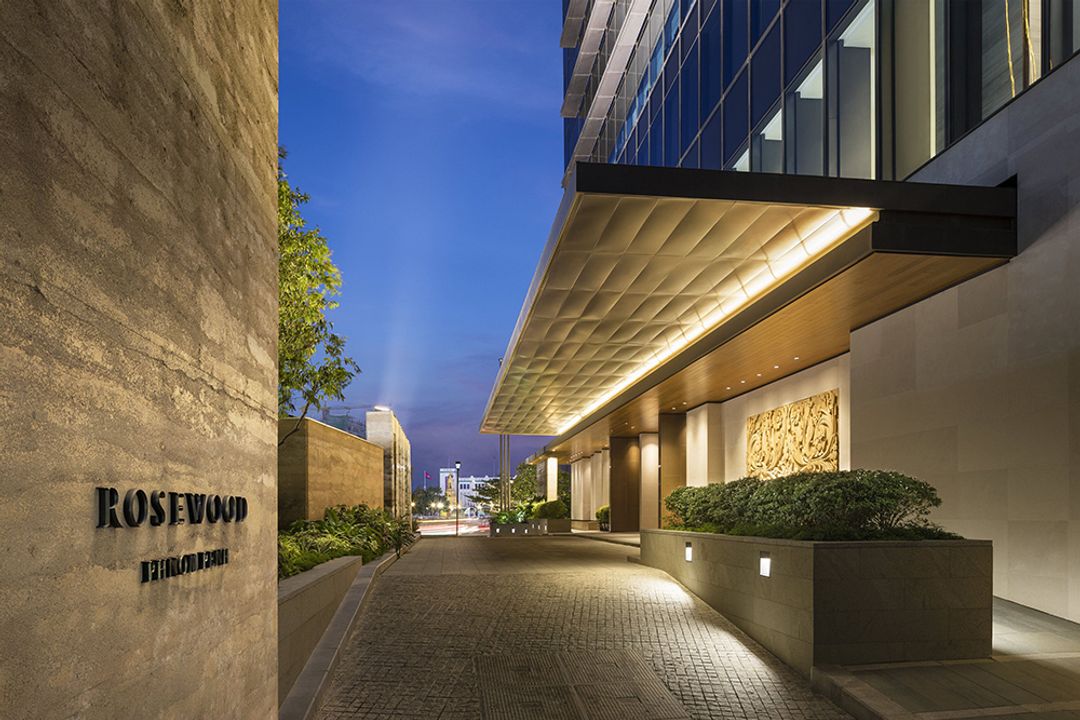
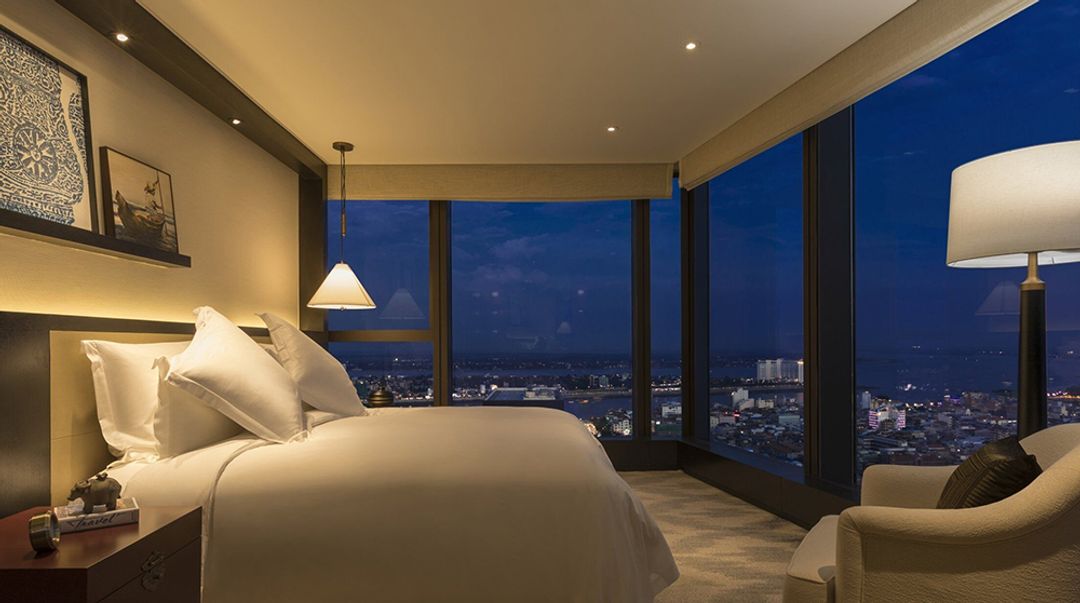
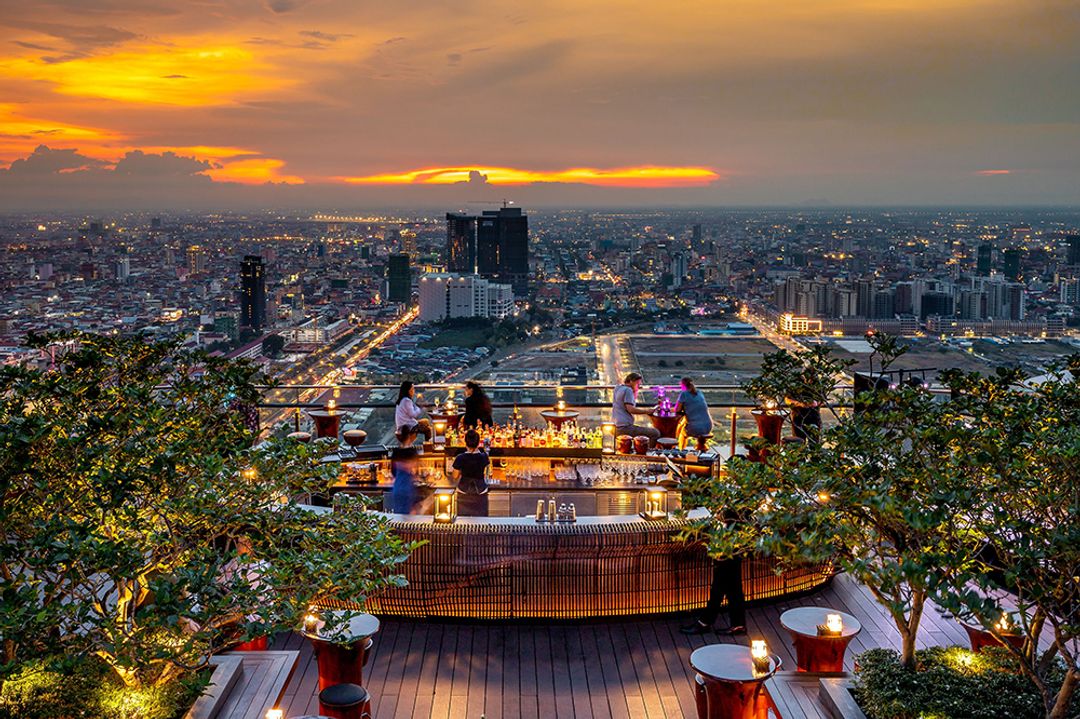
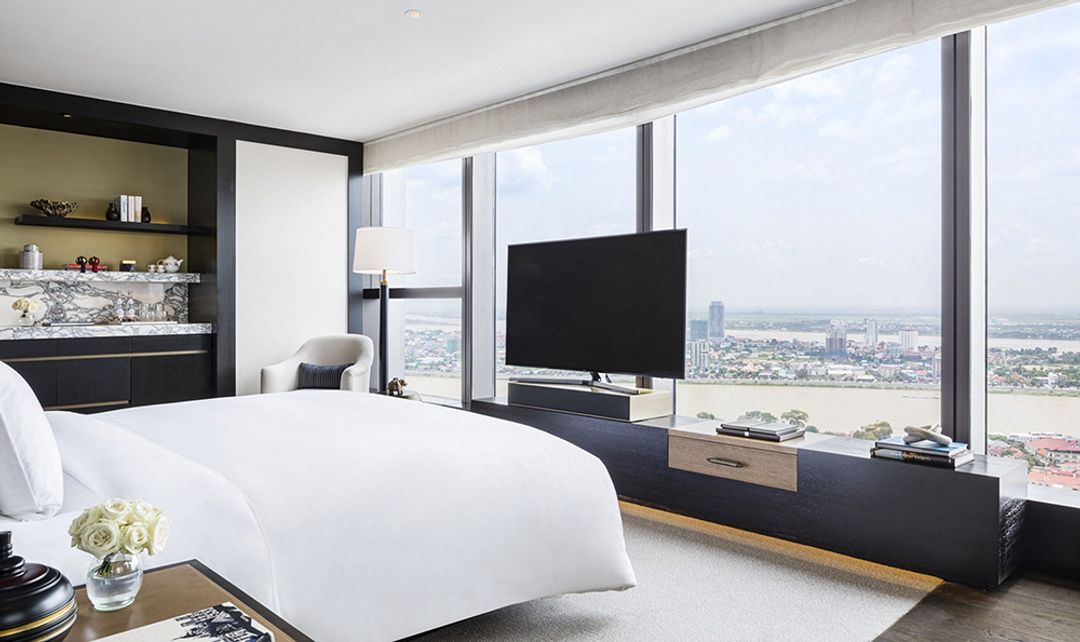
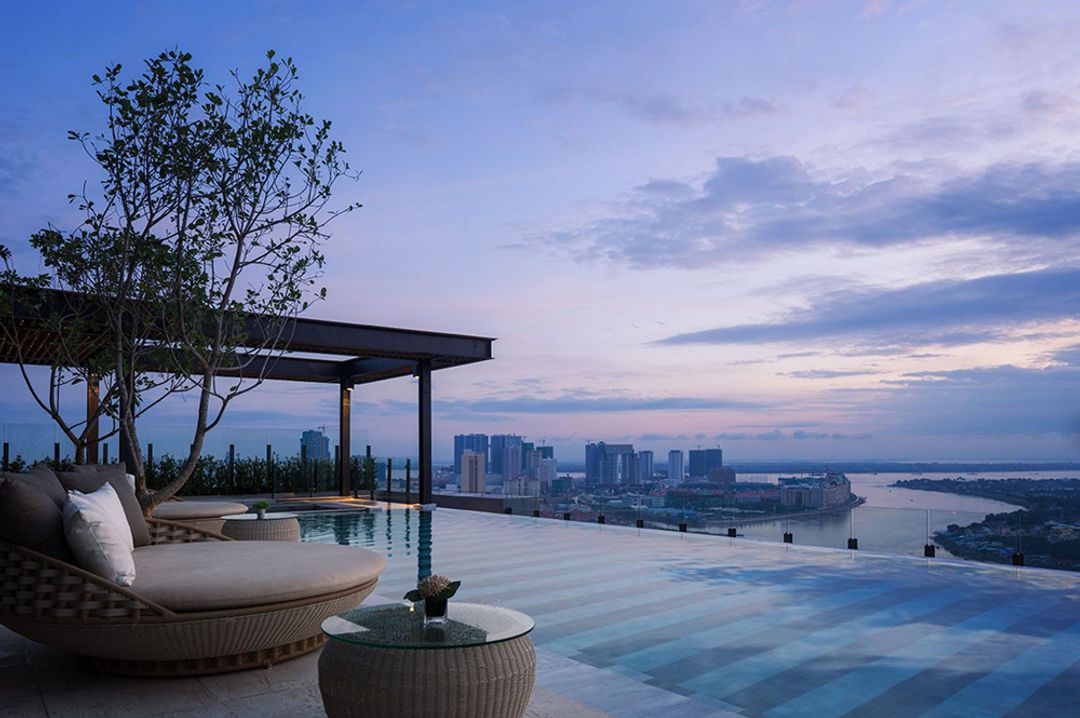
The Rosewood Phnom Penh occupies a very different register. Positioned high in the Vattanac Capital tower in Sangkat Voat Phnum, one of the city's tallest buildings, it is thoroughly contemporary in its ambitions, with interiors that use Cambodian craft materials, silk, lacquerwork, and stone in a way that reads as considered rather than decorative. The altitude changes the city entirely: from the upper floors you see the Tonle Sap and Mekong rivers converging, and the low residential roofscape that still defines most of Phnom Penh beyond its central corridors. This is the hotel for a traveler who wants the city framed from above before encountering it at street level.
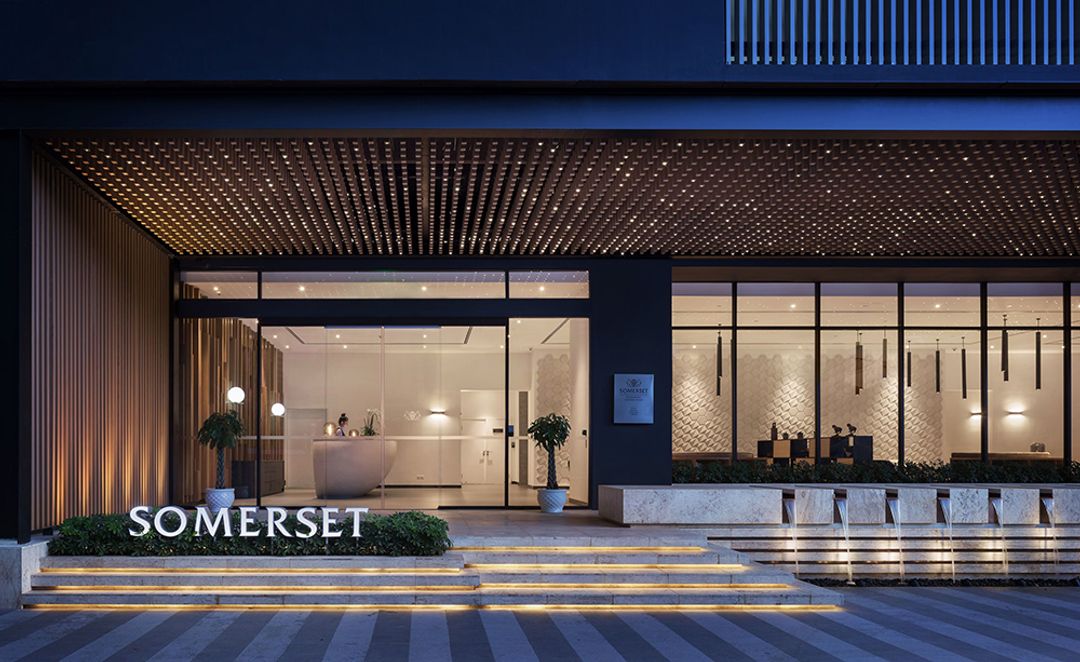
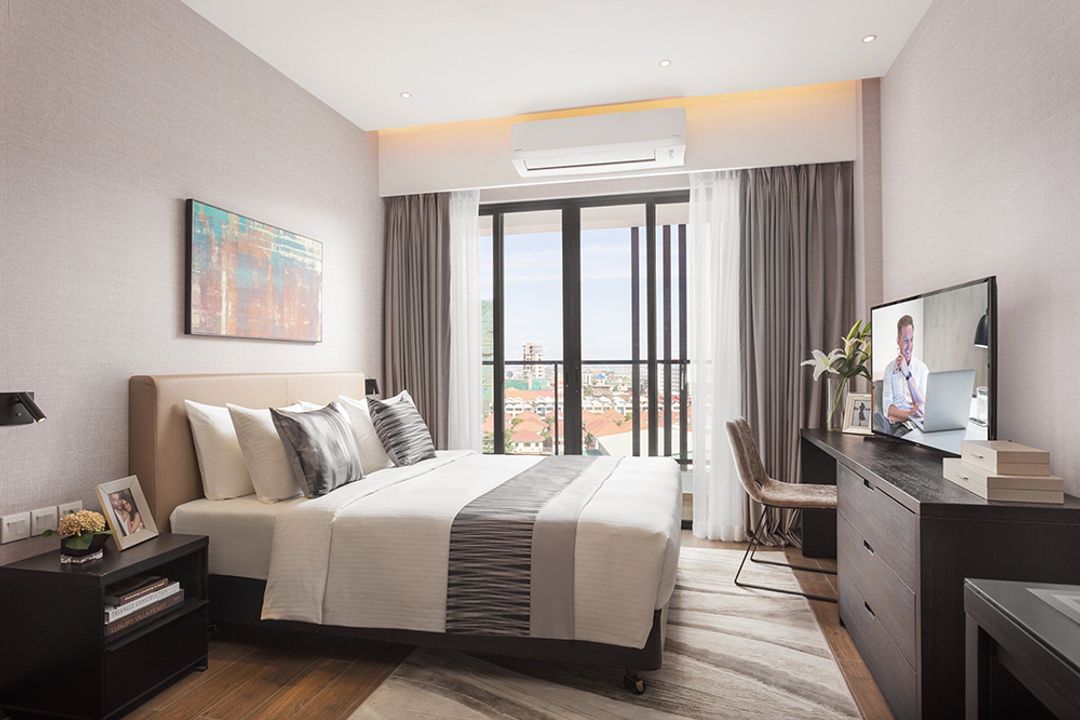
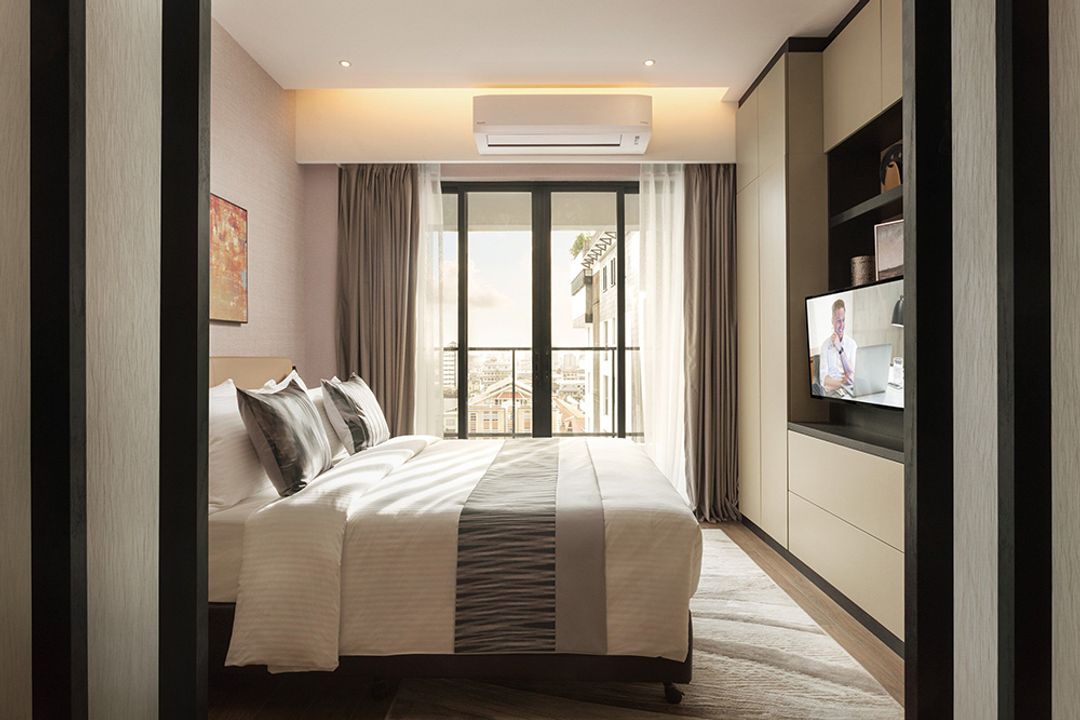
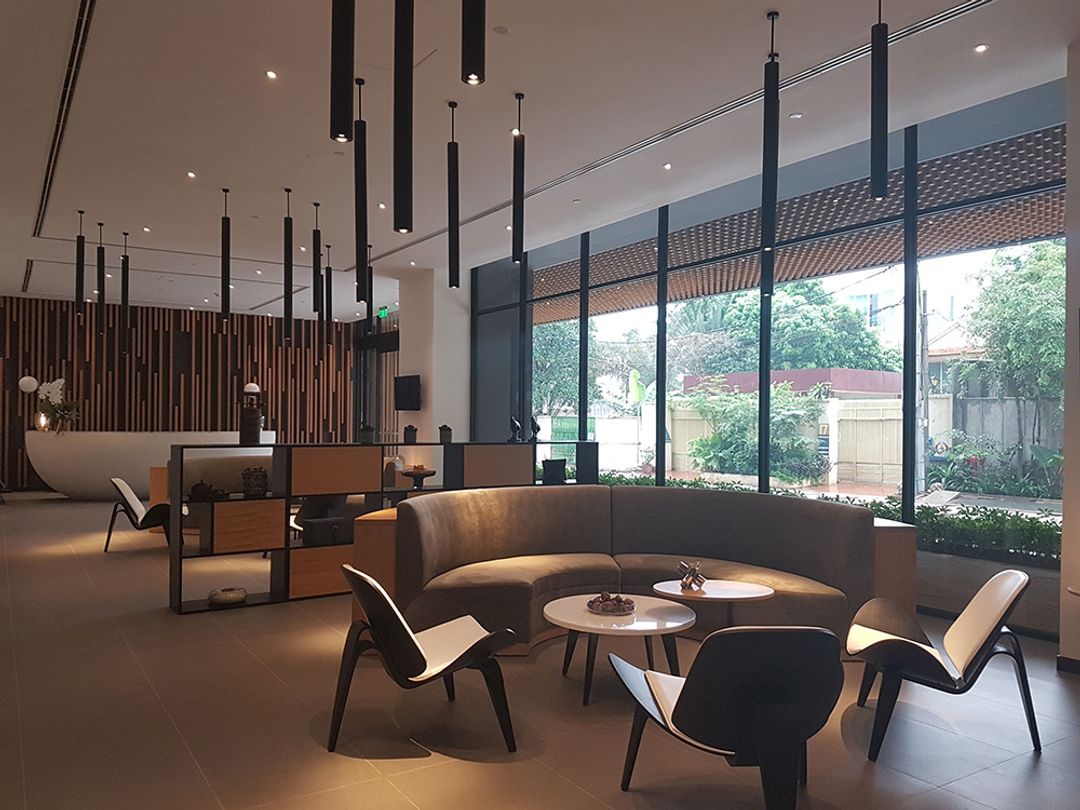
Somerset Norodom Phnom Penh operates on a quieter frequency, situated in Tonle Bassac, the neighborhood south of the city center that has grown into a practical district of embassies, restaurants, and apartment towers. As a serviced residence, it draws long-stay visitors rather than short-term arrivals, and its rates reflect that positioning. For anyone spending more than a few days in the city on business, or simply wanting space and a kitchen over atmosphere, it offers a grounded alternative to the ceremony of the other two. Between Le Royal's colonial gravitas, the Rosewood's vertical ambition, and Somerset's utilitarian ease, these three properties sketch out something real about a city still working out what it wants to become.