Best hotels in Whistler, Canada | Visually Compare Top Stays Side-by-Side
Welcome to PressBeyond - a curated visual guide to design-driven hotels and the fastest way to compare them.
An Overview of the Boutique & Luxury Hotel Landscape in Whistler, Canada
Whistler was purpose-built for winter, and that ambition shows in its bones. The resort was conceived in the early 1960s with an eye toward hosting the Olympics, a goal that finally materialized in 2010, and the architecture reflects decades of deliberate mountain-town construction rather than organic growth. The result is a place that reads as unusually coherent for a ski resort: pedestrian-scaled, timber-heavy, and insulated from the car in ways that most North American mountain destinations never managed. Within that coherent frame, however, the two distinct villages, Whistler Village and Creekside, produce genuinely different experiences for anyone paying attention to where they land.
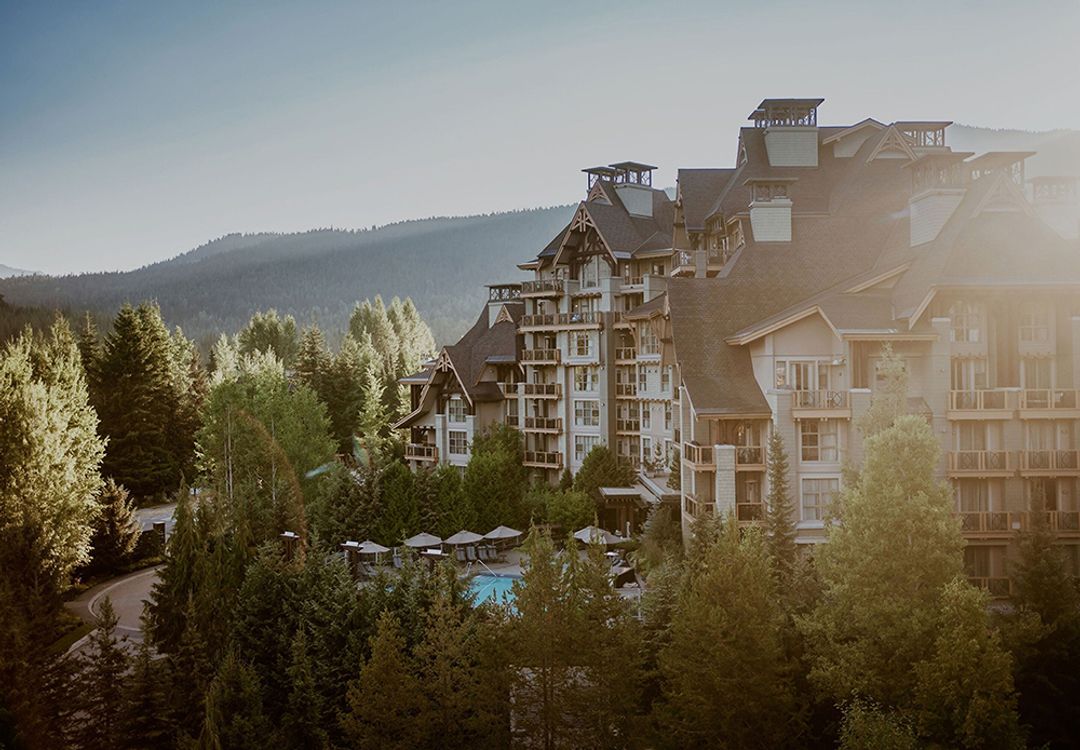
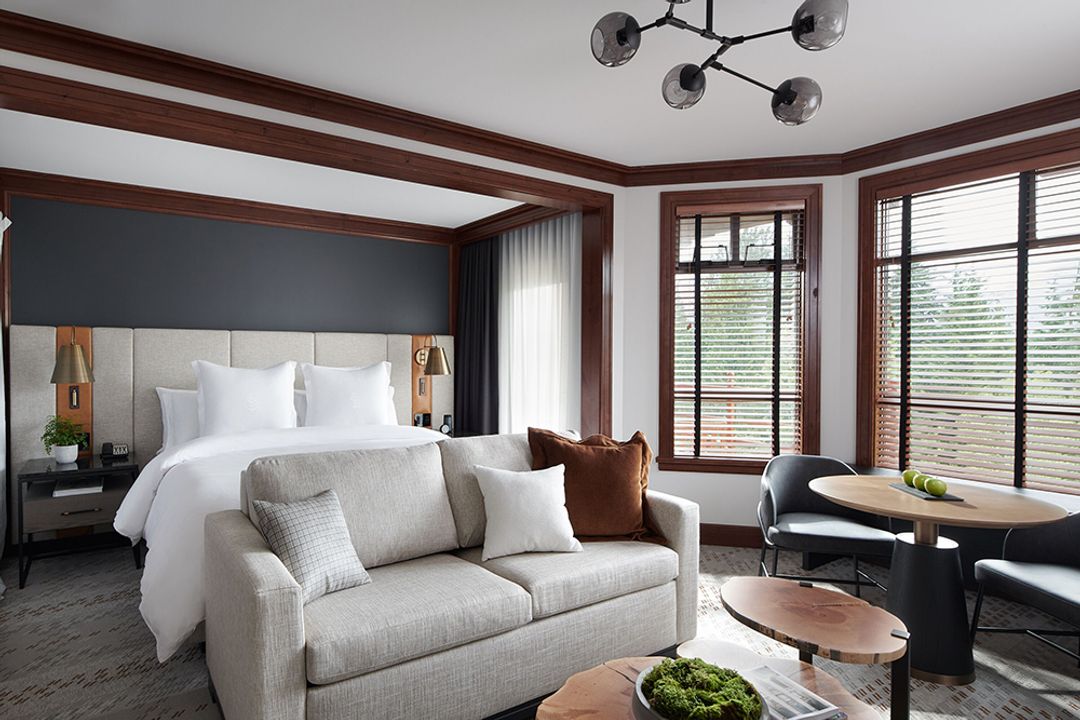
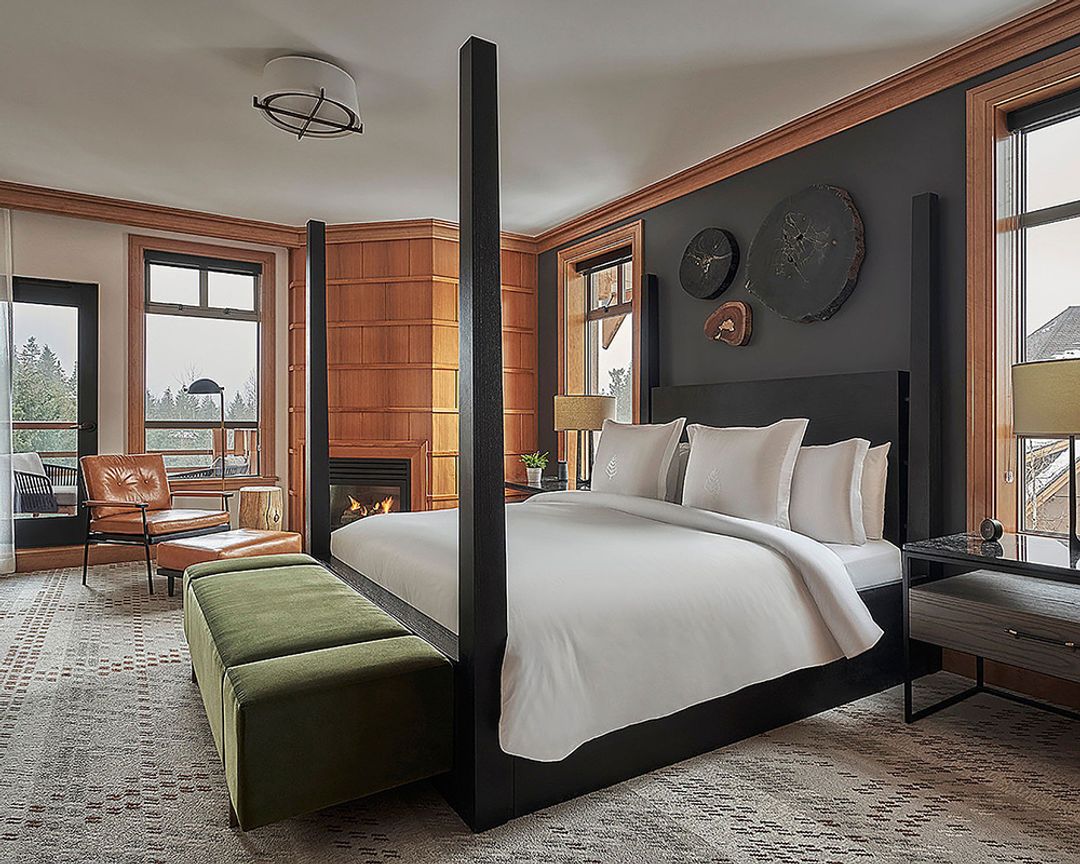
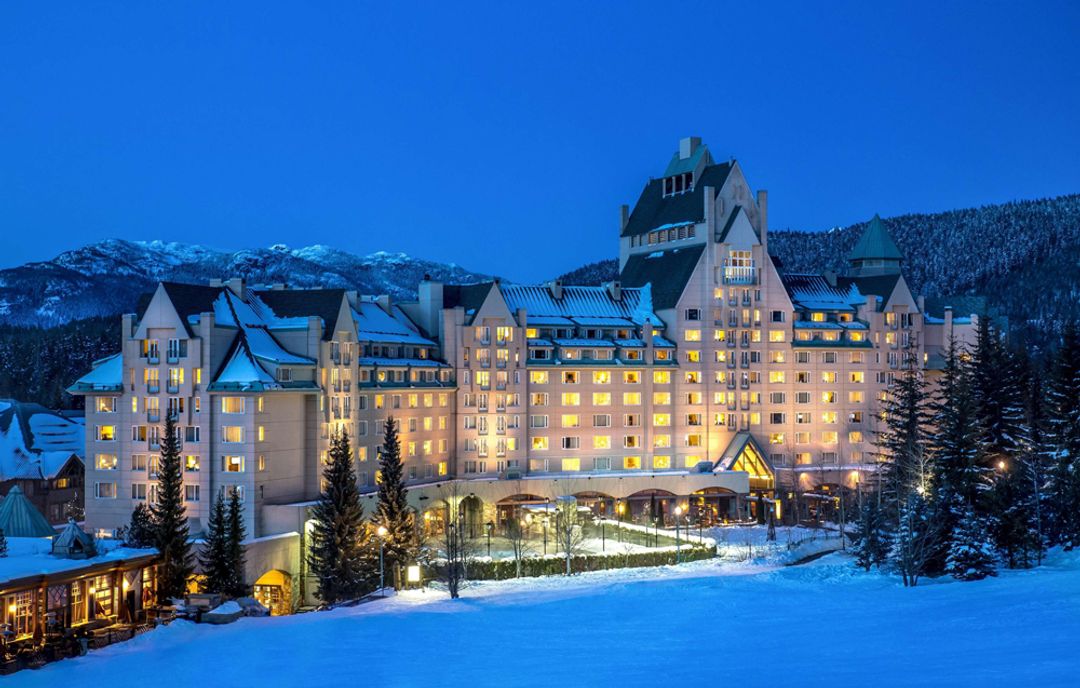
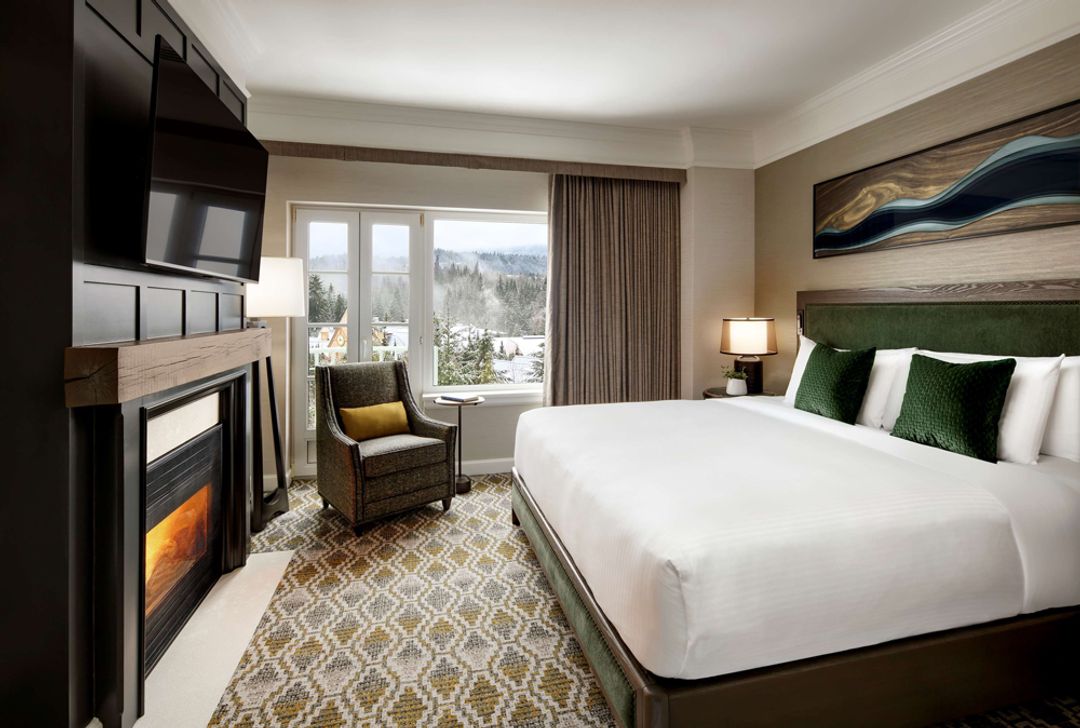
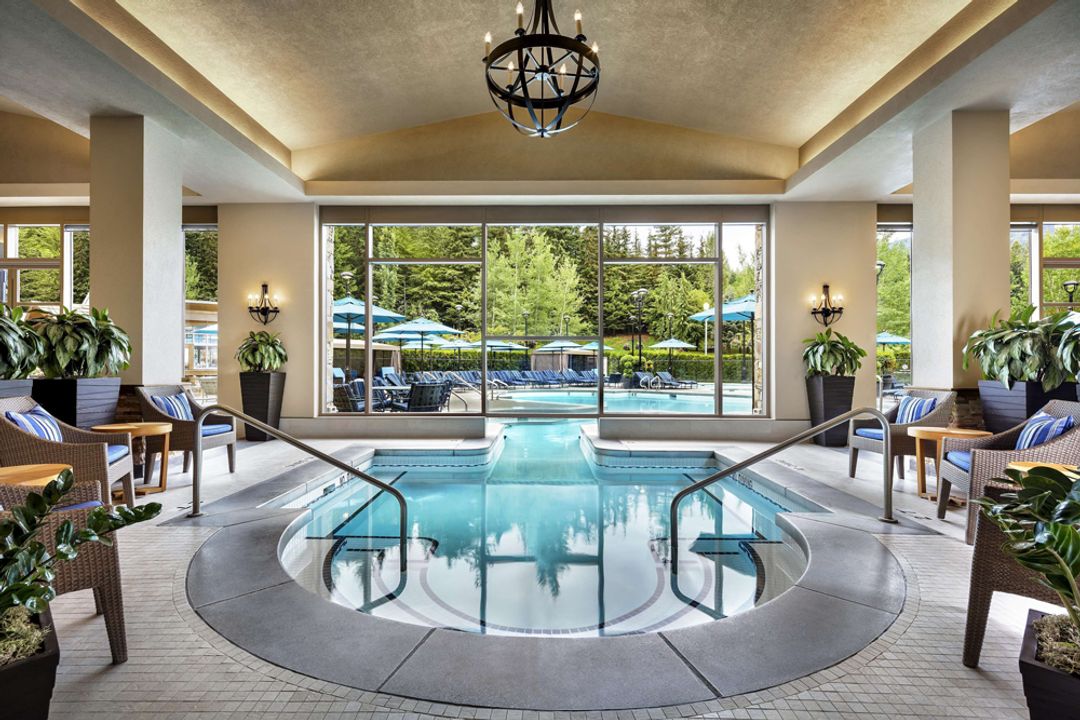
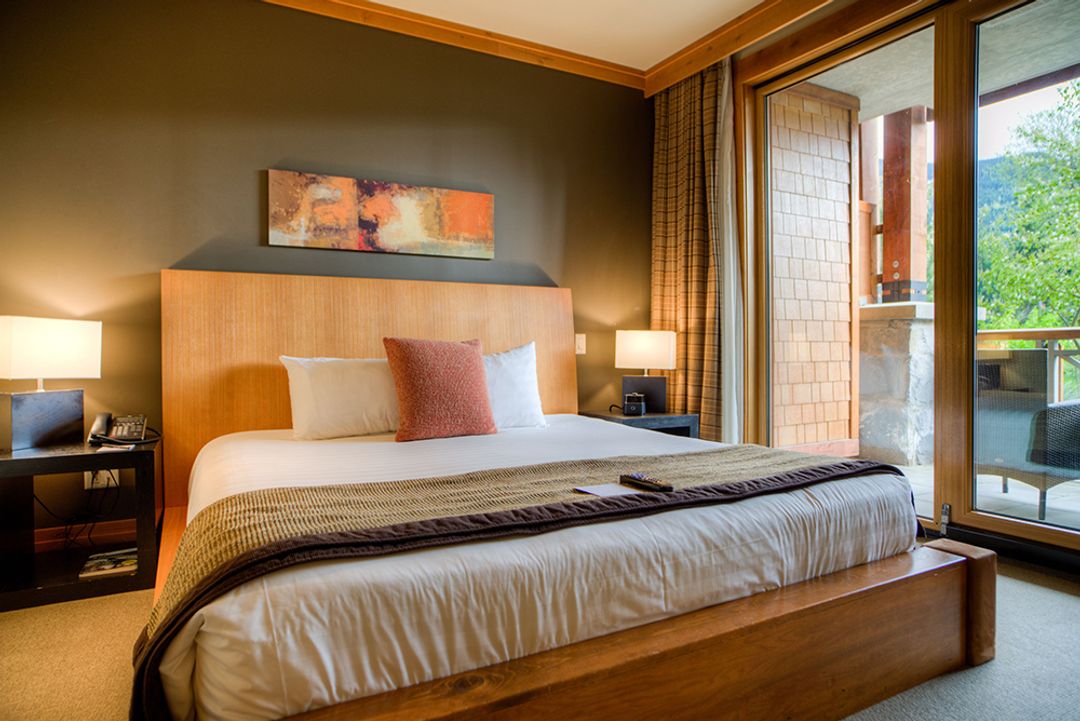
The Upper Village, quieter and slightly removed from the main pedestrian bustle of Whistler Village proper, is where the two larger properties sit. The Fairmont Chateau Whistler anchors the base of Blackcomb Mountain with the kind of mass and baronial confidence that Fairmont has long deployed in the Canadian Rockies, its steep-pitched rooflines and warm stone facade nodding to the railway-era chateau aesthetic the brand established at properties like Banff Springs. At over eight hundred dollars a night it is making a commitment, and it delivers on ceremony, scale, and ski-in proximity. The Four Seasons Whistler, nearby, arrived in 2004 with a lighter touch: the interiors lean into natural materials without the theatrical historicism of the Fairmont, and the property attracts travelers whose instinct is to notice materials and proportions rather than heraldic grandeur. Its pricing sits considerably lower than the Chateau while occupying the same quality tier in terms of service and amenity.
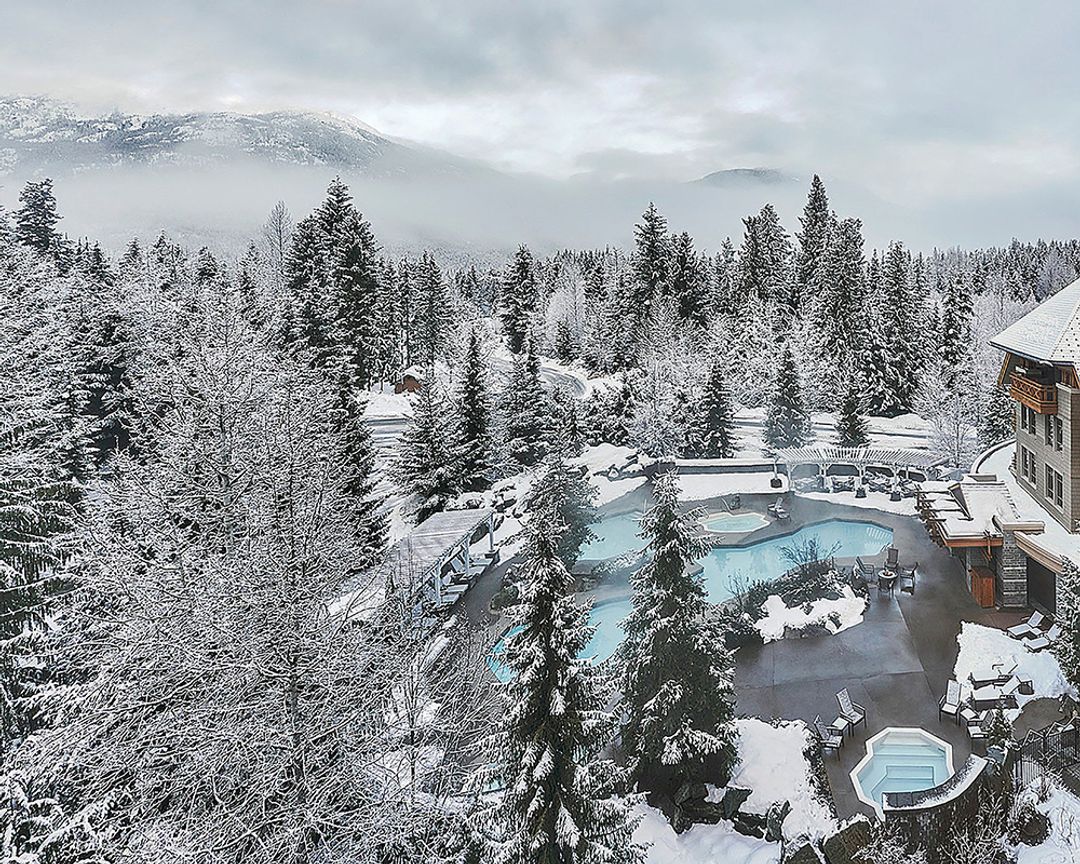
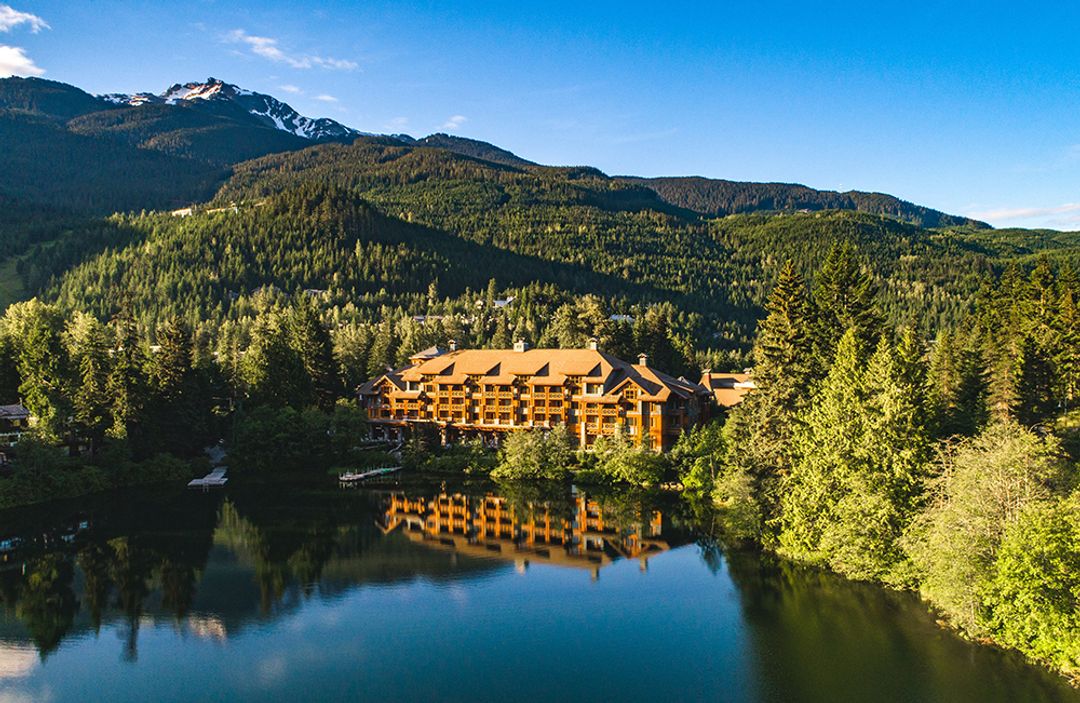
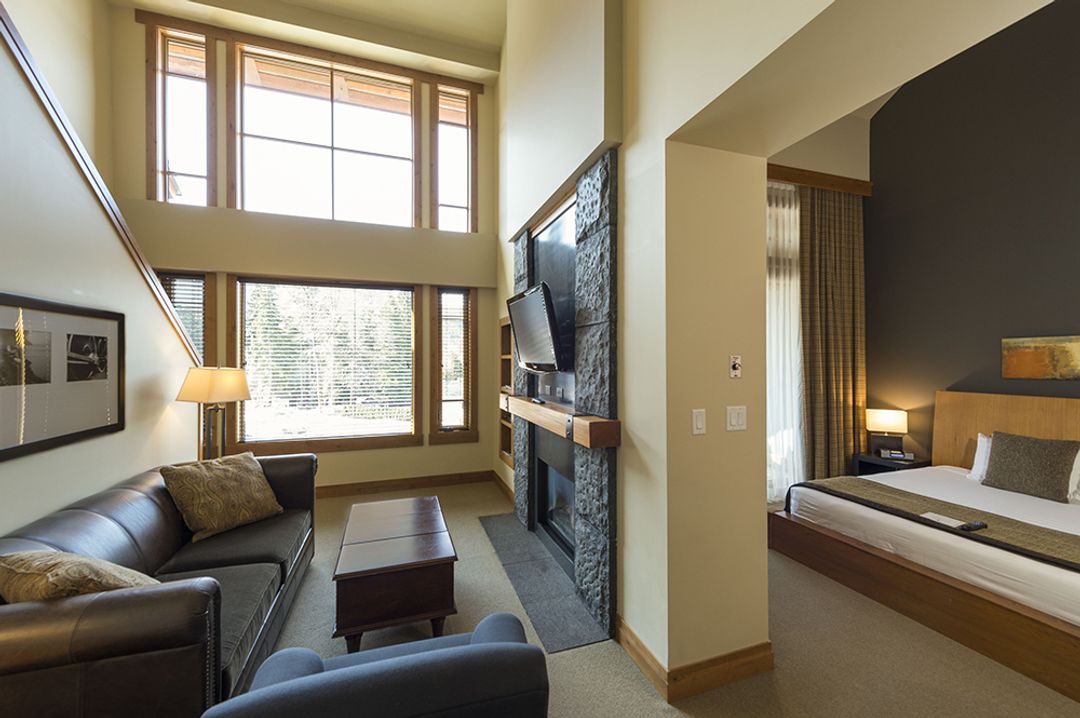
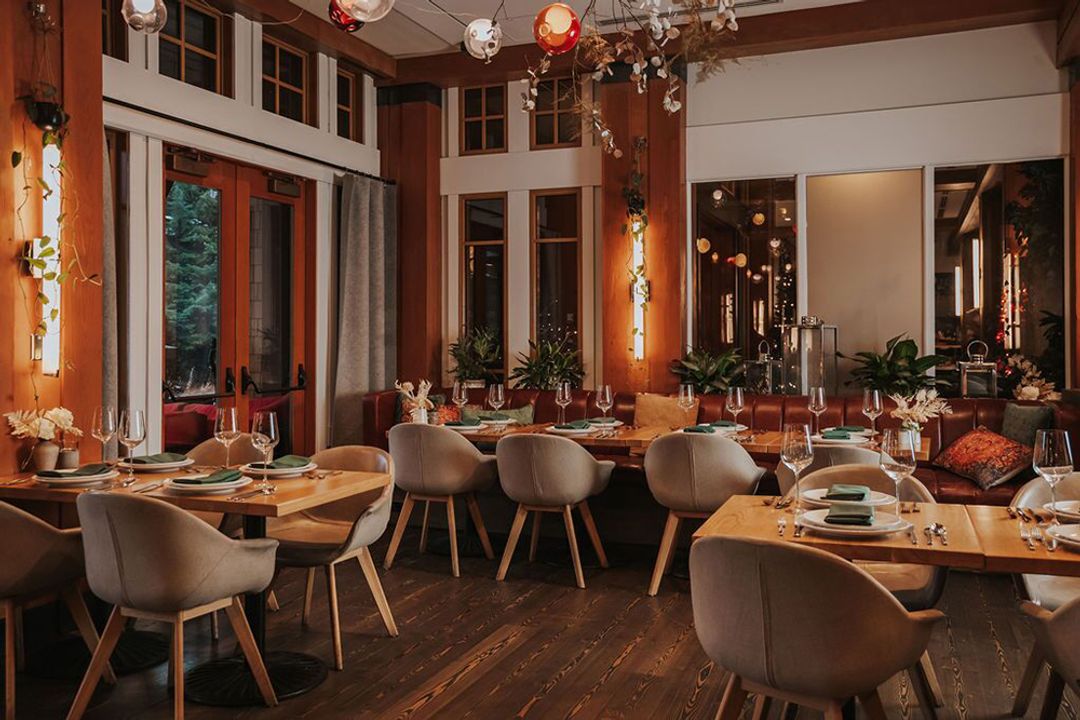
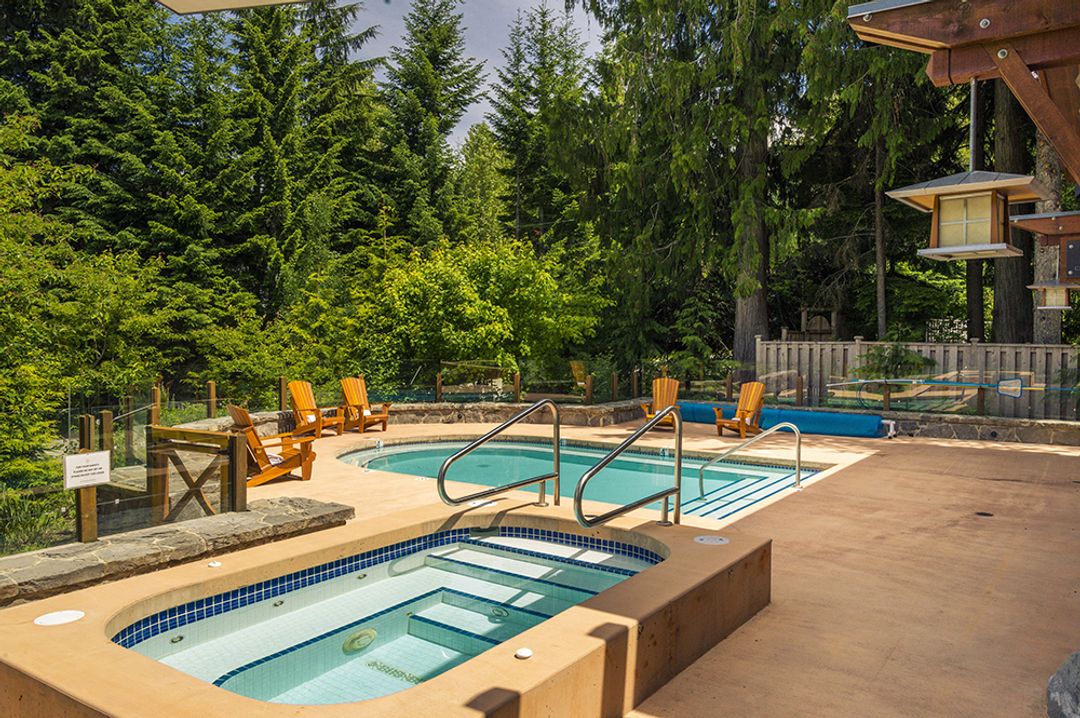
Creekside sits roughly five kilometers south along the valley and functions as the quieter, more local-feeling base for Whistler Mountain. Nita Lake Lodge, positioned directly on its namesake lake, is the most architecturally specific of the three properties: the building's relationship to the water is immediate, with the lodge extending toward the shoreline in a way that prioritizes the landscape over the street. The interiors have a considered warmth, heavy on wood and stone, that feels closer to a refined mountain inn than a resort hotel. At three hundred dollars a night it represents the most restrained price point in this group, and for a traveler who wants proximity to the mountain without the ceremony of the Upper Village, it makes a coherent case entirely on its own terms.