Best hotels in Atacama Desert | A Curated Visual Guide to Top Stays
Welcome to PressBeyond, the ultimate curated visual guide for design-driven hotels! My name is Will Miller and these are my recommendations for the best boutique and luxury hotels in Atacama Desert.
I am the founder of PressBeyond and I am an ultra-meticulous hotel curator who loves clean visuals. I have individually analyzed and tiered each hotel included in this guide based on a variety of criteria (architecture & design, location, brand & brand affiliation, existing reviews, and my own personal experiences), and importantly, I have hand-selected the leading imagery for each hotel to provide you with easily-digestible, yet detailed and complete, like-for-like, high-level visual profiles. I felt this summarization step was a critical missing piece across existing guides, blogs, and booking platforms. My aim is to make it easier for people to identify hotel environments that resonate with them, along with enabling them to visualize the types of social experiences that those environments help foster. My brain doesn't work when exposed to cluttered content, so my goal was to create the opposite.
Underneath this, we are also a full booking engine offering 5% Venmo cash back along with other exclusive perks. For all of you design-obsessed hotel enthusiasts out there, I hope this guide helps get you to where you see yourself!
An Overview of the Boutique & Luxury Hotel Landscape in Atacama Desert
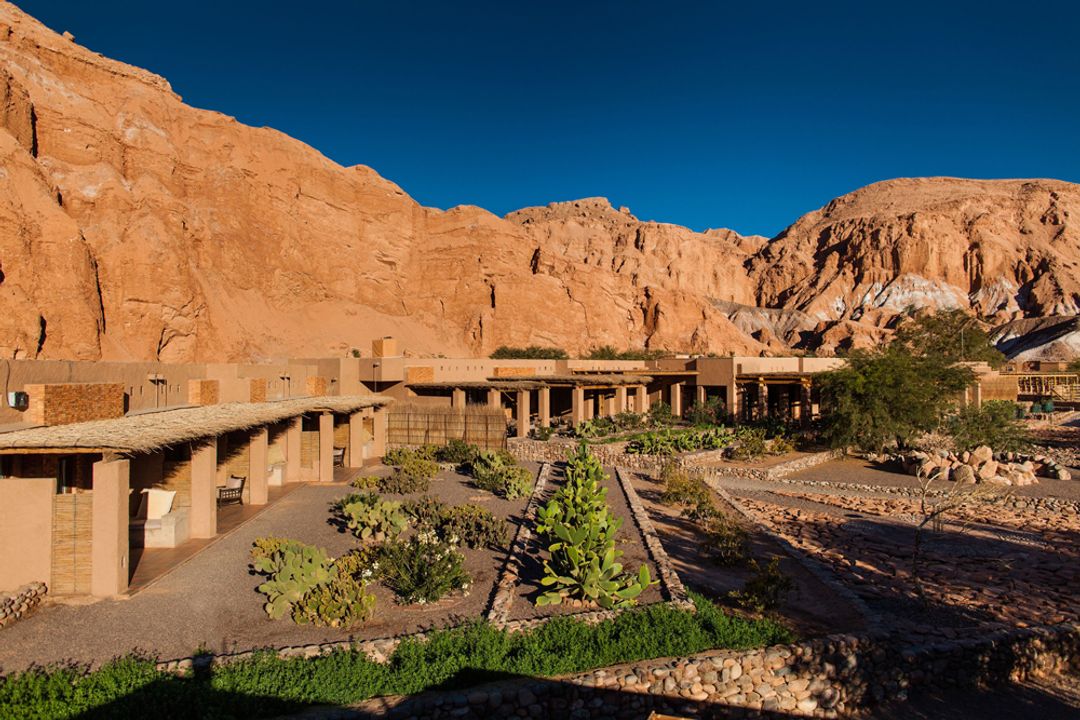
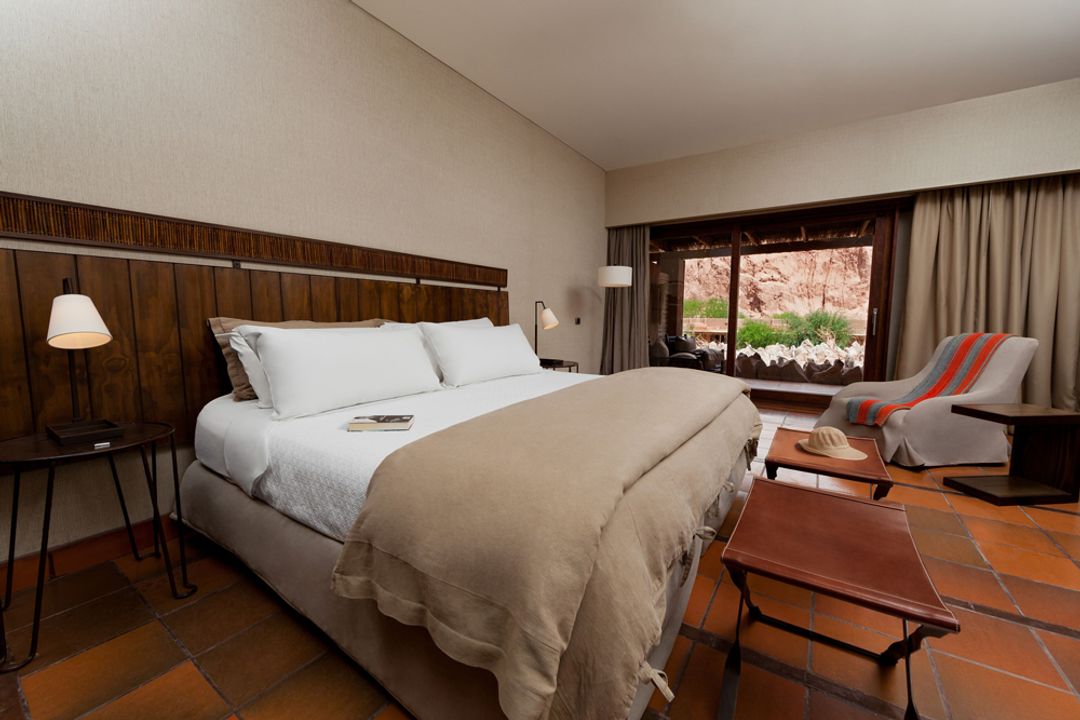
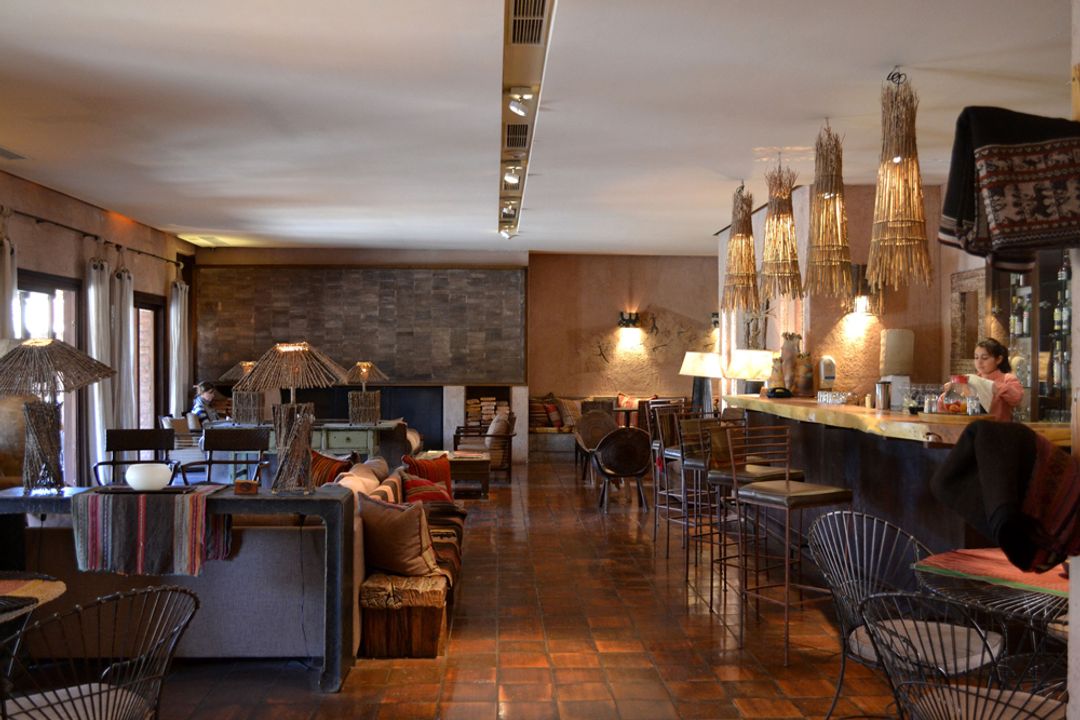
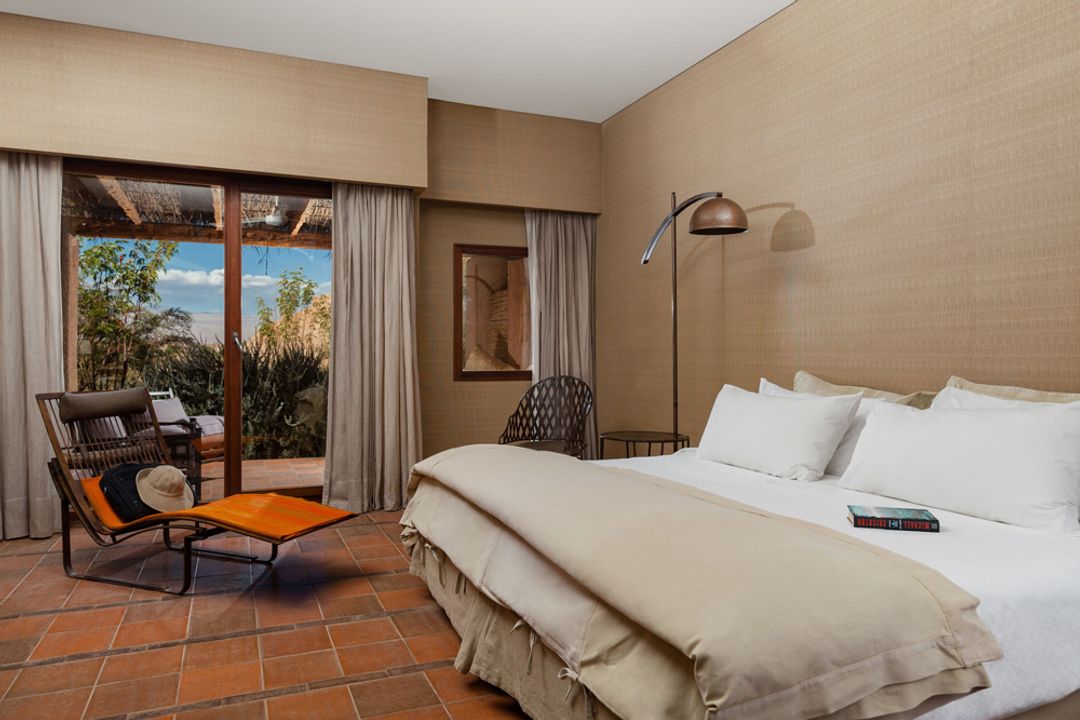
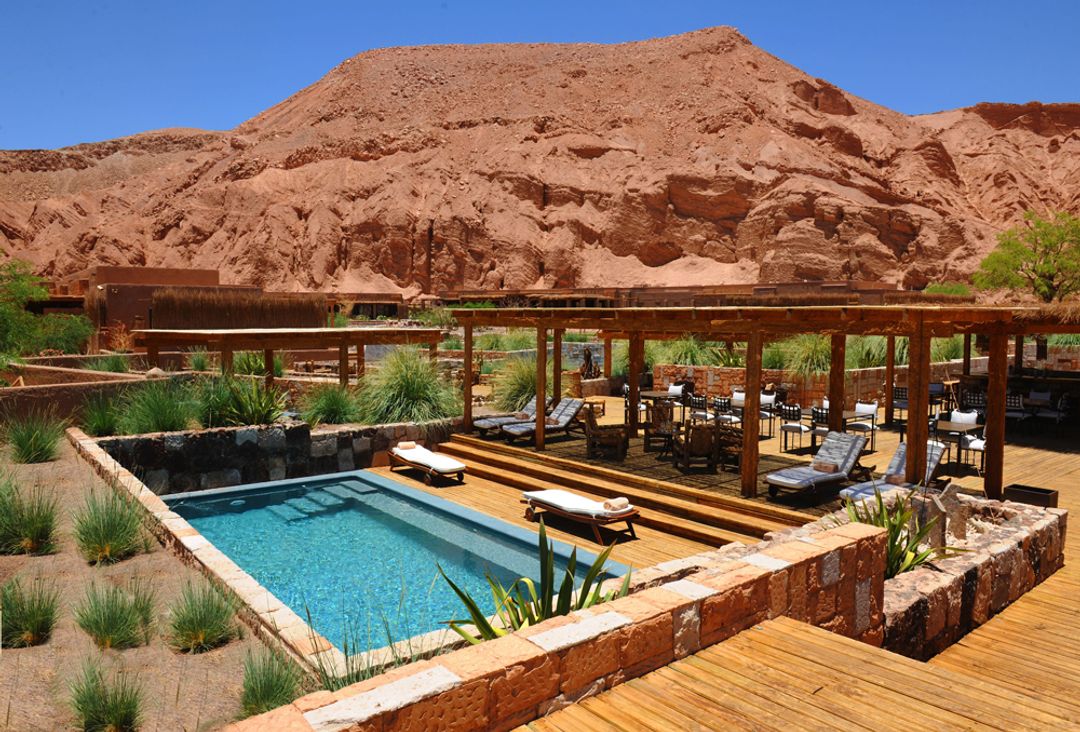
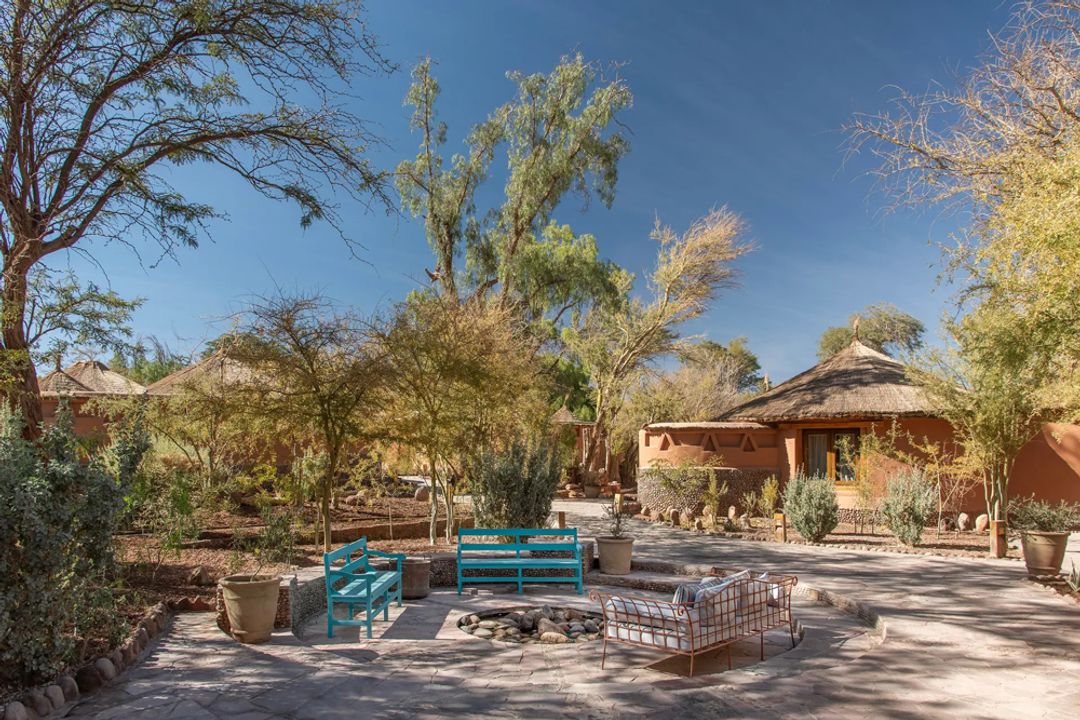
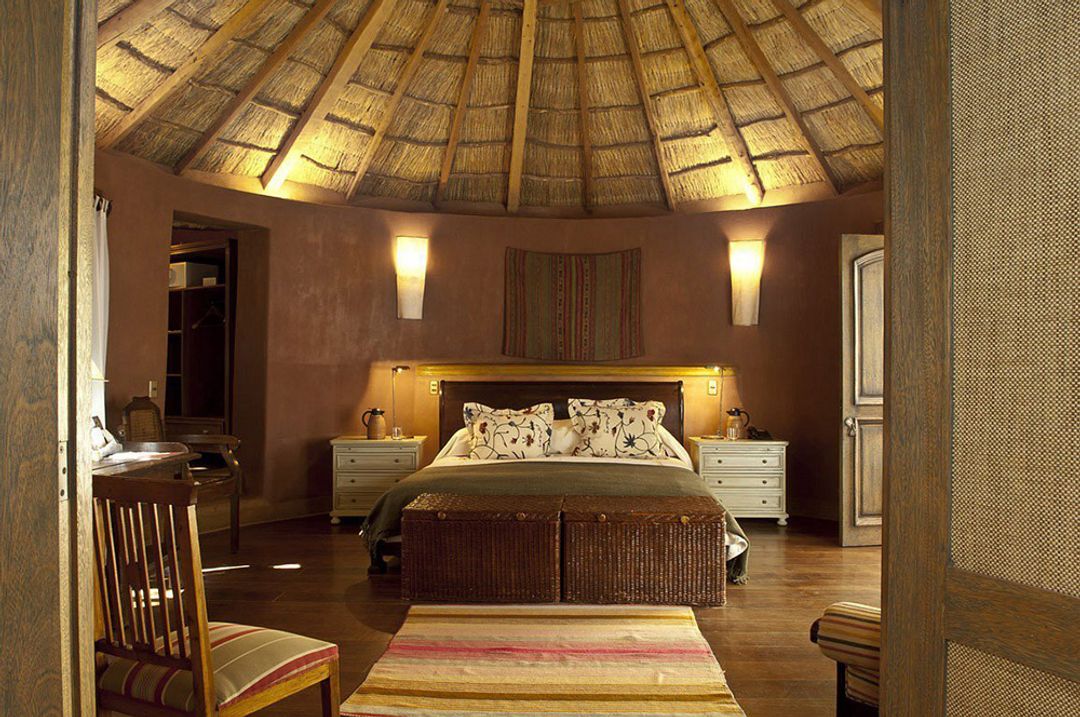
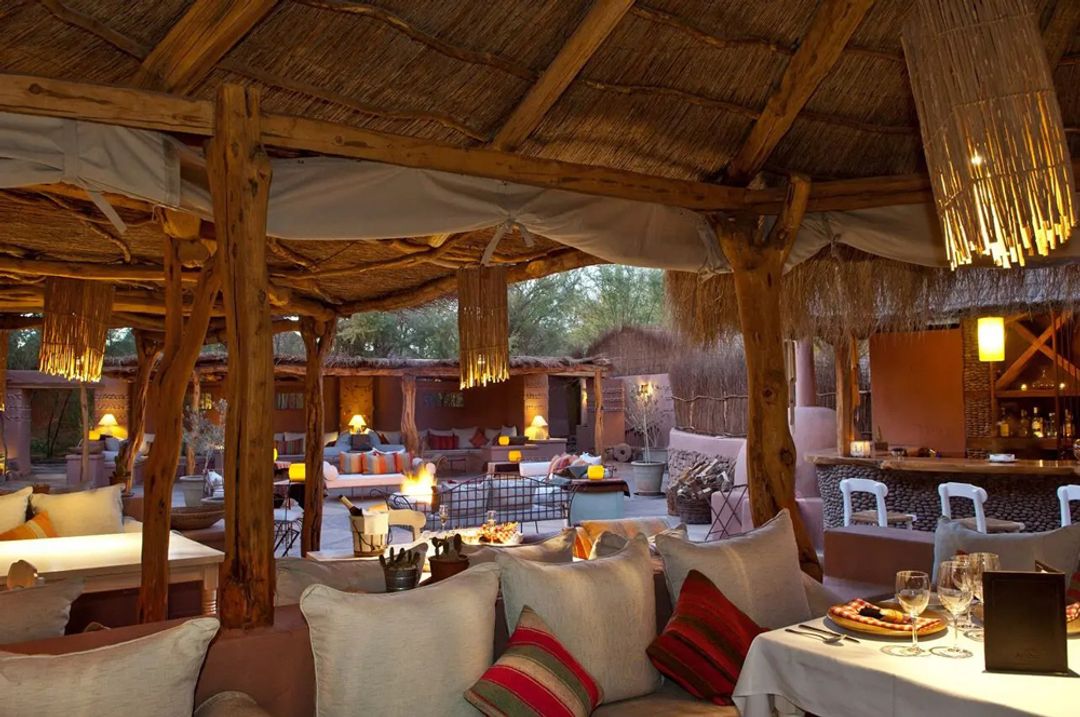
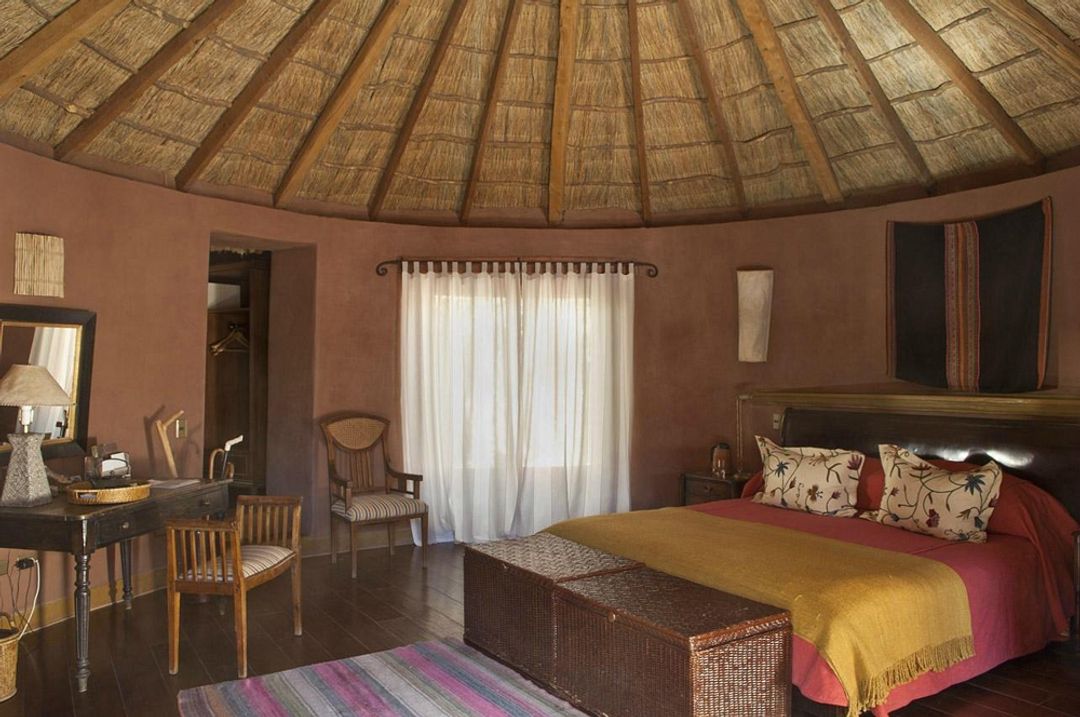
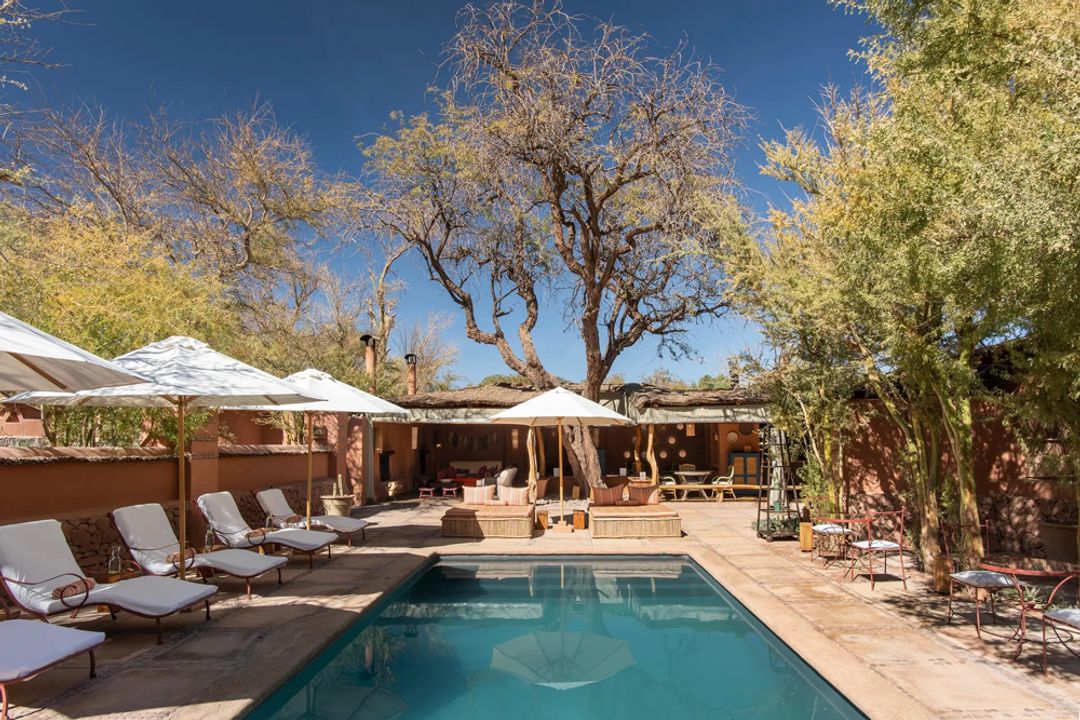
The Atacama is the driest place on earth, and that fact shapes everything — including how you sleep in it. The light here is not gentle. It bleaches and flattens by midday, then turns the salt flats violet and amber at dusk in a way that no amount of architectural intention can compete with. The intelligent response, which both properties in San Pedro de Atacama have arrived at through different routes, is to stop competing and instead frame the landscape as the primary material. Nayara Alto Atacama sits in the Quitor Valley at the edge of town, its adobe architecture consciously echoing the earth-toned vernacular of the altiplano — thick walls, low profiles, terracotta and raw stone forms that absorb heat during the day and release it slowly through the night. The design draws from the pre-Columbian building traditions of the region rather than imposing anything foreign onto the terrain, and the result is a property that feels genuinely embedded rather than installed. Its terraced layout follows the valley's natural contours, and the tiered outdoor pools and open-air corridors read as extensions of the landscape rather than interruptions to it. At $611 per night, it occupies the upper register of considered design without requiring you to abandon the idea of a hotel as a shared, animated place. Awasi Atacama operates on a different logic entirely. Its model — a small collection of private villas, each with a dedicated guide and vehicle — removes the hotel almost entirely from the equation and replaces it with something closer to a field research station for people who travel at the level of luxury that expects invisibility. The villas are sparse and precise, their interiors using local textiles and materials without ethnographic self-consciousness, and the architecture respects the silence of the surrounding terrain in a way that denser properties cannot. At $1,350 a night, the rate reflects not just accommodation but a total curation of your time in one of the most spatially extreme environments on the planet. The two properties don't so much compete as address different kinds of travelers: those who want the landscape amplified through shared experience, and those who want it in near-total solitude. Both answers, in this particular desert, turn out to be correct.